
Tools
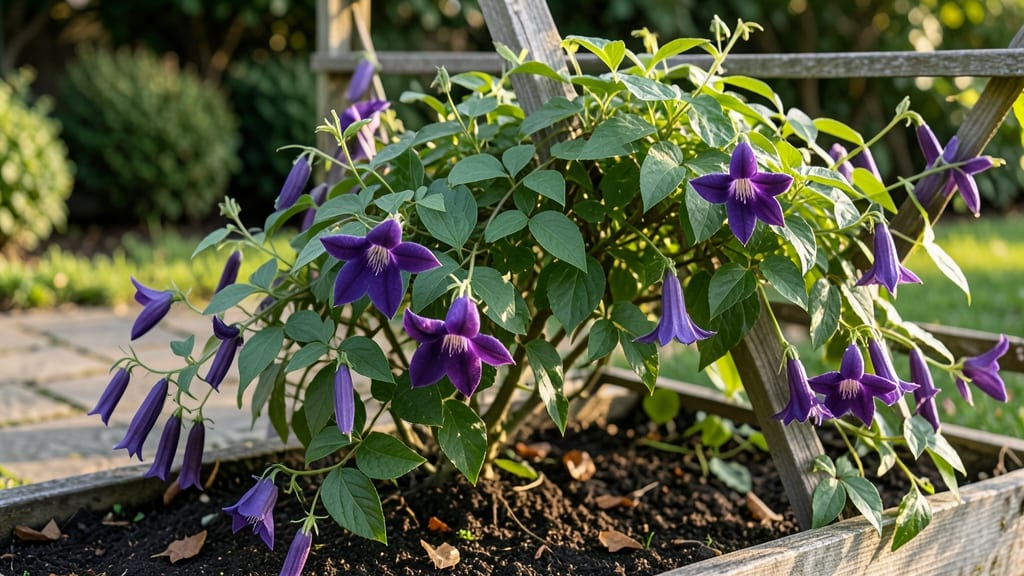
Your garden can bloom upward instead of outward—flowering trellis plants transform empty vertical space into a living tapestry of color. 🌿 I remember my first clematis vine climbing a rusted metal trellis in my grandmother’s yard, its purple blooms spilling like a waterfall by midsummer.
That’s the magic: plants that turn walls, fences, or even old ladders into seasonal masterpieces without stealing square footage from your yard.
These climbers aren’t just pretty—they’re space-saving superstars that thrive where ground plants struggle. Morning glories unfurl their trumpet-shaped blooms in just 60 days, while sweet peas perfume the air with their delicate fragrance.
For small yards or urban balconies, obelisks and wire cages let you grow three times the flowers in the same footprint. The key? Matching vines to your sunlight: sun-lovers like passionflowers need 6+ hours of light, while shade-tolerant jasmine thrives in dappled spots.
Imagine your trellis bursting with blooms from spring through fall—clematis in June, roses in July, and asters in September. The best part? You can mix climbers with annuals for nonstop color: plant black-eyed Susans at the base of a trellis, then let nasturtiums cascade over the top.
Even a 10-foot fence becomes a vertical garden when dressed with climbing hydrangeas or wisteria. The possibilities are limited only by your imagination (and how high you’re willing to let them grow).
Start small with a 5-foot obelisk and a handful of seeds—you’ll be hooked by the first flush of blooms. The real secret? Trellises aren’t just for show; they extend your garden’s life by protecting tender vines from wind and pests.
Whether you’re framing a doorway or reclaiming a bare corner, these plants turn dead space into drama. Ready to grow upward?
📚 In This Guide
- What you need
- Instructions
- Tips and common mistakes
- Wrapping up and next steps
What you need
- ● Trellis Structure: Wooden lattice panels (4’ x 8’ or custom size) – 1-2 panels (depending on garden size)
- ● Metal or PVC trellis kits (pre-assembled) – 1 kit (for quick setup)
- ● Bamboo stakes or poles (5-6 ft tall) – 4-6 stakes (for freestanding trellises)
- ● Galvanized wire mesh (1/2” or 1” grid) – enough to cover your desired area
- ● Fasteners & Hardware: Galvanized screws or nails (1.5”–2”) – 20-30 pieces
- ● Heavy-duty zip ties or wire – 10-15 pieces (for securing plants)
- ● Concrete anchors or stakes – 4-6 pieces (for stability)
- ● Flowering Vines & Plants: Clematis, morning glories, or passionflowers – 3-5 plants (per trellis)
- ● Potted annuals (e.g., nasturtiums, sweet peas) – 2-4 pots (for quick color)
- ● Drill/driver (with screw bits) – or a hammer
- ● Measuring tape & pencil
- ● Wire cutters (if using mesh or wire)
- ● Garden gloves & safety goggles
- ● Post-hole digger (if anchoring stakes)
- ● Watering system (drip irrigation or soaker hoses) – for low-maintenance hydration
- ● Mulch or landscape fabric – to suppress weeds
- ● Decorative lights (solar-powered) – for evening ambiance
- ● Plant supports (soft ties or Velcro strips) – gentler on vines
How to create a stunning vertical flowering trellis garden
Transform any space into a lush, blooming paradise with these climbing plants that thrive on trellises.
🌱 Step 1: Select the Right Climbing Plants for Your Trellis
Choose plants that naturally cling or vine—clematis, morning glories, or sweet peas are excellent choices. I always opt for varieties with season-long blooms to maximize visual impact. Check your local climate zone to ensure the plants you pick thrive in your hardiness range.
For a fast-growing display, morning glories or nasturtiums bloom in as little as 6-8 weeks from seed. If you prefer fragrant options, roses or honeysuckle add a sensory delight. Avoid heavy vines like wisteria unless your trellis is structurally reinforced.
🪴 Step 2: Install the Trellis in a Sunlit Location
Position your trellis where it receives at least 6 hours of sunlight daily. Most flowering climbers need full sun to produce abundant blooms. I like to install mine against a south- or west-facing wall for maximum exposure.
Secure the trellis firmly into the ground or wall—especially if you're using heavy plants like roses. A wobbly trellis will snap under the weight of vines and flowers. For added stability, use stakes or guy wires if your trellis is tall.
☀️ Step 3: Plant and Train Vines for Optimal Growth
Dig a hole slightly larger than the root ball and mix in a handful of compost to enrich the soil. Plant your climbers at the same depth they were in their nursery pot. Water deeply right after planting to settle the roots.
As the vines grow, gently guide them along the trellis using soft plant ties or twine. Avoid wrapping too tightly—you want to encourage natural climbing without restricting growth. For self-clinging plants like clematis, simply tuck the tendrils into the trellis openings.
💧 Step 4: Water and Fertilize for Continuous Blooms
Keep the soil consistently moist but not soggy—1 inch of water per week is ideal. Mulch around the base to retain moisture and suppress weeds. I water in the early morning so the foliage dries quickly, reducing the risk of fungal diseases.
Feed your climbers with a balanced fertilizer every 4-6 weeks during the growing season. For extra blooms, switch to a high-phosphorus fertilizer when flowers start to appear. Deadhead spent blooms regularly to encourage more flowers.
✂️ Step 5: Prune and Maintain for Year-Round Drama
Prune leggy growth in early spring to promote bushier, more compact vines. Cut back 1/3 of the previous year’s growth to stimulate new blooms. For annuals like morning glories, prune only to shape—these plants thrive on frequent blooming.
Watch for pests like aphids or spider mites, which love tender new growth. A strong spray of water usually dislodges them, but neem oil works well for stubborn infestations. With proper care, your flowering trellis will burst with color from early summer through fall.
Tips & tricks for perfect vertical flowering trellis gardens
Here's what nobody tells you about creating a showstopping vertical garden that keeps blooming all season.
Plant Selection Strategy: When choosing your climbers, prioritize plants that match both your trellis type and your climate. For instance, morning glories thrive in warmer zones (USDA 9-11) while clematis handles cooler climates (USDA 3-9). I always check the plant tag for "climbing habit" notes—some varieties need support while others cling naturally. This simple check prevents future frustration when vines refuse to stay put.
Sunlight Optimization: That 6 hours of sunlight is non-negotiable, but here's the secret: position your trellis to capture morning sun first, then afternoon shade if your climate gets scorching. I've seen trellises fail because they got too much midday heat—especially in desert climates. For extra protection, use a light shade cloth (30-50%) during peak summer hours if you notice leaf burn.
Training Technique: The way you train vines makes all the difference. For twining plants like morning glories, I use soft plant ties to gently spiral them up the trellis—never wrap tightly. For self-clinging varieties like clematis, I tuck the tendrils into the trellis openings every few days during early growth. This method creates a natural, organic look while preventing tangled messes that block sunlight to lower leaves.
Seasonal Maintenance: Don't let those blooms become a maintenance burden. I set calendar reminders for every 4-6 weeks to check fertilizer needs, and always carry a small pair of pruning shears to deadhead spent blooms during my morning coffee. This simple habit keeps your trellis looking fresh without overwhelming weekly chores. The key is consistency—even 10 minutes every other week makes a dramatic difference in bloom quantity.
Pro Tips for Flowering Trellis Plants
- Here's what nobody tells you about creating a showstopping vertical garden that keeps blooming all season.
- Plant Selection Strategy: When choosing your climbers, prioritize plants that match both your trellis type and your climate.
- Sunlight Optimization: That 6 hours of sunlight is non-negotiable, but here's the secret: position your trellis to capture morning sun first, then afternoon shade if your climate gets scorching.
Frequently asked questions
Got questions about transforming your space with flowering trellis plants? You’re not alone! Here are some of the most common queries—and their answers—to help you grow with confidence.
What’s the best time to plant flowering trellis plants?
The ideal time depends on your climate, but spring (after the last frost) is usually best for most varieties like clematis, morning glories, or sweet peas. For warm-season climates, late winter is perfect. Always check seed packets or plant tags for specific timing—they’re your best guide!
How do I keep my trellis plants blooming all season?
Deadhead spent blooms regularly to encourage new flowers, and fertilize lightly every 4–6 weeks with a balanced, bloom-boosting formula. Water consistently (but avoid soggy soil), and prune lightly to promote airflow. Pro tip: Some plants, like nasturtiums, self-seed—let a few go to seed for next year’s show!
What if my trellis plants aren’t climbing? What’s the fix?
If your vines aren’t latching on, check for tendrils or adhesive pads (like in passionflowers or wisteria). If missing, gently train them with soft twine or plant ties. Ensure the trellis is sturdy and placed in full sun (most flowering climbers need 6+ hours). If growth is slow, test your soil’s nutrients—amend with compost if needed.
Are there low-maintenance flowering trellis options?
Try morning glories (fast-growing, annual), hops (hardy and prolific), or cobaea scandens (cup-and-saucer vine). These thrive with minimal fuss. For perennials, climbing roses or virgin’s bower are stunning and resilient—just prune once a year!
Why are my trellis flowers wilting or dropping?
Wilting often signals underwatering, but drooping blooms can also mean overwatering or root stress. Check soil moisture (top inch should be dry), and ensure your trellis isn’t casting shade on the base. Pests like aphids can also sap energy—spray with soapy water if you spot them. Adjust care and monitor for 2–3 days to see improvement.
Still stumped? Drop your trellis plant struggles in the comments—we’re happy to help!
Wrapping up and next steps
Transforming your garden with flowering trellis plants is a rewarding way to add vertical beauty and seasonal charm! From climbing roses to fragrant jasmine, these plants bring drama and elegance while maximizing your space.
Whether you're a seasoned gardener or just starting, the key is choosing the right variety, providing sturdy support, and giving them the love they need to thrive.
Now that you’re inspired, take the next step—pick your favorite climber, gather your supplies, and start building your vertical masterpiece! 🌸 Your garden (and your neighbors!) will thank you for the show-stopping blooms.