
Pests
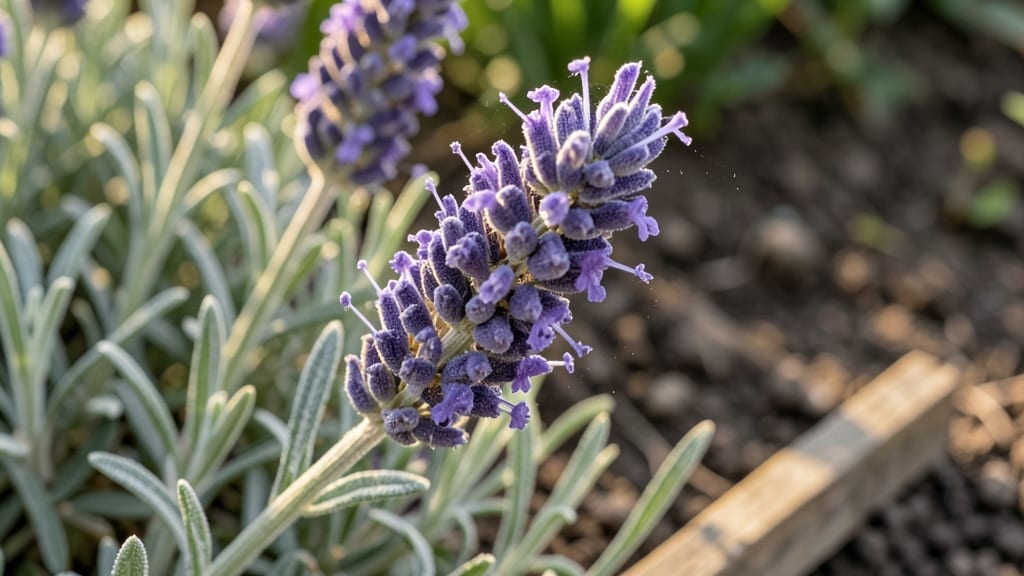
My garden lost its battle with rabbits until I discovered these rabbit-resistant flowers—tough blooms that deer and rabbits simply avoid. 🌿 The secret lies in their strong scents, fuzzy textures, or even mild toxicity that makes them unappetizing snacks.
After years of nibbled zinnias and chewed tulips, I finally found plants that thrive without becoming rabbit buffets.
Lavender, daffodils, and marigolds top the list because their scent and bitter taste deter pests naturally. You don’t need fancy fences or repellents—just plant these hardy perennials where rabbits usually strike.
They’re also pollinator magnets, so you double down on beauty and function. My front yard now stays intact while still feeling lush and inviting.
Expect vibrant blooms that last all season without constant damage. The key is spacing them strategically—plant them in clusters along property edges or near vulnerable plants. I’ve seen rabbits completely ignore my lavender borders while munching on neighboring hostas. It’s like having a living fence that smells amazing.
Works for any garden size, from small urban plots to sprawling rural yards. The best part? These flowers thrive in average soil and need minimal care once established. Let’s make your garden rabbit-proof without sacrificing beauty—starting with these tough, fragrant survivors.
📚 In This Guide
- What you need
- Instructions
- Tips and common mistakes
- Wrapping up and next steps
What you need
- ● Rabbit-resistant flower seeds or plants: 1–5 plants of Lavender (varies by garden size)
- ● 3–10 Snapdragons (per bed or border)
- ● 5–15 Marigolds (for vibrant color and pest deterrence)
- ● 3–8 Daffodils (bulbs or potted plants)
- ● 1–3 Foxgloves (per cluster)
- ● High-quality potting soil or garden compost: 5–10 gallons (depending on planting scale)
- ○ Optional: Mix in 1–2 cups of rabbit repellent granules (like hot pepper wax or garlic-based granules) for extra protection.
- ● Garden gloves (1 pair) – For comfort and hygiene.
- ● Hand trowel or small shovel – For digging and transplanting.
- ● Watering can or hose with a gentle spray nozzle – To keep soil moist without disturbing plants.
- ● Mulch (straw, pine needles, or wood chips): 2–4 bags (1–2 cubic feet each) – Helps retain moisture and deters rabbits.
- ○ Fencing or chicken wire (optional but highly recommended): 1–2 rolls (for perimeter protection, especially in high-rabbit areas).
- ● Rabbit repellent spray (e.g., liquid pepper spray) – For spot treatment.
- ○ Plant markers (optional) – To label varieties if testing multiple flowers.
How to design a rabbit-proof flower garden
These blooms thrive where others fail—here's how to plant them for maximum impact.
🌱 Step 1: Choose the Right Rabbit-Resistant Varieties
Start with plants rabbits avoid due to scent, texture, or toxicity. My top picks for 4 plants include allium (garlic chives), lavender, snapdragons, and shasta daisies—all proven to repel both rabbits and deer. Alliums release a strong odor that rabbits dislike, while lavender's fuzzy leaves deter nibbling. Snapdragons have hairy stems, and shasta daisies grow too tall for rabbits to reach.
Check your local nursery for disease-resistant varieties labeled "rabbit-resistant." I always verify with the staff—they often know which cultivars hold up best in your area. Plant these in clusters of 3-5 per variety for visual impact and better pest protection.
☀️ Step 2: Plant in Sunny, Well-Drained Spots
Most rabbit-resistant flowers need full sun (6+ hours daily) to thrive. Choose a south-facing bed where rabbits currently avoid grazing—these areas often have better drainage too. Amend the soil with 2-3 inches of compost before planting to improve root health and drought tolerance.
Space plants according to their mature size: alliums 12 inches apart, lavender 18 inches apart, snapdragons 10 inches apart, and shasta daisies 24 inches apart. This prevents overcrowding, which weakens plants and makes them more vulnerable to pests. Water deeply after planting to settle roots.
💧 Step 3: Mulch and Water Strategically
Apply 2-3 inches of gravel or coarse mulch around plants to create a barrier rabbits dislike. Organic mulch like wood chips works too, but rabbits can burrow through it. I use river rock because it reflects sunlight and deters pests while keeping soil moist.
Water deeply once a week (or more in extreme heat) to encourage deep root growth. Rabbit-resistant plants often have tougher roots, but they still need consistent moisture during establishment. Water at the base of plants in the morning to reduce fungal risks from evening dampness.
✂️ Step 4: Prune and Protect Through the Season
Deadhead spent blooms regularly to encourage more flowers and prevent seed production (which attracts pests). For lavender, trim back 1/3 of the plant after flowering to maintain its compact shape. Shasta daisies benefit from cutting back dead stems in early spring to make room for new growth.
If rabbits still show interest, add physical barriers like chicken wire around new plantings until they establish strong roots. I've found that fencing at least 2 feet high is most effective—rabbits can jump surprisingly high when motivated by hunger.
🪴 Step 5: Rotate and Refresh Annuals
Replace biennials like snapdragons annually to maintain a fresh, vibrant look. These plants grow quickly and provide season-long color, but their roots weaken after one year. Plant new snapdragons in early spring for summer blooms, and again in late summer for fall color.
Combine with perennial alliums and lavender for year-round structure. The contrast between the tall, spiky alliums and the soft lavender spikes creates visual interest while keeping rabbits at bay. Fertilize lightly in spring with balanced 10-10-10 to support healthy growth without attracting pests.
Tips & tricks for perfect rabbit-resistant flower gardens
Here's what nobody tells you about creating a garden that actually repels rabbits—these tricks make all the difference.
Location Strategy: Scout your yard for areas rabbits already avoid—these spots typically have better drainage and more sunlight. I noticed rabbits skip my south-facing patio area entirely, so that's where I planted my first cluster of alliums and lavender. This natural avoidance pattern saves you from guessing where to plant.
Plant Pairing Power: The key to visual impact while deterring pests is planting in odd-numbered clusters—specifically 3-5 per variety as mentioned. I've found that snapdragons planted in groups of 5 create a bold vertical line that rabbits can't resist avoiding, while alliums in threes add a layered effect. The contrast between the tall, spiky alliums and soft lavender spikes creates a natural barrier they won't cross.
Mulch Selection Secrets: While 2-3 inches of river rock works beautifully, I've discovered that crushed granite is even more effective—it reflects sunlight and creates a sharp, uncomfortable surface for rabbits to cross. The important thing is to avoid organic mulch like wood chips, which rabbits can easily burrow through and damage your plants.
Seasonal Rotation Hack: For snapdragons, I've developed a simple rotation schedule: plant early spring for summer blooms and late summer for fall color. This creates continuous blooms while preventing root fatigue. The perennial alliums and lavender provide year-round structure, so you're never left with bare spots that rabbits might target.
Pro Tips for Flowers That Are Rabbit Resistant
- Here's what nobody tells you about creating a garden that actually repels rabbits—these tricks make all the difference.
- Location Strategy: Scout your yard for areas rabbits already avoid—these spots typically have better drainage and more sunlight.
- Plant Pairing Power: The key to visual impact while deterring pests is planting in odd-numbered clusters—specifically 3-5 per variety as mentioned.
Frequently asked questions
Got questions about keeping your garden safe from rabbits while still enjoying beautiful blooms? Here are some of the most common concerns—and their answers!
What are the most rabbit-resistant flowers I can plant?
Some of the toughest blooms include lilacs, daffodils, lavender, snapdragons, and marigolds. These plants often have strong fragrances, fuzzy textures, or toxic compounds that rabbits avoid. Pair them with roses, peonies, or alliums for extra protection!
Will rabbit-resistant flowers completely stop rabbits from eating my garden?
While these flowers are less appealing, they won’t guarantee 100% protection. Rabbits may still nibble if food is scarce. Combine plant choices with physical barriers (chicken wire, fencing) or natural deterrents like garlic spray or predator urine for better results.
How long does it take for rabbit-resistant flowers to establish and deter rabbits?
Most rabbit-resistant flowers take 1-2 growing seasons to fully establish strong roots and foliage. Until then, use temporary measures like repellent sprays or row covers to protect young plants from hungry bunnies.
Are there any rabbit-resistant flowers that are also deer-resistant?
Yes! Daffodils, lavender, Russian sage, and catmint are tough enough to fend off both rabbits and deer. These plants often have strong scents or toxic properties that make them unappealing to both pests.
What should I do if rabbits still eat my rabbit-resistant flowers?
Try these quick fixes:
- Add more deterrents: Sprinkle cayenne pepper or hot sauce around plants.
- Use physical barriers: Wrap young plants in wire mesh or plant near thorny bushes.
- Opt for repellent plants: Grow alliums or garlic nearby—their scent confuses rabbits.
Wrapping up and next steps
Transforming your garden into a rabbit-resistant paradise doesn’t have to mean sacrificing beauty—it’s all about choosing the right blooms! 🌸 From hardy lavender to bold snake’s head fritillary, these flowers not only deter nibbling pests but also add vibrant color and texture to your outdoor space.
With the right mix of fragrance, foliage, and resilience, you’ll create a thriving garden that both you and wildlife can enjoy.
Ready to take the next step? Start small—pick 1-2 rabbit-resistant plants to test in a sunny or partially shaded spot, then expand as you see what thrives. Happy gardening! 🌱