
Flowers
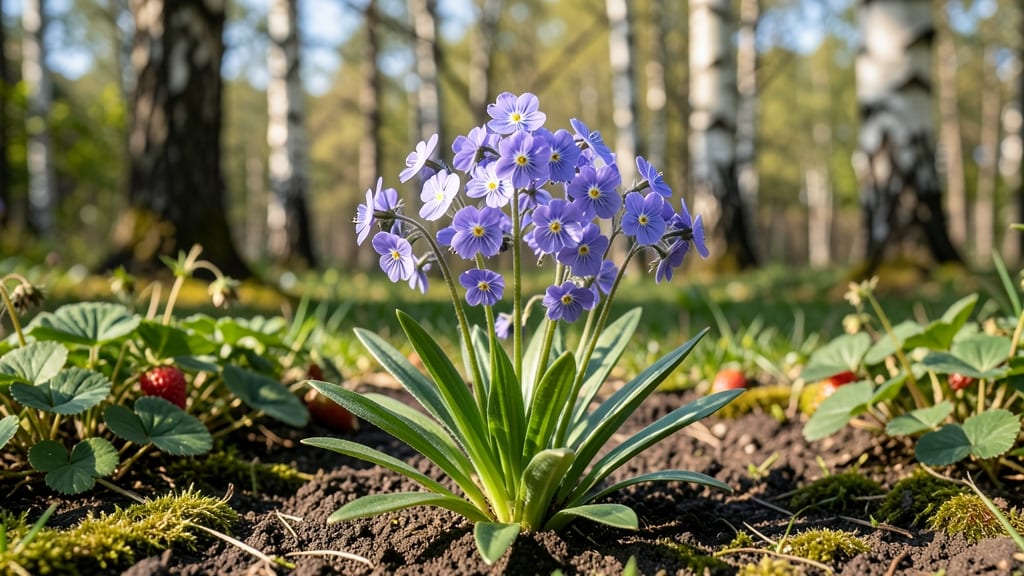
The forget-me-not purple flower is like having a whisper of springtime magic in your garden all year long—delicate, symbolic, and impossible to ignore once you see it thriving. 🌿 I fell in love with these tiny blooms after adding them to my cottage garden, where their soft lavender hues instantly softened the space and drew in hummingbirds.
Their name carries centuries of meaning, from medieval love tokens to modern reminders of enduring affection, making them perfect for gardeners who want beauty with purpose.
These little powerhouses grow best in partial shade and well-draining soil, making them ideal for woodland gardens, container plantings, or even as edging along pathways.
Pair them with silver foliage plants like lamb's ear or dusty miller to create a dreamy, ethereal effect, or mix them with deeper purples like salvia or catmint for a rich, layered look.
Their low-maintenance nature means they’ll reward you with blooms from early spring through fall if you deadhead regularly.
Imagine cutting forget-me-nots for bouquets that last weeks—each stem a tiny burst of color and memory. They work beautifully in wildflower meadows, cottage-style borders, or even as a focal point in hanging baskets.
The key is keeping them moist but not soggy; once established, they’ll spread gently, filling gaps with their cheerful faces. Their versatility makes them a gardener’s secret weapon for adding charm without fuss.
For extra drama, try planting them near water features where their reflections will create a mesmerizing shimmer. Or use them in memorial gardens, where their symbolism of true love and remembrance feels especially meaningful.
Whether you’re designing a romantic retreat or a child-friendly play garden, forget-me-nots bring a touch of whimsy and history to every space they inhabit.
📚 In This Guide
- What you need
- Instructions
- Tips and common mistakes
- Wrapping up and next steps
What you need
- ● Seeds: Myosotis sylvatica (woodland forget-me-not) or Myosotis scorpioides (water forget-me-not) – 1 packet (50-100 seeds) per planting area.
- ● Potting Soil: Well-draining, peat-based or organic mix (10-15 lbs for containers, 1 cubic yard for in-ground planting).
- ○ Containers (Optional for Pots): 6-8 inch pots with drainage holes (2-4 pots per batch of seeds).
- ● Fertilizer: Balanced 10-10-10 or slow-release granular fertilizer (1 tbsp per plant at planting time).
- ● Mulch: Organic mulch (straw or shredded bark) to retain moisture (2-3 inches after planting).
- ● Garden Trowel or Transplanter (for digging small holes).
- ● Watering Can or Hose with Gentle Spray Nozzle (avoid over-saturating seeds).
- ● Pruning Shears (for deadheading spent blooms).
- ○ Gloves (Optional) – Protects hands from soil and thorns (if growing near roses or brambles).
- ○ pH Test Kit (Optional) – Ensures soil pH is 6.0-7.0 (forget-me-nots prefer slightly acidic to neutral soil).
- ○ Floral Preservative (Optional) – Extends vase life (1 packet for 6-8 stems).
- ● Scissors or Floral Knife – For clean cuts when harvesting.
- ● Vase or Container – Narrow-necked (for single stems) or wide-mouthed (for bouquets).
- ○ Ribbon or Twine (Optional) – For wrapping stems in arrangements.
How to grow forget-me-not purple flowers for stunning year-round blooms
Here's my foolproof method for cultivating these charming blue-purple blooms—whether you're starting from seed or planting established plants.
🌱 Step 1: Choose the Perfect Planting Location
Forget-me-nots thrive in partial shade to full sun, but they'll appreciate morning sun and afternoon shade in hotter climates. I always plant mine along the edge of my garden beds where they get dappled sunlight—this mimics their natural woodland habitat. The ideal spot has well-draining soil that stays consistently moist but never waterlogged.
If your soil drains poorly, mix in 1 inch of compost before planting to improve texture. Forget-me-nots are sensitive to soggy roots, so raised beds or containers with drainage holes work beautifully. Test your spot by pressing your finger into the soil—it should feel moist but not sticky when you pull it out.
🌿 Step 2: Prepare Soil and Plant at the Right Time
Forget-me-nots grow best in cool weather, so I plant them in early spring or late summer for fall blooms. The soil temperature should be between 40-60°F—any warmer and the seeds may struggle to germinate. Work 2-3 inches of compost into the top layer of soil to provide nutrients without overwhelming the delicate roots.
For seeds, scatter them lightly on the soil surface since they need light to germinate. Press them in gently but don't cover with soil. If planting established plants, space them 6-12 inches apart—closer spacing encourages lush, continuous blooms. Water gently after planting to settle the soil around the roots without disturbing them.
💧 Step 3: Water Consistently and Maintain Humidity
These flowers hate drying out, so keep the soil evenly moist but never soggy. I water mine every 2-3 days in warm weather, checking the top inch of soil with my finger first. Forget-me-nots will wilt dramatically if they get too dry, but they bounce back quickly once watered—just don't let them stay wilted for more than a day.
In containers, I place a tray of pebbles filled with water underneath to increase humidity around the roots. This is especially helpful during hot, dry spells. Mulch with 1 inch of organic mulch to help retain moisture and keep roots cool. Avoid overhead watering once plants are established—it can spread fungal diseases.
☀️ Step 4: Fertilize Lightly for Long-Lasting Blooms
Forget-me-nots don't need much fertilizer, but a light feeding encourages continuous blooming. I use a balanced 10-10-10 fertilizer diluted to half strength every 4-6 weeks during the growing season. Too much fertilizer will produce lots of leaves but few flowers—these plants prefer to focus their energy on blooms rather than foliage.
After the first flush of flowers appears, I switch to a low-phosphorus fertilizer (like 5-5-5) to maintain blooms without encouraging excessive leaf growth. Always water the plants first before applying fertilizer to prevent root burn. You'll know you're doing it right when you see new buds forming every 2-3 weeks throughout the season.
✂️ Step 5: Deadhead and Prune for Continuous Color
Regular deadheading is the secret to nonstop blooms. As soon as flowers fade, pinch them off just above the next set of leaves. I do this every 3-4 days during peak bloom time—it might seem tedious, but it keeps the plant focused on producing new flowers instead of setting seed.
In late summer, cut back the entire plant by one-third to encourage a fresh flush of growth. This also prevents the stems from getting leggy and flopping over. Forget-me-nots are perennial in many climates, so a little pruning now means more vibrant blooms next year. Just avoid heavy pruning after mid-summer—the plant needs time to harden off before winter.
Tips & tricks for perfect forget-me-not purple flowers
Real talk: These delicate blooms reward attention to detail more than any other flower I've grown. Here's what nobody tells you about keeping them thriving.
Soil Temperature Secret: That 40-60°F soil temperature range in Step 2 isn't just a suggestion—it's critical for seed germination. I've seen seeds fail to sprout when planted in soil warmer than 65°F, even when everything else seemed perfect. Use a soil thermometer if you're unsure, especially in spring when ground temps fluctuate. The roots need this cool environment to establish properly before summer heat arrives.
Lighting Strategy: Forget-me-nots in full sun (Step 1) will produce more vibrant purple blooms, but they'll last longer with morning sun and afternoon shade—especially in hot climates. I've noticed my container plants in full afternoon sun wilt by late afternoon, while those with filtered light stay perky all day. If you have no shade options, try placing them near a sheer curtain or under a tree with dappled branches.
Watering Hack: The "evenly moist but never soggy" rule in Step 3 is easier said than done. I've found that watering at the base of the plant in the morning (rather than overhead) prevents fungal diseases while keeping roots consistently hydrated. For containers, I add a moisture meter probe to avoid guesswork—these flowers really do wilt dramatically when thirsty, but they bounce back quickly if you catch it early.
Pro Tips for Forget Me Not Purple Flower
- Real talk: These delicate blooms reward attention to detail more than any other flower I've grown.
- Soil Temperature Secret: That 40-60°F soil temperature range in Step 2 isn't just a suggestion—it's critical for seed germination.
- Lighting Strategy: Forget-me-nots in full sun (Step 1) will produce more vibrant purple blooms, but they'll last longer with morning sun and afternoon shade—especially in hot climates.
Frequently asked questions
Got questions about growing and caring for forget-me-not purple flowers? You’re not alone! Here are some of the most common queries—plus straightforward answers to help you keep these charming blooms thriving year-round.
What’s the best time to plant forget-me-nots for continuous blooms?
Forget-me-nots thrive in cool seasons, so plant them in early spring (after the last frost) or late summer/early fall. If you live in mild climates, you can even plant them in winter for spring blooms! These flowers dislike intense heat, so avoid planting during peak summer months.
How often should I water forget-me-nots, and do they need special care?
Water them regularly—keep the soil consistently moist (but not soggy). Once established, they’re drought-tolerant but may drop blooms in extreme dryness. Mulch around the base to retain moisture and protect roots. Deadhead spent flowers to encourage more blooms!
Are forget-me-nots prone to pests or diseases? How do I prevent issues?
These flowers are generally low-maintenance, but watch for aphids, slugs, or powdery mildew in humid conditions. Prevent pests by:
- Spraying neem oil on leaves (organic pest control).
- Removing weeds to reduce slug hiding spots.
- Ensuring good airflow to avoid mildew.
Can I grow forget-me-nots in containers? What’s the ideal setup?
Use well-draining pots (at least 6–8 inches deep) with a mix of peat moss, perlite, and compost. Place containers in partial shade (they tolerate light shade better than full sun). Water frequently, as pots dry out faster than garden soil.
What are some purple forget-me-not alternatives if I can’t find them locally?
If forget-me-nots are hard to source, try these similar purple bloomers:
- Myosotis (true forget-me-nots) – More delicate, with tiny blue/purple flowers.
- Lobelia – Compact, trailing purple blooms (great for containers!).
- Sweet Alyssum – Tiny purple/pink flowers with a sweet fragrance.
- Petunia – Bold purple varieties for long-lasting color.
Do forget-me-nots come back every year, or are they annuals?
Most forget-me-nots are perennial in cool climates (USDA zones 3–8) but may act as short-lived perennials (2–3 years). In warmer zones, treat them as annuals or grow them in containers for seasonal color. With proper care, they’ll self-seed and return year after year!
Wrapping up and next steps
The forget-me-not purple flower isn’t just a burst of color—it’s a symbol of enduring beauty and simple joy. Whether you’re growing them in your garden, crafting bouquets, or simply admiring their charm, these delicate blooms remind us that small things often carry the biggest meaning. 🌸
Now that you’re inspired, why not take the next step? Plant a few in your garden or share their story with a friend—because beauty, like memories, is meant to be cherished and spread. Happy gardening! 🌱