
Planting
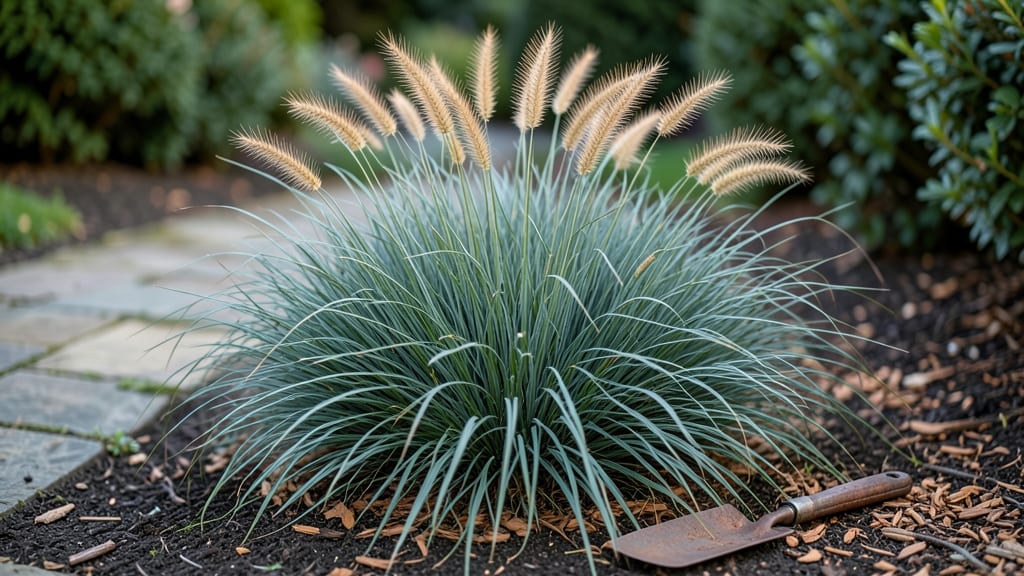
The foxtail plant flower turns every garden corner into a textured masterpiece with its feathery plumes swaying in the breeze. 🌿 I've grown these ornamental grasses for years, and they never fail to deliver drama—whether as a standalone statement or mixed into borders.
The secret lies in their adaptability: they thrive in heat, handle drought once established, and even tolerate poor soil.
These plants love full sun but adapt to partial shade, making them perfect for small spaces or containers. Start with well-draining soil—even sandy or rocky ground works—and water moderately after planting.
The real magic happens when you let those iconic foxtails mature, creating movement and texture that no annual flower can match.
Pruning is minimal: cut back old growth in early spring, and you're done. By summer, you'll have plume-filled drama that lasts well into fall, with some varieties even holding their color through winter. The best part? They're low-maintenance yet high-impact, giving you garden personality without the fuss.
Ornamental foxtails like Pennisetum shine in borders, while wild varieties add natural charm to meadows. Either way, they're a gardener's secret weapon for effortless elegance. Ready to bring this texture to your space?
📚 In This Guide
- What you need
- Instructions
- Tips and common mistakes
- Wrapping up and next steps
What you need
- ● Foxtail plant (Amaranthus caudatus) – 1-3 mature plants (or seeds if starting from scratch). Look for varieties like 'Love Lies Bleeding' for vibrant plumes.
- ● Well-draining potting mix – 5-10 gallons, depending on pot size. A blend of 60% garden soil, 30% compost, and 10% perlite works best.
- ● Containers or garden bed – For pots: 5-10 gallon containers with drainage holes (foxtails love space—aim for 12+ inches in diameter).
- ● For in-ground planting: Full sun exposure (6+ hours/day) and loose, fertile soil.
- ● Watering can or hose with gentle spray – Foxtails are drought-tolerant but appreciate consistent moisture during establishment.
- ● Balanced fertilizer (10-10-10) – 1 tbsp per plant mixed into soil at planting time. Reapply every 4-6 weeks during growing season.
- ● Pruning shears – Sharp, sterilized for trimming dead foliage or shaping plumes.
- ○ Gloves (optional but recommended) – Foxtail leaves can be slightly prickly!
- ● Mulch (straw or shredded bark) – 2-3 inches to retain moisture and suppress weeds.
- ● Epsom salt – 1 tsp per gallon of water monthly for magnesium boost (especially in clay soil).
- ● Dried flower preservative (glycerin) – If you want to extend the life of cut foxtail plumes indoors.
- ● Support stakes or trellis – For taller varieties (e.g., 'Black Velvet'), though foxtails are naturally upright.
- ● Seed packets – If you’re growing from seed, choose heirloom or organic seeds for best results.
How to care for foxtail plants for stunning year-round blooms
Here's the simple system I use to keep my foxtail plants looking dramatic with almost no pruning.
🌱 Step 1: Understand Your Plant's Natural Growth Cycle
The foxtail plant (Pennisetum) thrives on its own natural rhythm, and understanding this is key to minimal pruning. These ornamental grasses grow in clumps, producing their signature feathery plumes in late summer or early fall. The secret to year-round drama lies in timing—never prune when the plant is actively growing or flowering.
Real talk: I used to cut back too early in spring, only to watch my plants produce sparse, weak growth. Now I wait until after the first hard frost kills back the old foliage. This ensures the plant has stored enough energy in its roots for a strong rebound in spring.
☀️ Step 2: Position for Maximum Light and Airflow
Foxtail plants need full sun to partial shade—at least 6 hours of direct sunlight daily for the best plume production. I place mine in a spot where they get morning sun and afternoon shade in hot climates, which prevents leaf scorch while still encouraging flowering.
Good airflow is just as important as light. Crowding or planting in tight spaces leads to fungal issues and weak growth. Space your plants 18-24 inches apart to allow circulation. You'll notice healthier, upright growth when plants have room to breathe.
✂️ Step 3: Prune at the Right Times for Year-Round Interest
Here's the moment that matters: prune your foxtail plants in late winter or early spring, just as new growth begins to emerge. Cut the old foliage back to 2-3 inches above the ground using clean, sharp pruners. This encourages fresh, vibrant growth and keeps the plant looking tidy.
Don't skip this (I learned the hard way). If you leave the old growth too long, it can harbor pests or diseases that will weaken your plant. After pruning, you'll see new shoots pushing through within 2-4 weeks, signaling it's ready for the growing season.
💧 Step 4: Water and Fertilize Strategically
Foxtail plants are surprisingly drought-tolerant once established, but they do need consistent moisture during their first growing season. Water deeply once a week during dry spells, allowing the top 2-3 inches of soil to dry out between waterings. Overwatering is the fastest way to kill these plants—root rot will set in quickly if the soil stays soggy.
I fertilize lightly in early spring with a balanced 10-10-10 fertilizer, using about half the recommended dose. This gives them just enough nutrients to produce strong growth without encouraging weak, leggy stems. Skip fertilizing in fall and winter—the plant enters a natural dormancy period and doesn't need extra food.
🌿 Step 5: Extend the Blooming Season with Simple Tricks
To keep those dramatic plumes appearing throughout the year, I deadhead spent blooms as soon as they turn brown. Simply snip them off at the base with pruners. This encourages the plant to produce new plumes and keeps the foliage looking fresh.
For a winter display, I often leave some of the dried plumes in place. They add texture and interest to the garden even when other plants are dormant. If you want to bring them indoors, cut a few stems and place them in a vase with fresh water—they'll last for weeks.
Tips & tricks for perfect foxtail plant care
These simple strategies will help you maintain those stunning plumes all year without the fuss.
Timing is Everything: The late winter or early spring pruning window is critical—this is when your foxtail plants are just waking up from dormancy. I've found that pruning too early (before new growth appears) stresses the plant, while waiting too long risks leaving old foliage that can harbor pests. Watch for those first green shoots emerging from the base—when you see them, it's time to prune. This precise timing ensures your plants rebound with vigorous new growth within those 2-4 weeks mentioned in Step 3.
Light and Airflow Secrets: That 6 hours of daily sunlight requirement isn't just about quantity—it's about quality. I've noticed my plants produce the most dramatic plumes when they get morning sun (which is less intense) combined with afternoon shade in hot climates. For airflow, think of your foxtail plants like people at a party—they need space to breathe! The 18-24 inch spacing isn't just a suggestion; it's what prevents those fungal issues that can turn your beautiful plants into sad, brown messes.
Winter Display Hack: Don't rush to clean up those dried plumes in winter! Their natural texture adds wonderful contrast to winter gardens when most other plants are dormant. For indoor arrangements, simply cut stems at an angle, remove lower leaves, and place in a vase with fresh water. These dried plumes will last for weeks indoors, giving you that dramatic look even when your outdoor garden is resting. It's like having instant winter decor without any extra effort.
Pro Tips for Foxtail Plant Flower
- These simple strategies will help you maintain those stunning plumes all year without the fuss.
- Timing is Everything: The late winter or early spring pruning window is critical—this is when your foxtail plants are just waking up from dormancy.
- Light and Airflow Secrets: That 6 hours of daily sunlight requirement isn't just about quantity—it's about quality.
Frequently asked questions
Got questions about keeping your foxtail plant flower (or Pennisetum) thriving? You’re not alone!
Here are some of the most common queries—plus quick, practical answers to keep your ornamental grass looking its best year-round.
When is the best time to prune foxtail plant flowers?
Prune your foxtail grass in late winter or early spring (before new growth starts) or after flowering in fall. Avoid cutting back in summer—this is when it’s actively growing and storing energy for winter. For a cleaner look, trim dead foliage to about 3–6 inches from the ground.
How do I protect foxtail plants from winter damage?
Foxtail plants are hardy but may need light winter protection in colder zones (below USDA Zone 5). Mulch the base with 2–3 inches of straw or shredded leaves, and avoid heavy snow buildup. If your plant looks crispy in spring, trim back dead fronds—new growth will emerge from the base!
Can I grow foxtail flowers in containers?
Choose a large container (at least 12–18 inches wide) with drainage holes and use a well-draining potting mix. Opt for dwarf varieties like Pennisetum ‘Hameln’ for smaller spaces. Water consistently (containers dry out faster) and fertilize lightly in spring/summer. Move pots to partial shade in hot afternoons.
Why isn’t my foxtail plant flowering?
Foxtail flowers may skip blooming due to immature age (they need 1–2 years to mature), poor light (they thrive in full sun), or over-fertilizing (too much nitrogen = leafy growth, not flowers). Try moving it to a sunnier spot and reduce fertilizer. Patience helps—some varieties bloom sporadically!
How do I remove foxtail seeds safely (they’re spiky!)?
Wear gloves and long sleeves—foxtail seeds can irritate skin or eyes! Trim seed heads with sharp pruners and dispose of them in a sealed bag. Never burn dry seed heads (they can scatter). For stubborn seeds, use a garden fork to loosen soil around the base before pruning. Pro tip: Prune in dry weather to avoid seed spread.
What’s the ideal temperature range for foxtail plants?
Foxtail plants love warmth but tolerate heat and cold:
- Optimal growth: 70–90°F (21–32°C)
- Winter hardiness: Survives down to 10°F (-12°C) (Zones 5–11)
- Avoid: Frost while dormant (mulch helps!) and waterlogged soil (roots rot easily).
Wrapping up and next steps
The foxtail plant flower brings a touch of whimsy and low-maintenance beauty to any garden, proving that stunning blooms don’t require endless pruning. With its striking, plume-like flowers and adaptable nature, this plant thrives with just a little care—making it perfect for both beginners and seasoned gardeners alike.
Ready to add some year-round drama to your space? Start by planting one (or a few!) and enjoy the rewards of its effortless elegance. Happy gardening! 🌿✨