
Flowers
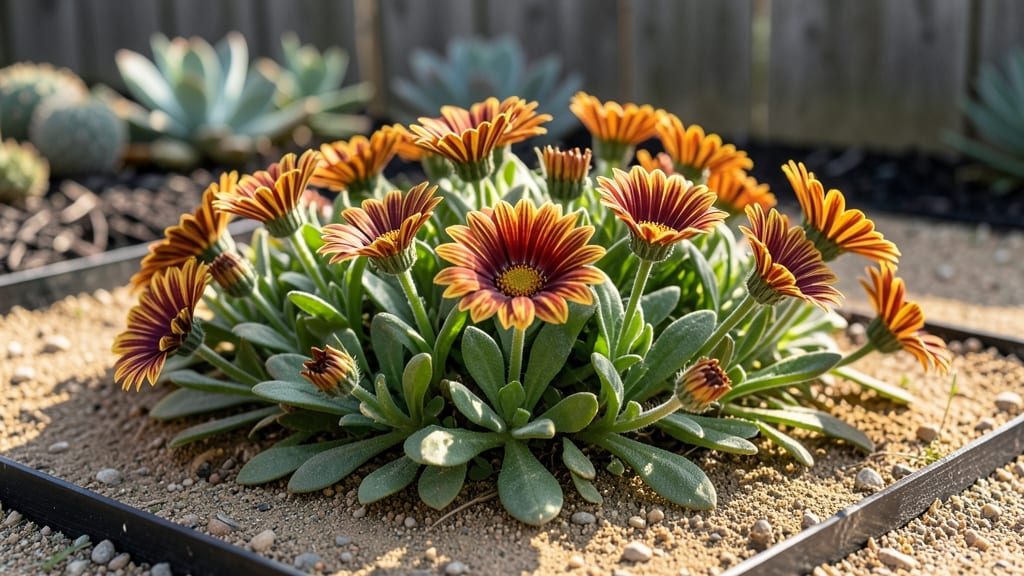
The gazania daisy flower unfurls its vivid petals only when the sun emerges—literally. These drought-proof beauties close tight at night and reopen each morning, creating a living sundial in your garden.
I fell for them after my first summer with these sun-lovers, where they thrived in full sun while other flowers wilted by midday.
The secret to their success is simple: well-draining soil, minimal water, and plenty of sunlight. They handle heat and drought like pros, making them perfect for hot, dry climates or low-maintenance gardeners.
Just plant them in 6-inch-deep holes, space them 12 inches apart, and watch them pop with color from early summer until frost.
You’ll end up with a garden that stays vibrant even when you forget to water. The blooms come in shades of orange, yellow, and red, and they attract butterflies while keeping pests away. Plus, they’re perennial in warm zones—meaning they’ll come back year after year with almost no effort.
Whether you’re filling a sunny border, lining a pathway, or adding color to a container, gazanias deliver long-lasting blooms with almost no fuss. Here’s how to keep them happy season after season.
📚 In This Guide
- What you need
- Instructions
- Tips and common mistakes
- Wrapping up and next steps
What you need
- ● Gazania seeds or seedlings: Choose disease-resistant varieties like Gazania rigens or Gazania linearis. Buy 5–10 seeds or 3–5 seedlings for a vibrant display.
- ● Well-draining potting mix: Use a blend of cactus/succulent mix (50%) and perlite or coarse sand (30–50%) to prevent root rot.
- ● Containers or garden bed: Containers: 6–12" pots with drainage holes (1 plant per 6" diameter). Terracotta or fabric pots work best.
- ● Garden beds: Full-sun spots with loose, rocky soil (amend with compost if needed).
- ● Slow-release fertilizer: A balanced 10-10-10 or low-nitrogen 5-10-10 (1 tbsp per plant or per 1 sq ft).
- ● Basic tools: Trowel, gloves, and a watering can with a rose nozzle (for gentle watering).
- ○ Mulch (optional): Gravel or pebbles (1–2 inches) to retain moisture and deter weeds.
- ○ Plant supports (optional): Small stakes or rings for tall varieties (e.g., Gazania 'Tango') if they flop in windy areas.
- ○ Pruning shears (optional): For deadheading spent blooms and shaping plants.
How to grow Gazania daisy flowers for long-lasting summer color
These sun-loving perennials reward patience with vibrant blooms that stay open all day. Here's how to grow them like a pro.
Choose the Right Location and Prepare the Soil
Gazania daisies demand full sun exposure—at least 6-8 hours of direct sunlight daily. I always pick the sunniest, driest spot in my garden because these plants despise soggy roots. If your soil drains poorly, amend it with 1-2 inches of coarse sand or perlite mixed into the top 6 inches to improve aeration.
Test your soil's moisture retention by digging a 6-inch hole and filling it with water. If it drains completely within 1 hour, your soil is ideal. If not, add more organic matter like composted pine bark to create that perfect gritty, well-draining environment gazanias crave. The key is mimicking their natural habitat in dry, rocky regions.
Plant at the Correct Depth and Spacing
Start with healthy nursery-grown plants rather than seeds for faster results. Dig holes twice as wide as the root ball but only as deep as the container they came in. Gazanias hate being buried too deep, which can cause rot. Gently remove the plant from its container, loosen the roots if they're circling, and place it in the hole so the top of the root ball sits even with soil level.
Space plants 12-18 inches apart in rows, leaving 18-24 inches between rows. This gives them room to spread and prevents overcrowding, which leads to fewer blooms. Water each plant deeply right after planting to help settle the soil around the roots. You'll know you've done it right when the soil surface looks slightly compacted but not rock-hard.
Water Deeply but Infrequently
Gazania daisies are famously drought-tolerant once established, but they need proper watering to get there. Water deeply every 5-7 days during their first 2-3 weeks after planting, soaking the soil to a depth of 6 inches. You can check this by sticking your finger into the soil—it should feel moist but not wet at that depth. Overwatering is the fastest way to kill these plants, so resist the urge to water lightly every day.
After the initial establishment period, reduce watering to every 10-14 days, unless your area experiences extreme heat or prolonged dry spells. The secret to their drought tolerance is developing deep roots. You'll know your plants are thriving when they start sending up new growth from the base and their leaves develop a slightly blue-green hue, indicating water stress they can handle.
Feed and Maintain for Continuous Blooms
Apply a balanced, slow-release fertilizer (10-10-10) at planting time, following package rates. Then, feed again 6 weeks later and once more in mid-summer. Gazanias respond beautifully to light feeding but don't overdo it—too much fertilizer produces lush foliage at the expense of flowers. I always use half the recommended dose for container plants to prevent burning their delicate roots.
Deadhead spent blooms regularly by pinching off the flower heads with your fingers or clean pruners. This encourages continuous flowering throughout the growing season. You'll notice new buds forming at the base of the plant within 7-10 days of deadheading. Also, cut back leggy stems by one-third in early summer to promote bushier, more compact growth and prevent flopping in hot weather.
Prepare for Winter and Extend the Season
Gazania daisies are tender perennials in most climates, so they need winter protection. In fall, when nighttime temperatures drop below 50°F, cut back the plants to 2 inches above the soil. They won't survive freezing temperatures, but you can dig up container plants and store them indoors in a cool, dry place over winter. For in-ground plants, mulch heavily with 2-3 inches of straw to protect the crown from frost.
To extend the blooming season, start new plants 8-10 weeks before your last frost date indoors under grow lights. Transplant them outside after the danger of frost has passed. You'll be rewarded with cheerful blooms that appear almost immediately in warm weather. These plants are perfect for adding color to dry, sunny spots where other flowers would struggle.
Tips & tricks for perfect Gazania daisy flower care
Here's what nobody tells you about growing these sun-loving beauties—details that make all the difference between struggling plants and showstopping blooms.
Sunlight Strategy: While gazanias thrive on 6-8 hours of direct sunlight daily, I've found that morning sun with afternoon shade in extreme heat (above 95°F) actually preserves their vibrant colors longer. The key is watching your plants—if leaves start curling or turning yellow, they're getting too much midday intensity. In Step 1, consider planting near a structure that provides afternoon shade during peak summer months.
Soil Test Hack: The 6-inch hole test in Step 1 is brilliant, but here's the pro move: after filling the hole with water, mark the water level with a stick. If the water disappears completely within 1 hour, your soil drains perfectly. If it's still visible after 2 hours, you definitely need to amend with more sand or perlite. I've seen gardeners skip this test and end up with soggy soil that kills their gazanias within weeks.
Planting Depth Secret: When planting in Step 2, I recommend using a level to ensure the root ball sits exactly even with the surrounding soil. The instructions mention this, but what they don't tell you is that even a slight depression around the base can trap moisture and cause rot. After planting, gently firm the soil around the edges with your fingers to create a slight berm that directs water away from the crown.
Watering Rhythm: The 5-7 day watering schedule in Step 3 works perfectly, but here's my timing tip: always water in the early morning between 6-8 AM. This gives the roots time to absorb moisture before the heat of the day, and prevents fungal issues that can occur with evening watering. You'll notice your plants perk up noticeably by mid-morning after this schedule.
Pro Tips for Gazania Daisy Flower
- Here's what nobody tells you about growing these sun-loving beauties—details that make all the difference between struggling plants and showstopping blooms.
- Sunlight Strategy: While gazanias thrive on 6-8 hours of direct sunlight daily, I've found that morning sun with afternoon shade in extreme heat (above 95°F) actually preserves their vibrant colors longer.
- Soil Test Hack: The 6-inch hole test in Step 1 is brilliant, but here's the pro move: after filling the hole with water, mark the water level with a stick.
Frequently asked questions
Got questions about growing and caring for gazania daisies?
Here are some of the most common queries—plus quick, expert answers to keep your drought-resistant blooms happy and thriving!
How often should I water gazania daisies?
Water gazanias deeply but infrequently—about once a week (or less in extreme heat). Their succulent leaves store moisture, so overwatering causes root rot. Pro tip: Water early in the morning to reduce evaporation and fungal risks.
When is the best time to plant gazania daisies?
Plant gazanias in spring or early summer after the last frost (they’re frost-sensitive!). For year-round blooms in warm climates, plant in fall too. Bonus: They self-seed easily, so you might spot surprises popping up next season!
What pests or diseases should I watch for?
Gazania daisies are tough but can attract aphids, spider mites, or whiteflies. Fix it: Spray with soapy water or neem oil. Avoid wet foliage to prevent fungal issues like powdery mildew—ensure 6+ hours of sunlight daily for airflow.
Can gazanias grow in containers or hanging baskets?
They thrive in well-draining pots (6+ inches deep) with cactus/succulent mix. Key: Add a drainage layer (pebbles or perlite) and use a pot with drainage holes. Perfect for balconies or patios!
Why aren’t my gazanias blooming?
Blooms fade in low light or overcrowding. Revive them by:
- Moving to full sun (6+ hours/day).
- Deadheading spent blooms to encourage new growth.
- Fertilizing lightly with low-nitrogen feed (like 5-10-10) every 4–6 weeks.
Wrapping up and next steps
Gazania daisies are the perfect sun-loving, low-maintenance stars for any garden—especially in hot, dry climates! 🌞 Their vibrant blooms, drought tolerance, and easy care make them a dream for both beginners and seasoned gardeners.
Whether you’re brightening up a container, border, or rocky slope, these cheerful flowers prove that beauty thrives with minimal effort.
Ready to bring a splash of color to your outdoor space? Grab your supplies, follow the tips, and watch your gazania daisies flourish. Next, why not share your progress or ask questions in our gardening community? Let’s grow together! 🌸