
Flowers
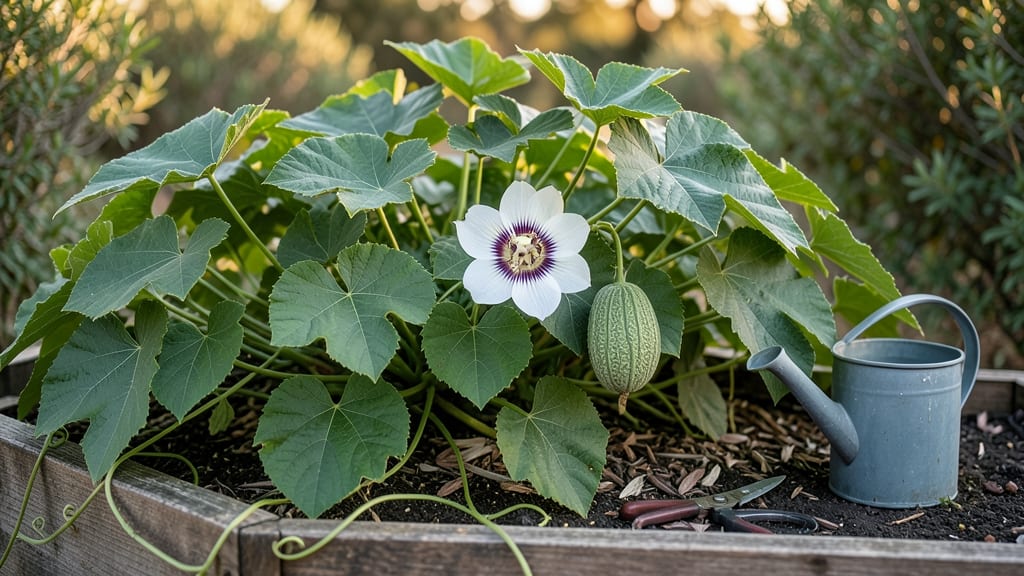
Growing a giant granadilla passion flower feels like cultivating a living treasure—its fragrant blooms and football-sized fruits are worth every effort. 🌿 I learned the hard way that these tropical vines demand patience and precise care, but the payoff is a harvest that rivals any grocery store.
The key starts with mimicking their native rainforest conditions: rich, well-draining soil, 80% humidity, and a sturdy trellis to support their rapid growth.
This isn’t your average houseplant—giant granadillas thrive in USDA zones 10-11 but can be grown in containers and brought indoors during cooler months.
You’ll need a 6-foot trellis or arbor to give those vines room to climb, plus a spot where they’ll get 6+ hours of morning sun (afternoon shade protects the fruit from scorching).
The soil mix should be 60% peat or coconut coir, 30% compost, and 10% perlite to keep roots happy and prevent rot.
By late summer, you’ll see those 3-inch-wide, fragrant blooms appear—each one a precursor to fruit that can weigh up to 2 pounds. The trick to fruit set is hand-pollination (gentle brushes work) and consistent watering—1-2 gallons per week during dry spells.
Prune aggressively in early spring to encourage new growth, and watch as those vines transform your space into a lush tropical escape.
Even in cooler climates, container growing makes this possible—just move your plant indoors before 40°F nights. The biggest challenge? Pests like spider mites and aphids, but a neem oil spray keeps them at bay.
Once established, these vines produce year-round harvests with minimal effort—imagine slicing fresh granadilla into smoothies or desserts straight from your own garden.
📚 In This Guide
- What you need
- Instructions
- Tips and common mistakes
- Wrapping up and next steps
What you need
- ● Seeds or young plants: 1-3 giant granadilla seeds (or a nursery-grown vine, 1-2 feet tall). Pro tip: Seeds take 6-12 months to sprout—opt for a young plant for faster results! 💡
- ● Well-draining potting mix: 5-10 gallons (for containers) or amend garden soil with 50% compost and 30% perlite/sand (to prevent root rot).
- ○ Large containers (optional but recommended): 15-20 gallon pots (if growing in pots) with drainage holes. ✨ Tip: Use fabric grow bags for better aeration!
- ● Support structure: A 6-10 foot trellis, arbor, or sturdy fence (vines can grow 30+ feet!).
- ● Fertilizer: Balanced 10-10-10 or 20-20-20 (organic options like fish emulsion work too!).
- ● Gloves & pruning shears: For handling vines and trimming (sterilize shears with rubbing alcohol!).
- ● pH test kit: Ideal soil pH: 6.0–7.0 (adjust with lime or sulfur if needed).
- ● Drip irrigation or watering can: Keep soil consistently moist but not soggy.
- ○ Mulch (optional): 2–3 inches of straw or wood chips to retain moisture and regulate temperature.
- ● Climate control (if indoors): Access to bright, indirect light (south-facing window or grow lights). 🌡️ Pro tip: These vines thrive in USDA Zones 10–12—use a greenhouse or overwinter indoors in cooler climates!
- ● Cold drafts (below 50°F/10°C can kill the plant!).
- ● Overwatering (root rot is a common killer!).
- ● Heavy, clay soil (amend with organic matter!).
Step-by-step guide to cultivating giant granadilla passion flower vines
Here’s how to grow these tropical powerhouses with lush, productive vines that thrive year-round.
🌱 Step 1: Select and Prepare the Perfect Planting Site
Giant granadilla passion flowers demand warmth, humidity, and strong support—they won’t tolerate frost or cold drafts. Choose a location with at least 6 hours of direct sunlight daily, ideally in a sheltered spot like a greenhouse, sunroom, or a south-facing patio. If growing outdoors in mild climates, plant against a sturdy trellis or fence at least 8 feet tall—these vines can climb 20 feet or more in a single season.
Amend the soil with 3-4 inches of compost to ensure excellent drainage while retaining moisture. Passion flowers hate soggy roots, so avoid low-lying areas where water pools. A slightly acidic to neutral pH (6.0-7.0) works best. If your soil is heavy clay, mix in sand or perlite to improve aeration. Here’s the thing—these vines are heavy feeders, so I always add a balanced organic fertilizer (10-10-10) at planting time to give them a strong start.
☀️ Step 2: Plant and Provide Immediate Support
Dig a hole twice as wide as the root ball but no deeper—planting too low encourages rot. Gently remove the vine from its container and loosen any circling roots with your fingers. Position it so the top of the root ball sits just below soil level, then backfill with native soil mixed with compost. Water deeply to settle the soil and eliminate air pockets.
Install a strong trellis or arbor immediately—these vines grow aggressively and need support from day one. I use metal or wooden lattice panels at least 6 feet tall for young plants, then extend upward as they mature. Secure the vine loosely to the trellis with soft plant ties (never wire, which can damage tender stems). Watch for new shoots to emerge from the base or along the stems; these will quickly wrap around the trellis.
💧 Step 3: Maintain Ideal Growing Conditions Year-Round
Consistent moisture is key—water deeply 2-3 times per week during the growing season, ensuring the top 2 inches of soil stay slightly damp but never waterlogged. In hot climates, you may need daily watering, while cooler months can stretch intervals to once a week. Mulch with 2-3 inches of organic mulch (like wood chips) to retain moisture and regulate soil temperature. Avoid wetting the leaves when watering to prevent fungal diseases like powdery mildew.
Fertilize every 4-6 weeks during active growth with a low-nitrogen, high-phosphorus fertilizer (5-10-10) to encourage flowering and fruiting. I switch to a potassium-rich fertilizer (0-0-5) once buds appear to support fruit development. Real talk: Over-fertilizing with nitrogen will produce lush foliage but fewer flowers and fruits—so skip the high-nitrogen blends. Monitor for pests like aphids or spider mites; a neem oil spray applied weekly during peak growth keeps them in check.
✂️ Step 4: Prune for Health and Productivity
Pruning isn’t just about shaping—it’s about encouraging more flowers and fruits. In early spring, trim back any dead, diseased, or crossing stems to improve airflow. Then, cut back one-third of the oldest, least productive vines to stimulate new growth. This is the moment that matters: New shoots will emerge from the base and along the remaining stems, each capable of producing dozens of flowers and eventual fruits.
Throughout the season, pinch back the tips of new growth to encourage bushier vines with more flowering sites. Remove any spent flowers (deadheading) to redirect the plant’s energy into new blooms and fruit development. If a vine becomes too leggy or overcrowded, prune it back by half its length—it’ll bounce back stronger. Just don’t prune after late summer, as new growth won’t harden off before winter.
🍈 Step 5: Harvest and Extend the Season
Granadilla fruits take 6-8 months to ripen from flower to harvest, so patience is key. You’ll know they’re ready when the skin turns a golden-yellow and the fruit feels slightly soft when gently squeezed. Harvest by twisting gently until the fruit separates cleanly from the vine—never cut with shears, as this can damage the stem. Store unripe fruits at room temperature to ripen fully; once ripe, refrigerate for up to 2 weeks.
To extend the harvest season, protect vines from frost with row covers or move potted plants indoors during cold snaps. In frost-free climates, these vines can produce year-round with consistent care. Save seeds from your best fruits by scooping out the pulp, fermenting it for 3-5 days to break down the gel, then rinsing and drying the seeds. Plant them in spring for next year’s crop—just know germination can be slow, so start them indoors 8-10 weeks before the last frost.
Tips & tricks for thriving giant granadilla passion flower vines
Confession: I skipped proper trellis prep for years and watched my vines flail helplessly. Here’s what actually makes the difference.
Support System: Don’t wait until vines are sprawling to install support—set up your 6-foot trellis or arbor immediately at planting. These vines grow like crazy, and without proper support from day one, they’ll struggle to climb. I’ve seen vines reach 20 feet in a single season, so make sure your structure is at least 8 feet tall and anchored securely. Use soft plant ties (never wire) to secure stems gently as they grow—tight ties can strangle young shoots.
Soil Science: The 3-4 inches of compost mixed into your planting hole isn’t just decoration—it’s the foundation for healthy roots. Passion flowers despise soggy conditions, so if your soil is heavy clay, mix in sand or perlite to improve drainage. Test your soil pH too—aim for 6.0-7.0. I’ve seen vines in alkaline soil struggle to produce flowers, even with perfect care elsewhere.
Watering Wisdom: Those 2-3 waterings per week during growing season need precision. Water deeply each time, ensuring the top 2 inches of soil stay damp but never soggy. The key is consistency—passion flowers hate moisture extremes. In hot climates, you might need daily watering, but always check soil moisture before watering. And here’s the thing: water at the base, never the leaves, to prevent fungal diseases like powdery mildew that can devastate your harvest.
Pruning Payoff: When you cut back one-third of the oldest vines in early spring, you’re not just tidying up—you’re forcing the plant to redirect energy into new, more productive growth. This is when your vines will produce those dozens of flowers per stem. And don’t forget to pinch back new growth tips throughout the season—this encourages bushier vines with more flowering sites. Just remember: no late-summer pruning, or you’ll risk tender new growth not hardening off before winter.
Pro Tips for Giant Granadilla Passion Flower
- Confession: I skipped proper trellis prep for years and watched my vines flail helplessly.
- Support System: Don’t wait until vines are sprawling to install support—set up your 6-foot trellis or arbor immediately at planting.
- Soil Science: The 3-4 inches of compost mixed into your planting hole isn’t just decoration—it’s the foundation for healthy roots.
Frequently asked questions
Got questions about growing your own giant granadilla passion flower? You’re not alone!
Here are answers to the most common queries—from planting to troubleshooting—so you can enjoy these tropical gems with confidence.
How long does it take for a giant granadilla passion flower to bear fruit?
A healthy giant granadilla vine typically takes 2–3 years to produce fruit after planting, assuming it’s grown in ideal tropical or subtropical conditions (warmth, humidity, and full sun). Patience is key—young vines focus on establishing roots and foliage first! Pro tip: Use a trellis early to encourage upward growth and faster fruiting.
Can giant granadilla passion flowers survive cold weather?
Unfortunately, no—these vines are not frost-tolerant and will die back in temperatures below 30°F (-1°C). If you live in a cooler climate, grow them in containers and move them indoors during winter or plant them near a heat source (like a south-facing wall). Alternatively, opt for hardier passionflower varieties like Passiflora edulis (purple passionfruit).
How do I know when giant granadilla fruits are ripe and ready to harvest?
Ripe giant granadillas turn yellow or light green (not the deep green of unripe fruit) and feel soft but firm to the touch—like a slightly overripe melon. The skin may also develop a waxy sheen. Warning: Overripe fruits get mushy and attract pests, so harvest promptly! Cut the fruit from the vine with pruning shears, leaving a small stem.
Why are my giant granadilla leaves turning yellow or dropping?
Yellowing leaves (chlorosis) or premature drop-off usually signal overwatering, nutrient deficiency, or pests. Check these fixes:
- Watering: Ensure soil is well-draining (giant granadillas hate soggy roots). Water deeply but only when the top 2 inches of soil are dry.
- Nutrients: Feed with a balanced fertilizer (10-10-10) every 4–6 weeks during growing season.
- Pests: Inspect for aphids, spider mites, or whiteflies on undersides of leaves. Spray with neem oil or insecticidal soap if needed.
Can I grow giant granadilla passion flowers in containers? What’s the best pot size?
Yes! Containers work well for portable growing or cooler climates. Use a minimum 15–20 gallon pot (bigger is better for established vines) with drainage holes and a mix of potting soil + perlite for aeration. Choose a pot with a trellis or sturdy support—these vines can grow 20+ feet long! Repot every 2–3 years to refresh nutrients.
Wrapping up and next steps
The giant granadilla passion flower is a rewarding tropical treasure—packed with exotic beauty and delicious fruit! With the right care, you’ll enjoy lush vines, fragrant blooms, and bountiful harvests year-round. Whether you’re a seasoned gardener or just starting, this vibrant plant offers endless possibilities for your garden or homestead.
Ready to dive in? Start small—plant a single vine, experiment with training methods, and let your curiosity guide you. Before you know it, you’ll be sharing your giant granadilla harvests with friends (or even turning them into homemade treats!). 🌱✨