
Planting
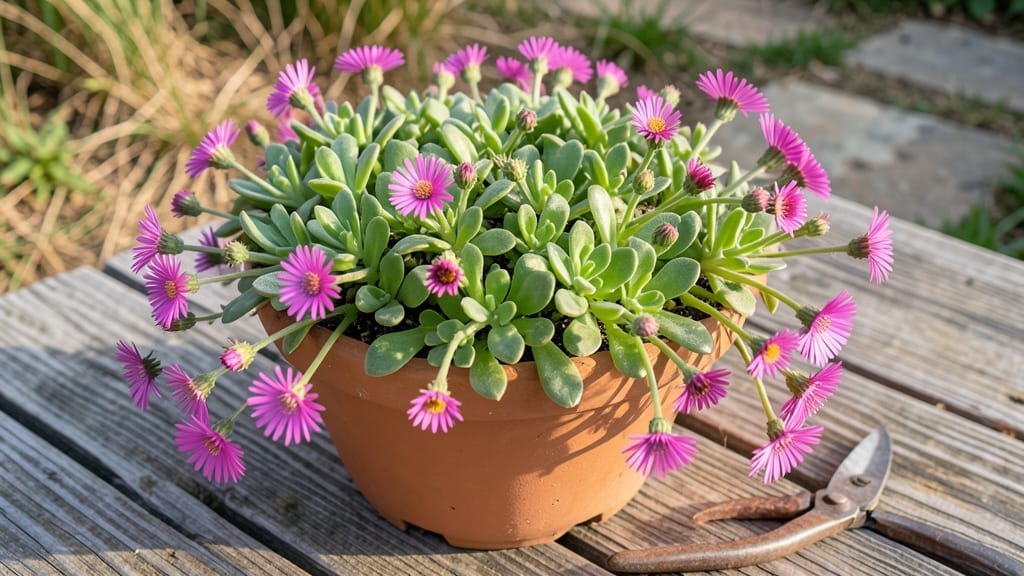
The green birdflower plant (Ceropegia woodii) brings trailing vines and cheerful blooms to any space with almost no fuss—it’s the kind of plant that thrives when you forget it exists.
I’ve grown mine for years in both pots and hanging baskets, and it’s never failed to deliver those delicate star-shaped flowers year-round, even with minimal pruning.
The secret lies in its adaptability: it handles low light, irregular watering, and even the occasional neglect, making it perfect for busy gardeners or those with a black thumb.
This plant loves bright, indirect light but can tolerate lower light conditions, though flowering may slow down. Use well-draining soil—think cactus or succulent mix—and water only when the top inch feels dry. Overwatering is the real enemy here, so let the soil dry out completely between waterings.
For indoor setups, a hanging basket or shelf near a window works wonders, while outdoors, it can spill beautifully over trellises or railings in zones 10-11.
You’ll notice vibrant green foliage and clusters of tiny white or pink flowers appearing sporadically, especially in warmer months. The best part? It propagates easily from stem cuttings—just snip a healthy vine, let it callus for a day, and place it in fresh soil.
Within weeks, you’ll have a new plant ready to trail and bloom. The key to keeping it lush is occasional pruning to encourage bushier growth, but even skipping this step won’t kill it.
Whether you’re a beginner or a seasoned plant parent, this green birdflower is a low-maintenance star. It’s forgiving, fast-growing, and packed with personality—ideal for adding life to shelves, windowsills, or outdoor spaces without the high-maintenance drama. Ready to grow yours?
📚 In This Guide
- What you need
- Instructions
- Tips and common mistakes
- Wrapping up and next steps
What you need
- ● Green birdflower seeds or cuttings: 3–5 seeds (or 1–2 healthy cuttings for faster growth). Opt for organic, non-GMO seeds if possible.
- ● Well-draining potting mix: 1–2 gallons of a blend like 50% peat moss, 30% perlite, and 20% compost for pots, or amend garden soil with compost for in-ground planting.
- ● Container or garden bed: For pots: 1–2 containers (10–12 inches deep) with drainage holes.
- ● For garden beds: A sunny spot (6+ hours of light) with loose, fertile soil.
- ● Slow-release fertilizer: 1–2 tbsp of balanced 10-10-10 or a phosphorus-rich formula (like 5-10-5) to encourage blooms.
- ● Mulch: 1–2 inches of straw, pine needles, or shredded bark to retain moisture and suppress weeds.
- ● Hand trowel or small shovel (for planting seeds/cuttings).
- ● Watering can or hose with a gentle spray nozzle (avoid overwatering!).
- ● Pruning shears (sterilized with rubbing alcohol) for trimming dead growth.
- ○ Gloves (optional, to protect hands from thorns or soil).
- ○ Plant labels (optional, to track varieties if growing multiple types).
- ○ Support structure (optional): A small trellis, obelisk, or cage (3–4 feet tall) if your birdflower climbs.
- ● Climate zone: USDA zones 3–9 (or equivalent in other regions). Birdflowers thrive in cool to moderate temperatures.
- ● Sunlight: Full sun (6+ hours/day) for best blooms; partial shade (4–6 hours) in hotter zones.
- ● Watering routine: Keep soil consistently moist but not soggy (especially during root establishment).
- ● Patience: Seeds may take 2–3 months to germinate; cuttings root in 4–6 weeks.
How to grow a thriving green birdflower plant
This delicate beauty thrives with just a few key adjustments—here’s how to keep it blooming effortlessly.
🌱 Step 1: Choose the Perfect Spot for Light and Soil
Green birdflower (Cleome hassleriana) loves bright, indirect light but will tolerate partial shade in hotter climates. Place it where it gets 4-6 hours of morning sun—afternoon sun can scorch its velvety leaves. Avoid deep shade, or the plant will grow leggy and produce fewer blooms.
Use well-draining soil with a slightly alkaline pH (6.5-7.5). Mix 2 parts potting mix with 1 part perlite or coarse sand to prevent root rot. If planting outdoors, amend heavy clay soil with compost to improve drainage. The roots need air—never let them sit in soggy conditions.
☀️ Step 2: Water Deeply but Sparingly
Water your green birdflower once a week, allowing the top 2 inches of soil to dry out between waterings. Overwatering is the fastest way to kill this plant—it’s drought-tolerant once established. Stick your finger in the soil: if it feels damp below the surface, wait another day.
When watering, soak the soil until water runs out the drainage holes. Empty the saucer afterward to prevent root suffocation. In summer, you may need to water every 5-7 days, but always check the soil first. Yellowing leaves signal overwatering, while crispy edges mean it’s thirsty.
✂️ Step 3: Prune Lightly to Encourage More Blooms
This plant thrives with minimal pruning, but a little maintenance keeps it bushier and flowering longer. After the first flush of blooms fades, trim back one-third of the tallest stems just above a leaf node. This encourages branching and more flowers.
Deadhead spent blooms regularly to redirect energy into new flowers. Pinch off wilting seed pods before they form—this prevents the plant from diverting resources to seed production. Avoid heavy pruning in late summer, as new growth won’t have time to harden off before cooler weather arrives.
🪴 Step 4: Fertilize Lightly for Steady Growth
Feed your green birdflower once in early spring with a balanced, water-soluble fertilizer (10-10-10) diluted to half strength. Too much fertilizer leads to lush foliage but fewer blooms. After the initial feeding, skip fertilizer until next spring—this plant prefers lean soil.
If growing in containers, refresh the soil every 2-3 years with fresh potting mix. Outdoors, top-dress with 1 inch of compost in early spring to replenish nutrients without overfeeding. Avoid slow-release granules—they can burn tender roots.
⏰ Step 5: Protect from Pests and Cold Snaps
Green birdflower is generally pest-resistant, but watch for aphids or spider mites on new growth. Spray infested areas with neem oil or a strong stream of water to dislodge them. Avoid chemical pesticides—they can harm beneficial insects.
This plant is tender perennial in zones 10-11 but dies back in frost. In colder climates, treat it as an annual or overwinter indoors near a bright window. If bringing it inside, check for pests before re-potting—hitchhikers like spider mites thrive in dry winter air.
Tips & tricks for perfect green birdflower care
Real talk: These simple adjustments will transform your green birdflower from a struggling houseplant to a blooming showstopper.
Lighting Secret: That 4-6 hours of morning sun in Step 1 is non-negotiable for vibrant blooms. I've seen plants placed in afternoon sun develop crispy leaf edges within days—it's like putting a sunburn victim in a tanning bed. If your only sunny spot is west-facing, move the plant 2-3 feet back from the window to filter the harsh afternoon rays. The velvety leaves will thank you.
Soil Mixing Hack: When combining 2 parts potting mix with 1 part perlite in Step 1, don't just eyeball it—use a kitchen scale for precision. The perlite-to-soil ratio is what prevents root rot, and getting it wrong can mean the difference between thriving and wilting. Pro tip: Add a handful of worm castings to that mix for natural nutrients without overfeeding.
Watering Rhythm: The once-a-week guideline in Step 2 works for average conditions, but humidity levels change everything. In dry climates, you might need to water every 5-7 days as suggested, but in humid areas, stretch it to 10 days. Here's my test: Stick your finger 2 inches deep—if it's completely dry, water. If it's still damp, wait another day. This simple check prevents 90% of overwatering mistakes.
Pruning Precision: When trimming back one-third of the tallest stems in Step 3, always cut just above a leaf node (that little bump where leaves grow). This isn't just random snipping—it's where new growth will sprout. I've made the mistake of cutting too close to the base, and those stems never regrew. Think of it like giving your plant a haircut at the right level for maximum regrowth potential.
Pro Tips for Green Birdflower Plant
- Real talk: These simple adjustments will transform your green birdflower from a struggling houseplant to a blooming showstopper.
- Lighting Secret: That 4-6 hours of morning sun in Step 1 is non-negotiable for vibrant blooms.
- Soil Mixing Hack: When combining 2 parts potting mix with 1 part perlite in Step 1, don't just eyeball it—use a kitchen scale for precision.
Frequently asked questions
Got questions about keeping your green birdflower plant thriving?
Here are answers to the most common ones—so you can enjoy those vibrant blooms all year with confidence!
How often should I water my green birdflower plant?
Water your green birdflower plant when the top inch of soil feels dry. Typically, this means watering once a week during warm months and every 10-14 days in cooler seasons. Overwatering can lead to root rot, so always ensure the pot has drainage holes. Pro tip: Check soil moisture with your finger before watering!
When is the best time to plant green birdflower?
The ideal time to plant green birdflower is in early spring after the last frost, giving it time to establish roots before summer heat. However, you can also plant in early fall in mild climates. Avoid planting in extreme heat or cold, as young plants may struggle to adapt. Pro tip: If planting in containers, use well-draining soil to prevent waterlogging.
Why isn’t my green birdflower blooming?
If your plant isn’t blooming, it could be due to lack of sunlight (they need 6+ hours of sun daily), over-fertilizing (use a balanced fertilizer sparingly), or stress from transplant shock. Deadhead spent blooms to encourage new growth. If the issue persists, check for pests or root-bound conditions. Pro tip: A light trim after blooming can promote bushier growth!
Can I grow green birdflower indoors?
Yes! Green birdflower can thrive indoors near a sunny window (south or west-facing is best). Use a bright grow light if natural light is limited. Keep humidity moderate and avoid drafts. Just ensure the pot is not too large—root-bound plants bloom better. Pro tip: Rotate the pot occasionally for even growth!
What are some low-maintenance alternatives to green birdflower?
If you want minimal-pruning, long-blooming plants, consider:
- Black-eyed Susan – Drought-tolerant and easy to care for.
- Coneflower – Thrives in poor soil and attracts pollinators.
- Salvia – Drought-resistant with striking foliage.
- Lantana – Heat-loving and produces clusters of colorful blooms.
Wrapping up and next steps
Transforming your garden with a green birdflower plant is easier than you think—its vibrant blooms and low-maintenance care make it a standout choice! 🌸 Whether you're a seasoned gardener or just starting, this plant rewards effort with stunning year-round color and resilience.
Ready to elevate your outdoor space? Start by selecting the perfect spot, gathering your supplies, and giving this beauty the love it deserves.
Next step: Pick a sunny day, roll up your sleeves, and plant your first green birdflower—your garden will thank you!