
Flowers
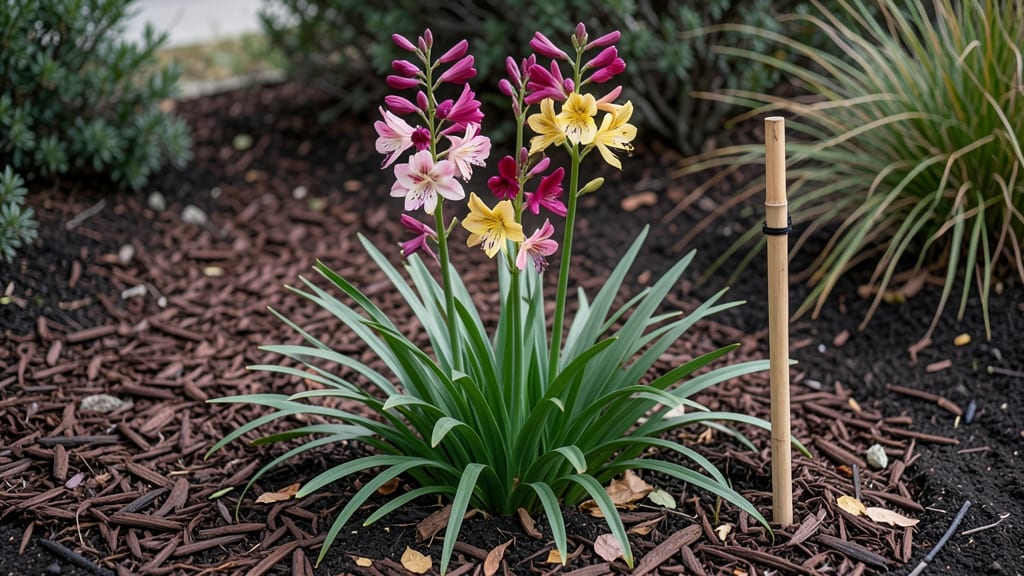
Growing stock flowers is easier than you think—and the secret to their endless blooms lies in a simple pruning routine that keeps them lush from spring to frost. 🌸 I learned the hard way that skipping the pruning calendar means fewer flowers and more leggy stems. stems, but once I mastered the timing, my garden transformed into a sweet-smelling paradise.
The secret lies in three simple cuts at the right moments: after the first flush of blooms, mid-summer to encourage reblooming, and a light trim before winter.
You’ll need sharp pruners, a sunny spot with well-draining soil, and patience—stocks reward consistent care with weeks of continuous blooms in shades of pink, purple, and white. Even beginners can nail this with just a few tools and a basic calendar.
By summer’s end, you’ll have a bushy plant covered in clusters of tiny, fragrant flowers that hummingbirds adore. The scent alone makes it worth the effort—imagine walking past a border that smells like spring all season long.
Pruning isn’t just about shaping; it’s about tricking the plant into blooming again and again.
This method works in zones 3-10, whether you’re growing from seed or transplants, and adapts to containers or garden beds. Let’s get those shears ready—your fragrant garden awaits.
📚 In This Guide
- What you need
- Instructions
- Tips and common mistakes
- Wrapping up and next steps
What you need
- ● Stock flower plants: Choose varieties like Matthiola incana (sweet stock) or Lavatera trimestris (tree mallows). Start with 3–5 healthy plants for a vibrant display.
- ● Pruning shears: Sharp, bypass-style shears (5–7 inches long) to make clean cuts without crushing stems.
- ● Gloves: Lightweight, gardening gloves to protect hands from thorns or sap.
- ● Watering can or hose: A spray nozzle for gentle hydration post-pruning.
- ● Compost or fertilizer: Balanced 10-10-10 or organic options like fish emulsion to replenish nutrients after trimming.
- ● Mulch: 2–3 inches of organic mulch (straw or shredded bark) to retain moisture and suppress weeds.
- ● Pruning saw: For thicker stems (if working with mature plants).
- ● Kneeling pad: For comfort during long pruning sessions.
- ● Plant markers: Label varieties if growing multiple types.
- ● Disinfectant spray: 70% rubbing alcohol to clean shears between cuts and prevent disease.
- ● Dried flower preservation kit: If you want to save blooms for arrangements!
How to prune stock flowers for year-round blooms
Here's the simple system I use to keep my stock flowers blooming nonstop—no guesswork, just consistent results.
🌿 Step 1: Understand the Pruning Zones
Stock flowers grow best when you prune in three key zones: the base, the stems, and the spent blooms. Start by identifying healthy stems with at least 3-4 sets of leaves—these are your growth points. Never cut into bare wood or you'll stunt new growth.
Use clean, sharp pruners to make cuts at a 45-degree angle just above a leaf node. This encourages water to run off instead of pooling at the cut. I always sanitize my pruners with rubbing alcohol between cuts to prevent disease spread—this is non-negotiable for long-term plant health.
✂️ Step 2: First Pruning After Initial Blooms
Once your stock plants finish their first flush of flowers, cut back one-third of the tallest stems to the first set of strong leaves below the blooms. This redirects energy to the remaining stems, producing bushier growth and more flowers. Wait until after the last bloom fades—never prune while flowers are still open or you'll reduce next season's potential.
Here's the thing—stock flowers respond best to pruning in early spring (March) and again in mid-summer (July). These are the two critical times to stimulate new growth. After pruning, give the plant a light feeding with balanced fertilizer (10-10-10) to support recovery.
🌱 Step 3: Mid-Season Maintenance Pruning
Throughout the growing season, remove spent blooms by cutting the stem back to the nearest leaf node. This practice, called deadheading, prevents the plant from setting seed and encourages continuous flowering. I do this every 2-3 days during peak bloom periods—it takes just a few minutes but makes a huge difference.
Watch for stems that grow leggy or weak—they're signaling the plant needs more light. If you notice this, move the plant to a sunnier spot (stock flowers need full sun, 6+ hours daily) and prune those weak stems back by half. You'll see new side shoots emerge within 10-14 days—that's your plant bouncing back.
🌿 Step 4: Fall and Winter Care Pruning
In late fall (November), cut back all stems to 4-6 inches above the base. This prepares the plant for dormancy and prevents disease buildup in old growth. Don't worry—stock flowers are hardy and will regrow vigorously in spring. Mulch around the base with 2-3 inches of organic mulch to protect roots from winter chill.
Real talk: If you live in a cold climate (below 20°F), wrap the base of the plant with burlap or use a cloche to shield it from freezing winds. In milder climates, minimal pruning is needed—just remove any dead or damaged stems in early spring before new growth starts.
⏰ Step 5: Spring Revival Pruning
As soon as you see new green growth in early spring (March-April), it's time for the final pruning of the year. Cut back all stems by half their height to encourage compact, bushy growth. This is when your stock plants will reward you with their most vibrant blooms.
Here's the moment that matters: After pruning, water deeply to help the plant recover. Within 3-4 weeks, you'll see a flurry of new shoots and buds forming. That's your signal that the pruning worked. Keep deadheading throughout the season, and you'll have nonstop color from early spring until frost.
Tips & tricks for perfect stock flower pruning
Stock flowers thrive on precision timing and technique—here's how to get the most vibrant blooms all season long.
Pruning Angle Matters: When you make those 45-degree cuts in Step 1, imagine water running off a roof. This simple technique prevents rot by keeping moisture away from the stem. I use a small mirror to check my angle—it's worth the extra second to get it right. For extra protection, dip your pruners in rubbing alcohol between cuts, especially if you're working with multiple plants. This prevents spreading disease that can ruin your entire garden.
Deadheading Discipline: Those 2-3 days between deadheadings in Step 3 are crucial—it's tempting to skip when you're busy, but consistency is key. I set a phone reminder labeled "Deadhead Stocks" during peak bloom. Look for blooms that are wilting but still attached; these are ready to go. The moment you remove them, new buds will start forming within 7-10 days—it's like magic.
Seasonal Timing Secrets: The early spring (March) and mid-summer (July) prunings in Step 2 are non-negotiable for stock flowers. In my zone 6 garden, I mark these dates on my calendar with bright stickers. If you miss the spring pruning, don't panic—just adjust to mid-summer. The plant will still respond, though you might get a slightly delayed bloom. After pruning, I always give my plants a light feeding with 10-10-10 fertilizer to help them bounce back stronger.
Winter Protection Hacks: For those cold climates below 20°F, I've found that wrapping plants with burlap works better than plastic. The fabric allows some air circulation while blocking harsh winds. In milder areas, I simply remove any dead stems in early spring—no need for heavy-duty protection. The key is to keep the roots insulated with that 2-3 inches of organic mulch mentioned in Step 4, whether you're in a frost zone or not.
Pro Tips for Growing Stock Flowers
- Stock flowers thrive on precision timing and technique—here's how to get the most vibrant blooms all season long.
- Pruning Angle Matters: When you make those 45-degree cuts in Step 1, imagine water running off a roof.
- Deadheading Discipline: Those 2-3 days between deadheadings in Step 3 are crucial—it's tempting to skip when you're busy, but consistency is key.
Frequently asked questions
When is the best time to prune stock flowers for continuous blooms?
Prune stock flowers after they finish blooming but before new buds form—usually late spring or early summer. Deadhead faded blooms regularly to encourage more flowers. For a second flush, prune lightly in mid-summer after the first wave of blooms fades. Avoid heavy pruning in fall to protect winter hardiness.
How much should I cut back stock plants during pruning?
For most varieties, trim back by about one-third of the plant’s height. Use clean, sharp shears to cut just above a leaf node or bud. Avoid cutting into woody stems—focus on soft, green growth. Over-pruning can stress the plant, so err on the side of caution if you’re unsure!
Can I grow stock flowers in containers, and how does pruning differ?
Yes! Stock flowers thrive in containers with well-draining soil. Pruning rules stay the same, but watch for root-bound stress—container plants may need more frequent deadheading to prevent overcrowding. Choose compact varieties like Matthiola incana for smaller pots. Water consistently, as containers dry out faster than garden beds.
Why aren’t my stock flowers blooming after pruning?
Several factors could be at play: over-pruning, poor sunlight (they need 6+ hours/day), or nutrient deficiencies. Check for pests like aphids or whiteflies, which sap energy. Feed with a balanced fertilizer after pruning, and ensure the plant isn’t shaded by taller neighbors. Patience helps—some varieties take 4–6 weeks to rebloom.
What’s a good alternative if I miss the pruning window?
Don’t stress! If you skip pruning, simply deadhead spent blooms to redirect energy to new growth. Stock flowers are forgiving—even if you wait until late summer, they’ll often produce a smaller but still lovely second bloom. For next year, mark your calendar and set a reminder to prune in early summer!
Wrapping up and next steps
Growing stock flowers is all about timing, patience, and a little creativity—and with the right pruning schedule, you’ll enjoy a garden bursting with color all year long! 🌸 Whether you’re a seasoned gardener or just starting, the key is to stay consistent and adapt to your plants’ needs.
Now that you’re armed with a pruning calendar and expert tips, it’s time to roll up your sleeves and get growing!
🌱 Your Next Step: Start Small, Think Big
Begin with one or two stock varieties to master the technique, then expand your collection as you gain confidence. Keep a garden journal to track pruning dates, blooms, and any adjustments—it’ll become your secret weapon for a thriving garden. Happy pruning! 🌟