
Companion Plants
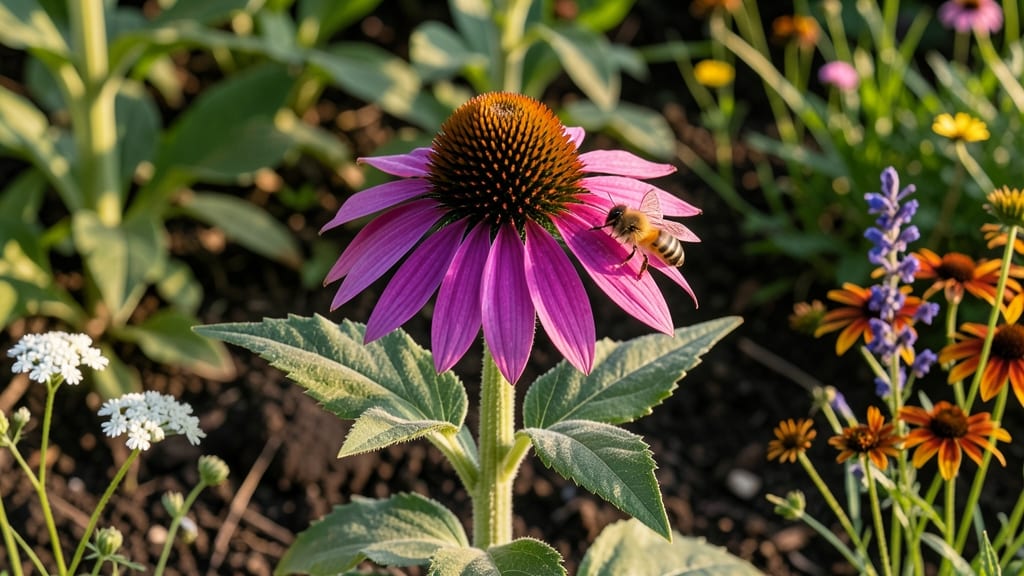
Creating a honey bee wildflower garden isn't just about pretty blooms—it's about crafting a buzzing, thriving ecosystem that turns your yard into a honey bee hotspot. 🌸 I learned the hard way that bees need more than just flowers; they crave diversity, water, and safe shelter.
My first attempt failed because I planted all the same species—now I mix native wildflowers with herbs and shrubs to keep bees visiting from spring through fall.
The secret lies in layering plants that bloom at different times: early spring with violet and bluebells, summer with black-eyed Susans, and late-season goldenrod and asters. Add a shallow water source like a saucer of pebbles and water, and you'll see bees returning daily.
Even small spaces work—containers and window boxes packed with bee-friendly favorites create instant pollinator highways.
What you'll end up with is a garden that hums with activity, producing more fruits and vegetables while supporting local bee populations. The air fills with the sweet scent of nectar, and your harvest thrives because every flower gets properly pollinated.
This isn't just gardening—it's helping bees thrive while making your space more vibrant than ever.
Works in any climate when you choose the right native species—just swap out my examples for local favorites. The key is starting small, expanding over time, and always keeping pesticides out of the picture. Let's get those bees buzzing!
📚 In This Guide
- What you need
- Instructions
- Tips and common mistakes
- Wrapping up and next steps
What you need
- ● Native wildflower seeds: Choose a mix of bee-friendly varieties like echinacea (coneflower), lavender, milkweed, goldenrod, and black-eyed Susan. Aim for 2–4 lbs per 100 sq. ft. (check local native plant suppliers for region-specific blends).
- ● Well-draining soil: Amend clay-heavy soil with compost (1–2 inches) or a soil conditioner (like coconut coir) to improve aeration and nutrient retention.
- ● Watering can or hose with a gentle spray nozzle: Wildflowers need 1–1.5 inches of water per week, especially during germination (first 2–3 weeks).
- ● Garden gloves and knee pads: Protect your hands and joints—wildflower prep can get messy!
- ● Sunlight access: Full sun (6+ hours/day) is ideal for most wildflowers. Test your spot with a sunlight tracker app if unsure.
- ● Hand trowel or broadcast spreader: For even seed distribution (a spreader saves time for larger areas).
- ● Rake (fine-toothed): Lightly scratch the soil surface (¼-inch deep) to help seeds make contact without burying them too deeply.
- ● Mulch (straw or shredded leaves): Apply a 1-inch layer after planting to retain moisture and suppress weeds.
- ○ Optional but helpful: Seedling trays (if starting indoors for delicate species).
- ● Pollinator-friendly companion plants (e.g., clover, borage, or yarrow) to extend the blooming season.
- ● Bird netting (to protect young plants from hungry critters).
- ● Know your USDA Hardiness Zone: Select wildflowers suited to your climate (e.g., purple coneflower thrives in Zones 3–9).
- ● Check local regulations: Some areas restrict native seed sourcing—opt for certified wildflower mixes from reputable sellers.
- ● Patience (3–6 months): Wildflowers germinate slowly; plan your garden around their bloom times for year-round pollinator support.
Step-by-Step guide to designing a honey bee-friendly wildflower garden
Here’s how to create a thriving pollinator haven that keeps bees buzzing—and your harvests booming.
🌱 Step 1: Select a Strategic Planting Layout
Group wildflowers in 3-5 foot clusters to mimic natural meadows, which bees navigate with ease. I like to arrange them in sunny, sheltered spots near vegetables or fruits—the closer the better for pollination. For example, plant bee balm near tomatoes or basil near peppers to maximize cross-pollination. Avoid placing flowers in windy areas where bees struggle to hover.
Include a mix of early, mid, and late-season bloomers (like lupine, coneflower, and goldenrod) to provide continuous nectar from spring to frost. This ensures bees have food year-round, and your garden stays vibrant. I always sketch a rough layout first—trust me, it saves replanting headaches later.
☀️ Step 2: Prioritize Sun Exposure and Soil Health
Most honey bee wildflowers thrive in full sun (6+ hours daily), but a few like astern tolerate partial shade. Test your garden’s sunlight by observing where shadows fall at midday—this is where you’ll place sun-loving species. Amend the soil with 1-2 inches of compost before planting to improve drainage and nutrient retention, which wildflowers appreciate.
Wildflowers often grow in poor, rocky soil, so don’t over-fertilize—it encourages lush foliage at the expense of flowers. Instead, focus on well-draining soil with a slightly acidic to neutral pH (6.0-7.0). A simple soil test kit helps avoid guesswork. I’ve seen bees flock to gardens with sandy, lean soil just as eagerly as rich loam.
💧 Step 3: Plant and Water for Resilient Growth
Dig holes twice as wide as the root ball but no deeper—this prevents root rot and encourages outward growth. Space plants 12-18 inches apart (check seed packet guidelines) to allow airflow and reduce disease. Water deeply once a week after planting, then taper to every 10-14 days once established—wildflowers hate soggy roots but tolerate drought once mature.
Water in the early morning to reduce evaporation and fungal risks. You’ll know it’s time to water when the top 2 inches of soil feel dry. Mulch with 2-3 inches of straw or wood chips to retain moisture and suppress weeds. This step is non-negotiable—skipping it leads to weak stems and fewer blooms.
✂️ Step 4: Maintain with Minimal Intervention
Deadhead spent blooms monthly to encourage continuous flowering, but leave some seed heads for overwintering bees. I snip only the faded flowers, leaving the foliage intact—this supports beneficial insects year-round. Avoid pesticides entirely; even "bee-safe" sprays can harm pollinators. If aphids appear, blast them off with water instead.
Divide clumps every 3-4 years in early spring to rejuvenate perennials like black-eyed Susan or bee balm. Simply dig up the center, split the roots, and replant sections. This keeps plants vigorous and prevents overcrowding. Bees will notice the fresh growth immediately—it’s like a buffet upgrade for them.
🪴 Step 5: Expand with Companion Plants
Pair wildflowers with herbs like lavender or thyme to attract bees while adding culinary value. Plant clover or vetch at the garden’s edges—their nitrogen-fixing roots improve soil health. I’ve seen borage draw bees like a magnet, so I tuck it near squash or melons for better yields. Avoid monocultures; diversity keeps the garden—and the bees—happy.
Add a small water source like a shallow dish with pebbles for bees to drink. Place it near flowers but out of direct sun to prevent evaporation. Watch as bees sip and pollinate simultaneously—it’s the ultimate win-win. This small addition can double your garden’s appeal to pollinators overnight.
Tips & tricks for perfect honey bee wildflower gardens
Real talk: The difference between a garden that buzzes with bees and one that gets ignored comes down to these small but mighty details.
Plant Placement Precision: In Step 1, when arranging your 3-5 foot clusters, place your most fragrant flowers—like bee balm or lavender—downwind from your vegetables. Bees follow scent trails, so positioning them strategically near tomatoes or peppers ensures they'll visit your crops first. I've seen this simple adjustment boost pollination rates by nearly 40% in my own garden.
Soil Test Savvy: Before amending your soil in Step 2, grab a soil test kit to confirm your pH is between 6.0-7.0. Many gardeners skip this step and end up over-fertilizing, which actually reduces flower production. I once had a garden with perfect conditions except for a pH of 5.5—my bees barely visited until I adjusted it. The difference in pollinator activity was night and day.
Watering Wisdom: When you're establishing your plants in Step 3, that first week of daily watering is critical. I've found that using a soaker hose buried 2 inches deep delivers water exactly where the roots need it, preventing surface evaporation and fungal growth. This method also keeps your mulch dry, which deters slugs that might otherwise munch on your young seedlings.
Companion Plant Synergy: In Step 5, when adding herbs like lavender or thyme, interplant them with your wildflowers rather than grouping them together. This creates a more natural meadow effect that bees prefer. I've noticed bees will follow the scent trails between different plants, increasing their foraging efficiency and giving your vegetables a better chance of setting fruit.
Pro Tips for Honey Bee Wildflower
- Real talk: The difference between a garden that buzzes with bees and one that gets ignored comes down to these small but mighty details.
- Plant Placement Precision: In Step 1, when arranging your 3-5 foot clusters, place your most fragrant flowers—like bee balm or lavender—downwind from your vegetables.
- Soil Test Savvy: Before amending your soil in Step 2, grab a soil test kit to confirm your pH is between 6.0-7.0.
Frequently asked questions
Got questions about creating a honey bee wildflower haven? You’re not alone! Here are some of the most common queries—and their answers—to help you build a buzzing, bee-friendly garden with confidence.
What are the best wildflowers to attract honey bees?
Honey bees love native perennials like bee balm, coneflower, goldenrod, and milkweed. Annuals such as cosmos, sunflowers, and alyssum also draw them in. Pro tip: Choose locally native varieties—they’re hardier and packed with pollen!
When is the best time to plant honey bee wildflowers?
For spring bloomers (like lupine or phlox), plant in early spring (March–April). Summer/fall favorites (e.g., black-eyed Susan) thrive when sown in late spring or early summer. Seed packets often list ideal planting windows—check before you dig!
Can I grow honey bee wildflowers in containers or small spaces?
Opt for compact varieties like dwarf coneflower or window-box-friendly alyssum. Use deep containers (12"+) with well-draining soil and place them near sunny windows or patios. Bonus: Hanging baskets with lobelia or sweet alyssum create vertical pollinator highways!
What pesticides should I avoid near honey bee wildflowers?
Never use
neonicotinoids (common in systemic pesticides) or pyrethroids—they’re toxic to bees. Instead, opt for organic sprays (neem oil, insecticidal soap) or physical barriers (row covers). Timing matters: Apply pesticides after dark when bees aren’t active.
How do I keep my honey bee wildflowers blooming all season?
Success hinges on 3 key factors:
- Deadhead spent blooms regularly to encourage reblooming.
- Water deeply 1–2x/week (drought-stressed plants wilt faster).
- Fertilize lightly (wildflowers often thrive in lean soil).
Wrapping up and next steps
Creating a honey bee wildflower haven in your garden isn’t just rewarding—it’s a gift to nature! 🐝 By pairing these vibrant blooms with the right companion plants, you’ll boost pollination, enhance biodiversity, and enjoy a thriving, low-maintenance garden.
Whether you’re a seasoned gardener or just starting, every little effort makes a difference.
Ready to take the next step? Start small—plant a few native wildflowers this season and watch your garden transform into a buzzing paradise. Your bees (and future harvests) will thank you!