
Tools
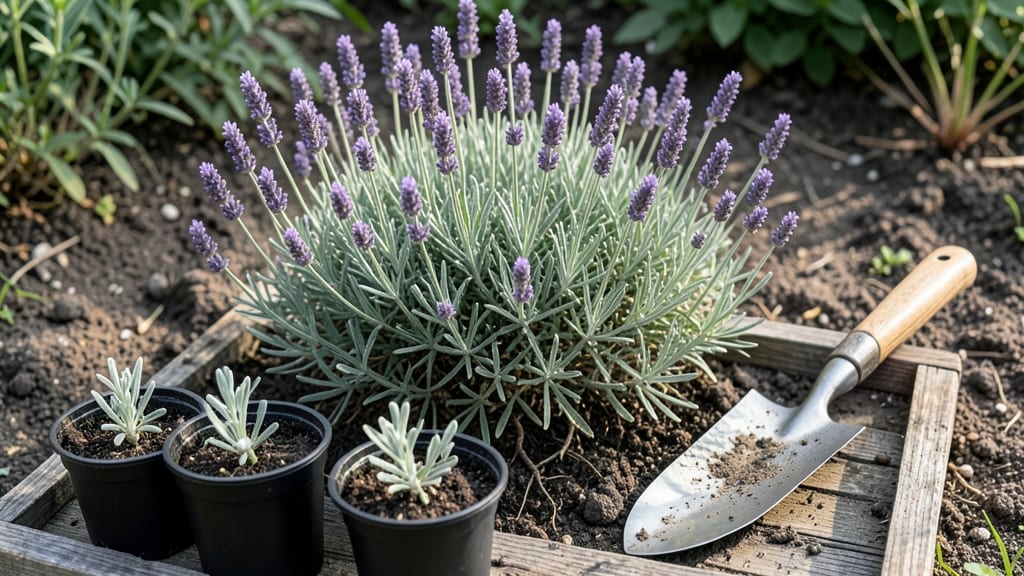
Building a flower garden that blooms from spring through frost starts with a blank space and a few strategic choices about placement, plants, and pruning. I’ve designed gardens that stay vibrant all season by layering perennials with annuals and using the right pruning techniques—no more sad patches in July.
The key is matching sun exposure to plant needs and prepping soil that drains well but holds enough moisture for roots.
You’ll need basic tools—a shovel, rake, gloves, and pruners—but the real magic happens in the planning. Sketch your layout before digging: group tall flowers at the back, medium-height in the middle, and low-growing plants at the front.
My go-to combo for continuous color includes black-eyed Susans (perennial), petunias (annual), and Russian sage (drought-tolerant). These three alone give you blooms from June through October.
What you’ll end up with is a garden that looks intentional, not thrown together. The 4 pruning secrets I use—deadheading spent blooms, cutting back perennials in early spring, thinning crowded stems, and shaping shrubs in late winter—keep everything lush and productive.
Even if you start small, you’ll see color within weeks, and the maintenance stays light once the roots establish.
This approach works for in-ground beds, raised planters, or even containers on a patio. The same principles apply whether you have full sun or partial shade—just adjust the plant list. Let’s get your garden blooming all season long.
📚 In This Guide
- What you need
- Instructions
- Tips and common mistakes
- Wrapping up and next steps
What you need
- ● Flower seeds or plants: Choose perennials (e.g., coneflowers, lavender) and annuals (e.g., marigolds, petunias) based on your climate. Aim for 20–50 plants depending on garden size.
- ● High-quality potting soil: 2–5 bags (1–2 cubic feet each), depending on garden area. Opt for a mix with compost or organic matter.
- ● Mulch: 1–2 bags (2 cubic feet each) of shredded bark or straw to retain moisture and suppress weeds.
- ● Fertilizer: A balanced, slow-release granular fertilizer (10-10-10 or similar) or organic options like composted manure.
- ○ Watering system: A hose with a spray nozzle or a drip irrigation kit (optional but highly recommended).
- ● Garden trowel: For planting small seeds or bulbs.
- ● Hand pruners: Sharp, bypass-pruning shears for trimming.
- ● Garden gloves: A pair to protect your hands from thorns and dirt.
- ● Wheelbarrow or bucket: For hauling soil, mulch, or tools.
- ● Measuring tape or ruler: To space plants correctly (follow seed packet guidelines!).
- ● Knee pads or cushion: Because gardening is hard on the knees! 😉
- ● Garden stakes or trellises: For climbing plants like morning glories or clematis.
- ● Soil pH tester: To ensure your soil is optimal for flowers (aim for 6.0–7.0).
- ● Plant labels: Wooden or metal tags to track varieties.
- ● Bird feeder or bat house: To attract pollinators and deter pests naturally!
- ● Shade cloth: For seedlings or hot climates.
Step-by-Step guide to designing a stunning flower garden
Here's how to create a vibrant, low-maintenance flower garden that blooms from spring through fall.
Assess Your Site and Choose Plant Placement
Start by observing your garden space for at least a full day. Note where sunlight hits hardest and where shadows linger—most flowering plants need at least 6 hours of direct sun daily, though some varieties thrive in partial shade. I always sketch a rough layout, marking sun exposure patterns and existing features like trees, fences, or walkways that might affect airflow or root competition.
Group plants with similar sunlight needs together. For example, sun-loving perennials like coneflowers and black-eyed Susans should go in the brightest spot, while shade-tolerant impatiens or hostas belong near the foundation or under deciduous trees. This prevents leggy growth or weak blooms from plants stretched too far for their light conditions.
Prepare the Soil for Optimal Growth
Test your soil's pH and texture before planting—most flowering plants prefer slightly acidic to neutral soil (6.0-7.0). If your soil is heavy clay or sandy, amend it with 2-3 inches of compost mixed into the top 12 inches of soil. For container planting, use a high-quality potting mix with added perlite or vermiculite to improve drainage.
Loosen the soil to a depth of 12-18 inches using a garden fork or tiller, breaking up compacted layers. This encourages deep root growth, which translates to stronger stems and more abundant blooms. If your soil drains poorly, create raised beds or mounds to prevent waterlogged roots—a common cause of fungal diseases in flowers.
Plant with Seasonal Blooms in Mind
Layer plants by height, with taller varieties like delphiniums or hollyhocks at the back, mid-height perennials like daylilies or salvia in the middle, and low-growing annuals like petunias or pansies at the front. I always include at least 3 types of plants per season to ensure continuous color: early bloomers like crocus or bleeding heart for spring, summer favorites like zinnias or dahlias, and fall/winter interest from chrysanthemums or ornamental grasses.
Space plants according to their mature size—crowding leads to competition for water and nutrients, resulting in smaller flowers. Check the plant tag for spacing recommendations, but as a general rule, allow 18-24 inches between perennials and 6-12 inches between annuals. Mulch with 2-3 inches of organic mulch (like shredded bark) to retain moisture and suppress weeds.
Implement the 4 Pruning Secrets for Longer Blooms
The first secret is deadheading spent blooms—pinch or snip off faded flowers regularly to redirect energy into new growth. For example, cutting back daylilies after they bloom encourages a second flush of flowers later in the season. I always use clean, sharp pruners to avoid damaging stems, and I prune in the morning when plants are hydrated.
Second, cut back leggy growth in early spring to encourage bushier, more compact plants. Third, shape perennials after their first bloom cycle to maintain a neat appearance and prevent flopping. Finally, reduce annuals by half in late summer to stimulate a fall rebloom—this works especially well with zinnias, marigolds, and cosmos.
Maintain Seasonal Care for Year-Round Color
Water deeply 1-2 times per week, aiming for 1 inch of water per session. Early morning is best to reduce evaporation and fungal risks. Fertilize lightly in spring with a balanced, slow-release fertilizer (10-10-10), then again in midsummer. Avoid high-nitrogen feeds, which promote leafy growth at the expense of flowers.
Monitor for pests like aphids or Japanese beetles, and address them early with insecticidal soap or neem oil. Divide overcrowded perennials every 3-4 years in early spring to rejuvenate their vigor. By following these steps, your flower garden will stay vibrant, healthy, and full of blooms from one season to the next.
Tips & tricks for perfect flower garden design
Creating a thriving flower garden takes more than just planting—it's about strategic planning and maintenance. Here are the key insights that'll transform your garden from ordinary to extraordinary.
Sunlight Strategy: The 6 hours of direct sunlight mentioned in Step 1 is non-negotiable for most flowering plants, but don't overlook microclimates. I've seen sun-loving perennials struggle in spots that get only 5 hours because of afternoon shade from nearby structures. Use a simple sunlight tracker app for a week to map your garden's actual light patterns before planting. This precision prevents costly mistakes when your core plants like coneflowers or black-eyed Susans fail to thrive in seemingly sunny spots.
Soil Science: When amending your soil with 2-3 inches of compost as directed in Step 2, think beyond just adding organic matter. I recommend mixing in a handful of bone meal for phosphorus—this boosts root development and flower production. For clay-heavy soils, incorporate coarse sand to improve drainage, while sandy soils benefit from peat moss to retain moisture. The key is creating a balanced texture that mimics loamy garden soil, which supports those strong stems and abundant blooms we all want.
Pruning Precision: The four pruning secrets in Step 4 are game-changers, but timing matters just as much as technique. When deadheading, always remove the entire spent bloom stem down to the next set of leaves or bud—this ensures clean cuts that heal properly. For that late-summer reduction of annuals by half, I've found that cutting back to about 6 inches above the base stimulates the most vigorous fall regrowth in zinnias and cosmos. The morning timing mentioned is critical too—plants are fully hydrated then, making cuts cleaner and reducing stress.
Seasonal Layering: The recommendation for at least three types of plants per season is excellent, but don't stop at just three. I've designed successful gardens with five seasonal layers—think of it like building a floral skyscraper. Add early spring bulbs like daffodils beneath your perennials, then layer in summer annuals at the front. This creates continuous color from February through November, with minimal gaps between blooming cycles. The 18-24 inch spacing between perennials might seem generous, but it's what allows each plant to reach its full potential without competing for resources.
Pro Tips for Build A Flower Garden
- Creating a thriving flower garden takes more than just planting—it's about strategic planning and maintenance.
- Sunlight Strategy: The 6 hours of direct sunlight mentioned in Step 1 is non-negotiable for most flowering plants, but don't overlook microclimates.
- Soil Science: When amending your soil with 2-3 inches of compost as directed in Step 2, think beyond just adding organic matter.
Frequently asked questions
Got questions about building your dream flower garden?
Here are answers to the most common ones—so you can dive in with confidence!
What’s the best time of year to start a flower garden?
For most climates, spring (after the last frost) is ideal—soil warms up, and plants thrive. However, fall (6-8 weeks before first frost) is a close second, giving roots time to establish before winter. If you’re in a mild zone, you can plant year-round! Just check your local frost dates for precision.
How much does it cost to build a flower garden?
Costs vary widely! A small, low-maintenance garden with perennials and annuals might run $50–$200, while a larger, high-end design with hardscaping, rare plants, and irrigation could exceed $1,000+. Prioritize mulch, quality soil, and drought-tolerant plants to save money long-term.
How do I keep pests and diseases out of my flower garden?
Prevention is key! Start with healthy soil (compost + balanced fertilizer), space plants properly for airflow, and remove weeds regularly. For pests, try neem oil or companion planting (e.g., marigolds repel aphids). If issues arise, isolate affected plants and treat with organic solutions like insecticidal soap.
Can I build a flower garden in containers or raised beds?
Absolutely!
Containers and raised beds are perfect for small spaces, poor soil, or urban gardening. Use well-draining potting mix, ensure containers have drainage holes, and choose compact or trailing varieties (like petunias, pansies, or dwarf roses). Just water more frequently—containers dry out faster than ground soil!
What if my garden doesn’t bloom like the pictures?
Don’t worry—it’s often a fixable issue! Check these common culprits:
- Light: Most flowers need 6+ hours of sun daily. Move plants if needed.
- Water: Over- or under-watering stresses plants. Aim for 1 inch/week (adjust for rain).
- Pruning: Deadhead spent blooms and trim leggy growth to encourage new flowers.
- Fertilizer: Use a balanced, slow-release fertilizer (like 10-10-10) mid-season.
Wrapping up and next steps
Building a stunning flower garden is all about planning, patience, and a little creativity—plus the four pruning secrets you’ve just mastered! 🌸 Whether you’re a beginner or a seasoned gardener, the key is to start small, choose the right blooms for your climate, and keep your tools sharp.
Remember, every great garden begins with a single seed (or plant!) and grows with care.
Now that you’re armed with knowledge, take the next step—grab your gloves, pick a sunny spot, and let your green thumb shine! Your future garden is waiting, and the colors of the season will thank you. Happy planting! 🌻