
Flowers
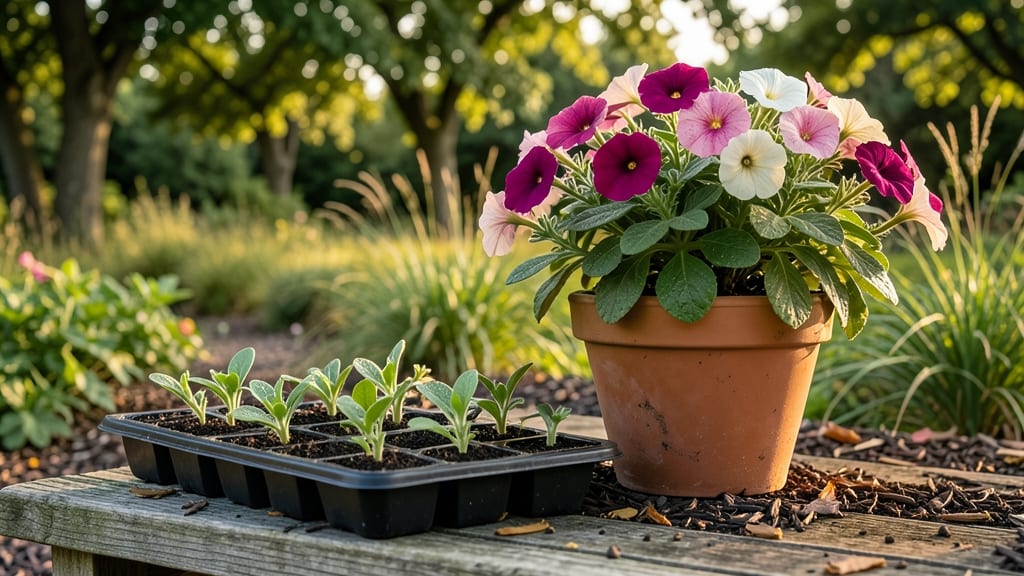
Cultivating flowers isn’t just about sticking seeds in dirt—it’s about unlocking a year-round parade of color that turns your yard into a living masterpiece. 🌸 I’ve spent years perfecting the balance between science and intuition, and the difference between a garden that fades after summer and one that blooms from spring to frost comes down to three things: soil that breathes, pruning that encourages growth, and watering that mimics nature’s rhythm.
The beauty of this method is that it works for every flower type—whether you’re growing roses that climb trellises, sunflowers that reach for the sky, or petunias that spill over containers.
Most beginners overthink it, but the core principles are simple: rich, well-draining soil, 6+ hours of sunlight daily, and pruning at the right moments to keep plants productive. I’ll show you exactly how to avoid the common mistakes that kill blooms before they even start.
By the end, you’ll have a garden that doesn’t just survive the seasons—it thrives through them. Imagine snipping fresh roses in December or harvesting sunflowers in October because you’ve mastered the art of extending their natural cycles.
The secret isn’t complicated; it’s about working with the plants, not against them. Let’s get those blooms going.
We’ll cover everything from soil prep to seasonal pruning schedules, plus troubleshooting tips for when things go wrong (because even the best gardeners have off seasons). This isn’t just theory—it’s the foolproof system I’ve used to keep my garden in bloom for over a decade, no matter the weather.
📚 In This Guide
- What you need
- Instructions
- Tips and common mistakes
- Wrapping up and next steps
What you need
- ● Flower Seeds or Seedlings: Choose disease-resistant varieties suited to your climate (e.g., marigolds, petunias, or roses). Quantity: 10–50 seeds/seedlings per plant type.
- ● Potting Soil or Garden Soil: Well-draining, nutrient-rich mix (e.g., Miracle-Gro Potting Mix or compost-amended garden soil). Quantity: 1–2 bags (5–10 cubic feet) per 10 sq. ft. of garden.
- ● Containers or Garden Beds: Containers: 5–15 gallon pots with drainage holes (for indoor/balcony gardening).
- ● Garden Beds: Raised beds or in-ground plots (6–12 inches deep, 12+ inches wide).
- ● Watering Can or Hose: With a gentle spray nozzle for delicate flowers.
- ● Pruning Shears: Sharp, sterilized shears (e.g., Fiskars Classic Pruners) for trimming.
- ● Fertilizer: Slow-release granular (e.g., Osmocote Smart-Release) or liquid (e.g., Miracle-Gro Bloom Booster). Application: Follow label rates (typically every 4–6 weeks).
- ● Mulch: Organic (e.g., straw or shredded bark) to retain moisture and suppress weeds. Quantity: 2–3 inches thick.
- ● Garden Gloves: Protect your hands from thorns and soil.
- ● pH Test Kit: Ensure soil pH is ideal (most flowers thrive at 6.0–7.0).
- ● Grow Lights: LED lights (e.g., Samsung 10000-Lux) for indoor setups (12–16 hours/day).
- ● Pest Control: Neem oil or insecticidal soap for organic pest management.
- ● Stakes or Trellises: For climbing flowers (e.g., clematis or morning glories).
- ● Weather-Proofing: Frost cloth (for cold climates) or shade cloth (for hot regions).
Step-by-step guide to cultivating flowers using pruning science
Here's how to coax continuous blooms by mastering the art of strategic pruning.
🌱 Step 1: Establish a Pruning Schedule Based on Bloom Cycles
Most flowering plants follow predictable growth patterns where you prune after blooming to encourage new flushes. For spring bloomers like lilacs or magnolias, I wait until after flowers fade completely—usually 4-6 weeks post-bloom—before cutting back to the first set of strong buds. This prevents accidental removal of next year's flower buds, which form on old wood.
For repeat-blooming varieties like roses or hydrangeas, I prune three times a year**: right after spring flush, mid-summer after the first bloom, and a light cleanup in early fall. The key is always cutting above a leaf node at a 45-degree angle—this directs growth energy downward where new stems will emerge.
✂️ Step 2: Deadhead and Shape for Continuous Production
Deadheading—the act of removing spent blooms—is your secret weapon for year-round flowers. I use clean, sharp pruners to snip just above the next set of leaves where new growth will emerge. For annuals like zinnias, this triggers another bloom in 4-6 weeks. For perennials, I deadhead daily during peak season to prevent seed formation, which diverts energy away from new flowers.
Shape your plants by thinning crowded stems—never remove more than 1/3 of the plant's volume at once. I look for stems growing inward or crossing others and cut those back to the main structure. This improves airflow, which prevents fungal diseases that can halt flowering entirely.
☀️ Step 3: Adjust Light and Fertilizer for Bloom Stimulation
Most flowering plants need 6+ hours of direct sun daily to produce blooms, but some like impatiens tolerate partial shade. I test by observing leaf color: if leaves turn pale yellow, they're getting too much sun; if they darken and grow leggy, they need more light. Move plants gradually to avoid shock.
Fertilize with a balanced 10-10-10 formula every 4-6 weeks during growing season, but switch to a low-phosphorus (5-10-5) mix when buds form. Too much phosphorus encourages leafy growth at the expense of flowers. Always water deeply after fertilizing to prevent root burn.
🌿 Step 4: Seasonal Maintenance for Year-Round Success
Fall is when I prepare plants for winter blooming. For tender perennials like cannas, I cut back after first frost to 2 inches above ground, then mulch heavily with 3-4 inches of straw. This protects roots while allowing winter sun to penetrate for early spring growth.
In late winter, I prune back all dead growth and inspect for pests. I've found that sterilizing pruners with rubbing alcohol** between cuts prevents spreading diseases like powdery mildew. For spring bloomers, I mark their location with flags so I don't accidentally prune them too early.
Tips & tricks for perfect flower cultivation
Mastering the art of flower cultivation isn't about luck—it's about understanding the subtle cues your plants give you. Here's what I've learned after years of experimenting with different varieties.
Pruning Precision: When you're cutting back spring bloomers like lilacs after those 4-6 weeks post-bloom, look for the first set of strong buds below the faded flowers. These are your growth signals for next season's blooms. I've ruined lilac bushes by cutting too early—don't make my mistake! For repeat bloomers, those three pruning sessions each year work best when you follow the natural growth cycles, not a calendar.
Deadheading Technique: The secret to continuous blooming lies in your cutting angle. Always snip just above a leaf node at a 45-degree angle—this creates a larger surface area for water absorption and directs growth energy downward. I've seen zinnias produce three successive blooms in one season when deadheaded properly, while neglected plants produced just one flush. For perennials, daily deadheading during peak season prevents seed formation, which saps energy from future blooms.
Light and Fertilizer Balance: That 6+ hours of direct sun requirement is non-negotiable for most flowering plants, but the devil's in the details. I've learned to watch for pale yellow leaves (too much sun) versus dark, leggy growth (not enough). The 10-10-10 fertilizer schedule works wonders during growing season, but switch to low-phosphorus (5-10-5) mix when buds appear—this prevents leafy growth at the expense of flowers. I've had roses produce nothing but leaves when I ignored this switch!
Seasonal Preparation: Fall is your chance to set up next year's success. When you cut back tender perennials like cannas to 2 inches above ground after first frost, that 3-4 inches of straw mulch isn't just decoration—it's insulation that protects roots while allowing winter sun penetration. I've had cannas bloom two weeks earlier than neighbors who skipped this step. And that rubbing alcohol sterilization between cuts? It's the difference between healthy plants and powdery mildew outbreaks.
Pro Tips for Cultivate Flowers
- Mastering the art of flower cultivation isn't about luck—it's about understanding the subtle cues your plants give you.
- Pruning Precision: When you're cutting back spring bloomers like lilacs after those 4-6 weeks post-bloom, look for the first set of strong buds below the faded flowers.
- Deadheading Technique: The secret to continuous blooming lies in your cutting angle.
Frequently asked questions
Got questions about cultivating flowers?
You’re not alone! Here are answers to the most common ones—whether you're a beginner or just looking for a quick tip.
What’s the best time of year to start cultivating flowers?
Most flowers thrive when planted in early spring (after the last frost) or early fall. Perennials often establish roots better in cooler weather, while annuals can handle summer planting if given extra water. Check your USDA Hardiness Zone for local timing!
How often should I water my flowers?
Watering depends on your climate, but a general rule is 1–1.5 inches per week (including rain). Early morning is best to reduce evaporation and fungal risks. Mulch helps retain moisture—just avoid overwatering, which can drown roots!
When and how should I prune flowers for better blooms?
Prune dead or yellowing leaves year-round, but wait until spring for major cuts (after the first flush of blooms). For perennials, trim back by 1/3 to encourage bushier growth. Never prune in fall—it can stunt winter recovery.
What do I do if my flowers get pests or diseases?
Start with prevention: Remove affected leaves, improve airflow, and use neem oil or insecticidal soap for mild infestations. For fungal issues (like powdery mildew), copper fungicide works well. Isolate infected plants to stop spread.
Can I grow flowers in containers if I don’t have a garden?
Choose well-draining pots (at least 12 inches deep) and use lightweight potting mix. Succulents, petunias, and geraniums thrive in containers. Just ensure they get 6+ hours of sunlight daily and water more frequently than ground-planted flowers.
Which flowers are easiest for beginners?
Start with low-maintenance picks like marigolds, zinnias, snapdragons, or sunflowers. They’re hardy, fast-growing, and forgive occasional neglect. Herbs like lavender also double as flowers and repel pests!
Wrapping up and next steps
Cultivating flowers is a rewarding journey that blends science, patience, and a touch of creativity! 🌸 By mastering pruning techniques, choosing the right tools, and understanding seasonal care, you can enjoy vibrant blooms year-round. Remember, every gardener—from beginner to pro—starts with a single cut and a dream.
Ready to turn your green thumb into a masterpiece? Start small: pick one plant this week, apply what you’ve learned, and watch your garden transform! 🌿✨ Happy pruning!