
Flowers
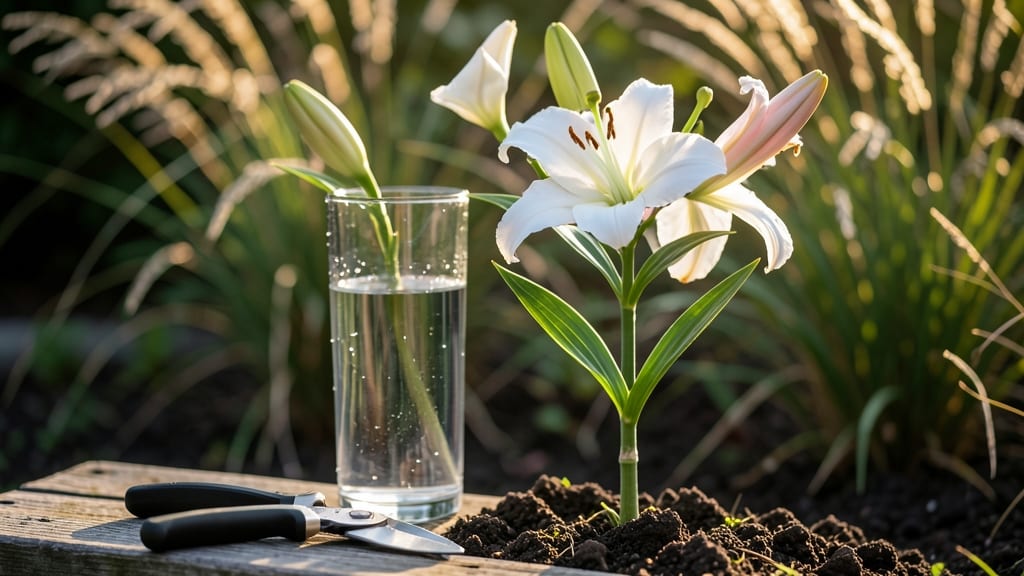
Cutting lily flowers for a vase isn’t just about snipping stems—it’s about preserving their natural beauty while keeping them healthy for days. 🌸 I learned the hard way that a sloppy cut leads to wilting within 48 hours, but the right technique extends vase life to nearly two weeks.
The secret lies in timing, sharp tools, and a few unexpected tricks that most guides skip.
You’ll need a clean, sharp pair of pruners or scissors, a bucket of fresh water with a splash of bleach, and a vase that can hold the stems securely.
Most people overlook the water prep, but adding a drop of bleach prevents bacteria buildup—the number one reason lilies lose their vibrancy fast. Cut stems at a 45-degree angle about 2 inches below the bloom to maximize water absorption, and remove lower leaves that would sit underwater.
What you’ll end up with is stems that stay crisp and blooms that open fully in the vase, not halfway. The scent lingers longer, petals hold their color, and you avoid the sad droop that ruins arrangements.
This method works for Asiatic, Oriental, and Trumpet lilies alike—just adjust the cutting angle slightly for thicker stems. Ready to try it?
Works for both fresh-cut bouquets and garden-to-vase arrangements, even if you’re using lilies from your own yard. The key is consistency: check water levels daily and recut stems every 2-3 days to keep them drinking. No more wilted bouquets after 24 hours!
📚 In This Guide
- What you need
- Instructions
- Tips and common mistakes
- Wrapping up and next steps
What you need
- ● Fresh lily flowers: Choose blooms with firm stems and buds just beginning to open (avoid fully opened lilies—they’ll wilt faster). Aim for 3-5 stems per vase, depending on size.
- ● Sharp floral shears or clean, sharp scissors: Never use kitchen knives—they crush stems and block water flow. A pruning shear (with a 5-7" blade) is ideal.
- ● Vase: Select one 1.5–2 times the height of your lilies (tall, narrow vases work best). Ensure it’s clean (rinse with vinegar or bleach solution if reused).
- ● Fresh, cool water: Use room-temperature or chilled water (not tap water straight from the faucet—let it sit for 30+ minutes to off-gas chlorine).
- ○ Floral preservative (optional but recommended): A commercial mix (like Floralife) or a DIY blend of 1 tsp sugar + 1 tsp white vinegar per quart of water extends vase life by 3–5 days.
- ● Bucket of water: Fill a clean bucket with water and floral preservative to submerge stems immediately after cutting (prevents air bubbles).
- ● Newspaper or towel: Lay one out to catch water drips and protect surfaces.
- ● Rubbing alcohol (70% isopropyl): A small bottle for wiping shears between cuts (keeps them sterile).
- ● Dull tools: Jagged cuts = shorter vase life. Sharpen blades if needed!
- ● Leaving foliage in the water: Trim leaves below the vase line to prevent bacterial growth.
- ● Overcrowding: Too many stems compete for water—stick to 3–5 lilies for optimal freshness.
Step-by-step guide to cutting lily flowers for vase arrangements
Here’s how to harvest lilies without damaging stems for bouquets that last.
✂️ Step 1: Choose the Right Blooms
Pick lilies that are fully open but still vibrant—buds that haven’t opened yet won’t last long in water. Avoid flowers with brown edges or wilting petals, as they’ll shorten your arrangement’s lifespan. I always cut lilies in the early morning when they’re fully hydrated and at their peak freshness.
Check the stems for any signs of damage or disease. Healthy stems should feel firm and snap cleanly when bent slightly. If you find any soft spots or discoloration, trim those sections off immediately with clean scissors. This ensures your vase water stays clean and your flowers last longer.
✂️ Step 2: Make the Perfect Cut
Use sharp, clean floral scissors or pruners to make a clean diagonal cut about 2-3 inches below the flower head. This angled cut increases the surface area for water absorption, which is key for longevity. Never use dull tools—they crush stems and block water uptake.
I like to make the cut just above a leaf node or bud if possible. This encourages new growth if you plan to keep the plant. Hold the stem firmly and cut in one smooth motion to avoid tearing the tissue. If you’re cutting multiple stems, disinfect your scissors with rubbing alcohol between each cut to prevent bacterial spread.
💧 Step 3: Prepare Stems for the Vase
Strip off any lower leaves that would sit below the waterline in your vase. These leaves rot quickly in water and can turn your arrangement murky. Leave only the top 2-3 inches of foliage attached to the stem. This keeps the water clean and the flowers looking fresh.
Place the cut stems immediately in a bucket of lukewarm water for about 30 minutes. This rehydrates the stems after cutting and helps them take up water more efficiently. While they soak, prepare your vase by filling it with room-temperature water and adding a flower food packet if available—this extends vase life significantly.
☀️ Step 4: Arrange for Maximum Longevity
Trim the stems again by about ½ inch once they’re in the vase to create a fresh cut that absorbs water better. Arrange the flowers loosely in the vase—don’t overcrowd them. Overpacking can cause stems to compete for water and shorten their lifespan. Lilies with long stems can be bent slightly to fit without damaging the plant.
Place your arrangement in a spot with bright, indirect light. Direct sunlight can cause petals to fade or wilt faster. A cool room (around 65-70°F) also helps lilies last longer. Check the water level daily and top it off with fresh water to keep stems hydrated.
⏰ Step 5: Maintain Your Bouquet
Change the water every 2-3 days and trim the stems by ½ inch each time to encourage new water uptake. Remove any leaves that fall below the waterline to prevent bacterial growth. If you notice petals wilting or drooping, recut the stems and place them in fresh water immediately.
Here’s the thing—lilies are heavy drinkers. If the water turns cloudy or develops a foul smell, it’s time for a full refresh. A little maintenance goes a long way in keeping your lilies looking fresh for up to 10-14 days. With these steps, your bouquet will stay vibrant and healthy, just like the plant itself.
Tips & tricks for perfect lily flower arrangements
Here's what nobody tells you about keeping your cut lilies looking fresh for days.
The Early Morning Advantage: Cutting lilies in the early morning when they're fully hydrated makes all the difference. The stems are firmest and contain the most water, which means your flowers will stay vibrant longer. I've noticed that lilies cut after midday often wilt faster because their water content has already started to reduce from daytime heat. If you can't cut in the morning, do it in the evening instead.
Diagonal Cut Science: That 2-3 inch diagonal cut isn't just random—it's about physics. The angled cut increases the surface area for water absorption by about 40% compared to a straight cut. Think of it like this: more surface area means more water uptake, which keeps your stems hydrated longer. The angle also helps prevent the stems from sitting flat on the vase bottom, which can block water flow.
Rehydration Secret: The 30-minute lukewarm water soak is non-negotiable for maximum longevity. This step rehydrates the stems after cutting and helps them take up water more efficiently. Pro tip: Add a splash of lemon juice or white vinegar to the rehydration water (about 1 teaspoon per gallon) to help prevent bacterial growth. The acidity creates a slightly hostile environment for bacteria that could shorten your flowers' lifespan.
Lighting Strategy: Bright, indirect light is the sweet spot for keeping lilies fresh. Direct sunlight acts like a magnifying glass, concentrating heat that can cause petals to fade or wilt. I've learned this the hard way—once I left a lily arrangement in direct afternoon sun and watched the petals crisp up in just a few hours. Place your arrangement near an east-facing window or about 3 feet away from a south-facing window for ideal lighting.
Pro Tips for Cut Lily Flowers For Vase
- Here's what nobody tells you about keeping your cut lilies looking fresh for days.
- The Early Morning Advantage: Cutting lilies in the early morning when they're fully hydrated makes all the difference.
- Diagonal Cut Science: That 2-3 inch diagonal cut isn't just random—it's about physics.
Frequently asked questions
Got questions about keeping your lilies fresh and vibrant in a vase? Here are some common queries—and their answers—to help you master the art of cutting and arranging these stunning blooms:
How do I know when lilies are ready to be cut for a vase?
Cut lilies when their buds are just starting to open—about halfway to full bloom. This ensures they’ll continue blooming in your vase for 5–7 days or longer. Avoid cutting fully open flowers, as they’ll wilt faster. Early morning is the best time to harvest for maximum freshness!
Should I cut the stems at an angle, or does it matter?
Yes! Cutting the stems at a 45-degree angle (about 2 inches from the base) increases water absorption and prevents the stems from sitting flat in the vase. Use sharp, clean scissors or pruners to avoid crushing the stem. Pro tip: Recut the stems every 2–3 days to keep them hydrated!
What’s the best water and care routine for cut lilies?
Use lukewarm water (not cold) and add a flower food packet to extend vase life. Change the water every 2–3 days and trim ¼ inch from the stems each time. Keep lilies away from direct sunlight, drafts, and ripening fruits (like apples), which release ethylene gas and speed up wilting.
Can I mix lilies with other flowers in a bouquet?
Yes, but choose compatible flowers—avoid mixing lilies with dahlias, tulips, or alstroemeria, as they may compete for water or release ethylene. Great pairings include roses, snapdragons, or hydrangeas. Just ensure all stems are recut to the same length for even hydration!
Why are my lilies wilting or drooping after cutting?
Wilting often signals bacterial growth or poor hydration. Check for slime or foul smells in the water (a sign of bacteria)—drain and refill the vase immediately. If stems are soft or mushy, they may be rotting; trim above the damaged area. Also, ensure the vase is clean and the stems aren’t blocked by leaves submerged in water.
Wrapping up and next steps
Now that you’ve mastered the art of cutting lilies for your vase, you’re ready to bring their stunning beauty into your home for days to come! 🌸 With the right tools, timing, and care, your blooms will stay fresh and vibrant—making every room feel like a garden oasis. Next up: Experiment with different vase styles, water treatments, or even mix lilies with complementary flowers to create show-stopping arrangements.
Happy arranging! 💐