
Picking
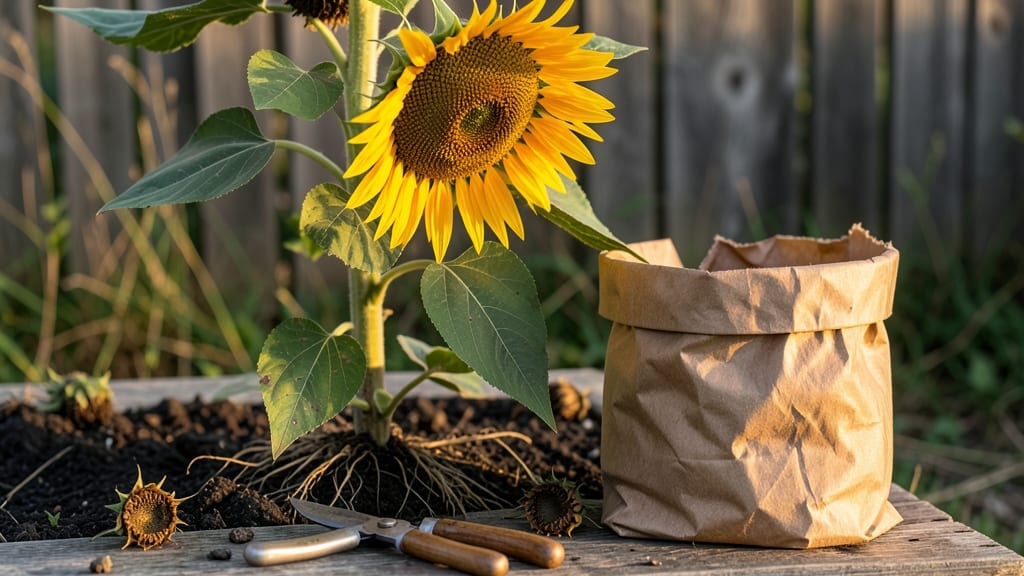
Learn how to harvest and roast sunflower seeds by timing it just right—wait until the back of the flower head turns yellow and the petals drop (usually 80-100 days after planting)—then cut the stems and... hanging them upside down to dry.
Once dry, the seeds pop out easily when you rub the head between your hands or use a clean towel. For roasting, spread them on a baking sheet at 300°F for 10-15 minutes, stirring every few minutes until golden and fragrant.
The crunchy results taste like summer in every bite, and you’ll have enough for snacks or bird feeders.
Store extra seeds in airtight containers in a cool, dark place—they’ll stay fresh for months. You can even replant some for next year’s crop, turning your harvest into a full-circle gardening experience. Here’s how to do it all without wasting a single seed.
This method works for both giant sunflowers and compact varieties, and the roasting time adjusts slightly based on your oven. Let’s get those seeds from garden to snack in record time!
📚 In This Guide
- What you need
- Instructions
- Tips and common mistakes
- Wrapping up and next steps
What you need
- ● Sunflower seeds: Freshly harvested (from sunflowers) or store-bought raw seeds (unsalted, unroasted). Aim for 1–2 cups for a standard batch.
- ● Oven or stovetop: For roasting. If using an oven, ensure it has a broiler or bake function (350°F/175°C is ideal). For stovetop, a large skillet or heavy-bottomed pan works best.
- ● Baking sheet or roasting pan: A rimmed sheet (18x13 inches) lined with parchment paper or a lightly oiled pan to prevent sticking.
- ● Mixing bowl: A medium-sized bowl (2–3 quarts) for tossing seeds with oil and seasonings.
- ● Cooking oil: 2–3 tablespoons of neutral oil (like vegetable, canola, or avocado oil) or melted butter for flavor.
- ● Seasonings (pick your favorites!): Salt: Coarse sea salt or kosher salt (start with ½–1 teaspoon; adjust to taste).
- ● Spices: Smoked paprika, garlic powder, onion powder, cayenne, or cinnamon (½–1 teaspoon total).
- ● Herbs: Dried thyme, rosemary, or oregano (½ teaspoon).
- ● Tongs or spatula: A heat-resistant utensil for stirring and transferring seeds.
- ● Cooling rack or clean plate: To let seeds cool and crisp up.
- ● Air-tight container: For storing your roasted seeds (e.g., a mason jar or resealable bag).
- ● Glove or towel: To protect your hands from hot pans or seeds.
- ● Fine-mesh strainer: If you want to remove hulls from shelled seeds before roasting.
- ○ Food processor or mortar & pestle: To lightly crush seeds for a crunchier texture (optional but fun!).
- ● Sweet or savory add-ins: Honey or maple syrup (1 teaspoon) for a sweet glaze.
- ● Parmesan cheese or nutritional yeast (1 tablespoon) for umami.
- ● Thermometer: A candy or instant-read thermometer to monitor oil temperature (if deep-frying).
How to harvest and roast sunflower seeds for maximum flavor
Here's the simple, foolproof method I've used for years to turn sunflower heads into delicious, crunchy treats.
🌿 Step 1: Select and Harvest Mature Sunflower Heads
Pick sunflower heads when the back of the petals turns yellow and the seeds feel plump inside. Run your thumbnail over a seed—if it doesn't dent easily, it's not ready. On a dry day, cut the entire head with 4-6 inches of stem attached using sharp shears or pruners. This stem helps you hold the head while removing seeds later.
Hang the heads upside down in a warm, dry place for 1-2 weeks until the seed cases turn brown and dry. You'll know they're ready when a seed easily pops out when squeezed gently. Avoid harvesting in damp weather—the extra moisture makes seeds prone to mold during roasting.
🪴 Step 2: Remove Seeds and Prepare for Roasting
Place the dried sunflower head on a clean towel or cutting board. Hold the stem firmly and rub the head against the towel's fibers to dislodge seeds. For stubborn seeds, use a butter knife to gently pry them out from the center. Discard any seeds with black spots or damaged shells—they won't roast well.
Spread the seeds on a baking sheet in a single layer. Let them sit uncovered for 30 minutes to air-dry completely. This prevents excess moisture from creating steam during roasting, which can make seeds tough. While they dry, preheat your oven to 300°F—this low temperature ensures even roasting without burning.
☀️ Step 3: Roast Seeds to Perfection
Spread the dried seeds evenly on the baking sheet, leaving ½ inch between each one. This prevents clumping and ensures even browning. Place the sheet on the middle rack of your oven and roast for 15-20 minutes, stirring every 5 minutes to prevent scorching. You'll know they're done when they smell nutty and turn a golden brown color.
Watch closely after 15 minutes—seeds burn quickly once they reach this stage. Remove them immediately if they darken too much. Let them cool completely on the sheet before storing, as warm seeds release moisture and become soft again.
✂️ Step 4: Store and Enjoy Your Crunchy Snacks
Transfer cooled seeds to an airtight container. They'll keep for 2-3 weeks at room temperature if stored properly. For longer storage, refrigerate them in a sealed container for up to 3 months. The flavor improves slightly over time as oils develop, but they're best enjoyed fresh from the oven.
For extra flavor, toss the warm seeds with a pinch of salt, smoked paprika, or cinnamon while they're still hot. You can also sprinkle them with melted butter and let it cool before storing. These seasonings pair perfectly with the natural nuttiness of the seeds and make them irresistible for snacking or adding to salads and baked goods.
Tips & tricks for perfect sunflower seed roasting
Real talk: turning sunflower seeds into crispy snacks is easier than you think—once you know these game-changing details.
Timing Secret: In Step 1, those 1-2 weeks of drying are non-negotiable. I learned this the hard way after roasting seeds that were still slightly damp—they turned out greasy instead of crispy. If you're short on time, place heads in a 200°F oven for 2-3 hours to speed up drying, but keep an eye on them to avoid over-drying.
Seed Selection Tip: When removing seeds in Step 2, focus on the plumpest ones—they'll yield the most flavorful roasted treats. Discard any seeds that feel hollow or have dark spots, as these won't crisp properly. A quick test: press a seed between your fingers—it should give slightly but not crumble.
Roasting Technique: During the 15-20 minute roast in Step 3, the seeds are ready when they smell nutty and pull away from the baking sheet easily. If you're unsure, remove one seed and let it cool—if it's golden brown and firm, they're done. Over-roasting happens fast, so set a timer and check frequently after the 15-minute mark.
Storage Wisdom: After cooling completely, store your roasted seeds in an airtight container away from light. The 2-3 week shelf life assumes they're kept in a cool, dark place—like a pantry. If you notice any seeds losing their crunch after a week, toss them and roast a fresh batch. The flavor actually peaks around 3-5 days after roasting when the oils fully develop.
Pro Tips for Harvest And Roast Sunflower Seeds
- Real talk: turning sunflower seeds into crispy snacks is easier than you think—once you know these game-changing details.
- Timing Secret: In Step 1, those 1-2 weeks of drying are non-negotiable.
- Seed Selection Tip: When removing seeds in Step 2, focus on the plumpest ones—they'll yield the most flavorful roasted treats.
Frequently asked questions
Got questions about harvesting and roasting sunflower seeds?
You’re not alone! Here are answers to the most common queries to help you nail that perfect crunch every time.
When is the best time to harvest sunflower seeds?
Harvest when the back of the seed head turns yellow and the petals droop—usually 100–120 days after planting. If you wait too long, birds may snack first! Pro tip: Pick on a dry day to avoid moldy seeds.
How long should I roast sunflower seeds for the best flavor?
Aim for 12–15 minutes at 300–325°F (150–163°C) for crispy, nutty seeds. Over-roasting burns them (), while under-roasting leaves them raw. Stir every 3–4 minutes to prevent sticking!
Can I roast sunflower seeds without oil?
Yes! Toss seeds in 1–2 teaspoons of oil per cup (avocado or olive work well) for even browning. Skip oil for a lighter snack, but expect less flavor. Alternative: Use a dry roast (250°F/120°C for 20 mins) for a subtler taste.
How do I keep birds from eating my sunflower seeds before I harvest?
Cover seed heads with mesh bags or netting when they’re 80% mature. Alternatively, harvest early in the morning when birds are less active. Bonus: Plant sunflowers in clusters—they’re less appealing when grouped tightly!
Why did my roasted seeds turn bitter or burnt?
Bitterness = over-roasting! Check your oven temp (use a thermometer) and reduce heat to 300°F (150°C). Burnt seeds? Next time, roast in batches and stir frequently. Fix: Toss underdone seeds back in for 5 more minutes.
Wrapping up and next steps
Harvesting and roasting sunflower seeds is easier—and more rewarding—than you might think! With just a few simple steps, you can turn fresh sunflower heads into a crunchy, flavorful snack that’s healthier than store-bought alternatives.
Whether you’re a gardener with a bountiful harvest or a beginner eager to try something new, this process is your ticket to homemade treats that taste unbeatable.
Now that you’ve got the know-how, why not take it further? Experiment with spices, try making sunflower seed butter, or even share your new skill with friends. The possibilities are endless—so grab those seeds and get roasting! 🌻✨