
Shrubs
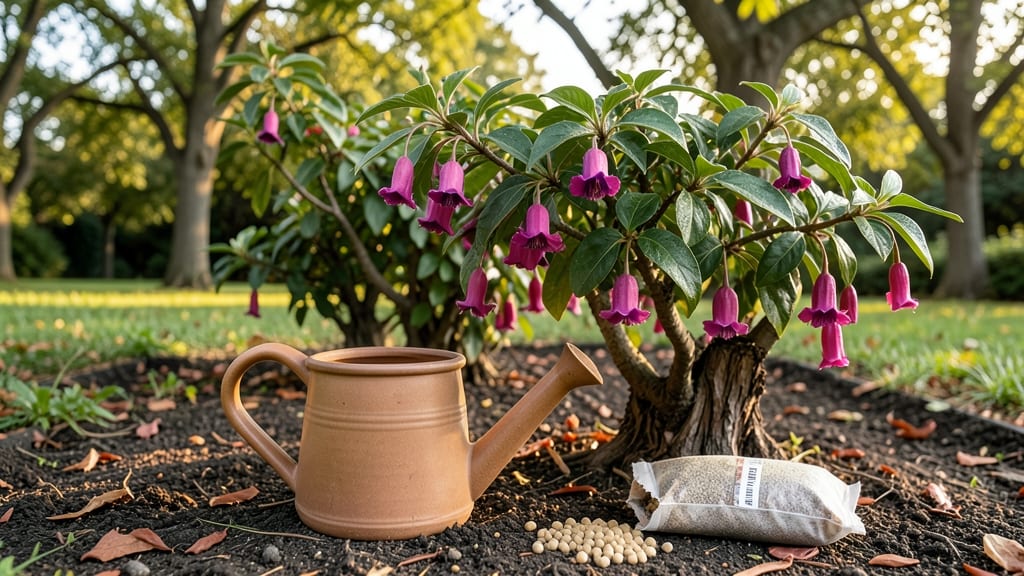
Your fuchsias are begging for more blooms—but they’re not telling you how. 🌸 The secret to keeping fuchsias flowering isn’t just about water or sun; it’s about timing those pruning cuts like a pro.
I’ve turned my once-sparse bushes into nonstop bloomers with just three simple tricks, and they’ve been flowering since last October.
Most gardeners prune too late or too hard, sending fuchsias into shock. The real magic happens in early spring and midsummer, when you snip just above a leaf node (not the stem!) to encourage fresh growth.
Overcrowded stems? Thin them out—more air means more flowers. And skip the heavy fertilizer; fuchsias bloom best when slightly hungry.
By mid-fall, you’ll see new buds forming where you made those cuts. The flowers stay vibrant longer, and with a little winter protection (like a frost cloth), they’ll keep blooming well into December. No more sad, bare stems—just lush, flowering plants that steal the show.
Works for both trailing and upright varieties, in pots or garden beds. The key is consistency—prune, feed lightly, and protect from cold snaps. Ready to transform those leggy stems into a floral explosion?
📚 In This Guide
- What you need
- Instructions
- Tips and common mistakes
- Wrapping up and next steps
What you need
- ● Fuchsia plants: Healthy, established varieties (e.g., Fuchsia magellanica, Fuchsia hybrida). Start with 3–5 plants for optimal airflow and blooms.
- ● Well-draining potting mix: 10–15 gallons (for containers) or blend organic compost (50%) with perlite/vermiculite (30%) and coconut coir (20%).
- ● Balanced fertilizer: 10-10-10 or 20-20-20 (organic or synthetic), 1–2 tbsp per gallon of water. Bonus: Use a high-phosphorus bloom booster (e.g., 5-10-5) every 4–6 weeks.
- ● Pruning shears: Sharp, clean bypass pruners (sterilize with rubbing alcohol between cuts).
- ● Watering can or hose: With a gentle spray nozzle (fuchsias hate soggy roots!).
- ● Mulch: 1–2 inches of organic mulch (e.g., shredded bark or straw) to retain moisture and regulate soil temp.
- ● Sunlight: Partial shade (4–6 hours of morning sun; protect from harsh afternoon rays, especially in hot climates).
- ● Temperature: Ideal range: 60–75°F (50–80°F for hardy varieties). Avoid frost (90°F).
- ● Humidity: 50–70%. Use a humidity tray or pebble tray if air is dry (common indoors).
- ● Container size: At least 12–14 inches in diameter (for dwarf varieties) or 18+ inches (for trailing types).
- ● Growth regulator: Paclobutrazol (e.g., B-Nine) to slow leggy growth and encourage bushiness (follow label rates).
- ● Epsom salt: 1 tbsp per gallon of water monthly for magnesium boost (prevents yellowing leaves).
- ● Cage or trellis: For trailing varieties (e.g., Fuchsia ‘Giantess’), use a 12–18" tall support.
- ● Soil pH tester: Aim for 5.5–6.5 (slightly acidic). Adjust with sulfur (to lower pH) or lime (to raise).
- ● Automatic mister: For indoor fuchsias in dry climates (spray lightly 2–3x daily).
Step-by-Step instructions for encouraging fuchsia blooms
These pruning tricks will transform your fuchsia into a nonstop flowering powerhouse.
🌱 Step 1: Prune for Airflow and Light Penetration
Fuchsias bloom best when they get plenty of fresh air and light. Start by removing any dead or yellowing leaves—just pinch them off at the base. You'll notice the stems are often crowded, so focus on cutting back any branches that are growing inward or crossing each other.
Use clean, sharp scissors to make your cuts just above a leaf node or bud. This encourages new growth from that spot. Here's the thing—don't be afraid to cut back up to a third of the plant if it's leggy. You'll see fresh, vibrant growth within weeks, and those new stems will produce more flowers.
After pruning, give your fuchsia a good shake to help the branches settle into their new shape. This also lets you spot any hidden pests before they become a problem. Real talk: If you skip this step, your plant might look full but still produce fewer blooms because of poor air circulation.
✂️ Step 2: Pinch Back New Growth Regularly
Once your fuchsia starts showing new growth after the first prune, it's time to pinch back the tips of the new stems. This might seem counterintuitive—why cut off fresh growth?—but it forces the plant to branch out instead of growing tall and leggy. Pinch just above a set of leaves where you want the new branch to form.
I like to do this every 4-6 weeks during the growing season. You'll see the plant fill out more quickly, and those side branches are where the most flowers appear. If you wait too long between pinches, the stems will get too long and woody, and the blooms will be sparse.
Watch for the point where the stem starts to harden—this is your cue to pinch again. Soft, flexible growth is the best time to encourage branching. And don't worry if it looks a little messy at first; fuchsias bounce back beautifully with regular pinching.
☀️ Step 3: Adjust Light and Fertilizer for Continuous Blooms
Fuchsias love bright, indirect light—think morning sun or filtered afternoon light. If your plant starts producing fewer flowers, it might be getting too much direct sun, which can cause the buds to drop. Move it to a spot where it gets gentle light for most of the day.
Here's the trick: Feed your fuchsia with a balanced, water-soluble fertilizer every 2-3 weeks during the growing season. Look for one with equal parts nitrogen, phosphorus, and potassium (like a 10-10-10 mix). You'll notice the difference in just a few feedings—more vibrant leaves and a surge of new flowers.
Don't overdo it, though. Too much fertilizer can lead to lush foliage but fewer blooms. Always water the plant first before applying fertilizer to avoid burning the roots. And if you're growing your fuchsia indoors, a little extra humidity (like a pebble tray with water) will keep it thriving.
Tips & tricks for year-round fuchsia blooms
Here's what nobody tells you about keeping your fuchsias flowering like clockwork.
Pruning Precision: When you're cutting back in Step 1, focus on removing branches that are growing toward the center of the plant—these compete for light and resources. I've found that cutting just above a leaf node (where leaves meet the stem) encourages stronger growth from that exact spot. Use clean scissors to avoid damaging the plant, and always make cuts at a 45-degree angle to prevent water from pooling. This simple technique prevents disease while promoting healthier regrowth.
Pinching Timing: The 4-6 week interval for pinching in Step 2 is your best friend for bushy growth. I've learned this the hard way—waiting longer than 6 weeks lets stems get too woody, and you lose that delicate flowering potential. Here's my trick: Set a reminder on your phone for every 5 weeks to stay consistent. You'll notice new buds forming within 2-3 weeks after each pinch, especially if you do it right after a rain when the plant is already hydrated.
Light and Fertilizer Balance: In Step 3, that bright indirect light is non-negotiable. I've had to move my fuchsias twice after noticing buds dropping—once from too much direct afternoon sun and once from a spot that was too dim. For fertilizer, I've found that diluting my 10-10-10 mix to half-strength prevents any risk of burning while still giving that bloom boost. Always water first to help distribute the nutrients evenly through the soil.
Pro Tips for Keep Fuchsia Flowering
- Here's what nobody tells you about keeping your fuchsias flowering like clockwork.
- Pruning Precision: When you're cutting back in Step 1, focus on removing branches that are growing toward the center of the plant—these compete for light and resources.
- Pinching Timing: The 4-6 week interval for pinching in Step 2 is your best friend for bushy growth.
Frequently asked questions
about keeping fuchsias blooming—because even the most experienced gardeners hit snags! Here’s what you’ve been wondering:Why isn’t my fuchsia flowering, even after pruning?
Fuchsias need a balance of light, nutrients, and stress (like slight root restriction) to trigger blooms. Check for these common culprits: overwatering (root rot stifles growth), low light (move to a brighter spot but avoid scorching sun), or lack of fertilizer (use a balanced 10-10-10 or bloom-specific feed every 4-6 weeks). If your plant is leggy, it’s prioritizing foliage over flowers—prune again and boost light!
Can I force fuchsias to bloom year-round, or should I let them rest?
While possible, fuchsias thrive with a short rest period (4-6 weeks of cooler temps or reduced water) in late fall/winter to reset their energy. For indoor blooms, mimic seasons: reduce water in winter, then resume care in spring. Outdoors? Let them go dormant naturally—it ensures bigger, healthier blooms next season. Think of it like a spa day for your plant!
What’s the best temperature range for continuous fuchsia blooms?
Fuchsias love moderate temps: 60–75°F (15–24°C) is ideal. Below 50°F (10°C), growth slows, and blooms may drop. Above 80°F (27°C), they can get heat-stressed. For indoor plants, avoid drafts (like AC vents) or radiators. A cool greenhouse or shaded patio works best outdoors in hot climates. Pro tip: Mist leaves in dry heat to prevent bud drop!
Should I deadhead fuchsias, and how often?
Yes! Deadheading (removing spent blooms) encourages new flower production and keeps your plant tidy. Snip off faded flowers just above a leaf node with clean pruners. Do this weekly during peak bloom (spring-fall). For trailing varieties, focus on the bottom stems first to shape growth. Bonus: This also prevents seed pods from forming, which saps energy!
What can I do if my fuchsia’s leaves turn yellow or drop?
Yellow leaves usually signal overwatering or poor drainage. Let the top inch of soil dry out between waterings, and ensure pots have drainage holes. Other causes:
- Underwatering: Crispy edges? Water deeply until it drains.
- Nutrient deficiency: Feed with a balanced fertilizer or compost tea.
- Pests: Check for aphids or spider mites (spray with neem oil if found).
- Transplant shock: If recently repotted, keep it in indirect light for a week.
Wrapping up and next steps
Keeping your fuchsias blooming beautifully is all about timing, technique, and a little love—whether through strategic pruning, smart feeding, or protecting them from harsh elements. With the right care, you’ll enjoy year-round color and even share your thriving plants with fellow gardeners! 🌸
Ready to take the next step? Pick one pruning trick from this guide and try it this season—your fuchsias will thank you with nonstop blooms. Happy gardening!