
Aphids
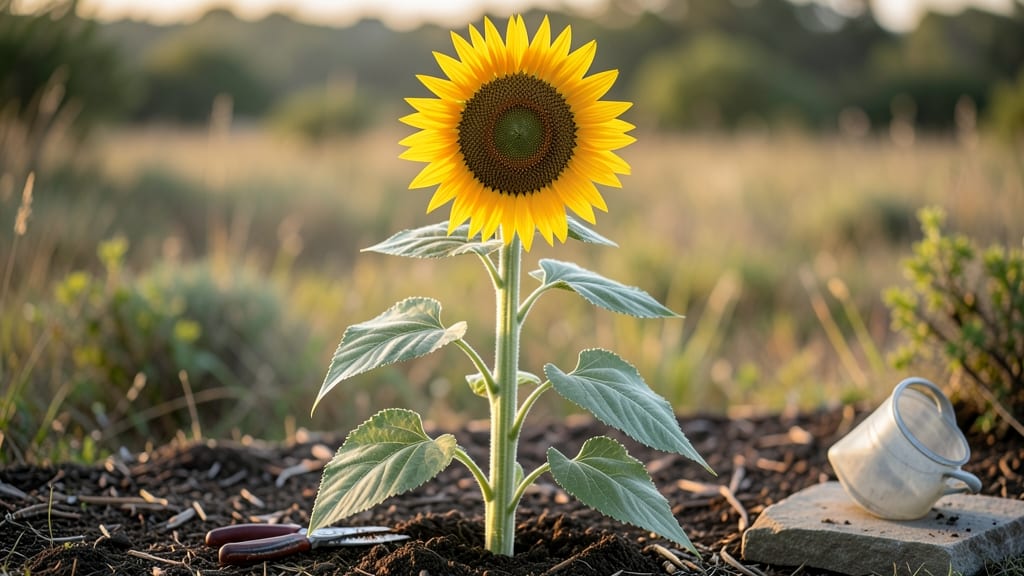
Raising sunflowers from seed to towering blooms in just 90 days is one of the most rewarding gardening experiences—especially when you skip the complicated steps. 🌻 I’ve grown them in everything from backyard plots to balcony containers, and the secret isn’t fancy soil or constant fussing—it’s understanding their simple needs.
These giants thrive on sunlight, patience, and a little elbow grease at the right time, making them perfect for beginners who want instant gratification (and jaw-dropping stems for bouquets).
The beauty of sunflowers is how forgiving they are. You don’t need rich compost or perfect timing—just a sunny spot, well-drained soil, and seeds planted about an inch deep. They’ll pop up in 7-10 days, and once they’re established, watering just once a week keeps them happy.
The real magic happens when you let them grow tall: stake the taller varieties to prevent flopping, and watch as those 6-foot monsters turn heads all summer.
By late summer, you’ll be harvesting blooms that last days in vases and seeds for next year’s crop. The process is simple enough that even my black-thumb phase didn’t kill them—though I did learn to avoid overwatering (sunflowers hate soggy roots).
With minimal effort, you’ll end up with a garden that feels like a sun-drenched masterpiece, all while teaching kids (or yourself) the joy of watching something grow from a tiny seed to a sky-scraping giant.
Whether you’re growing them for cut flowers, birdseed, or just the sheer thrill of watching them grow, sunflowers adapt to almost any space. Small varieties fit in pots, while the mammoth types need room to stretch their legs. Here’s how to make sure yours reach their full potential—without the stress.
📚 In This Guide
- What you need
- Instructions
- Tips and common mistakes
- Wrapping up and next steps
What you need
- ● Sunflower seeds: Choose a variety like Mammoth (8–10 ft tall) or Autumn Beauty (multi-colored blooms). Buy 50–100 seeds for a full patch.
- ● Well-draining potting mix or garden soil: Amend with compost (1 part compost to 3 parts soil) for nutrient-rich growth.
- ● Containers or garden bed: Containers: 5–7 gallon pots (1 per plant) with drainage holes.
- ● Garden bed: Full sun (6+ hours daily) and loose, fertile soil.
- ● Watering can or hose: With a gentle spray nozzle to avoid disturbing seedlings.
- ○ Plant labels: To track varieties (optional but helpful!).
- ○ Fertilizer (optional but recommended): Balanced 10-10-10 or 5-10-10 fertilizer (1 tbsp per plant every 4–6 weeks).
- ● OR organic options like worm castings or compost tea.
- ● Stakes or cages: For tall varieties (6+ ft), use 3–4 ft bamboo stakes or tomato cages to support stems.
- ● Mulch: Straw or shredded leaves to retain moisture and suppress weeds.
- ● Insect netting: To protect seedlings from birds or pests like aphids.
- ● Seedling heat mat: If starting indoors in cool climates (70–75°F for germination).
- ● Pruning shears: For deadheading spent blooms to encourage more flowers.
Step-by-step instructions for growing towering sunflowers
Here's how to coax those 10-foot giants from seed to full bloom with just a few key moves.
🌱 Step 1: Choose the Right Seeds and Plant at the Perfect Time
Sunflowers thrive when planted after the last frost when soil temperature reaches at least 50°F. I always opt for large-flowered varieties like 'Russian Giant' or 'Mammoth'—they grow 10-12 feet tall with blooms up to 16 inches wide. Save the seeds from last year's plants if you want heirloom varieties, but store them in a cool, dry place first.
Sow seeds ½ inch deep in well-drained soil, spacing them 18-24 inches apart for full-size plants. If you're growing multiple sunflowers, space rows 3 feet apart to prevent overcrowding. The key here is patience—sunflowers grow fast once they sprout, but they need warm soil to germinate.
☀️ Step 2: Give Them Full Sun and Deep Watering
Sunflowers crave 6-8 hours of direct sunlight daily—no compromise here. If your garden gets partial shade, choose shorter varieties like 'Teddy Bear' or 'Sunspot' instead. Water deeply once a week, soaking the soil to 12 inches deep. I use a soaker hose to avoid wetting the leaves, which prevents fungal diseases like powdery mildew.
Here's the thing—sunflowers are drought-tolerant, but they won't reach their full height without consistent moisture. Watch for drooping leaves in the afternoon—that's your cue to water immediately. Once the stems are 3-4 feet tall, reduce watering slightly to toughen them up before the final growth spurt.
💧 Step 3: Fertilize Strategically for Strong Stems and Big Blooms
Sunflowers are heavy feeders, but too much nitrogen makes them grow lush foliage instead of flowers. I mix 5-10-10 fertilizer into the soil at planting time, then side-dress with low-nitrogen compost when the plants are 12 inches tall. Avoid high-nitrogen fertilizers—they’ll give you a leafy monster, not a towering bloom.
For organic growers, work in 2-3 inches of compost around the base every 4-6 weeks. Sunflowers also benefit from phosphorus for strong roots and blooms, so a bone meal application at planting time helps. Stop fertilizing once the flower buds form—too much late-season feeding can weaken stems before they reach their full height.
✂️ Step 4: Prune for Height and Prevent Toppling
If you want extra-tall sunflowers, pinch off the top bud when the plant is 3-4 feet tall. This forces the plant to grow taller by producing a secondary stem. However, if you're growing for single-stemmed giants, skip this step—those varieties rely on their main stem for support.
As the flower buds form, remove any side shoots that develop below the main bloom. These compete for energy and can weaken the stem. Once the flower opens, cut the stem back to 6 inches above the ground if you want to save seeds for next year. This encourages the plant to put energy into seed production instead of maintaining a tall stem.
🪴 Step 5: Support Tall Varieties and Harvest at Peak Beauty
Sunflowers over 8 feet tall need staking to prevent them from toppling in wind or rain. I use bamboo stakes or heavy-duty garden stakes, tying the main stem loosely with soft plant ties every 2 feet. Avoid tight ties—they can girdle the stem as it thickens.
Harvest sunflowers when the back of the petals turns yellow and the center disc is fully brown. Cut the stem at a 45-degree angle just above a leaf node to encourage water uptake. For seed saving, let the flower head dry on the plant until the back turns brown, then hang it upside down in a well-ventilated area for 2-3 weeks to fully dry the seeds.
Tips & tricks for perfect sunflower cultivation
Here’s what I’ve learned after growing sunflowers that reached record heights—these tricks make all the difference between average blooms and towering giants.
Soil Temperature Secret: Wait until soil reaches at least 50°F before planting, even if the air feels warm. I’ve planted too early and ended up with slow, stunted growth. Use a soil thermometer for accuracy—sunflowers won’t germinate properly in cooler soil, no matter how patient you are. The ½-inch depth is crucial too; planting deeper can suffocate the seeds.
Sunlight Strategy: Those 6-8 hours of direct sunlight daily aren’t negotiable, but here’s the twist: if your garden gets afternoon shade, plant your sunflowers on the north side of the space to maximize morning sun exposure. I’ve seen sunflowers grow 2 feet taller when positioned optimally. Also, avoid watering the leaves—use a soaker hose to keep the soil moist without promoting fungal diseases like powdery mildew.
Fertilizer Timing: The 5-10-10 fertilizer at planting time is your foundation, but the real magic happens when you side-dress with low-nitrogen compost at the 12-inch mark. Too much nitrogen now will give you a leafy plant instead of a towering bloom. I’ve ruined batches by overdoing it—stop fertilizing once buds form, or you’ll risk weak stems that can’t support their own weight.
Staking Hack: For sunflowers over 8 feet tall, I use bamboo stakes tied every 2 feet with soft plant ties. Here’s the pro move: loosen the ties every 2 weeks as the stem thickens. Tight ties can girdle the stem, and you’ll end up with a snapped plant at the first strong wind. Think of it like giving your sunflower a gentle hug that grows with it.
Pro Tips for Raise Sunflowers
- Here’s what I’ve learned after growing sunflowers that reached record heights—these tricks make all the difference between average blooms and towering giants.
- Soil Temperature Secret: Wait until soil reaches at least 50°F before planting, even if the air feels warm.
- I’ve seen sunflowers grow 2 feet taller when positioned optimally.
Frequently asked questions
Got questions about growing sunflowers? You’re not alone—these cheerful giants are full of surprises! Here are answers to the most common queries to help you cultivate stunning blooms with confidence.
How long does it take for sunflowers to grow from seed?
Sunflowers are fast growers! From seed to towering bloom, expect 90–120 days for most varieties. Dwarf types may flower in as little as 60 days, while giant varieties (like ‘Mammoth’) can take closer to 120–130 days. Plant early in spring for summer blooms or late summer for fall harvests.
Can sunflowers survive frost?
Young seedlings are frost-sensitive, but established plants tolerate light frost (down to 28°F/-2°C). For early spring planting, use row covers or wait until soil is at least 50°F/10°C. Mature sunflowers can handle light freezes, but heavy frost may damage blooms. Choose cold-hardy varieties like ‘Autumn Beauty’ for extended seasons.
Why are my sunflower leaves turning yellow or spotted?
Yellowing leaves often signal overwatering, nutrient deficiencies, or pests. Check for:
- Aphids (sticky residue, curled leaves) – Spray with soapy water.
- Powdery mildew (white dust) – Improve airflow and avoid wetting foliage.
- Nitrogen deficiency (pale leaves) – Feed with compost or balanced fertilizer.
Do sunflowers need full sun? What if I only have partial shade?
Sunflowers thrive in full sun (6+ hours/day), but they’ll still grow in partial shade (4–6 hours)—just expect smaller blooms. For shade gardens, try dwarf varieties like ‘Teddy Bear’ or ‘Moulin Rouge.’ If possible, place them in the sunniest spot in your yard for the biggest, happiest flowers!
How do I save sunflower seeds for next year?
Let flower heads dry on the stem until back brown (usually 1–2 weeks after blooming). Cut heads, hang upside-down in a dry, dark place for 2 weeks, then rub seeds from the head. Store in a paper bag or envelope in the fridge for up to 3 years. Discard any seeds with holes (pests) or mold.
Wrapping up and next steps
Raising sunflowers is a rewarding and surprisingly simple way to bring joy, color, and even food to your garden—all in just 90 days!
With the right soil, sunlight, and a little patience, you’ll be harvesting towering blooms or crunchy seeds in no time. Don’t let aphids or doubts hold you back—start small, experiment, and watch your garden thrive.
Now that you’re armed with tips and tricks, take the next step! Grab your sunflower seeds, pick a sunny spot, and plant with confidence. Happy gardening—and enjoy those stunning sunflowers! 🌻✨