
How To
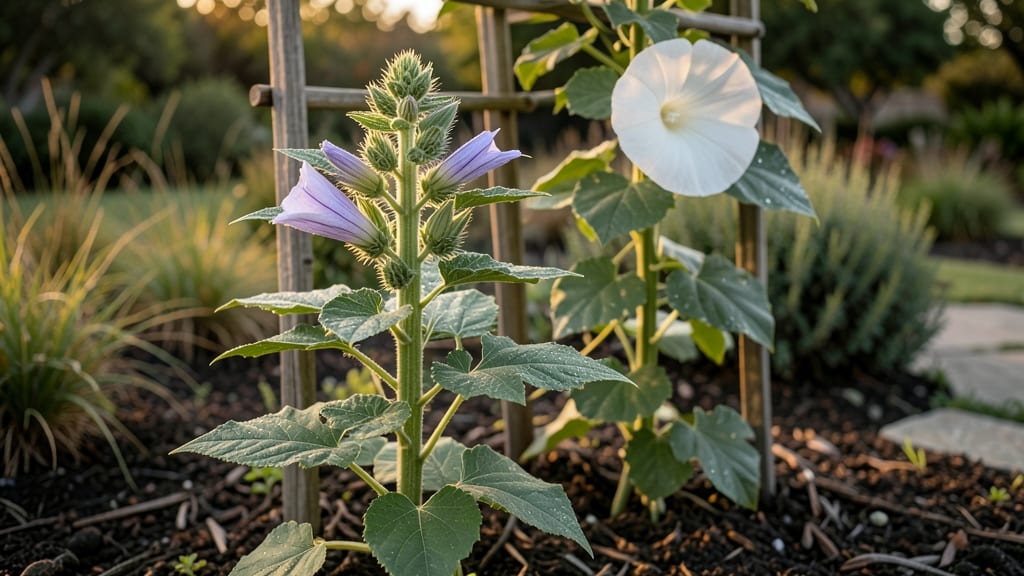
Growing jimson weed moonflower means waking up to vines heavy with glowing purple-white blooms that open at dusk and close by noon—nature’s own nightlight. 🌿 I’ve learned the hard way that this stunning vine thrives on bold sunlight and patience, not coddling.
The key isn’t just planting it; it’s giving it the right conditions to stretch, climb, and reward you with those dramatic flowers that smell like vanilla at night.
You’ll need a sun-drenched trellis or fence (6+ hours of direct light daily) and soil that drains well but stays slightly moist—think crumbly, not soggy. The vines grow fast (up to 15 feet in one season), so sturdy support is a must.
Seedlings take their time to sprout, but once they do, they’re tough as nails, handling heat and drought better than most vines. Just don’t let them dry out completely—they’ll sulk, but they’ll bounce back.
By midsummer, you’ll have a wall of fragrant blooms that hummingbirds adore and your neighbors will envy. The flowers last just one day but open nightly in waves, creating a mesmerizing show. Prune lightly to encourage bushier growth, and watch for aphids—spray with soapy water if they appear.
The biggest misconception? That this plant is dangerous to grow. While all parts are toxic if ingested, handling the leaves or vines won’t harm you (just wash your hands afterward).
Perfect for perennials beds, trellises, or even containers with support. Start seeds indoors 8-10 weeks before your last frost, or direct-sow after all danger of frost has passed.
The wait is worth it—once established, these vines are low-maintenance showstoppers that turn your garden into a moonlit fantasy. Ready to grow yours?
📚 In This Guide
- What you need
- Instructions
- Tips and common mistakes
- Wrapping up and next steps
What you need
- ● Seeds: 5–10 Ipomoea alba (Jimson Weed Moonflower) seeds (organic, untreated preferred).
- ● Growing Medium: 1–2 gallons of well-draining potting mix (e.g., 60% peat/coir, 30% perlite, 10% compost).
- ● OR a raised garden bed (minimum 12" deep) with loose, fertile soil (pH 6.0–7.0).
- ○ Containers (Optional but Helpful): 2–4 5–7 gallon pots with drainage holes (if starting indoors).
- ● 1–2 trellis or sturdy fence (6–8 ft tall) for climbing support.
- ● Hand trowel or small shovel for planting.
- ● Watering can or hose with a gentle spray nozzle.
- ○ Gloves (optional—Jimson Weed can be mildly irritating to sensitive skin).
- ● Pruners (for trimming vines later in the season).
- ○ Soil pH tester (optional but recommended for optimal growth).
- ● Sunlight: A full-sun location (6+ hours of direct sunlight daily).
- ● Warmth: Seeds germinate best in soil temps 70–85°F (21–29°C).
- ● Patience: Germination takes 7–21 days—be consistent with moisture!
- ● Space: Vines can grow 10–15 ft long—plan for vertical growth.
- ● 🌡️ Pre-soak seeds in warm water for 24 hours to speed up germination.
- ● ✨ Hardening off seedlings (if started indoors) for 1–2 weeks before transplanting.
- ● 🎯 Avoid overwatering—let soil dry slightly between waterings to prevent rot.
How to grow stunning Jimson weed moonflower vines
Here's how I cultivate these bold, sun-loving climbers with their iconic purple trumpet blooms.
🌱 Step 1: Choose the Perfect Planting Location
Jimson weed moonflower thrives in full sun—select a spot that receives at least 6-8 hours of direct sunlight daily. These vines grow aggressively, so position them near a sturdy trellis, fence, or pergola at least 8 feet tall. The plant's heavy blooms will test even strong supports, so I reinforce mine with additional stakes if needed.
Here's the thing—this vine tolerates poor soil but grows best in well-draining, slightly alkaline soil with a pH between 7.0-8.0. If your soil is heavy clay, mix in 2-3 inches of compost to improve drainage before planting. Moonflower roots spread widely, so give each plant at least 6 feet of space to prevent overcrowding and competition.
☀️ Step 2: Plant Seeds at the Right Time
Sow seeds outdoors after the last frost date when soil temperatures consistently reach 65-75°F. I've found that planting too early results in weak seedlings that struggle in cooler conditions. The seeds germinate best when direct-sown in spring—transplants often don't establish as well.
Plant seeds ½ inch deep and 12 inches apart in rows spaced 3 feet apart. Water thoroughly after planting to settle the soil around the seeds. Moonflower seeds can take 10-30 days to germinate, so don't be discouraged if you don't see sprouts immediately. Keep the soil consistently moist but not soggy during this waiting period.
💧 Step 3: Provide Consistent Water and Support
Once seedlings emerge, water deeply 1-2 times per week, ensuring the top 6 inches of soil remain moist but not waterlogged. These vines develop deep root systems, so deep watering encourages stronger growth. I water in the early morning to reduce evaporation and fungal risks.
As the vines grow, train them onto their support structure by gently tying stems with soft plant ties every 2-3 feet. The trumpet-shaped blooms can weigh down stems, so I reinforce growth points with additional ties as the plant matures. Watch for first true leaves—they'll appear 2-3 weeks after germination—and that's your cue to start fertilizing lightly with a balanced 10-10-10 fertilizer every 4-6 weeks during the growing season.
✂️ Step 4: Prune and Maintain for Maximum Blooms
Jimson weed moonflower requires minimal pruning, but I remove dead or damaged leaves regularly to encourage new growth. Pinch back new growth tips in early summer to promote bushier vines with more blooms. The plant naturally self-seeds aggressively, so I deadhead spent blooms to redirect energy toward new flowers rather than seed production.
This is the moment that matters: watch for the first purple trumpet blooms in mid-to-late summer, typically 60-90 days after planting. The flowers open in the evening and close by midday, earning their "moonflower" nickname. To extend the blooming season, I remove faded flowers promptly—this prevents seed pods from forming and encourages continuous flowering.
⏰ Step 5: Prepare for Winter Dormancy
Jimson weed moonflower is not cold-hardy in all climates. In zones below 7, the plant dies back to the ground in winter. I cut back the vines to ground level after the first frost and remove any remaining seed pods to prevent self-seeding in unwanted areas.
In warmer climates (zones 8-11), the plant may persist year-round, but growth slows significantly in winter. I mulch the base with 2-3 inches of straw to protect the roots from freezing temperatures. Even in mild winters, pruning back the vines in late winter promotes fresh, vigorous growth when spring arrives.
Tips & tricks for growing stunning Jimson weed moonflower
Real talk: these dramatic vines don't tolerate mistakes well, but these tricks will set you up for success every time.
Sunlight Secret: That 6-8 hours of sunlight isn't just a minimum—it's the sweet spot for those signature purple blooms. I've seen plants with just 5 hours produce fewer flowers and weaker stems. If your yard has partial shade, choose the sunniest spot possible and supplement with a grow light for 2-3 hours daily during cloudy periods. The deeper the purple, the more sunlight it's received.
Soil Test Tip: Don't guess about that 7.0-8.0 pH range—test your soil first! Most garden centers sell affordable test kits. If your soil is too acidic (below 7.0), mix in crushed limestone to raise the pH gradually. I've had to adjust mine twice, and it makes all the difference for root development. For heavy clay soils, that 2-3 inches of compost isn't optional—it's essential for preventing root rot.
Germination Strategy: Those 10-30 days of waiting can be brutal, but here's what I do: cover the planting area with clear plastic wrap to create a mini greenhouse effect. This maintains consistent moisture and warmth, often cutting germination time by half. Just remember to remove the plastic once sprouts appear to prevent fungal growth. And if you're impatient, soak seeds in warm water for 24 hours before planting—they'll sprout faster.
Support System: That 8-foot trellis isn't just about looks—it's about survival. The trumpet-shaped blooms can weigh down stems to the point of breaking. I reinforce my trellises with additional cross-bracing and use soft plant ties every 2-3 feet. For extra security, I've even wrapped the main support posts with wire mesh to prevent the vines from slipping through. Think of it as insurance for your $20 investment in seeds.
Pro Tips for Jimson Weed Moonflower
- Real talk: these dramatic vines don't tolerate mistakes well, but these tricks will set you up for success every time.
- Sunlight Secret: That 6-8 hours of sunlight isn't just a minimum—it's the sweet spot for those signature purple blooms.
- Soil Test Tip: Don't guess about that 7.0-8.0 pH range—test your soil first!
Frequently asked questions
Got questions about growing Jimsonweed Moonflower (Ipomoea alba)?
Here are answers to the most common ones—from planting to troubleshooting—so you can enjoy those stunning moonlit blooms with confidence!
How long does it take for Jimsonweed Moonflower to grow and flower?
With the right conditions, these vines can sprout in 7–14 days and start flowering in 2–3 months. Fast-growing and dramatic, they thrive in warm climates (zones 9–11) but may need a head start indoors if you’re in cooler areas. Patience pays off—those first blooms are worth the wait!
Why aren’t my Moonflowers opening at night like they’re supposed to?
Moonflowers only bloom under darkness, so check for:
- Light pollution: Streetlights or indoor lights can trick them into staying closed.
- Overcrowding: Thin vines to improve airflow and light penetration.
- Temperature: Ideal nights are 70–80°F (21–27°C)—cooler temps delay blooming.
Is Jimsonweed Moonflower toxic to pets or humans?
Yes, it’s toxic!
All parts of the plant contain tropane alkaloids, which can cause hallucinations, nausea, or worse if ingested. Keep it away from pets and children. Wear gloves when handling, and wash hands after pruning. When in doubt, consult a vet or poison control.
Can I grow Jimsonweed Moonflower in containers?
Use a large container (15+ gallons) with drainage and a trellis for support. Opt for lightweight potting mix, and fertilize lightly with low-phosphorus fertilizer (too much can reduce blooms). Just ensure it gets full sun (6+ hours/day)—containers heat up faster, so monitor soil moisture closely!
How do I encourage more blooms on my Moonflower vine?
Boost flowering with these tips:
- Deadhead spent blooms (they wilt by morning) to redirect energy.
- Water deeply but infrequently—overwatering stresses the plant.
- Prune leggy growth to focus energy on flowering.
- Feed with compost tea or a balanced fertilizer (10-10-10) every 4–6 weeks.
Wrapping up and next steps
Growing Jimson weed moonflower (Ipomoea alba) is a rewarding journey for gardeners who love bold, ethereal blooms and thriving vines. With the right conditions—sunlight, support, and patience—you’ll be rewarded with stunning, fragrant flowers that light up your garden at night.
Whether you’re a beginner or seasoned gardener, these sun-loving vines are a fantastic addition to trellises, fences, or even containers.
Ready to dive in? Start by gathering your materials, choosing the perfect spot, and giving these vines the care they deserve. Your moonlit garden awaits—happy planting! 🌙✨