
Shrubs
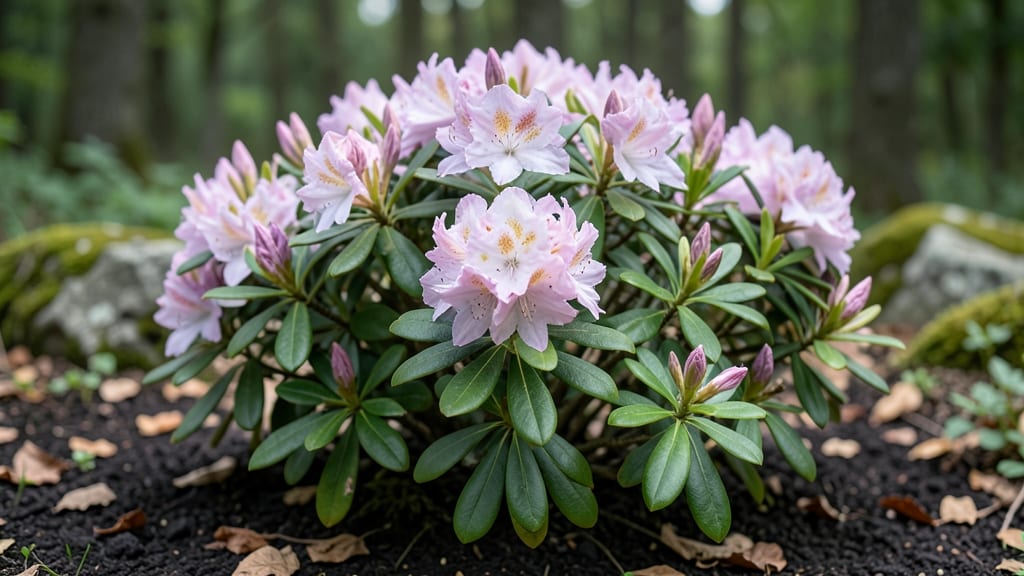
Late-flowering rhododendrons burst into bloom when most gardens have already called it a season—those jewel-toned clusters in late June or even July are nothing short of magical.
I’ve learned the hard way that pruning these late bloomers wrong can cut their show short, but with the right timing and technique, you can stretch those flowers for weeks longer than usual. The secret isn’t complicated: it’s all about when you cut and what you leave behind.
Most gardeners prune rhododendrons right after flowering, but late bloomers need a different approach. Instead of trimming back the old wood, focus on shaping in early spring—before buds swell—while keeping the plant’s natural form intact.
You’ll need just hand pruners, gloves, and a clear day, and the process takes less than 30 minutes. The goal? Encourage fresh growth that will bloom later in the season while preserving last year’s flower buds hidden along the stems.
What you’ll end up with is a shrub that looks like it’s been professionally landscaped, with lush foliage and blooms appearing in waves instead of all at once. The flowers stay vibrant longer, and the plant puts energy into next year’s blooms too.
Plus, late-flowering rhododendrons attract hummingbirds and butterflies when other gardens are already winding down—adding extra color and life to your landscape when it matters most.
This method works best in zones 5-8, where late summers stay warm enough for second flushes of blooms. For cooler climates, focus on pruning lightly to protect buds from frost.
Pair your late rhododendron with shade-loving perennials like astilbes or ferns to create a layered, long-lasting display. Ready to give your rhododendron a second act?
📚 In This Guide
- What you need
- Instructions
- Tips and common mistakes
- Wrapping up and next steps
What you need
- ● Late-flowering rhododendron: A healthy, mature plant (at least 3–5 years old) with last year’s blooms already faded.
- ● Pruning shears: Sharp, bypass-style shears (4–6" blades) for clean cuts. (Avoid anvil shears—they crush stems!)
- ● Rubbing alcohol (70% isopropyl): 1 small bottle (4 oz) to sterilize tools between cuts.
- ● Garden gloves: A pair of nitrile-coated gloves (size medium/large) for protection from thorns and sap.
- ○ Pruning sealant (optional): 1 small tube (e.g., Tanglefoot Tree Wound Pruning Sealer) for large cuts.
- ● Ladder or step stool: If your rhododendron is over 4–5 feet tall.
- ● Garden twine or plant ties: 1 roll (for securing branches if needed).
- ● Disposable pruning bags: 2–3 bags (for collecting debris).
- ● Hose with nozzle: To clean tools and rinse sap off gloves.
- ● Notebook & pen: To jot down pruning notes (e.g., branch locations, bloom timing).
- ● Timing: Prune immediately after the last blooms fade (late spring to early summer).
- ● Weather: Choose a dry, overcast day to avoid stressing the plant.
- ● Plant health check: Ensure your rhododendron is well-watered 1–2 days before pruning.
How to revitalize late-blooming rhododendrons
Here’s how to coax those stubborn late bloomers into a second show—without sacrificing next year’s flowers.
Assess and Prune Faded Blooms Immediately
Cut back spent flower clusters down to the first set of healthy leaves or buds below them. This prevents the plant from wasting energy on seed production. Use sharp, sterilized pruners to make clean cuts at a 45-degree angle—just above a leaf node or bud. I always prune on a dry, overcast morning to reduce stress on the plant.
Remove no more than one-third of the plant’s total growth in a single session. Late bloomers often have weaker stems, so aggressive pruning can shock them. Watch for new side buds forming within 2-3 weeks—this signals the plant is redirecting energy toward fresh growth.
Thin Out Crowded Foliage for Airflow
Late-blooming rhododendrons often suffer from overcrowded branches, which traps moisture and invites fungal diseases like powdery mildew. Focus on thinning out crossing or rubbing branches first—these compete for sunlight and nutrients. Cut these back to the nearest outward-facing bud or branch.
Next, remove any weak, leggy stems that grow toward the center of the plant. These stems rarely produce strong blooms and create shade for the interior foliage. After thinning, the plant’s remaining branches will thicken and produce more robust flowers next season. You’ll notice improved light penetration within a week of pruning.
Apply a Light Fertilizer Boost
Late bloomers often need a gentle nutrient kick to encourage a second flush. Use a balanced, acid-loving plant fertilizer (like a 10-10-10 or 20-20-20 formula) mixed at half-strength. Apply it to the soil around the plant’s drip line—never directly on the foliage—to avoid burning tender leaves.
Water the soil thoroughly before and after applying fertilizer to help distribute nutrients evenly. Avoid fertilizing after mid-August, as new growth won’t have time to harden off before winter. You’ll see new shoots or flower buds forming within 3-4 weeks if the plant is healthy and conditions are right.
Adjust Watering for Extended Blooms
Late bloomers often struggle in hot, dry conditions, which causes buds to drop prematurely. Water deeply once a week during dry spells, aiming for 1-1.5 inches of water per session. Use a soaker hose or drip irrigation to deliver moisture slowly and evenly at the root zone—avoid overhead watering, which can promote fungal issues.
Check soil moisture by sticking your finger 2 inches deep—if it feels dry, it’s time to water. Mulch the base of the plant with 2-3 inches of organic mulch (like pine bark or shredded leaves) to retain moisture and regulate soil temperature. Consistent moisture keeps buds hydrated and encourages a longer bloom cycle.
Protect from Late-Season Stressors
Late bloomers are more sensitive to temperature swings and strong winds in fall. If a late frost is forecasted, cover the plant with a breathable frost cloth the night before. Secure the edges tightly to prevent wind damage, but leave the top open for airflow.
Also, monitor for pests like spider mites or aphids, which thrive on stressed plants. Spray the foliage with a neem oil solution (1 tablespoon per quart of water) if you spot any signs of infestation. A healthy late bloomer should hold its flowers until early October in most climates—pushing it further risks winter damage.
Tips & tricks for revitalizing late-blooming rhododendrons
Here's what nobody tells you about giving your rhododendrons a second chance at beauty—these are the details that make all the difference.
Pruning Precision: When you're cutting back those spent blooms in Step 1, focus on making clean cuts just above a leaf node or bud. This is where new growth will emerge most vigorously. I've learned the hard way that leaving even a small stub can trap moisture and lead to rot—always cut at that precise 45-degree angle right above where you see the bud forming. The goal is to encourage the plant to redirect its energy toward new flower buds rather than seed production.
Strategic Thinning: In Step 2, pay special attention to those crossing branches you're removing. These aren't just taking up space—they're competing with your remaining branches for sunlight and nutrients. After thinning, you'll notice something magical: the interior of the plant will suddenly get more light, which triggers those dormant buds to wake up. This is why you'll see improved light penetration within just a week of pruning. Don't be tempted to remove more than one-third of the plant's growth—this is particularly important for late bloomers with weaker stems.
Fertilizer Timing: The timing of your fertilizer application in Step 3 is absolutely critical. I recommend applying it in the morning when temperatures are cooler, as this helps prevent leaf burn. When you water before and after applying the fertilizer, you're essentially giving the roots a nutrient-rich drink that helps them absorb everything efficiently. Remember that mid-August cutoff—this prevents any tender new growth from forming that wouldn't have time to harden off before winter. The 3-4 week window for new bud formation gives you plenty of time to see results before the season changes.
Watering Wisdom: For Step 4, that 1-1.5 inches of water per week is a guideline, but the real key is consistency. I've found that using a soaker hose delivers water exactly where it's needed—right at the root zone—without wetting the foliage, which helps prevent fungal diseases. The 2-inch deep soil moisture check is your best friend here. If you're using organic mulch like pine bark, make sure it's 2-3 inches thick but not piled against the trunk, as this can cause rot. This careful watering approach keeps those buds hydrated and happy, giving you the best chance for extended blooms.
Pro Tips for Late Flowering Rhododendron
- Here's what nobody tells you about giving your rhododendrons a second chance at beauty—these are the details that make all the difference.
- Pruning Precision: When you're cutting back those spent blooms in Step 1, focus on making clean cuts just above a leaf node or bud.
- Strategic Thinning: In Step 2, pay special attention to those crossing branches you're removing.
Frequently asked questions
Got questions about late-blooming rhododendrons? You’re not alone! Here are answers to the most common concerns—whether you’re dealing with timing, care, or just curious about why your plant might be playing hard to please.
Why is my rhododendron blooming so late?
Late blooms are often normal for certain varieties, but factors like cool spring temperatures, over-fertilization, or stress (like drought or transplant shock) can delay flowering. If your plant is otherwise healthy, it might just be a late bloomer—patience is key! Monitor its progress and adjust care as needed.
Can I still prune a late-flowering rhododendron after blooms appear?
Yes, but timing matters! Wait until after the flowers fade (typically late spring to early summer) to prune. Avoid cutting back into old wood—focus on shaping and removing dead or crossing branches. Late pruning can reduce next year’s blooms, so be gentle!
What should I do if my late rhododendron isn’t blooming at all?
Check these first:
- Light: Ensure it gets partial shade (morning sun, afternoon shade). Too much sun can stress the plant.
- Soil: Acidic, well-draining soil (pH 4.5–6.0) is a must. Test your soil and amend with peat moss or pine needles if needed.
- Water: Keep the root zone consistently moist but not soggy.
- Age: Young rhododendrons (under 3 years) may not bloom yet—give them time!
Are there late-blooming rhododendron alternatives with longer flowers?
If you love late blooms, try these prolonged-flowering varieties:
- Rhododendron ‘Nova Zembla’ – Blooms in late spring/early summer, often reblooming.
- Rhododendron ‘PJM’ – Reliable late spring blooms with dark green foliage.
- Azalea ‘Girard’s Pink’ – A late-blooming azalea (technically a rhododendron!) with vibrant pink flowers.
My late rhododendron has brown edges—what’s wrong?
Brown, crispy edges (often called scorch) usually signal environmental stress. Common causes:
- Too much sun: Relocate to more shade (especially afternoon sun).
- Drought stress: Rhododendrons hate dry roots. Mulch well and water deeply 1–2x/week.
- Fungal issues: If brown spots appear and the plant looks wilted, it may be root rot or leaf spot. Prune affected areas and improve drainage.
Wrapping up and next steps
Late-flowering rhododendrons may seem tricky, but with the right pruning hacks—like timing cuts after blooming, shaping strategically, and reviving leggy growth—you can extend their beauty and health for years to come. 🌸 These shrubs reward patience and care with vibrant, long-lasting flowers and lush foliage.
Ready to give your rhododendron the TLC it deserves?
🌱 Your Next Step:
Grab your pruners, mark your calendar for post-bloom season, and start small—even a single cut can make a difference! Observe how your plant responds, and adjust your approach over time. Happy pruning! 🌿