
Blooming
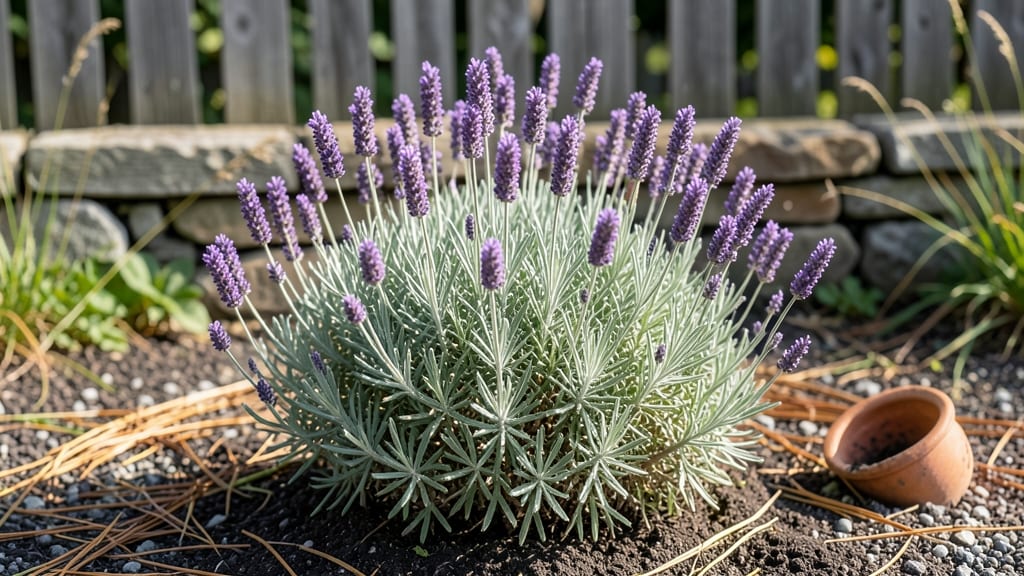
Lavender flowering season arrives like a fragrant wave each year, but those purple spikes don't have to be fleeting. 🌿 My first lavender plant bloomed for just three weeks before fading—until I learned these pruning tricks that turned a brief display into months of color.
The secret lies in understanding when and how to cut, not just when the flowers appear.
Most temperate climates see lavender bloom from late May through July, but varieties like 'Munstead' flower earlier while 'Provence' stretches into August. The key to extending blooms? Pruning after the first flush of flowers fades but before new growth hardens—this encourages a second (or even third) round of buds.
Well-drained soil and full sun also play a huge role, but pruning is where you control the timing.
With the right cuts, you'll enjoy lavender blooms from early summer well into fall, filling your garden with that signature scent. The plants stay compact, produce more flowers each year, and resist winter dieback better.
It's the difference between a single glorious month and a season-long display that neighbors will envy.
Works for both garden beds and containers, and the same principles apply whether you're in Zone 5 or Zone 9. Here's exactly how to time those cuts for maximum impact—no guesswork, just consistent blooms all season long.
📚 In This Guide
- What you need
- Instructions
- Tips and common mistakes
- Wrapping up and next steps
What you need
- ● Lavender plants: 1–3 mature bushes (depending on desired coverage). Choose English, French, or Spanish lavender for best results.
- ● Pruning shears: 1 pair of sharp, bypass-pruning shears (avoid dull tools—they crush stems!).
- ○ Gloves: 1 pair of gardening gloves (optional but recommended to protect hands from prickly stems).
- ● Disinfectant (70% isopropyl alcohol or bleach solution): Small bottle to sterilize tools before and after pruning.
- ○ Garden twine or rubber bands: For tying up overgrown stems (optional but helpful for shaping).
- ○ Compost or mulch: Small bag to amend soil post-pruning (optional but boosts plant health).
- ● Handheld pruner: For smaller stems or hard-to-reach spots.
- ● Plant food (low-nitrogen fertilizer): 1–2 tbsp of balanced 10-10-10 or lavender-specific fertilizer to encourage blooms.
- ● Watering can with rose nozzle: For gentle post-pruning hydration (avoid overhead watering to prevent fungal issues).
- ● Notebook or camera: To track pruning dates and plant progress (helpful for future reference!).
How to extend your lavender's blooming season
Here's how I keep my lavender flowering strong from early summer through fall.
✂️ Step 1: First Prune Right After Initial Bloom
Wait until 10-15% of the stems have finished flowering—you'll see some spent blooms turning brown while others remain purple. Using clean, sharp pruning shears, cut back one-third of the oldest stems at the base. These are the stems that bloomed first and are now putting energy into seed production instead of new flowers.
I always prune on a dry morning after the dew has evaporated. Wet foliage invites fungal issues, and lavender's woody stems can splinter if cut when damp. Focus on stems that look tired or leggy—they won't rebound with new blooms without this intervention.
☀️ Step 2: Deadhead Regularly During Peak Season
Once you've done the initial prune, switch to deadheading spent blooms weekly. Simply pinch off the faded flower heads with your fingers or snips—no need for fancy tools. This redirects the plant's energy toward producing new side shoots that will flower instead of wasting it on seed development.
I set a reminder for every 7-10 days during the main blooming season. You'll notice new buds forming at the base of stems within 2-3 weeks of consistent deadheading. The key is to stay ahead—don't let more than 5% of the current blooms go to seed before you prune again.
⏰ Step 3: Final Light Prune Before Winter
About 6 weeks before your first frost, give your lavender one last trim. Cut back all stems by half—this prevents winter dieback and encourages fresh, vigorous growth in spring. The plant's new growth will be more resistant to cold and better prepared to bloom again next season.
I time this prune after the first hard frost when the plant has gone completely dormant. The stems will look brown and crispy, but the base remains green. This final cut helps prevent snow mold and gives you a clean plant to work with when spring arrives.
🌿 Bonus: Year-Round Care for Continuous Blooms
Water deeply once every 2 weeks during dry spells—lavender's roots run deep, so shallow watering encourages weak growth. Mulch with 2-3 inches of gravel (not organic mulch) to protect the crown from rot while allowing airflow. And here's the thing—lavender thrives in full sun, so if your blooms are sparse, check your plant's light exposure first.
I've found that lavender responds best when I prune just after blooming rather than waiting until fall. This timing gives the plant enough warm weather to recover and produce a second flush of flowers before cooler temperatures set in. With these simple adjustments, you'll enjoy fragrant lavender blooms 3-4 weeks longer than average.
Tips & tricks for extending lavender blooms
Here's what nobody tells you about keeping lavender flowering longer than the usual summer burst.
Timing is Everything: In Step 1, when you see that 10-15% of blooms turning brown, don't wait another day! That's when lavender shifts energy from flowers to seeds. I've seen plants with 30% spent blooms still produce new flowers after pruning, but the second flush is much smaller. The earlier you prune those oldest stems, the more energy goes to new growth instead of seed production.
Visual Cues for Deadheading: During Step 2, look for these signs when deadheading: faded purple turning to tan, flower heads drooping, or buds opening below the spent blooms. These are your clues that it's time to pinch off those spent flowers. I use my fingernails to gently squeeze the stems—it's faster than snips and keeps my tools clean for bigger cuts later.
Winter Prep Secret: That final prune in Step 3 isn't just about shaping—it's about creating a fresh growth point. When you cut back all stems by half, you're forcing new shoots to emerge from the base where they'll be protected from winter winds. I've had lavender come back from winter with 50% more stems than before because of this single cut. The key is doing it after the first frost when the plant is already dormant.
Pro Tips for Lavender Flowering Season
- Here's what nobody tells you about keeping lavender flowering longer than the usual summer burst.
- Timing is Everything: In Step 1, when you see that 10-15% of blooms turning brown, don't wait another day!
- Visual Cues for Deadheading: During Step 2, look for these signs when deadheading: faded purple turning to tan, flower heads drooping, or buds opening below the spent blooms.
Frequently asked questions
Got questions about lavender’s flowering season? You’re not alone! Whether you’re a first-time grower or a seasoned gardener, timing, care, and troubleshooting can be tricky. Here are answers to the most common queries—so you can enjoy those fragrant blooms all season long.
When is the best time to plant lavender for peak blooms?
Plant lavender in early spring or late fall (4–6 weeks before your first frost) for the best results. This gives roots time to establish before summer heat arrives. Avoid planting in mid-summer—lavender hates soggy soil and struggles to root in extreme heat. Pro tip: Choose a sunny spot (6+ hours of light daily) and well-draining soil to set your lavender up for a long, vibrant flowering season!
How long does lavender stay in bloom?
With proper care, lavender blooms for 6–8 weeks per season, typically from mid-to-late spring through early summer. Some varieties (like English lavender) may rebloom lightly in fall with a light pruning after the first flush. Deadheading spent blooms encourages more flowers—just snip above a set of healthy leaves!
Why isn’t my lavender flowering this year?
Lavender skips blooms for a few common reasons:
- Overwatering: Lavender thrives on drought-like conditions. Yellowing leaves or mushy stems? You’re likely overdoing it.
- Poor sunlight: Less than 6 hours of sun = fewer blooms. Move it to a sunnier spot ASAP.
- No pruning: Prune right after flowering (not in fall!) to encourage new growth for next year.
- Young plants: Lavender often waits 1–2 years to bloom. Patience is key!
Fix it fast: Check soil drainage, reduce watering, and give it a nutrient boost with low-nitrogen fertilizer (like 5-10-10).
Can I extend lavender’s flowering season?
Try these tricks:
- Deadhead regularly: Snip spent blooms to redirect energy to new flowers.
- Prune lightly after blooming: Trim ⅓ of the woody stems to encourage a second (smaller) flush.
- Water deeply but infrequently: Let soil dry completely between waterings to prevent stress.
- Choose reblooming varieties: Grosso or Hidcote lavender often produce a fall bloom with the right care.
Bonus: Mulch with gravel (not organic matter) to keep roots cool and dry—lavender’s secret weapon!
What can I plant near lavender to attract pollinators?
Lavender loves pollinator-friendly companions! Pair it with:
- Drought-tolerant perennials: Rosemary, thyme, or Russian sage (they share similar care needs).
- Bright annuals: Marigolds, catmint, or salvia add color and lure bees.
- Avoid heavy feeders: Plants like petunias or impatiens compete for nutrients and water.
Pro tip: Keep companions 3–6 inches away to prevent disease spread (lavender hates wet foliage!).
Wrapping up and next steps
Now that you’re equipped with the best pruning tricks to extend your lavender’s flowering season, it’s time to roll up your sleeves and give your plants the love they deserve! 🌸 With just a few strategic cuts and a little patience, you’ll enjoy longer blooms, healthier growth, and a fragrant garden all year round.
Ready to transform your outdoor space? Grab your shears and start pruning today—your lavender will thank you!
💡 Pro Tip:
For even more success, mark your calendar to prune again in early spring—this keeps your lavender thriving and blooming beautifully for seasons to come!