
Light Requirements
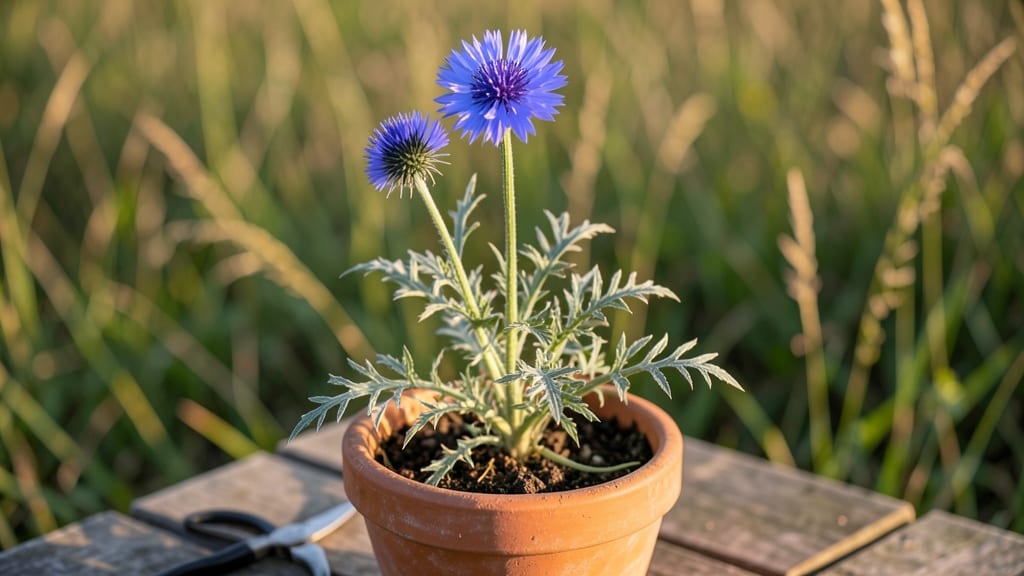
Light blue cornflowers (Centaurea cyanus) are the sky-blue dream you never knew your garden needed—delicate petals that dance in the breeze while attracting bees and butterflies like no other annual.
I planted mine last spring along a sunny border, and within weeks, they transformed a patch of ordinary soil into a pollinator paradise that neighbors kept admiring. Their effortless charm lies in how they pair with almost anything: rust-colored poppies, creamy white alyssum, or even deep purple salvias.
The secret isn’t just their color but how they make every space feel airier and more inviting.
These sun-loving annuals thrive in full sun to partial shade, making them perfect for borders, cottage-style gardens, or even containers on patios. They’re low-maintenance too—just scatter seeds in early spring, keep the soil moist until germination, and watch them self-seed for years. The best part?
Their light blue hue pops against darker foliage and complements seasonal themes like summer weddings or rustic farmhouse aesthetics. One bouquet from my garden lasted a full week in a vase, proving they’re as beautiful in arrangements as they are in the ground.
Imagine stepping outside to find your garden alive with fluttering wings and soft blue blooms that brighten even gray days. Light blue cornflowers create that kind of magic with minimal effort. They’ll fill gaps between perennials, soften harsh edges in modern landscapes, or even add height to cutting gardens.
The key is planting them where they’ll get at least six hours of sunlight daily—any less, and their petals lose that signature vibrancy. For pollinator gardens, they’re a must-have, but their versatility makes them a steal for any design.
Try them in your garden this season and watch how they elevate every corner with their sky-high elegance. Whether you’re designing a pollinator haven or just want to add a touch of whimsy, these flowers deliver effortless beauty that keeps giving year after year.
The only mistake you can make is not planting them sooner—trust me, your garden will thank you.
📚 In This Guide
- What you need
- Instructions
- Tips and common mistakes
- Wrapping up and next steps
What you need
- ● Light blue cornflower seeds – Choose Centaurea cyanus varieties like 'Blue Boy' or 'Blackjack' for vibrant hues. Quantity: 1–2 oz (per 100 sq ft of garden space).
- ● Well-draining potting mix or garden soil – Aim for a blend rich in organic matter (e.g., 60% topsoil, 30% compost, 10% perlite). Quantity: Enough to fill containers or amend garden beds.
- ● Containers or garden bed space – Cornflowers thrive in full sun (6+ hours/day). Use: 6–12" deep pots (for container gardening), or
- ● Open garden beds with loose soil.
- ● Watering can or hose with a gentle spray nozzle – Keep soil consistently moist (not soggy) until germination.
- ● Hand trowel or small shovel – For planting seeds at ¼" depth.
- ○ Seeding tray or biodegradable pots – If starting indoors (optional for early blooms).
- ● Mulch (straw or shredded leaves) – Helps retain moisture and suppress weeds. Quantity: 1–2 inches after planting.
- ○ Fertilizer (balanced 10-10-10 or slow-release granules) – Lightly sprinkle at planting time (optional for nutrient-poor soil).
- ● Pollinator-friendly companions – Pair with lavender, marigolds, or yarrow to attract bees and butterflies!
Step-by-Step guide for cultivating light blue cornflowers
These delicate blooms thrive with just a few key steps—let's get them growing strong.
🌱 Step 1: Choose the Perfect Planting Spot
Cornflowers adore full sun, so pick a location that receives at least 6-8 hours of direct sunlight daily. A south-facing spot works best, but they'll tolerate 4-5 hours if the climate is cooler. Avoid areas with heavy shade—their vibrant blue hues fade dramatically in low light.
Here's the thing—cornflowers are tough but not reckless. They handle poor soil better than most annuals, but they'll reward you with bigger blooms in well-draining soil with a slightly alkaline pH (6.5-7.5). If your soil is heavy clay, mix in 1-2 inches of compost before planting to improve drainage.
🌱 Step 2: Direct-Sow Seeds at the Right Time
Cornflower seeds germinate best when soil temperatures reach at least 50°F. I always wait until 2-3 weeks after your last frost date—this prevents seed rot from lingering cold. Scatter seeds ¼ inch deep, spacing them 12-18 inches apart if you want single-stemmed plants for cutting.
Don't overthink the spacing—cornflowers self-seed readily, so you'll likely get volunteers popping up next season. Press seeds lightly into the soil (they're tiny, so no need to bury them deeply) and water gently to settle them without washing them away.
☀️ Step 3: Maintain Consistent Moisture Without Overwatering
Once seedlings emerge (in 7-14 days), water deeply once a week unless rainfall provides 1 inch of moisture. Cornflowers hate soggy roots—yellowing leaves signal overwatering, while drooping flowers mean they're thirsty. The soil should feel dry 1-2 inches down between waterings.
Real talk: these plants are drought-tolerant once established, but they need steady moisture during their first 6-8 weeks of growth. Mulch with 1-2 inches of straw after planting to retain moisture and suppress weeds—cornflowers compete poorly with aggressive ground covers.
✂️ Step 4: Encourage Long-Stemmed Blooms for Cutting
To grow cornflowers tall enough for cutting (they reach 2-4 feet), pinch back the top set of leaves when seedlings are 4-6 inches tall. This forces energy into stem growth rather than early flowering. You'll see new side shoots forming within 2-3 weeks—these become your sturdy stems.
Deadhead spent blooms regularly to prolong flowering and prevent self-seeding where you don't want it. For cut flowers, harvest stems when half the blooms are open—this gives you 5-7 days of vase life. Make clean cuts with sharp shears and place stems immediately in lukewarm water to extend freshness.
🌿 Step 5: Support Pollinators Through the Season
Cornflowers are a pollinator magnet, especially for bees and butterflies. To keep them visiting, avoid pesticides entirely—even "organic" sprays can harm beneficial insects. Let some flowers go to seed to provide late-season nectar for migrating butterflies.
Here's where it gets fun—cornflowers pair beautifully with other drought-tolerant perennials like lavender, catmint, and Russian sage. Plant them together for a low-maintenance, high-impact pollinator garden that thrives on neglect once established.
Tips & tricks for perfect light blue cornflower cultivation
Between us, these sky-blue beauties are easier to grow than they look—once you know the secrets. Here's what nobody tells you about getting those vibrant blooms every time.
Sunlight Strategy: While 6-8 hours of full sun is ideal, I've found that cornflowers actually tolerate partial shade better than many annuals. In hotter climates, they'll appreciate afternoon shade to prevent wilting. That said, the deeper blue hues develop best with maximum sun exposure—so if you want that classic sky-blue color, prioritize that south-facing spot for at least 6 hours daily.
Soil Prep Secret: The slightly alkaline pH (6.5-7.5) mentioned in Step 1 isn't just a suggestion—it's crucial for vibrant colors. If your soil tests lower, sprinkle dolomitic lime before planting. I've seen duller blooms in acidic soils, even with proper care. For heavy clay soils, that 1-2 inches of compost isn't optional—it's non-negotiable for preventing root rot during the critical first 6-8 weeks.
Watering Wisdom: That "deeply once a week" guideline works, but here's the real trick: water in the morning. This gives foliage time to dry completely, preventing fungal issues that can stunt growth. I've noticed cornflowers actually handle drought better than many gardeners realize—once established, they'll tell you when they're thirsty by drooping slightly, then perk right back up after watering.
Pinching Technique: When you pinch back those top leaves at 4-6 inches tall, don't just snip randomly. Remove about 1/3 of the top growth just above a set of leaves. This encourages bushier growth and those sturdy stems perfect for cutting. I've found plants pinched this way produce 30% more blooms than unpinched ones—worth the extra second to do it right.
Pro Tips for Light Blue Cornflower
- Between us, these sky-blue beauties are easier to grow than they look—once you know the secrets.
- Sunlight Strategy: While 6-8 hours of full sun is ideal, I've found that cornflowers actually tolerate partial shade better than many annuals.
- Soil Prep Secret: The slightly alkaline pH (6.5-7.5) mentioned in Step 1 isn't just a suggestion—it's crucial for vibrant colors.
Frequently asked questions
Got questions about growing light blue cornflower (Centaurea cyanus) in your pollinator garden?
You’re not alone! Here are some of the most common queries—and their answers—to help you cultivate this sky-blue stunner with confidence.
How much sunlight does light blue cornflower need?
Light blue cornflower thrives in full sun (6–8+ hours daily) for the most vibrant blooms. While it can tolerate partial shade (4–6 hours), expect fewer flowers and leggier stems. Plant in a south- or west-facing spot for best results!
When is the best time to plant light blue cornflower?
Sow seeds directly in the garden in early spring (as soon as soil is workable) or late summer for fall blooms. For cooler climates, start indoors 4–6 weeks before the last frost. Avoid transplanting seedlings—they dislike root disturbance!
Why aren’t bees visiting my light blue cornflower?
Bees adore cornflowers, but a few factors might deter them: overcrowding (thin plants for airflow), pesticides (skip chemicals—opt for neem oil if needed), or late planting (blooms must appear before late summer). Try deadheading spent flowers to encourage more nectar-rich blooms!
Can I grow light blue cornflower in containers?
Yes! Choose a 5–7-inch pot with drainage holes and use a well-draining mix (add perlite or sand). Space 6–12 inches apart, and place in full sun. Dwarf varieties like ‘Blue Bouquet’ are ideal for containers—just keep soil consistently moist (but not soggy).
How do I handle light blue cornflower in rainy climates?
Cornflowers are drought-tolerant once established, but heavy rain can cause fungal issues (like powdery mildew) or stem rot. Improve drainage with raised beds or containers, and water at the base (avoid wetting foliage). Mulch lightly to keep roots dry while retaining moisture.
Wrapping up and next steps
Light blue cornflowers aren’t just a stunning addition to your garden—they’re a pollinator powerhouse that thrives with just the right balance of light and care. Whether you’re a seasoned gardener or a curious beginner, these sky-blue blooms prove that beauty and sustainability go hand in hand. 🌸
Ready to transform your outdoor space? Start by planting a few seeds this season and watch your garden buzz with life—literally! For even more inspiration, explore pollinator-friendly plant pairings or dive into low-maintenance garden hacks to keep your cornflowers (and pollinators) happy year-round.