
Flowers
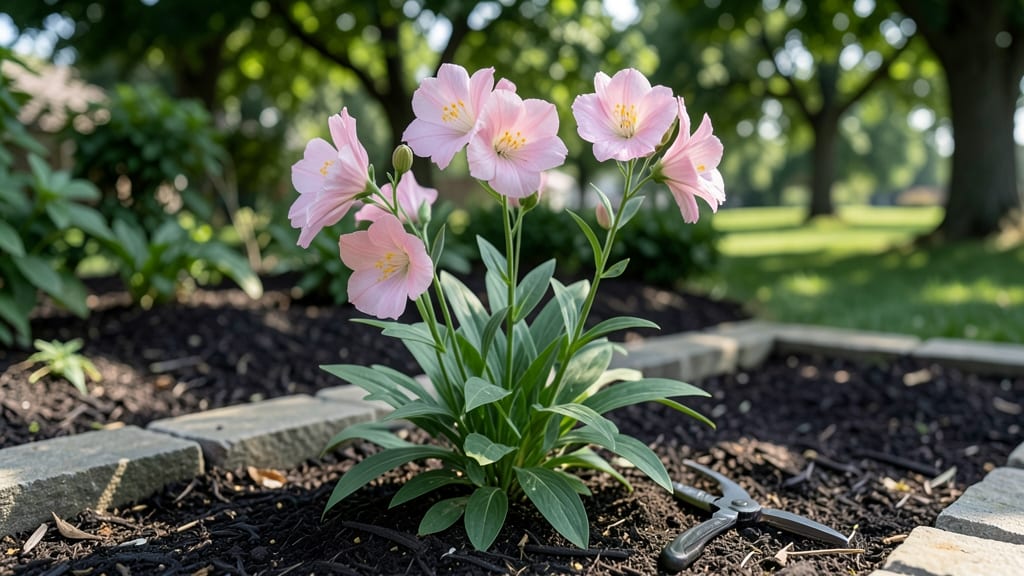
Pink lisianthus flowers bring the kind of drama that makes your garden feel like a storybook setting. 🌸 Their velvety petals unfurl like silk ribbons, creating soft yet striking focal points that last from summer through fall.
I fell in love with them when they transformed a dull corner of my garden into a romantic cottage escape—just by adding these blooms to a mix of lavender and roses.
Their versatility is what makes them a must-have for any garden style. Pair them with dwarf coneflowers for a wildflower vibe or tuck them beside salvia for a modern, structured look. In containers, they thrive alongside sweet alyssum or pansies, creating spillover color that’s impossible to resist.
The key is keeping them in well-draining soil and giving them morning sun—afternoon shade helps prevent wilting in hot climates.
What you’ll end up with is a garden that feels effortlessly elegant—like a scene from a garden magazine, but all yours. The blooms open gradually, so you get fresh flowers for weeks, not just days.
Cut them early in the morning for bouquets that last nearly a week in a vase, or let them stand tall in the garden where they’ll attract butterflies and hummingbirds all season long.
Whether you’re designing a romantic border, a modern container garden, or a cut-flower patch, pink lisianthus delivers. They’re the kind of plant that makes neighbors stop and ask, “What’s that gorgeous flower?”—and then you get to say, “Oh, that?
That’s my secret weapon.” Let’s make your garden the talk of the neighborhood.
📚 In This Guide
- What you need
- Instructions
- Tips and common mistakes
- Wrapping up and next steps
What you need
- ● Lisianthus plants: 10–20 Eustoma grandiflorum (pink lisianthus) plants (bare-root, potted, or seeds)
- ● Seedlings (if starting from seed): 50–100 seeds (germination rate is ~20–30%)
- ● Soil: Well-draining potting mix (or garden soil amended with compost)
- ● Perlite or vermiculite (for aeration, 1–2 cups per 5 gallons of soil)
- ● Fertilizer: Balanced 10-10-10 fertilizer (for seedlings) or slow-release granular fertilizer (for mature plants)
- ○ Optional: Fish emulsion or compost tea for organic boosts
- ● Trowel or transplanting spade
- ● Garden gloves (to protect hands from thorns)
- ● Watering can or hose with gentle spray nozzle
- ● Mulch (straw or shredded bark, 1–2 inches thick)
- ● Stakes or tomato cages (for support, 1–2 per plant)
- ● Pruning shears (for deadheading)
- ● Sunlight: Full sun to partial shade (6+ hours of sunlight daily)
- ● Climate: Hardy in USDA Zones 9–11; in cooler zones, grow as annuals or overwinter indoors
- ● Watering: Consistent moisture (keep soil evenly damp but not soggy)
- ● Patience: Seeds take 10–14 days to germinate; blooms appear in 8–12 weeks
How to grow lisianthus for stunning pink blooms
Here's the foolproof method I use to coax these dreamy pink flowers into thriving, long-blooming plants.
🌱 Step 1: Start Seeds Indoors at the Right Time
Begin indoors 8-10 weeks before your last frost date, using sterile seed-starting mix in 2-inch deep pots. Lisianthus seeds germinate best at 70-75°F, so I place them on a seedling heat mat until sprouts appear—usually within 10-14 days. The key here is patience; don't rush germination by overwatering or covering too tightly.
Sow seeds ¼ inch deep and keep the soil consistently moist but never soggy. Once seedlings emerge, move them to a bright, sunny window or under grow lights for 14-16 hours daily. You'll notice the first true leaves (not the initial seed leaves) appear after 2-3 weeks, signaling it's time to thin or transplant if needed.
☀️ Step 2: Harden Off and Transplant Outdoors
Two weeks before your last frost, start hardening off seedlings by placing them outside in a sheltered spot for 1-2 hours the first day. Gradually increase their outdoor time over 7-10 days, watching for strong stems and vibrant color—these are signs they're ready for the garden. Transplant on a cool, overcast day to reduce stress.
Choose a location with full sun to partial shade (at least 6 hours of sunlight daily). Lisianthus thrives in well-draining soil with a slightly acidic to neutral pH (6.0-7.0). Space plants 18-24 inches apart to allow for air circulation, which prevents fungal diseases like powdery mildew—something I learned the hard way after losing a batch of seedlings to damp conditions.
💧 Step 3: Water and Fertilize for Continuous Blooms
Water deeply once a week, aiming for 1 inch of water per week, but adjust based on rainfall. Lisianthus hates soggy roots, so always check the top 2 inches of soil—if it's dry, water thoroughly. Mulch around the base with 2-3 inches of organic mulch to retain moisture and suppress weeds, which helps the plants focus energy on blooming instead of competing with invasive roots.
Feed plants every 3-4 weeks with a balanced, water-soluble fertilizer (10-10-10 or similar) diluted to half strength. The goal is to encourage strong foliage and abundant flowers, not rapid leaf growth. You'll see the first buds form 8-10 weeks after transplanting, and with consistent care, blooms will last 6-8 weeks—longer than most annuals.
✂️ Step 4: Deadhead and Prune for Longer Blooming
Pinch back the top set of leaves when seedlings are 4-6 inches tall to encourage bushier growth. Once flowers fade, deadhead spent blooms immediately to redirect the plant's energy into producing new flowers. I use clean, sharp pruners to snip just above a leaf node, which prevents disease from entering the plant through ragged cuts.
In late summer, when blooming slows, give plants a light trim to remove any leggy or overcrowded stems. This rejuvenates growth and often triggers a second flush of blooms in fall. Avoid heavy pruning, as lisianthus is a tender perennial and may not rebound well from aggressive cuts.
Tips & tricks for perfect lisianthus pink blooms
Transforming delicate lisianthus seeds into show-stopping pink blooms takes more than patience—it requires strategic timing and a few insider tricks.
Timing Secret: The 8-10 week indoor starting window is non-negotiable for most climates, but I always check my local frost date twice to avoid rushing. For northern regions, start seeds by mid-February, while southern gardeners can wait until late January. The key is ensuring seedlings reach 4-6 inches before transplanting, which takes about 6-8 weeks indoors under ideal conditions.
Heat Control: That 70-75°F germination range is critical—too cool and seeds may take 3+ weeks to sprout, while heat mats above 80°F can cause uneven germination. I use a seedling heat mat set to 72°F and cover trays with clear plastic wrap (not foil) to maintain humidity without trapping excess heat. Remove the wrap once sprouts appear to prevent damping-off disease.
Transplanting Strategy: The 1-2 hour hardening off schedule might seem short, but it's about gradual acclimation. I increase outdoor time by 30 minutes daily until reaching full sun exposure, watching for leaves that stay firm and green—not wilted or yellowed. A cool, overcast transplant day is ideal, but if you must plant on a sunny day, do it in the late afternoon to reduce stress.
Pruning Precision: When pinching back seedlings at 4-6 inches, focus on removing just the top set of leaves—this encourages branching without shocking the plant. For deadheading, always cut just above a leaf node using clean pruners (I dip them in rubbing alcohol between cuts). This technique prevents disease entry points while stimulating new flower production.
Pro Tips for Lisianthus Pink Flowers
- Transforming delicate lisianthus seeds into show-stopping pink blooms takes more than patience—it requires strategic timing and a few insider tricks.
- Timing Secret: The 8-10 week indoor starting window is non-negotiable for most climates, but I always check my local frost date twice to avoid rushing.
- Heat Control: That 70-75°F germination range is critical—too cool and seeds may take 3+ weeks to sprout, while heat mats above 80°F can cause uneven germination.
Frequently asked questions
How do I keep my pink lisianthus blooming all season?
Pink lisianthus thrives with deadheading (removing spent blooms) and regular watering (1-2 inches per week). Plant in well-draining soil with morning sun and afternoon shade—this combo prevents wilting while keeping blooms vibrant. Fertilize lightly every 4-6 weeks with a balanced, water-soluble formula.
When is the best time to plant pink lisianthus?
For longest blooms, plant in early spring (after the last frost) or early fall. If you’re in a warm climate (zones 8-11), you can plant in late winter. Avoid planting in hot summer months—they struggle with heat stress. Pro tip: Start seeds indoors 8-10 weeks before the last frost for an earlier show!
Can I grow pink lisianthus in containers? Yes—but how?
Use a 5-gallon+ container with drainage holes and a lightweight potting mix. Choose a pot with at least 12 inches of depth since lisianthus has a long taproot. Place in a spot with partial shade (especially in hot afternoons) and water daily during dry spells to prevent root stress.
Why are my pink lisianthus leaves turning yellow?
Yellow leaves usually mean overwatering or poor drainage. Let the soil dry slightly between waterings, and check for root rot (mushy, black roots). If the problem persists, your plant might need more sunlight or nutrient-rich soil. Fix it fast: Trim affected leaves and adjust care immediately!
What’s a good alternative if I can’t find pink lisianthus?
If pink lisianthus is hard to find, try these stunning lookalikes:
- Eustoma (Texas Bluebell) – Similar trumpet-shaped blooms, drought-tolerant.
- Snapdragons – Long-lasting, come in soft pinks, and thrive in cool weather.
- Dahlia ‘Café au Lait’ – Creamy-pink blooms with lisianthus-like elegance.
- Roses ‘Pink Peace’ – Classic, fragrant, and perfect for romantic gardens.
All love well-draining soil and regular deadheading!
Wrapping up and next steps
From their dreamy pink blooms to their effortless charm, lisianthus flowers bring romance and elegance to any garden—and they’re easier to grow than you think! 🌸 Whether you’re a seasoned gardener or just starting, these flowers reward patience with season-long beauty and minimal fuss.
Now that you’re armed with the right tips and answers, it’s time to plant, nurture, and enjoy their magic.
Ready to transform your outdoor space? Pick a sunny spot, grab your lisianthus, and get growing! 🌱 Your garden’s next masterpiece is just a seed (or cutting) away.