
Pests
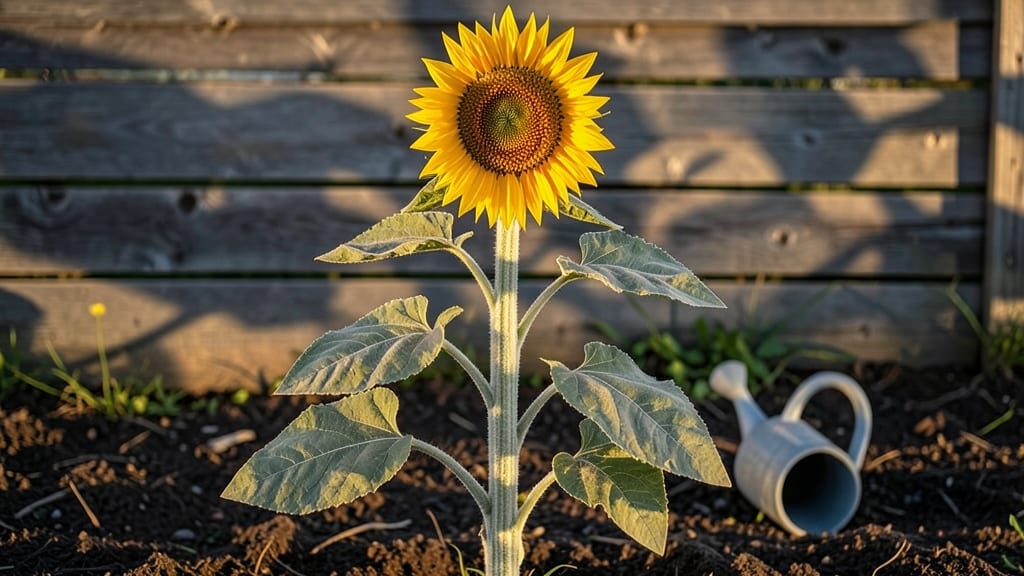
Growing Mammoth Gray sunflowers means welcoming towering pollinator magnets into your garden that turn heads with their 10-foot-tall drama. 🌻 I’ve learned these sunflowers thrive where others flop—dry soil, hot summers, even urban heat islands—because they’re built for resilience.
Their signature grayish-pink blooms aren’t just stunning; they’re a dinner bell for bees, butterflies, and hummingbirds that’ll make your yard a buzzing hotspot.
The secret starts with well-draining soil and full sun—they’ll tolerate poor soil but reward rich, slightly sandy loam with extra height and sturdy stems. Plant seeds 1-2 inches deep after your last frost, spacing them 2-3 feet apart so those massive stalks don’t crowd each other.
Water deeply once a week once established, and skip the fertilizer unless your soil’s truly lacking—these sunflowers grow like weeds when happy.
By mid-summer, you’ll have sunflower sentinels that outshine everything else, their blooms drawing pollinators like a magnet. The gray-pink petals fade to cream as they age, creating a soft, dreamy contrast against their rough, textured foliage.
Just watch for sunflower moths—they’ll chew stems, so stake tall varieties early to prevent snapping in wind or rain.
Perfect for cut flower arrangements, wildlife gardens, or as a dramatic focal point. They self-seed aggressively, so you’ll have volunteer sunflowers popping up for years. The key? Don’t overcrowd and let them grow tall—these aren’t your average sunflowers. Ready to grow pollinator powerhouses?
📚 In This Guide
- What you need
- Instructions
- Tips and common mistakes
- Wrapping up and next steps
What you need
- ● Seeds: 10–20 Mammoth Gray Sunflower seeds (non-GMO, heirloom preferred for best results).
- ● Growing Space: Full sun (6+ hours daily) or a south-facing window.
- ● Well-draining soil (pH 6.0–7.5).
- ● Containers (if not planting in-ground): 5-gallon pots or larger (minimum 12" deep for mature roots).
- ● Drainage holes (non-negotiable!).
- ● Soil Mix: 50% potting soil + 50% compost or perlite (for aeration).
- ● Watering Can or Hose: With a gentle spray nozzle (sunflowers hate soggy feet!).
- ○ Fertilizer: Balanced 10-10-10 or organic options like fish emulsion (optional but helpful).
- ● Garden Gloves (to protect hands from thorns).
- ● Trowel or Small Shovel (for transplanting seedlings).
- ○ Stakes or Trellis (Optional): 4–6 ft tall to support heavy blooms.
- ○ Mulch (Optional): Straw or shredded leaves to retain moisture.
- ● Pest Control (Prep): Neem oil or insecticidal soap (for aphids/beetles).
- ● Row covers (if squirrels are a local menace!).
Step-by-step instructions for cultivating Mammoth Gray sunflowers
Here's how to coax these towering pollinator magnets from seed to sky-high glory.
🌱 Step 1: Start Seeds Indoors for Early Strength
Begin seeds 6-8 weeks before your last frost date in biodegradable peat pots filled with seed-starting mix. Press seeds ½ inch deep—they're large, so don't bury them too shallow. I like to pre-warm the soil with a seedling heat mat set to 75-80°F for faster germination.
Keep the soil consistently moist but never soggy. A spray bottle works best—you'll see the first true leaves appear in 7-14 days. This is when you'll want to move them to a sunny window or under grow lights for 12-14 hours daily. Without enough light, seedlings stretch toward the window and become weak.
☀️ Step 2: Harden Off and Transplant After Frost
Two weeks before transplanting, begin hardening off seedlings by placing them outside in partial shade for 1-2 hours daily. Gradually increase exposure over 7-10 days until they're getting full sun. Mammoth Grays need 6+ hours of direct sunlight daily to reach their full 12-15 foot height.
Transplant after all danger of frost has passed, spacing plants 2-3 feet apart in well-draining soil. The deep taproots appreciate loose, fertile ground. I always add a handful of compost to each planting hole—these giants need strong starts to support their massive blooms.
💧 Step 3: Water Deeply and Support Early Growth
Water deeply once weekly (more during drought) to encourage deep root development. You'll know it's enough when the soil feels moist 6 inches down. Too much surface water causes weak stems that can't support the weight of the blooms.
Install sturdy stakes or cages at planting time—8-foot tall supports work best. I tie the main stem loosely with soft plant ties every 2-3 feet as it grows. This prevents wind damage and gives the plant confidence to grow upward. Watch for the first flower buds to form about 60 days after transplanting.
✂️ Step 4: Maintain and Harvest for Pollinators
Deadhead spent blooms to encourage more flowers and prevent seed production until you're ready. I leave 2-3 blooms per plant to mature for seeds if I want to save them for next year. The remaining flowers attract bees, butterflies, and hummingbirds all season long.
Harvest seeds by cutting the entire flower head when the back turns yellow and the seeds rattle inside. Hang heads upside down in a dry, dark place to finish ripening. Once fully dry, rub the heads to collect seeds—these are excellent for next year's planting or sharing with fellow gardeners.
Tips & tricks for perfect Mammoth Gray sunflowers
Growing these giants takes patience, but these insider tricks will help you avoid common pitfalls and nurture plants that reach their full pollinator-packed potential.
Seedling Heat Secret: That 75-80°F heat mat temperature isn't just a suggestion—it's the sweet spot for breaking dormancy. I've found that seeds germinate 2-3 days faster at this temperature compared to room conditions. If you don't have a heat mat, place your seed tray on top of your refrigerator (the compressor stays warm) or use a heating pad set to low. Just be sure to remove the heat source once sprouts appear to prevent leggy growth.
Lighting Strategy: Those 12-14 hours daily of light are non-negotiable for strong stems. If your windows aren't sunny enough, supplement with LED grow lights positioned 6 inches above seedlings. I use a simple timer to automate the cycle—this prevents the "window syndrome" where seedlings stretch toward one side. Rotate trays quarter-turn daily to ensure even growth.
Transplant Timing: The 2-3 feet spacing between plants might seem generous, but it's essential for those massive blooms. Crowded plants develop weak stems that can't support the weight. I've learned the hard way—when I planted too close, the stems leaned dramatically, and many flowers never opened properly. Mark your planting spots with stakes before transplanting to maintain perfect spacing from day one.
Support System: Those 8-foot tall stakes aren't just for show—they're crucial for preventing wind damage. I recommend using 3 stakes per plant arranged in a triangle for maximum stability. Loosely tie the main stem at 2-3 foot intervals as it grows, but don't cinch too tight. The plant needs room to thicken naturally. For extra insurance, I add a wind screen made from chicken wire during storm season—it's saved more than a few plants from snapping.
Pro Tips for Mammoth Gray Sunflower
- Growing these giants takes patience, but these insider tricks will help you avoid common pitfalls and nurture plants that reach their full pollinator-packed potential.
- Seedling Heat Secret: That 75-80°F heat mat temperature isn't just a suggestion—it's the sweet spot for breaking dormancy.
- Lighting Strategy: Those 12-14 hours daily of light are non-negotiable for strong stems.
Frequently asked questions
When is the best time to plant Mammoth Gray Sunflowers?
Plant seeds after the last frost when soil temperatures reach at least 55°F (13°C). For warmer climates, aim for early spring (March–April) or late summer (July–August) for fall blooms. Direct sowing works best—they dislike transplanting!
What pests should I watch for, and how do I prevent them?
Common culprits include aphids, spider mites, and sunflower moths. Prevention tips:
- Spray plants with neem oil or insecticidal soap weekly.
- Encourage beneficial insects like ladybugs and lacewings.
- Remove damaged leaves promptly to stop infestations.
For severe cases, pyrethrin-based sprays (organic) can help.
Can I grow Mammoth Gray Sunflowers in containers?
Yes! Choose a large pot (at least 12–18 inches deep) with drainage holes. Use well-draining soil and fertilize every 2–3 weeks with a balanced formula. Place in full sun (6+ hours daily) and stake tall varieties to prevent tipping.
How long does it take for Mammoth Gray Sunflowers to bloom?
From seed to bloom, expect 80–100 days in ideal conditions. Timing tips:
- Start seeds indoors 4–6 weeks before last frost for earlier blooms.
- Thin seedlings to 12–18 inches apart for optimal air circulation.
- Deadhead spent blooms to extend the flowering season.
Patience pays off—these giants are worth the wait!
What can I do if my sunflowers aren’t growing tall?
Stunted growth often stems from poor soil, overcrowding, or nutrient deficiencies. Try these fixes:
- Amend soil with compost or a phosphorus-rich fertilizer (e.g., 5-10-10).
- Ensure 6+ hours of direct sunlight daily—they’re sun-hungry!
- Check for root rot (yellowing leaves, mushy stems) and adjust watering.
Give them space and nutrients, and they’ll reach their 10–14-foot potential!
Wrapping up and next steps
The Mammoth Gray Sunflower isn’t just a stunning addition to your garden—it’s a powerhouse for pollinators and a bold statement in any landscape. 🌻 With the right care, you’ll cultivate a thriving, towering beauty that rewards both your garden and local wildlife. Ready to take the next step?
Start by planting a few seeds this season and watch your garden transform into a buzzing hub of life. Share your progress with fellow gardening enthusiasts or tag us—we’d love to see your Mammoth Gray Sunflowers in action! 🌱