
Flowers
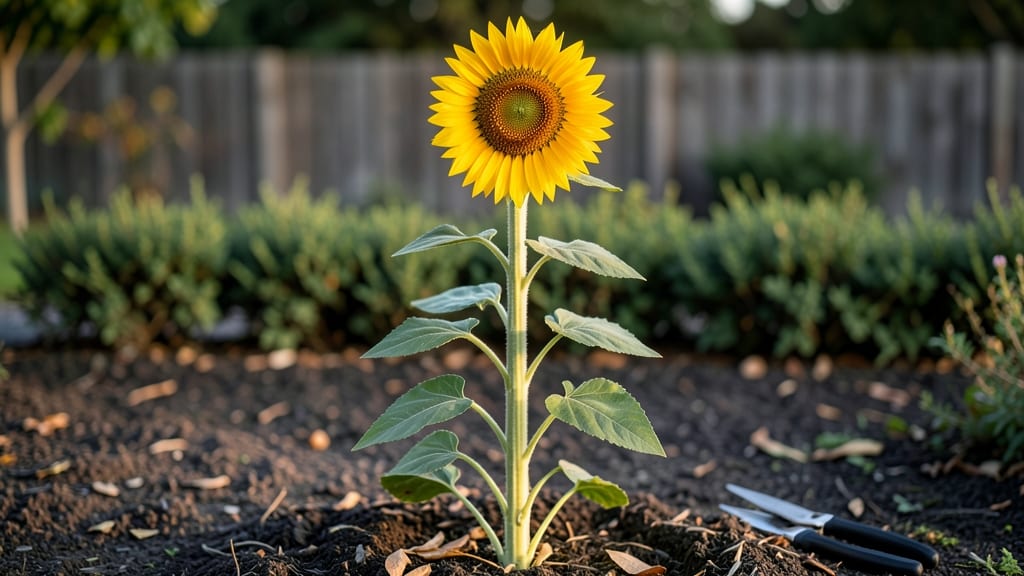
Mexican sunflowers (Tithonia rotundifolia) and their fiery Mexican flower cousins transform gardens into sun-drenched canvases that never quit. 🌻 I fell for them after my first drought-stricken summer—these plants thrived when everything else wilted, their deep oranges and reds standing out like a desert sunset.
The secret lies in their heat-loving nature and pollinator magnetism, making them the backbone of any bold, low-maintenance border.
These sun-worshipers shine brightest in USDA zones 9-11, but even cooler climates can grow them as annuals with a little winter protection. Pair them with drought-tolerant Mexican natives like blanket flower or desert marigold for a border that hums with bees and butterflies all season.
The key to their drama? Full sun and well-draining soil—no fuss, just fireworks.
Imagine your garden in late summer: towering Mexican sunflowers nodding in the breeze, their petals catching the light like molten glass. The blooms last from summer through fall, and with a little deadheading, you’ll get a second flush of color.
These aren’t just plants—they’re a statement, a splash of color that says "I dare you to look away."
Perfect for pollinator gardens, modern landscapes, or even container arrangements, these heat-resistant stars bring drama without the drama. Let’s build a garden that turns heads—and stays vibrant through the hottest months.
📚 In This Guide
- What you need
- Instructions
- Tips and common mistakes
- Wrapping up and next steps
What you need
- ● Seeds or seedlings: Mexican sunflower seeds (10–20, depending on desired coverage)
- ○ Optional: Other Mexican flowers like Mexican poppy (Eschscholzia californica) or Mexican bush sage (Salvia leucantha) for variety
- ● Well-draining soil: Mix 1 part native soil with 1 part compost or potting mix (avoid heavy clay)
- ● Containers or garden bed: For containers: 5–10 gallon pots with drainage holes (1–2 plants per pot)
- ● For in-ground planting: Full-sun spot (6+ hours of light daily)
- ● Watering can or hose with gentle spray nozzle
- ○ Organic fertilizer (optional but recommended): Balanced 10-10-10 or slow-release granular fertilizer (follow package instructions)
- ○ Gloves (optional but handy) – Mexican sunflowers can have thorny stems!
- ● Trowel or small shovel for digging holes (2–3x wider than root ball)
- ● Mulch (straw or shredded bark) – Helps retain moisture and suppress weeds
- ● Pruning shears – For trimming dead blooms or shaping plants
- ● Sun hat & sunscreen (for you!) – These flowers thrive in full sun—so will you while planting!
How to plant and care for heat-loving Mexican sunflowers
These sun-kissed beauties thrive where others wilt—here’s how to coax their vibrant blooms all season.
🌱 Step 1: Choose the Right Spot and Soil
Mexican sunflowers (Tithonia rotundifolia) crave full sun—at least 6-8 hours daily—and tolerate poor soil better than most flowers. I always pick a site with well-draining soil (they hate soggy roots) and sandy or rocky ground if possible. Amend heavy clay with 2-3 inches of compost to improve aeration without adding too much moisture.
Here’s the thing—these plants grow fast, so space them 2-3 feet apart if you want bold, uncrowded stems. If you’re planting in containers, use 5-gallon pots with drainage holes and fill with a mix of potting soil and perlite (50/50 ratio). The roots spread wide, so don’t skimp on depth.
☀️ Step 2: Plant at the Right Time and Depth
Sow seeds after the last frost when soil temps hit at least 65°F. Mexican sunflowers despise cold—even a light frost will kill them. Plant seeds ¼ inch deep, pressing lightly into the soil. I like to space them 6-8 inches apart in rows 18 inches apart for easier maintenance later.
Water deeply after planting to settle the soil around seeds, but don’t drown them. These flowers are drought-tolerant once established, but young seedlings need consistent moisture to germinate. You’ll see sprouts in 7-14 days—watch for tiny green leaves (cotyledons) breaking through the soil.
💧 Step 3: Water and Feed for Maximum Blooms
Once seedlings reach 3-4 inches tall, reduce watering to once a week (unless it’s a heatwave). Mexican sunflowers store water in their thick stems, so overwatering causes root rot. Water at the base in the morning to prevent fungal issues, and avoid wetting the leaves—this keeps blooms cleaner and healthier.
Fertilize lightly with a balanced, water-soluble fertilizer (10-10-10) every 4-6 weeks during the growing season. Too much nitrogen makes them grow leafy but few flowers. I swear by half-strength applications—these plants reward restraint with bold, long-lasting blooms in fiery orange, red, or yellow.
✂️ Step 4: Deadhead and Prune for Continuous Blooms
Here’s the secret to year-round drama: deadhead spent blooms weekly. Snip off faded flowers just above a set of leaves or new buds. This encourages the plant to redirect energy into fresh blooms instead of seed production. I grab a pair of clean pruners and work my way down the stem—never cut more than ⅓ of the plant at once to avoid stress.
If stems get leggy, prune back by ⅓ in early summer to promote bushier growth. Mexican sunflowers are forgiving—they’ll regrow quickly and often rebloom within weeks. Just avoid heavy pruning late in the season, or you’ll cut off next year’s flowers.
🪴 Step 5: Overwinter (If You’re Brave)
In USDA zones 9-11, Mexican sunflowers often self-seed and return yearly. In colder climates, cut back stems to 6 inches tall after the first frost and mulch with 2-3 inches of straw. Some roots survive mild winters, and you’ll often see new sprouts in spring—though they’re not as reliable as annuals.
Real talk: most gardeners treat these as annuals, but I’ve had them reappear for 2-3 years in protected microclimates. If you’re in a frost-prone zone, save seeds from your best blooms for next year—just let a few flowers go to seed before they fade.
Tips & tricks for perfect heat-loving Mexican sunflowers
Between us, these sunflowers are the unsung heroes of the garden—tough as nails and stunning to boot. Here’s how to give them the edge they deserve.
Soil Secrets: Don’t be fooled by their tough exterior—Mexican sunflowers still need well-draining soil to thrive. If you’re working with heavy clay, mix in 2-3 inches of compost to loosen it up, but avoid adding too much organic matter. These plants prefer lean soil that mimics their native rocky environments. For containers, stick with the 50/50 potting soil and perlite mix—this prevents compaction and keeps roots happy.
Timing is Everything: The 6-8 hours of full sun requirement isn’t just a suggestion—it’s non-negotiable for those vibrant blooms. If your garden gets afternoon shade, consider planting in a south-facing area or use reflective surfaces (like white walls) to bounce extra light onto them. Trust me, they’ll reward you with bigger, bolder flowers when they get their sunlight fix.
Pruning Payoff: When you’re deadheading those spent blooms weekly, think of it as a conversation with your plants. Cut just above a set of leaves or new buds to encourage fresh growth. And that ⅓ prune in early summer? It’s not just about shape—it’s about triggering bushier growth and more blooms. Just remember: late-season pruning cuts off next year’s flowers, so save the heavy cuts for early in the season.
Fertilizer Finesse: The instructions mention using a 10-10-10 balanced fertilizer every 4-6 weeks, but here’s the real talk: these plants are divas about nitrogen. Too much, and you’ll end up with lush leaves but few flowers. I’ve found that half-strength applications keep them blooming like crazy without the leafy overgrowth. Think of it as a delicate balance—just enough to feed them, not enough to distract them from their mission: putting on a floral show.
Pro Tips for Mexican Sunflower Mexican Flowers
- Between us, these sunflowers are the unsung heroes of the garden—tough as nails and stunning to boot.
- Soil Secrets: Don’t be fooled by their tough exterior—Mexican sunflowers still need well-draining soil to thrive.
- Timing is Everything: The 6-8 hours of full sun requirement isn’t just a suggestion—it’s non-negotiable for those vibrant blooms.
Frequently asked questions
Got questions about growing or styling Mexican sunflowers (Tithonia rotundifolia) alongside other vibrant Mexican flowers? Here are answers to the most common queries—because every gardener deserves a little clarity!
Can Mexican sunflowers survive extreme heat or drought?
These heat-lovers thrive in USDA zones 9-11 and tolerate drought once established. Water deeply once a week during dry spells, but avoid soggy soil—they hate "wet feet." Mulch helps retain moisture and keeps roots cool. Pro tip: Yellowing leaves? It’s often thirst, not disease!
When is the best time to plant Mexican sunflowers?
Plant seeds or transplants after last frost (spring) or in early fall for a second bloom. They’re annuals in cooler climates but self-seed prolifically. For year-round color, stagger plantings every 4-6 weeks. Bonus: Deadhead spent blooms to encourage more flowers!
Are Mexican sunflowers toxic to pets or wildlife?
Good news! They’re non-toxic to dogs, cats, and birds. However, their milky sap might irritate sensitive skin—wear gloves when handling. Hummingbirds and bees adore them, making them a pollinator powerhouse. Just avoid planting near veggie gardens if you’re squeamish about sap!
How can I use Mexican sunflowers in bouquets or containers?
Their bold orange-red blooms pair perfectly with purple salvias, blue agave, or dusty miller. Cut stems at an angle and change water every 2 days for 2-3 weeks of vase life. For containers, mix with trailing Mexican petunia (Ruellia) or firecracker plant (Russelia) for a fiery combo!
Why are my Mexican sunflower leaves turning yellow or spotted?
Yellow leaves often mean overwatering or fungal issues like powdery mildew. Improve airflow, water at the base (not leaves), and remove affected foliage. Preventative tip: Spray with neem oil if mildew appears. Pests like aphids? Blast them off with water—no harsh chemicals needed!
Still stumped? Drop your question in the comments—we’re happy to help your Mexican sunflowers shine brighter!
Wrapping up and next steps
The Mexican sunflower and other vibrant Mexican flowers aren’t just stunning—they’re tough, drought-resistant, and perfect for adding year-round drama to any garden. 🌻 Whether you’re drawn to their bold colors or their ability to thrive in heat, these blooms prove that beauty and resilience go hand in hand.
Ready to bring a splash of Mexican flair to your space? Start small—plant a few sunflowers in a pot or mix them into your garden beds. Watch as they transform your outdoor (or indoor!) oasis into a lively, sun-drenched paradise. ¡Vámonos! 🌺