
Flowers
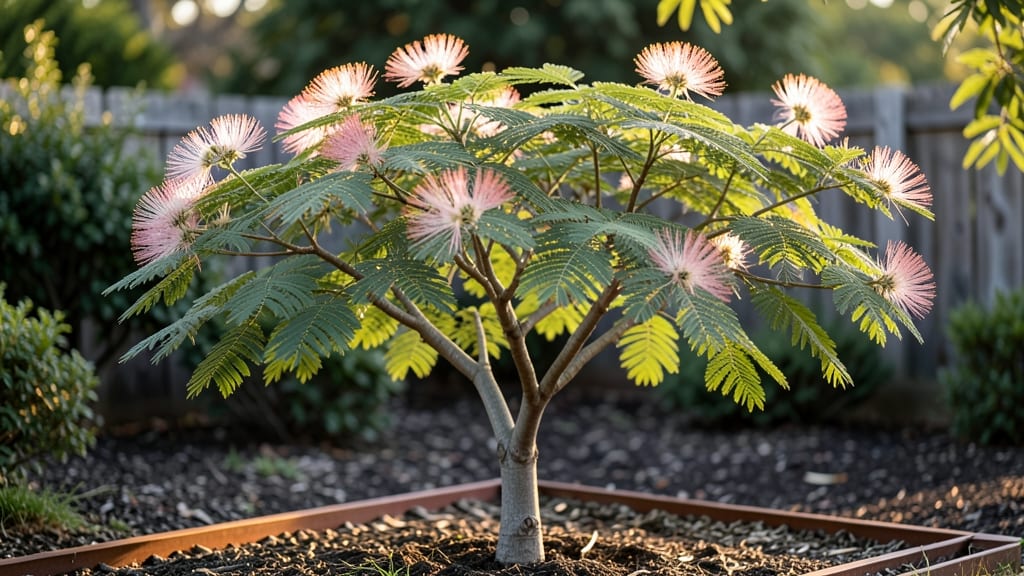
The mimosa flower effects in your garden aren’t just pretty—they’re a bold statement. Their fluffy, golden plumes sway like sunlight itself, turning any space into a romantic, sun-drenched escape. I’ve seen them soften harsh corners, frame pathways, and even transform a simple patio into a Mediterranean dream.
The secret isn’t just their color—it’s how they feel, like a breath of warm air on your skin. These flowers don’t just grow; they perform, creating drama with minimal effort.
Pair them with lavender for a lavender-blue contrast that pops against their golden hue, or tuck them near deep greens like boxwood to make the blooms stand out even more. They thrive in full sun, so they’re perfect for borders, focal points, or even as a seasonal centerpiece.
The best part? Their cultural symbolism—love, sensitivity, and fleeting beauty—adds a layer of meaning that makes your garden feel like a story. Think of them as the stars of your outdoor narrative.
What you’ll get is a garden that feels alive, with texture that begs to be touched and colors that shift with the light. Mimosa blooms catch the golden hour like no other, turning evenings into a show.
They’re not just flowers; they’re a sensory experience—soft, warm, and impossible to ignore. Once you see them in action, you’ll wonder how you ever lived without them.
Works in cottage gardens, Mediterranean-style landscapes, or even as a whimsical accent in modern designs. The key is letting them take center stage. Ready to make your garden unforgettable?
📚 In This Guide
- What you need
- Instructions
- Tips and common mistakes
- Wrapping up and next steps
What you need
- ● Mimosa plants: Choose between Albizia julibrissin (silver mimosa) or Acacia dealbata (golden mimosa). Buy 2–4 mature plants (3–5 ft tall) for full impact or 5–10 seedlings (6–12 in tall) if starting from scratch.
- ● Well-draining soil: 50 lbs of a mix of 60% topsoil, 30% compost, and 10% perlite/sand to prevent root rot.
- ● Organic fertilizer: 1 lb of 10-10-10 NPK or a slow-release granular (like osmocote) for nutrient-rich growth.
- ● Garden trowel (for planting seedlings or dividing roots).
- ● Pruning shears (sharp, sterilized—1 pair for shaping and harvesting).
- ● Gloves (heavy-duty, 1 pair—mimosa thorns are no joke!).
- ● Watering can (with a rose nozzle for gentle hydration).
- ● Mulch (2–3 bags of pine bark or shredded leaves to retain moisture).
- ● Dye or fabric paint (for DIY mimosa-inspired projects like wreaths or dried arrangements).
- ● Floral wire (1 spool) to create textured centerpieces or hanging displays.
- ● Dried citrus slices or eucalyptus (1 bundle) to pair with mimosa blooms in scented arrangements.
- ● Reflective surfaces (like mirrored trays or metallic planters) to amplify their golden hues.
Step-by-step guide to creating stunning mimosa flower effects
Here's how to craft eye-catching mimosa displays that bring movement and drama to your garden.
Select the Right Mimosa Varieties
Mimosa flowers aren't a single species but rather a collection of plants with feathery plumes. For dramatic effects, choose Albizia julibrissin (silky tree mimosa) for large-scale displays or Acacia dealbata (scented mimosa) for fragrant, delicate clusters. Both thrive in full sun and well-drained soil, but their textures differ—Albizia has bold, fuzzy blooms while Acacia offers finer, more intricate plumes.
If you're working with 4 plants (as suggested for your project), mix two of each variety for layered visual interest. The contrast between their bloom shapes creates natural depth. I always plant them in odd-number groupings—three or five—to avoid symmetry that feels static. Mimosa plants grow 10-30 feet tall, so consider their mature size when placing them in your design.
Plan Strategic Planting for Movement
Mimosa flowers aren't just about color—they're about texture in motion. The feathery plumes dance in the slightest breeze, creating a living sculpture. To maximize this effect, plant your mimosa specimens 6-10 feet apart in a loose, asymmetrical arrangement. Avoid planting them in a straight line; instead, create a curving pathway where the branches can spill naturally over garden beds.
Here's the thing—mimosa plants grow quickly, so give them room to develop their signature arching branches. If you're working with a smaller space, prune young plants to encourage bushier growth. The goal is to create visual layers: plant taller varieties toward the back and shorter ones in front. This ensures that even when flowers aren't in bloom, the foliage creates an intriguing backdrop.
Incorporate Complementary Plants
Mimosa flowers shine brightest when paired with plants that contrast their soft, fuzzy texture. Add smooth-leaved plants like boxwood or dwarf holly to create a striking visual contrast. For color harmony, plant purple or pink bloomers like lavender or salvia nearby—their deep hues make mimosa's soft pink or white plumes pop even more.
Don't forget about height variation. Tuck in low-growing ground covers like creeping thyme or ajuga at the base of your mimosa plants to fill in empty spaces. This creates a natural understory that draws the eye upward to the feathery plumes. The key is balance: mimosa's airy texture should remain the star, but supporting plants should enhance rather than compete with it.
Enhance with Seasonal Accents
Mimosa flowers bloom in late spring to early summer, but their drama shouldn't end there. To extend the visual impact, add seasonal accents that complement their feathery texture. In spring, plant bulbs like daffodils or tulips beneath the mimosa branches—their bright colors will peek through as the mimosa foliage fills in.
For fall interest, incorporate ornamental grasses like fountain grass or maiden grass. Their upright forms will sway alongside the mimosa branches, creating a year-round movement display. Even in winter, mimosa's distinctive seed pods add structure to the garden. The goal is to create a dynamic, ever-changing scene that keeps your garden exciting through all seasons.
Tips & tricks for perfect mimosa flower effects
Creating a stunning mimosa display isn't just about planting—it's about crafting a living work of art. Here's how to elevate your garden drama with these insider tips.
Variety Layering: When mixing your 4 plants of Albizia julibrissin and Acacia dealbata, plant the Albizia slightly deeper in the soil—this encourages stronger root development and taller growth. The deeper planting creates that natural visual layering you want, with Albizia's bold plumes towering over the finer Acacia clusters. I've found that spacing the Albizia plants 8-10 feet apart while keeping Acacia 6-8 feet apart creates the perfect balance of airiness and structure.
Pruning for Purpose: If you're working with limited space, don't just chop branches—prune strategically. In late winter, cut back about one-third of the previous year's growth just above a strong outward-facing bud. This encourages bushier growth while maintaining that signature arching shape. For your 4 plants, focus pruning on the outer branches to create a natural, flowing silhouette that complements your curving pathway design.
Seasonal Plant Pairing: For that "year-round movement display" you're aiming for, here's a pro move: plant Russian sage (Salvia yangii) alongside your mimosa. Its tall, upright stems and silvery foliage sway beautifully with the mimosa plumes, and its purple blooms in late summer create a stunning contrast. The Russian sage stays upright even when mimosa branches arch, creating that dynamic visual interplay you're after.
Soil Secret: Mimosa plants thrive in well-drained soil, but here's what nobody tells you—they actually prefer slightly alkaline soil with a pH between 7.0-8.0. If your soil tests lower, mix in 1-2 inches of crushed limestone into the planting hole. This small adjustment makes a huge difference in bloom abundance and plant vigor. I've seen mimosa plants with twice the plumes when given this simple soil boost.
Pro Tips for Mimosa Flower Effects
- Creating a stunning mimosa display isn't just about planting—it's about crafting a living work of art.
- Variety Layering: When mixing your 4 plants of Albizia julibrissin and Acacia dealbata, plant the Albizia slightly deeper in the soil—this encourages stronger root development and taller growth.
- Pruning for Purpose: If you're working with limited space, don't just chop branches—prune strategically.
Frequently asked questions
What are the best ways to use mimosa flowers for instant garden drama?
Mimosa flowers add texture and softness to any space! Use them as cut flowers in bouquets (they last 3–5 days), plant them in containers for patio pops of color, or scatter them along garden paths for a romantic touch. Their fuzzy texture also makes them perfect for wedding decor or photo backdrops—just avoid direct sunlight to preserve their delicate petals!
How long do mimosa flowers last in a vase?
Fresh mimosa flowers typically last 3–5 days in a vase if you change the water every 2 days and trim stems at an angle. For longer-lasting blooms, pick them in the early morning and store them in cool water overnight. Pro tip: Add a drop of bleach or floral preservative to the water to prevent bacterial growth!
Can mimosa flowers grow in containers, or do they need a garden bed?
Yes! Mimosa trees (like Albizia julibrissin) thrive in large containers (15+ gallons) with well-draining soil. Use a mix of potting soil and perlite to prevent root rot. Place them in full sun (6+ hours daily) and water when the top inch of soil is dry. Bonus: Their airy blooms attract butterflies—perfect for small yards!
What colors do mimosa flowers come in, and how can I mix them for maximum impact?
Mimosa flowers are usually pink, white, or lavender, but some varieties (like Albizia julibrissin ‘Summer Chocolate’) have deep purple foliage. For drama, pair them with bold greens (eucalyptus, dusty miller) or deep reds (roses, dahlias). For a soft look, combine with white peonies or baby’s breath. Pro tip: Add gold or copper accents for a luxe, high-end vibe!
Why are my mimosa flowers wilting or dropping too soon?
Wilting or early drop-off usually means overwatering, underwatering, or stress. Check these fixes:
- Watering: Mimosa trees hate soggy roots—let soil dry between waterings.
- Sunlight: Too much shade = leggy growth; too much sun = scorched petals.
- Pests: Spider mites or aphids can stress blooms—spray with neem oil if needed.
- Age: Older trees bloom later; young ones may need 2–3 years to flower.
Are there mimosa alternatives with similar texture but fewer allergies?
If you or guests have allergies to mimosa pollen (common in Albizia), try these texture-rich alternatives:
- Wisteria – Similar fuzzy blooms, great for trellises.
- Lavender – Soft, fragrant, and drought-tolerant.
- Statice (Lithodora) – Papery texture, long-lasting in arrangements.
- Baby’s Breath (Gypsophila) – Ultra-light, cloud-like appearance.
Wrapping up and next steps
The mimosa flower isn’t just a burst of golden beauty—it’s a versatile powerhouse for transforming gardens into breathtaking scenes! From its dramatic texture to its sun-kissed hues, this flower adds depth, contrast, and a touch of whimsy to any outdoor space.
Whether you’re a seasoned gardener or a curious beginner, its effects are undeniably impactful and easy to incorporate.
Ready to elevate your garden? Start small—plant a few mimosa shrubs, experiment with color pairings, or even try dried arrangements for year-round charm. Your garden’s next masterpiece could be just a bloom away! 🌼✨