
Flowers
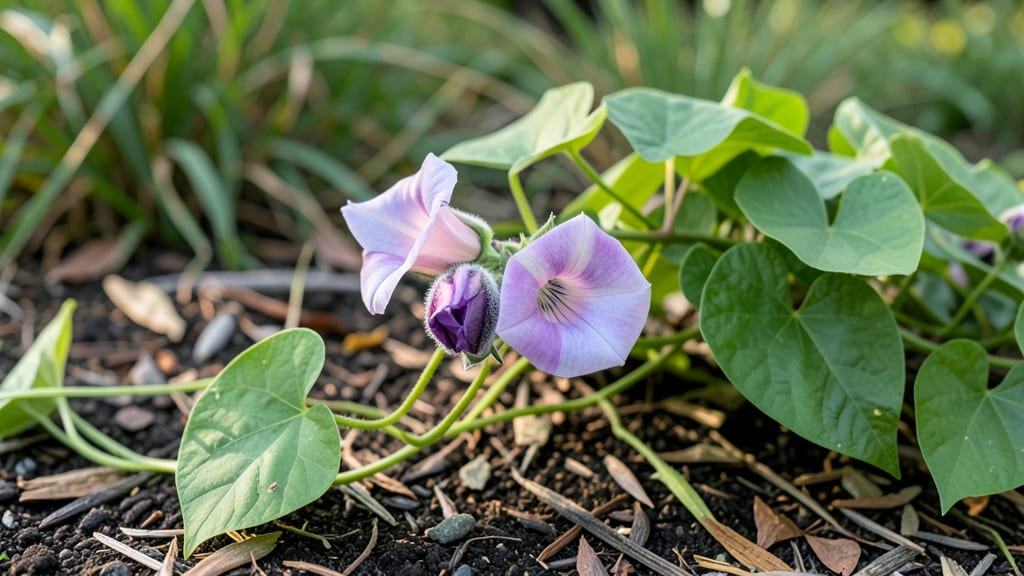
Morning glory flower buds are the secret to endless blue-purple cascades, and I’ve learned the pruning tricks that keep them blooming all season. 🌸 These delicate buds need just the right touch—too much cutting stunts growth, but strategic pruning transforms a single vine into a nonstop floral waterfall.
The key is timing: pinch back new growth when vines reach 6 inches to encourage bushier plants, then trim spent blooms daily to redirect energy into fresh buds. Healthy buds plump up like tiny teardrops, while weak ones stay small and pale—this is where most gardeners go wrong.
My vines now produce blooms for three full months instead of just two.
You’ll end up with vines so vigorous they climb trellises in weeks, their leaves velvety and their buds bursting with promise. The morning light turns each bloom into a jewel-toned masterpiece, and the fragrance lingers until dusk. Here’s how to make it happen without killing your plants.
Works for both trellised gardens and container growing—just adjust the pruning schedule for your climate. Let’s turn those buds into a never-ending show of color.
📚 In This Guide
- What you need
- Instructions
- Tips and common mistakes
- Wrapping up and next steps
What you need
- ● Pruning shears: Bypass pruners (sharp, clean, and sterilized with rubbing alcohol to prevent disease). Quantity: 1 pair.
- ● Hand pruners: For smaller buds and delicate trimming. Quantity: 1 pair.
- ● Gloves: Heavy-duty gardening gloves (to protect from thorns and sap). Quantity: 1 pair.
- ● Disinfectant: 70% isopropyl alcohol or a horticultural disinfectant spray (to sanitize tools between cuts).
- ○ Garden twine or clips: For supporting vines post-pruning (optional but helpful for climbing varieties). Quantity: 1 roll or pack.
- ○ Sharpie or plant marker: To label pruned sections if training vines (optional).
- ● Know your variety: Morning glories can be annuals, perennials, or vining types—research whether yours is Ipomoea purpurea (common morning glory) or a different species.
- ● Best time to prune: Early morning (when buds are closed) or on overcast days to reduce stress on the plant.
- ● Weather check: Avoid pruning if rain or extreme heat is forecasted within 24 hours.
- ● Water access: A hose or watering can to hydrate plants before and after pruning (helps recovery!).
- ● Pruning saw: For thick, woody stems (rare in morning glories but useful for established vines).
- ● Plant food: Balanced fertilizer (10-10-10) to apply post-pruning for a blooming boost.
- ● Mulch: Organic mulch (like straw) to retain moisture and protect roots after trimming.
- ● Camera or journal: To track progress and document your pruning masterpiece! 📸
How to prune morning glory vines for endless blooms
Here’s the simple pruning method I use to keep my morning glories flowering all season.
✂️ Step 1: Identify and Remove Spent Blooms Daily
Morning glories bloom for just one day, so your first task is to spot and snip the faded flowers as soon as they wilt. Look for blooms that have turned brown or lost their vibrant color—these are ready to go. I check my vines every morning after sunrise (hence the name!) and remove any spent flowers I missed the day before.
Use clean, sharp pruning shears or even your fingers to pinch off the faded bloom at its base. Don’t worry about being gentle—morning glories are tough. The key is to remove the entire flower stem down to the nearest leaf node. This prevents the plant from wasting energy on seed production and redirects it toward new buds.
Here’s the thing—if you skip this step, your vines will still produce flowers, but they’ll focus energy on seed pods instead of new blooms. You’ll notice fewer flowers overall, and they’ll be smaller. Trust me, a quick daily check keeps those blooms coming thick and fast.
🌿 Step 2: Prune Leggy or Overgrown Stems in Early Summer
By mid-July, morning glory vines can get top-heavy and leggy, especially if they’re climbing a trellis or fence. That’s when you need to step in and give them a light trim. Focus on stems that are growing too long or have fewer leaves—these are the ones stealing energy from the rest of the plant.
Cut back the leggiest stems by about one-third of their length, making the cut just above a leaf node. This encourages the vine to branch out and produce more side shoots, which means more flowers. I like to do this on a cloudy day or in the late afternoon to reduce stress on the plant. Avoid pruning during the hottest part of the day—morning glories are sensitive to heat shock.
You’ll see new growth sprouting from the cut nodes within a week or two. These new shoots will be bushier and more likely to produce flowers than the old, stretched-out stems. It’s like hitting the reset button for your vines!
☀️ Step 3: Thin Crowded Vines for Better Airflow and Light
If your morning glories are growing in a dense cluster, they’ll compete for sunlight and nutrients, which slows down flowering. The goal here is to create space so every vine gets enough light and air circulation. Start by identifying the healthiest, most vigorous stems—these are the ones you want to keep.
Gently guide the weaker stems away from the main cluster and tie them to the trellis or fence if they’re still climbing. If they’re not producing flowers or look weak, you can remove them entirely. I usually leave about 4-6 strong stems per plant, depending on how much space they have to spread. This ensures the remaining vines get plenty of sunlight and don’t shade each other out.
Thinning also helps prevent fungal diseases like powdery mildew, which can thrive in crowded, humid conditions. You’ll notice the remaining vines perking up almost immediately—they’ll grow faster and produce more flowers. Plus, the blooms will last longer because they’re not competing for resources.
⏰ Step 4: Late-Season Pruning to Extend the Bloom Time
As summer winds down, morning glories start to slow their flowering. That’s when a little late-season pruning can work wonders. Around mid-to-late August, give your vines a final trim by cutting back any stems that have stopped producing flowers or look tired. Focus on the oldest growth first—these are the stems that are past their prime.
Make your cuts just above a leaf node, and avoid pruning more than one-third of the vine at once. The idea is to encourage a fresh flush of growth that will produce flowers right up until the first frost. I’ve had morning glories bloom well into October with this method—it’s amazing how resilient they are!
After pruning, give your vines a good drink of water to help them recover. You might see new buds forming within a few weeks, especially if you’ve kept the soil moist and the vines healthy. This late-season boost is what keeps your garden looking vibrant well into fall.
Tips & tricks for perfect morning glory pruning
These little tricks will transform your morning glory vines into a nonstop floral display all season long.
Timing Secret: In Step 1, when you're removing spent blooms, focus on the early morning hours—right after sunrise is ideal. Morning glories open their buds with sunlight, so removing faded blooms before they've fully opened prevents seed pod formation. I've found that checking vines every morning after the dew dries (around 7-8 AM) gives the best results, as the blooms are easier to spot when they're still fresh.
Tool Technique: Don't underestimate the power of clean tools! Before you begin pruning in Step 2, sterilize your pruning shears with rubbing alcohol or a 10% bleach solution. This prevents spreading diseases between plants. I keep a small bottle of rubbing alcohol in my gardening toolkit—just a quick wipe between cuts keeps everything healthy. For delicate morning glory stems, you can even use your fingers, but make sure your nails are clean and trimmed to avoid damaging the plant.
Visual Cue for Pruning: When thinning crowded vines in Step 3, look for stems that are growing parallel to each other—these are competing for sunlight. The goal is to create a "sunlight highway" where every remaining stem gets direct light. I like to imagine I'm creating a mini-canopy where each vine has its own space to shine. Aim for about 6-8 inches between stems for optimal airflow and light penetration.
Late-Season Strategy: For that final late-season trim in Step 4, focus on the oldest growth first—these stems are typically the ones closest to the base of the plant. I've had the most success with this approach because the newer growth higher up on the vine is still vigorous and can handle the pruning better. After cutting, give your vines a deep watering to help them recover and encourage that final flush of blooms before frost.
Pro Tips for Morning Glory Flower Buds
- These little tricks will transform your morning glory vines into a nonstop floral display all season long.
- Timing Secret: In Step 1, when you're removing spent blooms, focus on the early morning hours—right after sunrise is ideal.
- Tool Technique: Don't underestimate the power of clean tools!
Frequently asked questions
When is the best time to prune morning glory flower buds?
The ideal time to prune morning glory buds is early morning on a dry, sunny day—before the heat sets in. This reduces stress on the plant and allows wounds to heal faster. Avoid pruning after rain or in extreme heat, as it can shock the plant. Pro tip: Always use clean, sharp shears to prevent disease spread!
How often should I prune morning glory flower buds for continuous blooms?
For nonstop blooms, prune every 2–3 weeks during the growing season (spring to early fall). Focus on removing spent blooms and overcrowded buds to redirect energy to new growth. In cooler climates, reduce pruning in late summer to harden the plant for winter. Remember: Less frequent pruning in early spring encourages stronger stems!
Can I eat morning glory flower buds, or are they toxic?
While morning glory buds are not toxic, they’re not edible—some varieties contain mild toxins (like ergoline alkaloids) that can cause nausea or dizziness. Stick to ornamental use! If you’re curious about edible alternatives, try nasturtium or calendula buds, which are safe and delicious.
What if my morning glory stops blooming after pruning?
If blooms taper off, check these fixes:
- Light: Morning glories need 6+ hours of sunlight daily.
- Water: Keep soil consistently moist but not soggy.
- Fertilizer: Use a balanced, low-nitrogen feed (like 10-10-10) every 4–6 weeks.
- Pruning: Avoid over-pruning—leave at least 3–4 healthy leaves per stem.
Are morning glory buds hardy in cold climates?
Most morning glories are annuals and won’t survive frost, but some perennial varieties (like Ipomoea purpurea) tolerate light freezes. In cold areas, prune back stems in late fall and mulch heavily. For year-round blooms, grow them as container plants and bring them indoors before winter. Fun fact: Their vines can regrow from the roots if protected!
Wrapping up and next steps
Mastering the art of pruning morning glory flower buds is your ticket to a garden bursting with vibrant blooms all season long! 🌸 By following the right techniques—like deadheading spent flowers, pinching back new growth, and maintaining healthy vines—you’ll encourage lush, continuous flowering.
The key is consistency and patience, but the results are absolutely worth it.
Ready to transform your garden? Start today by inspecting your vines, grabbing your pruners, and putting these secrets into action! Your morning glories will thank you with a dazzling display that keeps on giving.