
Planting
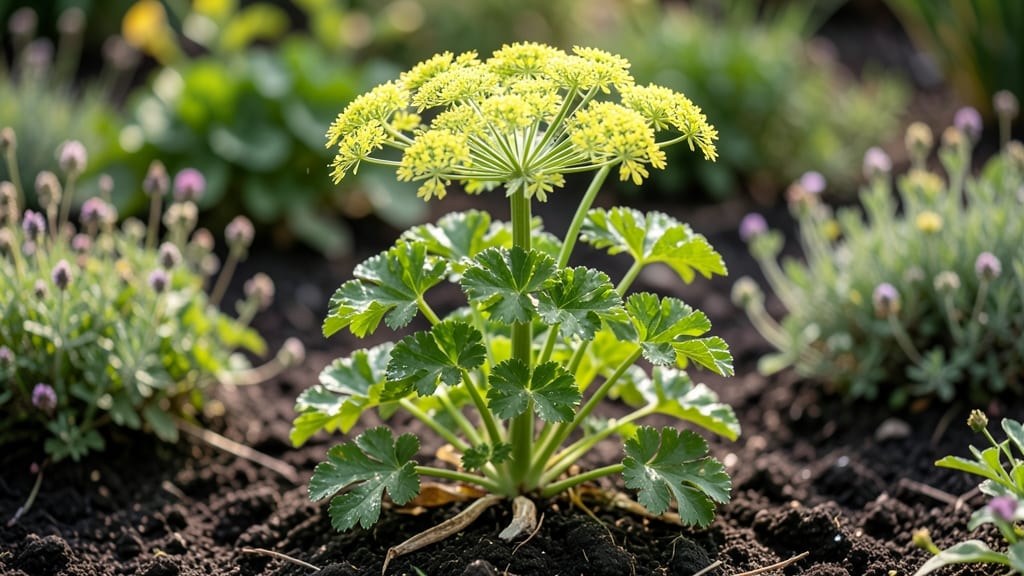
When parsley plants send up those delicate flower stalks, you're not just seeing pretty blooms—you're witnessing the plant's natural shift from leaf production to seed-setting. 🌿 I used to snip off every flower cluster, thinking it would keep my parsley lush forever, but then I learned the truth: those blooms aren't just ornamental.
They're edible, flavor-packed, and essential for attracting pollinators to your garden.
The key is timing and technique. If you want maximum leaf production, remove the flower stalks before they open—this redirects the plant's energy back into those vibrant green leaves you love. But if you're growing parsley for seed or want to support your garden's ecosystem, let a few flowers bloom.
The secret lies in balance: prune strategically, and you'll get both abundant leaves and those lovely edible blossoms throughout the season.
Those tiny white or yellow flowers pack a punch of flavor, perfect for garnishing soups, salads, or even infusing into honey. Plus, they're a magnet for bees and butterflies, turning your herb garden into a mini pollinator paradise.
With just a little attention, you can enjoy parsley that stays productive while also contributing to your garden's health.
Whether you're growing curly or flat-leaf parsley, the same principles apply. The difference is in how quickly they bolt—flat-leaf tends to flower faster in hot weather, so keep an eye on those plants. A little preventive care now means you'll have parsley that keeps giving all season long.
📚 In This Guide
- What you need
- Instructions
- Tips and common mistakes
- Wrapping up and next steps
What you need
- ● Parsley seeds or seedlings: Choose Petroselinum crispum (curly or flat-leaf varieties). Start with 5–10 seeds or 3–5 seedlings for a small harvest.
- ● Well-draining potting soil: A 5–10 gallon bag of organic potting mix (or garden soil amended with compost).
- ● Containers or garden bed: For containers: 5–7 inch diameter pots with drainage holes (1 plant per pot).
- ● For in-ground planting: A sunny spot with 6+ hours of light and loose, fertile soil.
- ● Watering can or hose: With a gentle spray nozzle for moisture control.
- ○ Fertilizer (optional but recommended): A balanced, water-soluble fertilizer (10-10-10) or compost tea for nutrient boosts.
- ● Fish emulsion or seaweed extract (1 tbsp per gallon of water) to encourage flowering.
- ● Pruning shears or sharp scissors: For harvesting flowers and trimming stems (sterilize with rubbing alcohol).
- ○ Gloves (optional): To protect hands from soil or prickly stems.
- ● Twine or small stakes: To support tall parsley stems if needed (especially in windy areas).
- ○ Spray bottle (optional): For misting flowers if growing indoors or in dry climates.
- ● Patience: Parsley flowers typically appear 60–90 days after planting (longer in cooler climates).
- ● Sunlight access: Full sun (6+ hours/day) is ideal, but parsley tolerates partial shade (4–6 hours).
- ● Temperature range: 45–75°F (7–24°C) for optimal growth. Avoid frost if starting seeds outdoors.
- ● Pollinator awareness: If you’re growing for bees/butterflies, avoid pesticides and choose flat-leaf parsley (more attractive to pollinators).
How to encourage and use parsley flowers for flavor and pollinators
Here's how to coax those delicate blooms and make the most of them.
🌿 Step 1: Choose the Right Parsley Variety for Flowers
Flat-leaf parsley (Petroselinum crispum) produces more abundant flowers than curly parsley, so start with that variety. The reason is simple: flat-leaf types focus energy on both leaves and blooms, while curly parsley prioritizes leaf production. Look for established plants at least 6-8 inches tall—they'll flower more reliably than young seedlings.
Real talk: if you're growing from seed, wait until plants have 6-8 true leaves before expecting flowers. That's when they've stored enough energy to support blooms. I always pinch off the first few flowers that appear—this sounds counterintuitive, but it encourages the plant to produce more side shoots that will flower later in the season.
☀️ Step 2: Provide Optimal Conditions for Flowering
Parsley flowers need full sun (6+ hours daily) and consistent moisture to develop properly. Once plants reach 12 inches tall, reduce watering slightly—just keep the soil moist but not soggy. The stress of slightly drier conditions actually triggers flowering in many herbs, including parsley.
Here's the thing—parsley is biennial, meaning it flowers in its second year. If you're growing from seed, let the first year focus on leaf production. In the second year, you'll see those lacy umbels appear naturally. If you're buying established plants, they may flower the same season if given enough light and warmth.
✂️ Step 3: Harvest Flowers at Peak Freshness
Pick flowers when about 50% of the umbels are open but before they fully mature. This is the sweet spot for flavor and pollinator appeal. Use clean scissors or fingers to snip stems at a 45-degree angle—this prevents water from pooling on the cut and encourages more blooms to form.
Don't harvest more than one-third of the flowers at a time. You'll see new buds forming within 2-3 weeks if the plant has enough energy. I like to harvest flowers in the morning when dew is still present—they'll stay fresh longer and have the most intense flavor. Store harvested flowers in a paper bag in the fridge for up to 5 days.
🌱 Step 4: Use Flowers Creatively in Cooking and Pollinator Gardens
Parsley flowers add a mild anise-like flavor that's perfect for garnishes, pestos, and infusions. Toss a handful into vinegar or olive oil for a floral twist, or sprinkle fresh petals over soups and salads. The flavor is subtle but delightful—think of it as parsley's floral cousin.
For pollinators, parsley flowers are a magnet for bees and butterflies. Plant parsley near other herbs like dill and cilantro to create a pollinator-friendly herb garden. The more flowers you allow to go to seed, the more next year's parsley plants you'll get—nature's way of rewarding good stewardship.
Tips & tricks for perfect parsley plant flowers
These little-known tricks will help you maximize both flavor and pollinator appeal from your parsley blooms.
Variety Matters: Flat-leaf parsley (Petroselinum crispum) is your best bet for abundant flowers—it produces twice as many blooms as curly parsley. If you're growing from seed, wait until plants reach 6-8 inches tall with 6-8 true leaves before expecting flowers. This ensures they've stored enough energy to support blooms. Confession: I skipped this step for years and wondered why my seedlings never flowered!
Pruning Hack: Pinching off the first few flower buds might seem counterintuitive, but it works! This technique redirects the plant's energy to produce more side shoots that will flower later. Do this when plants reach 12 inches tall—that's when they're ready to branch out. Think of it as giving your parsley a haircut to encourage thicker growth.
Harvesting Timing: The 50% open rule is key—harvest when half the umbels are open but before they fully mature. This gives you the perfect balance of flavor and pollinator appeal. I harvest in the morning when dew is still present; the flowers stay fresher longer and have the most intense flavor. Store them in a paper bag in the fridge for up to 5 days to preserve that freshness.
Pro Tips for Parsley Plant Flowers
- These little-known tricks will help you maximize both flavor and pollinator appeal from your parsley blooms.
- Variety Matters: Flat-leaf parsley (Petroselinum crispum) is your best bet for abundant flowers—it produces twice as many blooms as curly parsley.
- Pruning Hack: Pinching off the first few flower buds might seem counterintuitive, but it works!
Frequently asked questions
about parsley plant flowers—because growing and using them can spark curiosity! Here are answers to common queries to help you make the most of these edible blooms.Can you eat parsley flowers?
Parsley flowers are 100% edible and add a delicate, slightly sweeter flavor than the leaves. Use them fresh in salads, garnishes, or as a garnish for soups and sauces. Just ensure they’re pesticide-free if harvesting from your garden.
When do parsley flowers bloom?
Flat-leaf parsley typically blooms in late spring to early summer, while curly parsley may take longer (sometimes into summer). Flowers appear as tiny green umbels (clusters) that gradually turn yellow or white. Pinching off early blooms can encourage leafier growth.
Are parsley flowers good for pollinators?
Yes! Parsley flowers are a fantastic pollinator magnet, attracting bees, butterflies, and hoverflies. Planting parsley in your garden supports local ecosystems while adding beauty and flavor. Avoid pesticides to keep these helpful visitors thriving.
What if my parsley plant flowers but won’t produce leaves?
If your parsley is flowering excessively, it’s likely bolting—a natural response to heat or age. To prioritize leaf growth, trim flowers as they appear. For future plants, choose slow-bolting varieties like ‘Moss Curled’ or grow parsley in cooler seasons.
Can I dry parsley flowers for later use?
Drying parsley flowers is possible, but they lose some flavor. Hang small bundles upside down in a dark, dry place for 1–2 weeks. Store dried flowers in an airtight container. For best results, use them fresh or freeze them in ice cube trays with water or oil.
Wrapping up and next steps
Growing parsley plant flowers isn’t just a rewarding hobby—it’s a delicious and eco-friendly way to enhance your garden and kitchen! 🌸 Whether you’re drawn to their vibrant colors, unique flavors, or their role in supporting pollinators, these edible blooms are a game-changer for both foodies and nature lovers.
Now that you’re armed with the know-how, why not take the next step and plant a few parsley seeds today? Start small, experiment with recipes, or even share your harvest with friends—your garden (and taste buds) will thank you!