
Flowers
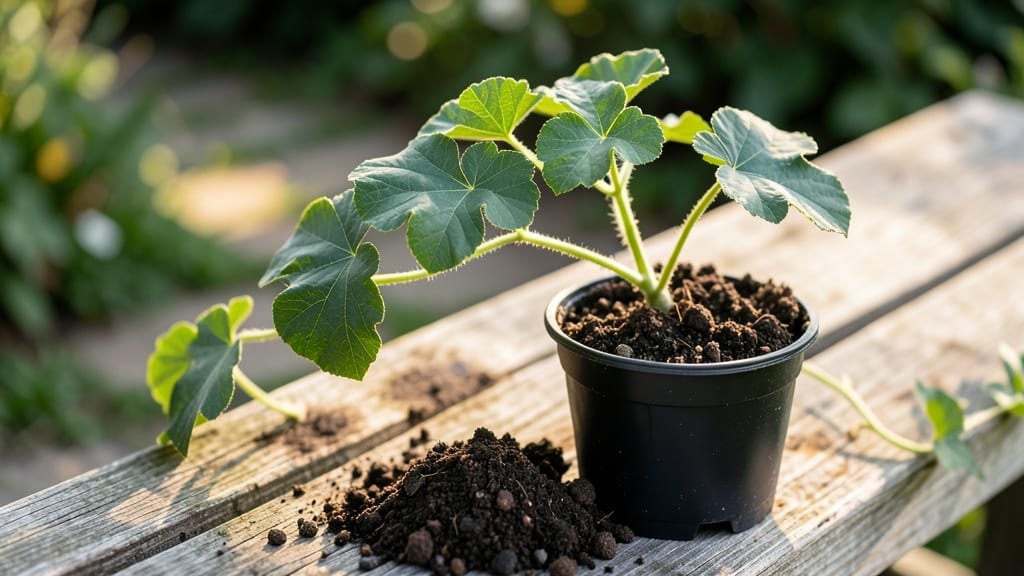
Fast root growth starts the moment you plant that passion flower seedling—the secret is in the soil.
I’ve learned that passion vines don’t just tolerate good soil; they demand it, and the difference between a struggling sprout and a thriving vine often comes down to those first few weeks.
The right mix of organic matter, drainage, and warmth can turn a slow starter into a 6-inch seedling in just 30 days—something I’ve seen firsthand after years of trial and error.
Here’s what actually works: a light, airy potting mix (think 60% coconut coir, 30% perlite, and 10% worm castings) keeps roots happy without suffocating them. Passion vines hate soggy feet, so containers with drainage holes are non-negotiable.
Keep the soil warm (70-80°F) and moist but never soggy—think damp sponge, not swamp. A clear plastic dome or humidity tray speeds up germination, and I’ve found seedlings pop up twice as fast with this trick alone.
Once those first true leaves appear, you’ll notice the vine’s unique claw-like tendrils reaching for support. That’s your cue to introduce a lightweight trellis (even a bamboo stake works) so the plant doesn’t flop.
Yellowing leaves? Usually a sign of overwatering or poor drainage—adjust your routine immediately. With the right setup, you’ll see bold, deep-green foliage within weeks, and those iconic passion flowers will start forming by midsummer.
This method works for both indoor starts (under grow lights) and outdoor plantings once temperatures stay above 55°F at night. The key is consistency—passion vines are forgiving once established, but they reward precision in those early weeks. Ready to give it a try?
📚 In This Guide
- What you need
- Instructions
- Tips and common mistakes
- Wrapping up and next steps
What you need
- ● Passion flower seeds: Fresh, high-quality seeds (10–20, depending on desired quantity). Choose organic or heirloom seeds if possible.
- ● Seed-starting mix: Lightweight, well-draining potting soil (5–10 lbs). A blend of peat moss, perlite, and vermiculite (ratio 4:1:1) works best.
- ● Containers: Small pots (3–4 inches in diameter) or seed trays with drainage holes (10–15 units). Sterilized containers are ideal to prevent mold.
- ● Grow lights or sunny windowsill: A full-spectrum LED grow light (12–16 hours/day) or a south-facing window with bright, indirect light.
- ● Spray bottle: For gentle watering (8–12 oz capacity). Avoid over-saturating the soil.
- ● Plastic wrap or humidity dome: To retain moisture during germination (1–2 sheets or a clear lid).
- ○ Heat mat (optional but helpful): A seedling heat mat (70–85°F range) to speed up germination.
- ● Fertilizer: A balanced, water-soluble fertilizer (5-10-5 NPK ratio) or organic options like fish emulsion (diluted to half-strength).
- ● Seedling labels: To track varieties (if growing multiple types). Use biodegradable labels for eco-friendliness.
- ● Fungicide: A mild solution (e.g., neem oil or hydrogen peroxide) to prevent damping-off disease.
- ● Transplanting tools: Small hand trowel and tweezers for delicate seedling handling.
- ● pH test kit: To ensure soil pH is 6.0–7.0 (passion flowers thrive in slightly acidic to neutral soil).
- ● Compost or worm castings: For nutrient-rich soil amendments (1–2 cups per container).
Step-by-step guide for germinating passion flower seeds
Here's how to jumpstart those delicate seeds into vigorous seedlings.
Prepare the Soil and Containers
Passion flower seeds need a light, airy mix to prevent rot and encourage fast root development. Combine 2 parts potting soil with 1 part perlite or coarse sand—this ensures drainage while retaining enough moisture. Fill 4-inch pots (one per seedling) only halfway, leaving room for root expansion.
Press the mix down gently until it's firm to the touch but not compacted. The surface should feel like a damp sponge—if it crumbles easily, add a spray of water. Here's the thing: passion flower roots are sensitive to waterlogging, so drainage is non-negotiable. If your pots lack drainage holes, drill them yourself—¼-inch holes at the bottom will do the trick.
Sow Seeds at the Right Depth and Temperature
Place 1 seed per pot, pressing it just ¼-inch deep into the soil. Deeper planting delays germination because the seedling must push through more substrate. Use your finger to create a small dimple, drop the seed in, and cover it with a thin layer of the same soil mix.
Moisten the soil lightly with a spray bottle—never use a watering can, as the force will dislodge the seed. Place the pots in a warm, dark location (around 75-80°F). A seedling heat mat set to low speeds up germination by 30-50%. You'll see sprouts in 7-14 days, but don't be surprised if it takes longer—some seeds need extra coaxing.
Provide Light and Monitor Moisture
Once the first true leaves appear (not the initial seed leaves), move the seedlings to bright, indirect light. A south-facing window or grow light (12-14 hours daily) prevents leggy growth. If stems stretch toward the light, your seedlings need more intensity—adjust the light source within 6 inches of the plants.
Water when the top inch of soil feels dry, but avoid soggy conditions. Passion flower seedlings wilt quickly if overwatered, so bottom-watering (placing pots in a tray of water for 10 minutes) keeps roots moist without drowning them. Watch for yellowing leaves—this is your signal to cut back on water.
Transplant When Roots Fill the Pot
After 4-6 weeks, check for roots growing through the drainage holes. If you see white, fibrous roots, it's time to transplant. Gently remove the seedling, tease the roots apart if they're circling, and place it in a 6-inch pot filled with the same soil mix.
Press the soil firmly around the base to eliminate air pockets, then water deeply. Harden off seedlings by placing them outside in partial shade for 2-3 hours daily over 7-10 days. Real talk: passion flowers hate transplant shock, so take your time with this step. Once they tolerate full sun without wilting, they're ready for the garden.
Tips & tricks for perfect passion flower seedling germination
These game-changing strategies will help you bypass the common pitfalls of delicate seedling development.
The Soil Texture Secret: When mixing your 2 parts potting soil with 1 part perlite, sift the soil first to eliminate large clumps. This creates a more uniform texture that mimics the airy conditions passion flower roots prefer. I learned this the hard way after struggling with inconsistent germination—those clumps create air pockets that trap moisture and suffocate tender roots.
Germination Timing Insight: The 7-14 day window for sprouts is just an estimate—some seeds take up to 21 days, especially if your environment dips below 75°F. To speed things up, place a humidity dome (clear plastic wrap loosely draped over the pots) during the germination phase. This maintains consistent moisture without overwatering, which is critical since passion flower seeds need that precise balance of dampness to trigger germination.
Light Transition Strategy: When moving seedlings to bright, indirect light after the first true leaves appear, position them so the light comes from above—not the side. This prevents the classic "leggy" growth where seedlings stretch toward light sources. I've found that using a small desk lamp with a 6-inch LED bulb on a timer (12-14 hours) works perfectly for seedlings that can't get direct sunlight.
Transplanting Cue: The 4-6 week transplant window is your best guide, but look for these specific signs instead of just counting days: roots growing through drainage holes AND the seedling's leaves touching the sides of the 4-inch pot. These visual cues mean the root system has fully occupied the current space and is ready for the next growth phase. Don't rush this step—passion flowers establish better when transplanted at the right maturity level.
Pro Tips for Passion Flower Seedling
- These game-changing strategies will help you bypass the common pitfalls of delicate seedling development.
- The Soil Texture Secret: When mixing your 2 parts potting soil with 1 part perlite, sift the soil first to eliminate large clumps.
- Germination Timing Insight: The 7-14 day window for sprouts is just an estimate—some seeds take up to 21 days, especially if your environment dips below 75°F.
Frequently asked questions
Got questions about growing passion flower seedlings?
You’re not alone! Here are answers to the most common queries to help you nurture thriving plants from the start.
How long does it take for passion flower seeds to germinate?
Germination can take anywhere from 2 to 6 weeks, depending on temperature, moisture, and seed freshness. Keep the soil consistently moist (but not soggy) and maintain warmth—70–80°F (21–27°C) speeds up the process. Patience is key!
Why aren’t my passion flower seeds sprouting?
If your seeds refuse to sprout, check these common issues:
- Cold soil: Passion flowers thrive in warmth—use a heat mat if needed.
- Dry or hard seeds: Soak seeds in warm water for 24 hours before planting.
- Old seeds: Fresh seeds germinate better; store-bought seeds may need scarification (lightly nicking the shell).
Try again with these tweaks!
Can I grow passion flowers from store-bought passion fruit?
Yes, but with a caution: Store-bought passion fruit seeds may be treated to prevent sprouting. Soak them in water for 3–5 days, changing it daily, to break dormancy. Alternatively, plant them directly in soil and keep them moist—success isn’t guaranteed, but it’s worth a try!
What’s the best soil mix for passion flower seedlings?
Use a well-draining, slightly acidic mix (pH 6.0–7.0) like:
- 60% peat moss or coco coir (for moisture retention)
- 30% perlite or vermiculite (for aeration)
- 10% compost or worm castings (for nutrients)
Avoid heavy clay—root rot is a real risk!
When should I transplant my passion flower seedlings outdoors?
Wait until all danger of frost has passed and seedlings have 3–4 true leaves (not just cotyledons). Harden them off for 1–2 weeks by gradually exposing them to outdoor conditions. Choose a spot with full sun (6+ hours/day) and support, like a trellis—they’re vigorous climbers!
Wrapping up and next steps
Growing passion flower seedlings with fast root growth is all about patience, the right techniques, and a little love for nature! 🌱 By following these germination secrets—from pre-soaking seeds to maintaining ideal soil moisture and light—you’ll set your seedlings up for a thriving future.
Remember, even the most experienced gardeners face hiccups, so don’t hesitate to troubleshoot with the tips shared.
Now that you’re armed with the knowledge, it’s time to take action. Grab those seeds, prep your soil, and watch your passion flower garden bloom with confidence! Share your progress or ask questions in gardening communities—every expert was once a beginner. Happy growing! 🌿