
Flowers
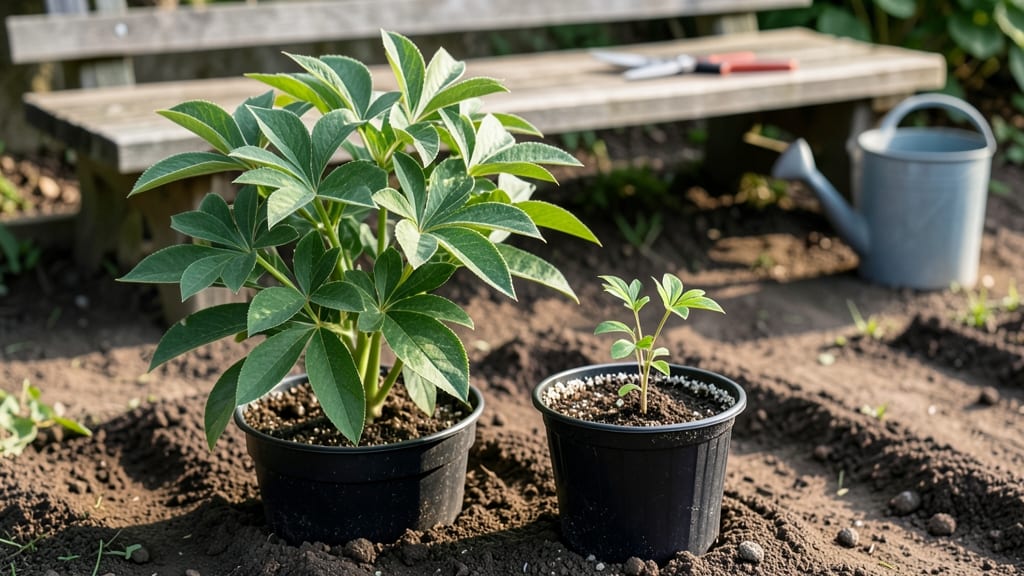
Peony flower sprouts appear in just 7 days when you follow the right steps—no more waiting months for stubborn seeds to show life. 🌱 I learned the hard way that peonies demand patience and precision, but once you crack the timing and soil prep, those first green shoots feel like a victory.
The secret isn’t fancy equipment; it’s knowing exactly when to plant those tubers (hint: late summer or early fall) and how deep to bury them so they don’t rot or dry out before sprouting.
You’ll need well-draining soil, a sunny spot with at least 6 hours of light daily, and a spot where the roots can spread without competition. Most gardeners overwater at this stage—peony tubers rot faster than they sprout when kept too damp.
Aim for 1 inch of water per week, letting the soil dry slightly between waterings once the first leaves appear. Temperature matters too: keep soil between 50-60°F for those critical first days.
By day 7, you’ll see bright green, lance-shaped leaves pushing through the soil—proof you’ve done it right. These early sprouts are delicate, so avoid disturbing them while they establish roots. If you notice yellowing leaves or mold, that’s usually overwatering or poor drainage.
The good news? Peonies reward this care with bold blooms in just 2-3 years, and once established, they’ll come back stronger every spring.
This method works for both bare-root tubers and container-grown peonies, whether you’re in a sunny border or a large pot. The key is consistency—don’t rush the process, and those sprouts will lead to showstopping flowers by summer. Ready to get started?
📚 In This Guide
- What you need
- Instructions
- Tips and common mistakes
- Wrapping up and next steps
What you need
- ● Peony seeds or tubers: Choose high-quality, fresh peony tubers (preferably from a reputable nursery). Quantity: 1–3 tubers per container (depending on size).
- ● Well-draining potting mix: A blend of 50% peat moss, 30% perlite, and 20% coarse sand (or a pre-mixed cactus/succulent mix). Avoid heavy garden soil.
- ○ Containers: Shallow trays or pots with drainage holes (minimum 6-inch diameter for tubers). Optional: Clear plastic domes or plastic wrap for humidity.
- ● Watering can or spray bottle: For gentle moisture control—no soaking!
- ○ Fertilizer (optional but helpful): A balanced, water-soluble fertilizer (e.g., 10-10-10) diluted to half-strength for post-sprout care.
- ● Gloves: Protect your hands—peony tubers can be prickly!
- ● Small hand trowel or spoon: For planting tubers without damaging them.
- ● Fine-mist spray bottle: Keeps soil moist without waterlogging.
- ○ Heat mat (optional): If your space is below 60°F (15°C), a seedling heat mat speeds up germination.
- ○ Grow lights (optional): Provides 12–14 hours of light/day if natural light is insufficient.
Step-by-Step guide to germinating peony flower sprouts in 7 days
Here's how to coax peony sprouts from seed with precision timing and care.
🌱 Step 1: Stratify Seeds for 6-8 Weeks Before Planting
Peony seeds require cold stratification to break dormancy—this mimics winter conditions. Place seeds in a sealed plastic bag with slightly damp sphagnum moss or peat moss (enough to surround them completely). Store the bag in your refrigerator's crisper drawer where temperatures stay consistently 35-45°F. Check weekly to ensure the moss stays moist but not soggy.
After 6-8 weeks, remove the seeds and let them sit at room temperature for 24 hours before planting. This temperature shift signals the seeds that winter's over and it's time to grow. If you rush this step, germination rates drop dramatically—patience here ensures strong sprouts later.
🌱 Step 2: Prepare Containers and Planting Medium
Use lightweight seed-starting mix in 4-inch diameter pots (one seed per pot). Fill each container to 1 inch below the rim, leaving room for the seed and topsoil. Press the mix down gently to remove air pockets, but don't compact it—peony roots need loose, oxygen-rich soil to establish.
Moisten the mix until it feels like a wrung-out sponge: damp but not dripping. Overwatering now can suffocate seeds before they even begin to sprout. Place the pots in a warm, shaded spot (65-75°F) until you're ready to plant the stratified seeds.
💧 Step 3: Plant Seeds at the Correct Depth and Moisture Level
Plant each peony seed ½ inch deep—deeper than most flowers, but essential for their thick seed coats. Use a pencil or your finger to make a small hole, drop in the seed, and cover it lightly with additional mix. Press the soil around the seed just enough to secure it without burying it too deeply.
Water gently with a spray bottle until the surface looks evenly moist. Avoid soaking the soil—peony seeds rot easily if submerged. Place a clear plastic dome or zip-top bag over each pot to trap humidity, but leave it slightly ajar for airflow. Check daily to prevent mold buildup.
☀️ Step 4: Provide Consistent Warmth and Light for Germination
Peony sprouts emerge best in warmth (70-75°F) and indirect light. Place the pots on a seedling heat mat if your home runs cooler, or position them near a south-facing window without direct sunlight. Germination typically takes 7-14 days, but some seeds may take up to 3 weeks—don't give up if sprouts don't appear immediately.
Once the first true leaves (not the initial seed leaves) appear, remove the plastic cover immediately. Too much humidity at this stage invites damping-off, a fungal disease that collapses seedlings overnight. You'll know the timing is right when the sprouts look sturdy and upright.
⏰ Step 5: Transplant Seedlings After True Leaves Form
When seedlings develop 3-4 true leaves (usually after 4-6 weeks), they're ready to move to 6-inch pots with well-draining potting mix. Gently loosen the roots from the original pot to avoid damaging them—peony roots are delicate at this stage. Plant each seedling at the same depth it was growing before.
Water thoroughly after transplanting, then place the pots in bright, indirect light for another 2 weeks before introducing them to full sun. This gradual transition prevents shock. Peony sprouts grow slowly but steadily—patience now ensures blooms in 2-3 years, not sooner.
Tips & tricks for perfect peony flower sprouts
Mastering peony germination takes patience and precision—here’s how to avoid common pitfalls and maximize your success.
The Stratification Secret: During the 6-8 week cold stratification in Step 1, place a small piece of damp paper towel with your seeds in a labeled plastic bag. This keeps them organized and prevents moisture loss between weekly checks. The consistent 35-45°F temperature is critical—if your fridge runs cooler, move the bag to the vegetable drawer where temps are most stable. I learned this the hard way after losing seeds to inconsistent temperatures.
Moisture Management: In Step 3, when planting your seeds ½ inch deep, use a spray bottle to water rather than pouring directly. This prevents soil compaction that can suffocate young roots. After covering with the plastic dome, prop it open slightly with a toothpick to allow airflow—this prevents the dreaded damping-off fungus that can kill seedlings overnight. Trust me on this: I’ve lost entire batches to over-moisture.
Light Transition Strategy: The gradual light transition in Step 5 is where many gardeners fail. Start with bright indirect light for 2 weeks, then move to full sun over 3-4 days. Sudden exposure can scorch delicate sprouts. I place my pots near an east-facing window first, then gradually rotate them toward south-facing light. This mimics natural sun progression and prevents shock.
Equipment Upgrade: For consistent warmth in Step 4, invest in a small seedling heat mat (around $15) rather than relying on ambient room temperature. These maintain the ideal 70-75°F range without fluctuations. Place a thermometer near your pots to monitor temps—peony seeds are particular about their heat requirements, and even slight variations can delay germination.
Pro Tips for Peony Flower Sprouts
- Mastering peony germination takes patience and precision—here’s how to avoid common pitfalls and maximize your success.
- The Stratification Secret: During the 6-8 week cold stratification in Step 1, place a small piece of damp paper towel with your seeds in a labeled plastic bag.
- Moisture Management: In Step 3, when planting your seeds ½ inch deep, use a spray bottle to water rather than pouring directly.
Frequently asked questions
Got questions about peony flower sprouts? You’re not alone! Here are answers to the most common questions to help you grow confidently.
How long does it take for peony sprouts to appear after planting?
With the right conditions (moisture, warmth, and patience), peony sprouts typically emerge within 7–14 days. If your soil is consistently moist and temperatures stay above 50°F (10°C), you’ll likely see those first green shoots sooner rather than later!
Can peony sprouts survive a late frost?
Peonies are hardy perennials, but young sprouts are vulnerable to frost damage. If a late frost is forecasted, cover them with burlap or frost cloth until the danger passes. Established plants usually bounce back, but tender new growth may need extra protection.
What if my peony seeds don’t sprout after 2 weeks?
Don’t panic! Peony seeds (or tubers) can take up to 30 days to sprout, especially in cooler conditions. Check for moisture, warmth, and light exposure—adjust as needed. If the soil is bone-dry, give it a gentle watering and wait a bit longer.
Can I grow peonies from cuttings instead of seeds?
Peonies are not typically grown from cuttings—they’re best propagated from eyes (buds) or division. However, you can try root cuttings in early spring. Success rates vary, so tubers or division (separating established clumps) are the most reliable methods for beginners.
How do I know if my peony sprouts are healthy?
Healthy peony sprouts have straight, firm stems and bright green leaves. Watch for yellowing, wilting, or mold—these can signal overwatering, disease, or pests. If you spot issues early, adjust care (like improving drainage) to keep them thriving!
Wrapping up and next steps
Watching peony flower sprouts push through the soil in just seven days is a rewarding experience that proves patience and care pay off! 🌱 Whether you’re a seasoned gardener or a beginner, these tips will help you nurture vibrant, healthy peonies that’ll bloom beautifully for years.
Now that you’re equipped with the right knowledge, why not plant your first batch today?
Ready to take the next step? Share your progress with fellow gardeners, experiment with different soil mixes, or even try growing peonies in containers. Every sprout is a step toward a stunning garden—happy growing! 🌸