
Flowers
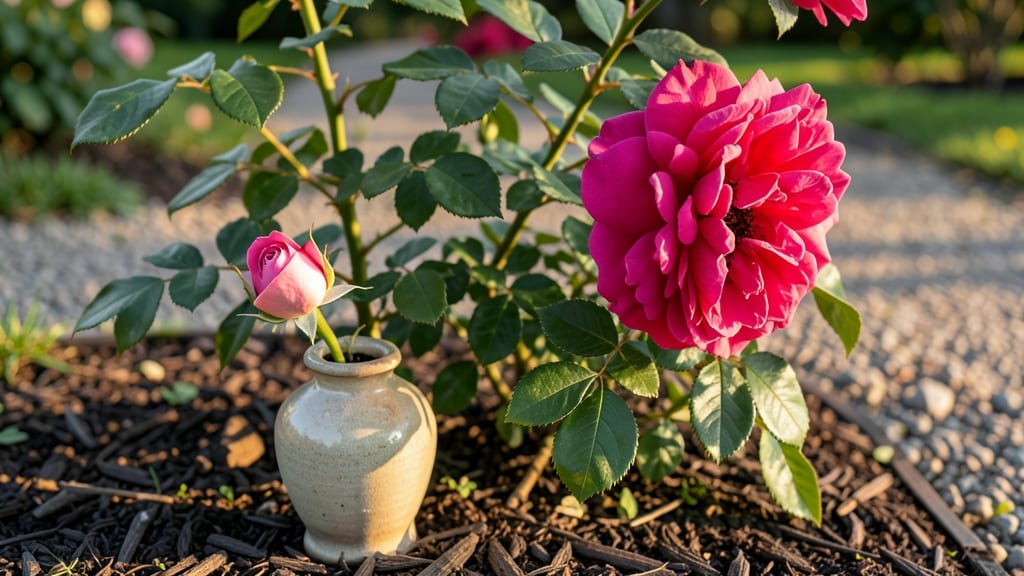
The pink flower meanings hidden in your garden are more than whispers—they’re love letters in petals. 🌸 From blush roses declaring romance to peonies celebrating gratitude, every shade of pink carries a secret message waiting to turn your garden into a living story.
The secret lies in how you arrange them: a border of soft pinks for timeless elegance, or bold fuchsia clusters to make a statement that feels like a secret shared between you and the garden.
Here’s the thing—pink isn’t one color, it’s a spectrum of emotions. Pair dusty rose with sage green for a vintage cottage feel, or contrast it with deep purple for a moody, dramatic look that still feels romantic.
In Japanese gardens, pink camellias symbolize admiration, while Victorian florists used blush carnations to convey a mother’s undying love. Your garden can do both—layer meanings like a quilt, where every bloom adds another thread to the story.
Imagine walking through your garden in June, where clusters of pink hydrangeas nod in approval (they mean "gratitude" in language of flowers), while trailing pink impatiens spill over edges like a blush. The colors soften hard lines, making even a small patio feel like a sanctuary.
You’ll notice how pink flowers attract hummingbirds and butterflies too—their pollinators arrive like silent guests at your garden’s storytime.
Start small: a single pink peony in a terracotta pot on your porch, or a diagonal drift of pink salvia along a pathway. The key is letting the meanings inspire placement—like positioning pink ranunculus near seating areas to invite conversations that feel as warm as their petals.
Your garden will become a place where every visitor pauses, wondering what the flowers are saying.
📚 In This Guide
- What you need
- Instructions
- Tips and common mistakes
- Wrapping up and next steps
What you need
- ● Pink flowers (fresh or dried): 3–5 varieties (e.g., peony, rose, carnation, hydrangea, or gerbera daisy—each carries unique meanings!).
- ● Field guide or app: A flower identification book (like National Audubon Society Field Guide) or a plant-ID app (e.g., PlantNet or iNaturalist) for real-time lookup.
- ● Notebook & pen: A dedicated journal for recording flower meanings, colors, and personal associations.
- ○ Magnifying glass (optional): For close-ups of petal textures, stamens, or subtle color gradients.
- ● Scissors or pruners: Sharp, clean pair for harvesting or trimming stems.
- ● Water container: A vase or jar (8–12 inches tall) for fresh flowers or a drying tray (if preserving).
- ○ Floral preservative (optional): A packet (like Floralife) to extend freshness.
- ● Camera or phone: For documenting colors, patterns, and your garden’s "flower stories."
- ○ String/yarn (optional): For crafting dried flower garlands or mobiles.
- ● Patience: Pink flowers often symbolize nuance—take time to observe their shades (blush, fuchsia, magenta) and cultural contexts.
- ● Curiosity: Research local folklore or historical uses (e.g., pink roses in Victorian love letters!).
- ● Sunlight access: Ideal for growing your own pink blooms (e.g., pansies or snapdragons).
How to use pink flowers to craft meaningful garden narratives
Pink flowers aren’t just pretty—they’re storytellers. Here’s how to weave their symbolic secrets into your garden’s narrative.
🌿 Step 1: Choose Flowers Based on Their Symbolic Themes
Pink flowers carry layered meanings, so pick varieties that align with your garden’s message. Carnations in soft pink symbolize sweetness and admiration, perfect for romantic corners. Peonies in blush tones represent prosperity and compassion, ideal for welcoming pathways. Roses—the quintessential pink storytellers—range from deep blush (gratitude) to pale pink (sincere appreciation). I always group flowers by theme: a "gratitude border" with blush roses and pink hydrangeas, or a "joyful entrance" with cheerful pink geraniums and sweet peas.
Check the bloom time too. Sweet peas (spring) evoke delicate romance, while dahlias (summer/fall) bring bold, passionate energy. Mixing seasonal pinks ensures your garden’s story unfolds year-round. For example, pair early pinks (Dianthus) with late carnations to create a timeline of affection.
🌱 Step 2: Design Layouts That Tell a Visual Story
Arrange pink flowers in ways that guide visitors through your narrative. Start with light pink flowers (like stocks or babies’ breath) near entryways to set a gentle, welcoming tone. Deeper pinks—roses or carnations—can lead to focal points like benches or fountains, where their meanings deepen. I like creating "whispering paths" lined with pink clematis or climbing roses, where the colors and symbols unfold as you walk.
Use height and placement to emphasize meaning. Place pink peonies (compassion) at eye level near seating areas, while trailing pink nasturtiums (passion) can spill over edges to invite exploration. Avoid clutter—let each bloom’s message breathe. For example, a single pink camellia (desire) beside a garden gate adds intrigue without overwhelming the scene.
☀️ Step 3: Pair Pinks with Contrasting Colors for Clarity
Pink flowers stand out when contrasted with complementary hues. White roses (purity) next to blush pinks (appreciation) create a harmonious balance, while deep burgundy (passion) beside hot pink (admiration) adds drama. I often use green foliage (like hostas or heuchera) to frame pink blooms, letting the colors pop while keeping the garden’s story focused. Avoid muddying pinks with too much yellow—it can dilute their symbolic weight.
Seasonal pairings work too. In spring, pink tulips (perfect love) paired with blue hyacinths (constancy) create a timeless romance theme. In summer, pink dahlias (elegance) with purple salvias (wisdom) suggest sophistication. Always step back to check: if the colors blend into a "pinkish haze," adjust the palette to sharpen the meaning.
✂️ Step 4: Maintain Blooms to Preserve Their Symbolism
Deadheading spent pink flowers keeps your garden’s story vibrant. Remove faded blooms from roses or carnations promptly—their messages lose impact when wilted. I use clean pruners to snip just above a healthy leaf, redirecting energy to new growth. For perennials like peonies, avoid heavy pruning; let their natural shape tell the story of resilience.
Watch for pests too. Aphids on pink roses or powdery mildew on hydrangeas can turn a symbolic garden into a sad sight. Spray with neem oil early to protect blooms. A thriving garden isn’t just pretty—it’s a living narrative. For example, pink clematis trained on a trellis symbolizes enduring love, but only if it’s healthy and climbing strong.
💧 Step 5: Add Personal Touches to Deepen the Meaning
Incorporate small details to make the story uniquely yours. Plant pink lavender (devotion) near a meditation spot, or tuck pink sweet peas (blissful pleasure) into a child’s play area. I once added a pink rose bush (love) beside a bench where my grandmother used to sit—now it’s a quiet corner for reminiscing. Even simple additions like pink garden flags (to mark paths) or engraved stones (with symbolic quotes) layer meaning.
Seasonal swaps keep the narrative fresh. Replace spring pink azaleas (temperance) with fall pink mums (joy) to show how your garden’s story evolves. The key is intention: every plant should feel like a chapter in your garden’s book. For instance, a pink camellia (desire) near a guest’s favorite chair subtly invites them to linger and reflect.
Tips & tricks for crafting meaningful pink flower gardens
Here's what nobody tells you about making your garden's floral story truly unforgettable.
Symbolic Grouping: When selecting flowers in Step 1, I always create "meaning zones" in my garden. For example, dedicate an entire corner to "gratitude flowers" like blush roses and pink hydrangeas, placing them near your front door where visitors first arrive. This visual grouping reinforces the theme without overwhelming the space. The key is to let each section tell its own mini-story while contributing to the overall narrative.
Seasonal Storytelling: The bloom time differences mentioned in Step 1 are your secret weapon. I plan my garden's narrative arc by season—spring's delicate pinks (like sweet peas) set the romantic tone, while summer's bold dahlias build to passionate energy. For a continuous story, I overlap blooms by 2-3 weeks, ensuring no gap in the emotional journey. This creates what I call "narrative continuity" that keeps your garden's message alive throughout the year.
Color Contrast Technique: In Step 3, when pairing pinks with contrasting colors, I use the "70-30 rule" for visual impact. Let 70% of your palette be the pink flowers you're highlighting, with 30% dedicated to complementary colors. For example, a "romance border" might feature 70% pink roses and tulips with 30% blue hyacinths. This ratio keeps the pinks dominant while allowing the supporting colors to enhance their meaning without competing.
Personal Narrative Anchors: For Step 5, I always plant at least one "memory anchor" flower that ties directly to personal experiences. This could be a pink rose where you first proposed, or pink lavender near your meditation spot. These anchors create emotional resonance that makes your garden's story uniquely yours. I recommend planting these near high-traffic areas where visitors will naturally pause and reflect.
Pro Tips for Pink Flower Meanings
- Here's what nobody tells you about making your garden's floral story truly unforgettable.
- Symbolic Grouping: When selecting flowers in Step 1, I always create "meaning zones" in my garden.
- Seasonal Storytelling: The bloom time differences mentioned in Step 1 are your secret weapon.
Frequently asked questions
Got questions about pink flowers and their meanings? You’re not alone! Here are some of the most common inquiries—and their answers—to help you decode the symbolism behind these charming blooms.
What does a single pink flower mean in different cultures?
A single pink flower often symbolizes gratitude, admiration, or gentle love across many cultures. In Victorian times, it represented sincerity and sweetness, while in Japan, pink cherry blossoms (sakura) embody transience and renewal. Always check the context—color shades (like blush vs. fuchsia) can tweak the meaning!
Can I mix pink flowers with other colors in arrangements?
Pink flowers pair beautifully with purple (for romance), white (for purity), or green (for freshness). Avoid clashing colors like neon yellow unless you’re going for a bold, modern vibe. Pro tip: Odd-numbered stems (3, 5, or 7) balance mixed hues naturally.
When is the best time to give pink flowers?
Pink flowers are versatile! Use them for:
- Birthdays: Celebrate joy and appreciation.
- Mother’s Day: Symbolize maternal love (peony or carnation).
- Sympathy: Light pink (like roses) conveys comfort without overwhelming grief.
- First dates: A blush-toned flower says “I like you” without pressure.
What’s a pink flower alternative if I’m allergic to pollen?
If pollen triggers allergies, opt for hypoallergenic pink blooms like:
- Orchids (e.g., Phalaenopsis)
- Anemones (delicate and low-pollen)
- Artificial pink roses (durable and allergy-free!)
For outdoor gardens, pink hydrangeas (when fully bloomed) shed less pollen than roses.
Why do some pink flowers wilt faster than others?
Wilting speed depends on flower type, care, and environment:
- Short-lived: Pink peonies (3–5 days) or tulips (5–7 days).
- Long-lasting: Roses (7–10 days), carnations (10+ days), or dried pink flowers (months!).
Troubleshoot: Trim stems at an angle, change water every 2 days, and keep them away from direct sun or fruit (ethylene gas speeds decay).
Wrapping up and next steps
Pink flowers aren’t just a splash of color—they’re symbolic storytellers, whispering messages of love, gratitude, and new beginnings. Whether you’re gifting a bouquet or curating your garden, understanding their meanings adds depth to every petal. Let this guide inspire you to craft intentional connections through nature’s most delicate hues!
🌸 Ready to bloom with purpose? Start by exploring our flower care tips or sketching your dream garden layout—where every pink bloom carries a story just waiting to unfold. 🌿