
Flowers
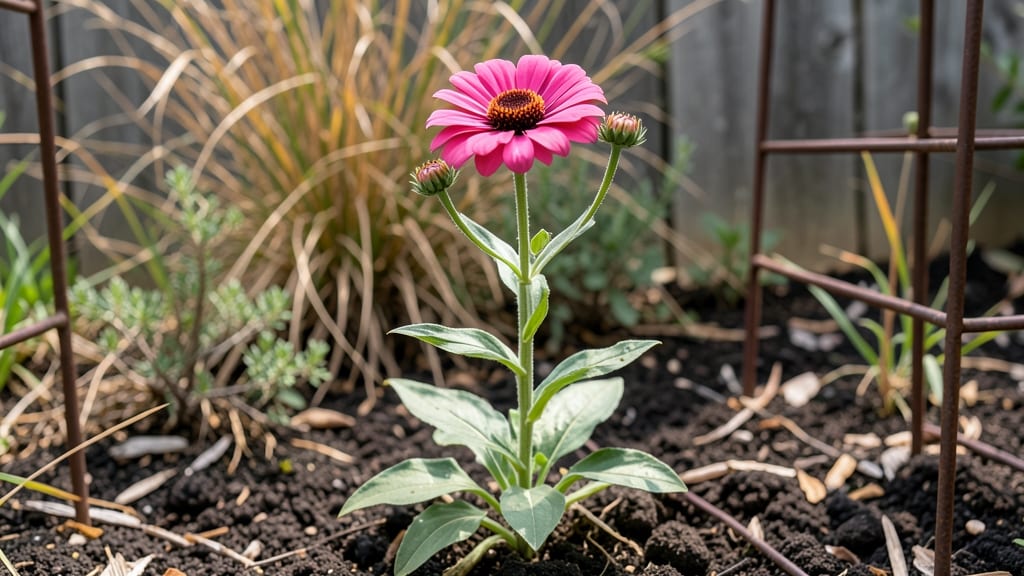
Pink zinnias aren’t just flowers—they’re the bold, cheerful centerpiece that turns any garden into a summer spectacle. ✨ I’ve designed borders with them that stop neighbors mid-stride, their petals spilling like confetti over garden edges.
The secret lies in their versatility: pair them with purple salvia for a lavender dream or tuck them into containers with trailing nasturtiums for a pop of movement.
What makes them a designer’s dream? Their nonstop blooms from June to frost, plus the way they attract butterflies and bees like a magnet. Plant them in masses for drama or scatter singles among perennials to keep color fresh year after year.
The key is spacing them 12–18 inches apart—close enough to create that lush, full look without fighting for air.
Imagine a cottage garden border where pink zinnias frame white cosmos and dusty miller greenery, or a container overflowing with them, their petals brushing your arm as you pass. The color pops against deep greens, softens next to bold purples, and even stands alone as a statement.
They’re the easy way to make your garden feel like a curated showstopper.
For maximum impact, mix heights: plant taller varieties at the back and shorter ones in front. Add a few black-eyed Susans or shasta daisies nearby to stretch the season. The result? A garden that looks intentionally designed—without needing a degree in horticulture. Let’s make yours the talk of the block.
📚 In This Guide
- What you need
- Instructions
- Tips and common mistakes
- Wrapping up and next steps
What you need
- ● Pink zinnia seeds (choose a variety like Benary’s Giant or Profusion Pink for vibrant blooms) – 1 packet (approx. 50-100 seeds)
- ● Well-draining potting mix (or garden soil amended with compost) – 1 bag (1-2 cubic feet)
- ● Containers or garden bed – 6-inch pots (if starting indoors) or 12-18 inches apart in garden beds
- ● Watering can or hose with a gentle nozzle (zinnias love moisture but hate soggy roots!)
- ○ Gloves (optional but recommended for handling soil/seeds)
- ● Trowel or small shovel (for transplanting seedlings)
- ● Fertilizer (balanced 10-10-10 or low-phosphorus option) – 1 small bag
- ● Mulch (straw or shredded leaves) – 1-2 inches thick (helps retain moisture)
- ● Sunlight access – 6+ hours of full sun daily (zinnias thrive in warmth!)
- ○ Optional: Seed-starting trays (if sowing indoors early)
- ● Plant stakes or cages (for taller varieties like Benary’s Giant)
- ● Slow-release granules (for extra nutrients)
How to grow vibrant pink zinnia flowers that keep blooming all summer
Here's how I grow zinnias that attract pollinators and never quit flowering.
🌱 Step 1: Start Seeds Indoors or Plant Directly When Warm
Zinnias thrive from seed, so I either start them indoors 6-8 weeks before your last frost date or plant directly in the garden after soil warms to at least 55°F. If starting indoors, use biodegradable pots to avoid transplant shock later. Fill them with seed-starting mix and plant seeds ¼ inch deep, pressing lightly but not compacting.
Keep the soil consistently moist—not soggy—until germination, which typically happens in 7-14 days. I use a humidity dome or plastic wrap to retain warmth, but remove it immediately once sprouts appear to prevent fungal issues. Real talk: Overwatering at this stage is the #1 killer of young seedlings.
☀️ Step 2: Provide Full Sun and Well-Draining Soil
Zinnias demand full sun (6-8 hours daily) for those bold pink blooms. I plant mine in raised beds or containers with well-draining soil to prevent root rot. Amend garden soil with compost to ensure nutrients are available, but avoid heavy fertilizers—zinnias prefer lean conditions.
Space seeds 12-18 inches apart if planting directly outdoors. If transplanting, harden off seedlings by gradually exposing them to outdoor conditions over 7-10 days before moving them to the garden. You’ll know they’re ready when they look perky and green, not wilted or stressed.
💧 Step 3: Water Deeply and Deadhead Regularly
Water zinnias at the base—never overhead—to keep foliage dry and prevent powdery mildew. I water deeply once a week, letting the soil dry slightly between waterings. Overhead watering also spreads fungal spores, so I use a soaker hose or drip irrigation for consistency.
Deadheading spent blooms is the secret to nonstop color. Snip off faded flowers with clean shears just above a set of leaves to encourage new buds. I do this every 2-3 days during peak bloom, and my zinnias keep producing until frost. Here’s the thing—if you skip this, blooms slow down fast.
✂️ Step 4: Support Tall Varieties and Watch for Pests
Taller zinnia varieties (like 'Benary’s Giant') may need staking or cages to prevent flopping in wind or rain. I use bamboo stakes tied loosely with twine to avoid damaging stems. Check plants weekly for aphids or spider mites, which love zinnias. A strong spray of water usually knocks them off.
If powdery mildew appears (white fuzzy spots on leaves), I treat it immediately with neem oil or a baking soda spray (1 tsp baking soda + 1 quart water + a drop of dish soap). Prevention is key—space plants properly and avoid overhead watering to keep foliage dry.
Tips & tricks for perfect pink zinnia blooms
Here's what I've learned after growing zinnias for years—these little tricks make all the difference between a handful of blooms and a garden full of color.
Timing is Everything: When starting seeds indoors, I mark my calendar for the 6-8 week countdown to last frost. If planting directly, wait until soil reaches at least 55°F—cold soil slows germination and weakens seedlings. Pro tip: Use a soil thermometer to check. The 7-14 day germination window can feel endless, but patience pays off with stronger plants that bloom faster.
Sunlight Strategy: Those 6-8 hours of daily sun are non-negotiable for vibrant pink blooms. I always plant zinnias in the sunniest spot I can find—even a few hours of shade can make flowers smaller and less vivid. For containers, place them where they get morning sun and afternoon shade in hot climates to prevent wilting. The 12-18 inch spacing between plants also ensures each gets its fair share of sunlight.
Deadheading Discipline: I keep a pair of clean shears by my gardening chair because those 2-3 day deadheading sessions are what keep zinnias blooming all summer. The key is cutting just above a set of leaves—not too high, not too low. This encourages new buds to form from the base rather than just the tips. I've seen gardens where people skip this step and the blooms peter out by mid-summer.
Pest Prevention: That weekly check for aphids and spider mites saves me from dealing with powdery mildew later. I spray plants with water every few days during dry spells to knock off pests before they become a problem. For mildew prevention, I mix my baking soda spray (1 tsp baking soda + 1 quart water + dish soap) every two weeks as a preventative treatment. It's a simple habit that keeps my zinnias looking their best all season.
Pro Tips for Pink Zinnia Flower
- Here's what I've learned after growing zinnias for years—these little tricks make all the difference between a handful of blooms and a garden full of color.
- Timing is Everything: When starting seeds indoors, I mark my calendar for the 6-8 week countdown to last frost.
- Sunlight Strategy: Those 6-8 hours of daily sun are non-negotiable for vibrant pink blooms.
Frequently asked questions
Got questions about growing and caring for pink zinnias? You’re not alone!
Here are some of the most common queries—plus quick, actionable answers to keep your pollinator-friendly blooms thriving all summer long.
When is the best time to plant pink zinnias for continuous blooms?
For nonstop color, plant pink zinnias after the last frost in spring (when soil temps hit 60°F+). In warm climates, start seeds in early spring; in cooler zones, wait until late May or June. Pro tip: Succession plant every 2–3 weeks for extended blooms!
How often should I water pink zinnias to prevent wilting?
Water deeply 1–2 times per week (more in extreme heat or sandy soil). Aim for the soil, not the leaves, to avoid fungal issues. Morning watering is ideal—it reduces evaporation and gives flowers a refreshing start to the day.
Are pink zinnias prone to pests? How do I protect them?
Yes! Aphids, spider mites, and Japanese beetles love zinnias. Prevent pests with neem oil or insecticidal soap. Encourage beneficial bugs like ladybugs by planting marigolds nearby. Handpick beetles in the early morning when they’re sluggish.
Can I grow pink zinnias in containers? What’s the best setup?
Choose a 5–7 gallon container with drainage holes and a lightweight potting mix. Dwarf varieties like ‘Crystal’ or ‘Thumbelina’ thrive in pots. Place containers in full sun (6+ hours/day) and fertilize lightly every 3–4 weeks.
Should I deadhead pink zinnias? How does it affect blooming?
Yes!
Deadheading (removing spent blooms) extends the season by redirecting energy to new flowers. Snip just above the first set of leaves or pinch off wilted blooms with your fingers. Do this daily for a continuous flush of vibrant pink blooms.
What’s a great alternative if pink zinnias don’t thrive in my climate?
Try ‘Benary’s Giant’ zinnias (heat-tolerant) or cosmos (drought-resistant). For cooler areas, pink geraniums or snapdragons offer similar charm with less fuss. Bonus: All attract pollinators!
Wrapping up and next steps
The pink zinnia isn’t just a burst of summer color—it’s a powerhouse for pollinators, easy to grow, and perfect for adding charm to any garden. Whether you’re a seasoned gardener or a beginner, these vibrant blooms reward you with low-maintenance beauty and endless joy. 🌸
Ready to transform your space? Grab your seeds, pick a sunny spot, and let nature do the rest—your garden (and the bees!) will thank you. Start planting today!