
Companion Plants
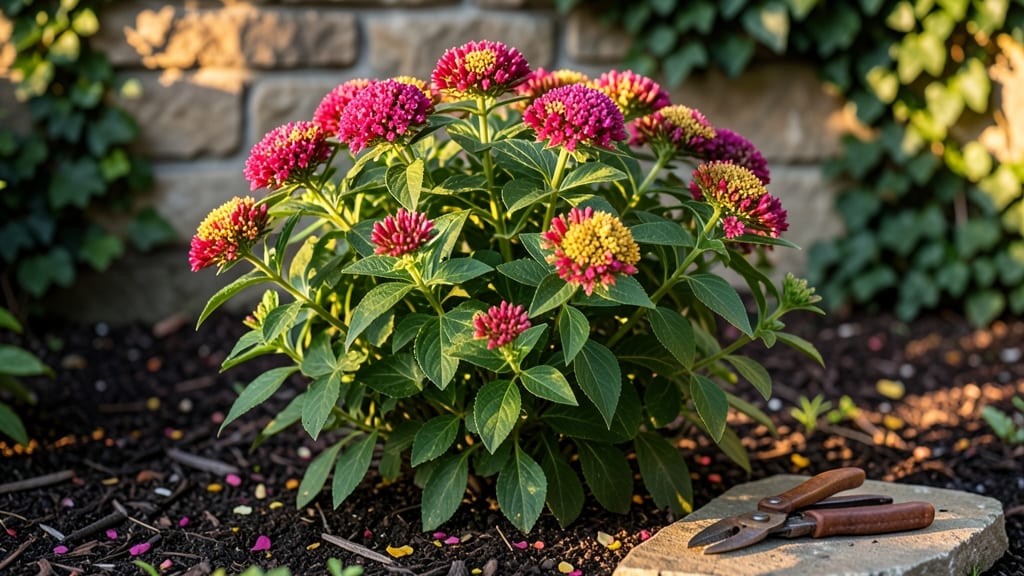
Plants that flower all summer don’t just fill your garden with color—they turn it into a never-ending showstopper that deer skip over. 🌸 I’ve tested dozens of varieties, and these stand out for their deer-resistant foliage and long-lasting blooms, whether you’re in a sunny border or a shady container.
The secret? Choosing plants that bloom in waves, not just once, so your garden stays vibrant from June through frost.
Think coneflowers (3–5 feet tall, purple-pink blooms), black-eyed Susans (2–3 feet, golden-yellow daisies), or salvia (1–3 feet, spiky purple-blue flowers). These thrive in full sun to part shade, handle drought once established, and pair perfectly with lavender or Russian sage for extra fragrance and texture.
Low-maintenance doesn’t mean low-impact—these plants multiply over time, giving you more blooms with less effort.
By mixing heights and colors, you’ll create a lush, layered display that keeps pollinators buzzing all season. Place taller varieties at the back, medium-height ones in the middle, and trailing plants like creeping thyme or ajuga at the front.
The result? A garden that feels like a blooming carpet, not just a few scattered flowers. Ready to transform your space?
Works in borders, containers, or meadow-style plantings, and most survive winter to come back stronger. Deer-resistant doesn’t mean boring—these plants pack bold colors, textures, and fragrance that make your garden the envy of the neighborhood. Let’s get planting!
📚 In This Guide
- What you need
- Instructions
- Tips and common mistakes
- Wrapping up and next steps
What you need
- ● Plants: Choose from deer-resistant bloomers like Lantana, Salvia, Coneflower, or Black-Eyed Susan. Buy 3–5 healthy plants per variety (check local nurseries for disease-free stock).
- ● Potting soil: 1–2 bags (18–20 lbs each) of high-quality, well-draining potting mix (e.g., Miracle-Gro Potting Mix or FoxFarm Ocean Forest).
- ● Containers or garden beds: Containers: 3–5 pots (12–18 inches wide) with drainage holes (terracotta or fabric pots work best).
- ● Garden beds: Ensure 6+ hours of sunlight and well-draining soil (amend with compost if needed).
- ● Fertilizer: Slow-release granules: 1–2 cups (e.g., Osmocote Smart-Release Flower & Vegetable).
- ● Liquid feed: 1 bottle (16 oz) of balanced fertilizer (10-10-10 or 20-20-20).
- ● Mulch: 1–2 bags (1–2 cubic feet) of organic mulch (e.g., pine bark or shredded leaves) to retain moisture.
- ● Basic tools: Trowel or hand shovel
- ● Garden gloves
- ● Watering can or hose with adjustable nozzle
- ● Pruning shears (for deadheading)
- ● Deer repellent: Spray or granules (e.g., Liquid Fence) to deter hungry critters.
- ● Self-watering system: Drip irrigation or Olla pots for low-maintenance hydration.
- ● Epsom salt: 1–2 tbsp per gallon of water (occasional foliar spray for magnesium boost).
- ● Companion plants: Add Marigolds or Basil to repel pests naturally.
- ● Garden journal: Track blooms, watering, and fertilizer schedules for a thriving summer garden!
Step-by-step guide to creating a summer-blooming garden
Here’s how to craft a vibrant, deer-resistant garden that keeps blooming all season long.
🌱 Step 1: Choose the Right Deer-Resistant Bloomers
Start with plants known for their nonstop flowering and deer resistance. My go-to selections include black-eyed Susans (Rudbeckia), coneflowers (Echinacea), bee balm (Monarda), and Russian sage (Perovskia). These varieties thrive in full sun and tolerate dry conditions once established—perfect for summer’s heat.
I always plant at least 3-5 of each variety to ensure continuous blooms. Space them 18-24 inches apart to allow airflow and discourage deer browsing. Deer tend to avoid these plants due to their strong fragrance or fuzzy foliage, but a small fence around the bed adds extra protection.
☀️ Step 2: Prepare the Planting Site for Summer Success
Select a location with full sun (6+ hours daily) and well-draining soil. Amend the soil with 2-3 inches of compost before planting to improve fertility and moisture retention. Deer-resistant plants often prefer leaner soil, so avoid heavy amendments like manure, which can attract pests.
Dig holes twice as wide as the root ball but only as deep. Gently loosen the roots if they’re circling in the pot—this encourages outward growth. Water deeply before planting to help settle the soil around roots. A 1-inch layer of mulch (like shredded bark) keeps moisture in and weeds out while protecting young plants from deer nibbles.
💧 Step 3: Water and Maintain for Continuous Blooms
Water newly planted flowers deeply 2-3 times per week for the first month, then taper to once a week once established. Overwatering in summer can lead to root rot, so always check the top 2 inches of soil—water only when dry. Drip irrigation or soaker hoses work best to deliver moisture directly to the roots without wetting foliage (which attracts deer).
Deadhead spent blooms every 2-3 weeks to encourage new flowers. For example, pinch off faded coneflower heads in early summer, and bee balm will reward you with fresh blooms within weeks. Fertilize lightly with a balanced, slow-release fertilizer (10-10-10) in early spring and again in midsummer to sustain energy without promoting leafy growth over flowers.
✂️ Step 4: Prune and Protect for Long-Term Beauty
In late summer, trim back overgrown stems by one-third to promote bushier growth and prevent flopping. This is especially important for bee balm and Russian sage, which can become leggy. Use clean, sharp shears to avoid tearing foliage—ragged cuts invite disease. After pruning, apply a 2-inch layer of mulch to insulate roots and retain moisture.
If deer become persistent, install a low fence (3 feet tall) or use deer repellent sprays (like those with rotten egg scent) around the garden. I’ve found that planting deer-resistant ground covers like creeping thyme between bloomers deters them naturally. By late summer, your garden will be a nonstop bloom machine, attracting pollinators while keeping deer at bay.
Tips & tricks for perfect summer-blooming gardens
Here's what I've learned after years of keeping my summer garden blooming beautifully—without deer interference.
Plant Density Matters: The reason I always plant at least 3-5 of each variety isn't just about looks—it creates a visual barrier that deer find less appealing. When these plants reach maturity, their combined fragrance becomes overwhelming to deer, acting as a natural deterrent. For maximum impact, arrange them in odd-numbered clusters (3, 5, or 7 plants) rather than straight rows. This irregular pattern confuses deer and makes browsing less efficient for them.
Soil Prep Secret: That 2-3 inches of compost recommendation isn't arbitrary—it's the perfect balance for summer-blooming perennials. Too much organic matter can create overly rich soil that encourages leafy growth over flowers. I always mix in a handful of perlite or coarse sand when amending, which improves drainage without sacrificing fertility. This prevents the root rot that can plague summer gardens when watering schedules get inconsistent.
Watering Strategy: The 2-3 times per week watering schedule works because it mimics natural summer rainfall patterns while preventing stress. I've found that watering deeply in the morning (before 10 AM) gives roots time to absorb moisture before the heat of the day. For established plants, the once-a-week schedule becomes effective because their deep root systems can access moisture from lower soil layers. Always water at the base rather than overhead—this prevents fungal diseases that can weaken plants and make them more vulnerable to deer browsing.
Pruning Timing: That late-summer pruning back by one-third might seem drastic, but it's crucial for plants like Russian sage and bee balm. I time this prune right after the first major heatwave of summer when plants have established their root systems. This encourages new growth that will bloom again in early fall, extending your season. Always use clean, sharp shears and make cuts at a 45-degree angle just above a leaf node—this prevents water from pooling on the cut and invites new growth from the right spot.
Pro Tips for Plants That Flower All Summer
- Here's what I've learned after years of keeping my summer garden blooming beautifully—without deer interference.
- Plant Density Matters: The reason I always plant at least 3-5 of each variety isn't just about looks—it creates a visual barrier that deer find less appealing.
- Soil Prep Secret: That 2-3 inches of compost recommendation isn't arbitrary—it's the perfect balance for summer-blooming perennials.
Frequently asked questions
Got questions about keeping your garden in bloom all summer long?
Here are some of the most common ones—and their answers—to help you create a deer-resistant, low-maintenance paradise that never stops flowering!
Which plants bloom continuously but are deer-resistant?
Look for Lantana, Salvia, Coneflower, or Black-Eyed Susan. These tough beauties thrive in heat, repel deer with strong scents or fuzzy textures, and produce nonstop blooms once established. Pair them with Russian Sage or Catmint for extra resilience!
When is the best time to plant for summer-long flowers?
Start seeds indoors 6–8 weeks before your last frost, or transplant perennials in early spring (as soon as soil is workable). Annuals like Zinnias or Marigolds can go straight into the ground after frost—just give them full sun and consistent watering for fastest results!
How often should I water plants that flower all summer?
Newly planted flowers need 1–1.5 inches of water weekly, while established perennials thrive with deep watering 2–3 times per week during dry spells. Mulch with 2–3 inches of organic matter (like shredded bark) to retain moisture and deter weeds. Drought-tolerant picks like Lavender or Yarrow need even less!
What do I do if deer keep eating my flowers?
Try these deer-proofing tricks:
- Fencing: Install a 6–8 foot tall fence (deer can jump!) or use flexible netting around prized plants.
- Repellents: Spray plants with rotten egg scent (like Deer Out!) or plant deer-deterrents nearby, like Foxglove or Daffodils.
- Go toxic: Lantana and Salvia’s strong fragrance often keeps deer away naturally.
Can I mix perennials and annuals for nonstop blooms?
Perennials
(like Daylilies or Shasta Daisies) provide structure and return yearly, while annuals (such as Petunias or Vinca) fill gaps with vibrant color. Plant annuals in spring and perennials in early fall for a seamless, ever-blooming display. Pro tip: Succession plant annuals every 6 weeks for uninterrupted color!
Wrapping up and next steps
Transforming your garden into a nonstop floral paradise is easier than you think! With these deer-resistant, summer-blooming plants, you’ll enjoy vibrant colors and effortless beauty—without the fuss. Whether you’re a seasoned gardener or just starting, every bloom is a win!
Ready to get growing? Pick your favorites, grab your gloves, and start planting today! 🌸🌿 Check out our step-by-step guide to turn your vision into reality.