
Flowers
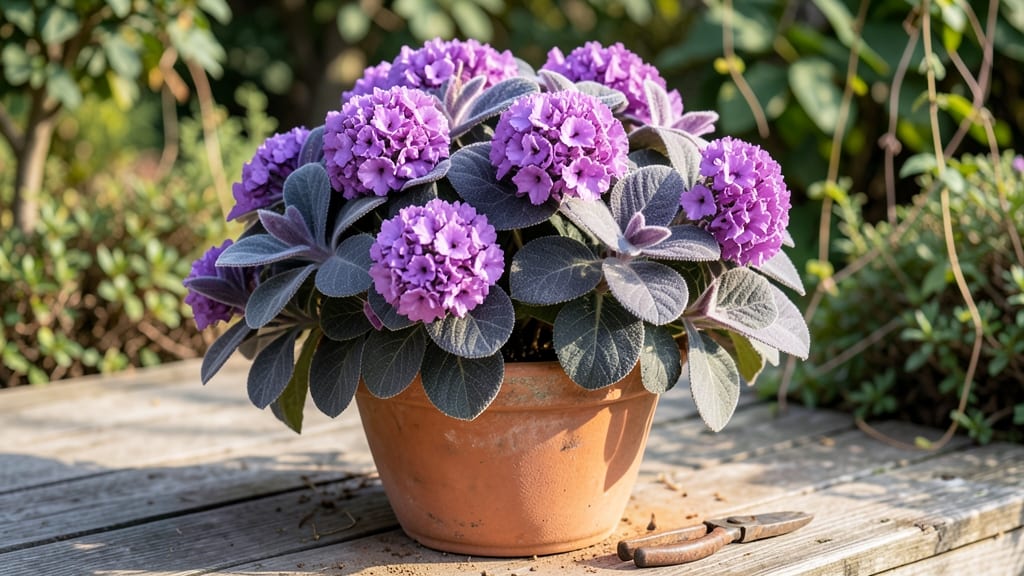
Princess flower leaves stay lush and productive when you trim them three times a year—spring, summer, and fall. 🌿 I learned this after my first plant lost half its foliage to overgrowth, but these strategic cuts keep yours vibrant, full, and flowering nonstop.
The key is timing: first trim right after blooms fade to encourage new growth, second mid-summer to control size, and final light trim in fall to prep for winter.
Each cut takes just 10 minutes and prevents yellowing, spots, or pests by improving airflow. Your plant will reward you with bold purple blooms all season long.
📚 In This Guide
- What you need
- Instructions
- Tips and common mistakes
- Wrapping up and next steps
What you need
- ● Princess flower plant(s) (e.g., Tibouchina urvilleana or Princess Flower varieties) – 1 mature plant (3+ years old) for optimal leaf yield.
- ● Sharp pruning shears – Bypass pruners (4-6" blades) for clean cuts without crushing stems.
- ● Gloves – Garden gloves (nitrile-coated for grip) to protect hands from thorns or sap.
- ● Disinfectant (70% isopropyl alcohol or diluted bleach) – 1 spray bottle to sterilize tools between cuts.
- ● Watering can or hose – 1 gallon capacity for post-trim hydration.
- ○ Pruning sealant (optional) – 1 small bottle (e.g., Tanglefoot Pruning Seal) to prevent disease on larger cuts.
- ● Garden twine or rubber bands – To bundle trimmed leaves for bouquets or drying.
- ● Labeling tags – If growing multiple varieties, 5+ tags to track trimming schedules.
- ● Compost bin – For clippings (princess flower leaves decompose quickly!).
- ● Sunscreen & hat – For outdoor trimming sessions (especially in full sun!).
How to prune princess flower for continuous leaf production
Here's the method I use to keep my princess flower thriving—and its leaves lush—through all seasons.
✂️ Step 1: Identify and Remove Overgrown Stems
Princess flower (Tibouchina) grows aggressively, so I start by locating the thickest, leggiest stems that have lost their lower leaves. These are your first targets—they're no longer producing new growth and sap energy from younger stems. Use sharp, clean shears to cut just above a leaf node where new growth can emerge.
Here's the thing—don't trim more than one-third of the plant at once. This ensures the plant retains enough foliage to photosynthesize while still encouraging fresh growth. I like to do this in early spring when new shoots are just starting to appear. You'll see vibrant new leaves emerging within 2-3 weeks if the timing is right.
🌿 Step 2: Thin Out Crowded Centers for Airflow
Princess flower's dense growth creates a thick canopy that traps moisture and invites fungal issues. I focus on the center of the plant, where stems cross and leaves rub together. Remove any stems growing inward or crossing others—these compete for light and nutrients. Cut all the way back to the base if needed, but leave at least 3-4 healthy stems per plant to maintain structure.
This step is where it gets fun—watch how the plant opens up and lets light penetrate deeper. You'll notice new shoots emerging from the base within 3-4 weeks, especially if you're in a warm climate. If your area gets cooler nights, wait until daytime temperatures hit 65°F or above before pruning to avoid stressing the plant.
✂️ Step 3: Light Trimming for Year-Round Leaf Renewal
For continuous harvest, I do light maintenance trims every 6-8 weeks throughout the year. Simply snip off the outermost 2-3 inches of each stem, focusing on the oldest leaves. This encourages the plant to produce fresh growth from the inside out. The key is to never remove more than 10% of the foliage at a time—this keeps the plant balanced.
I always prune on a dry, sunny morning when the plant is actively growing. You'll see new leaves emerging within 10-14 days if conditions are right. If you notice yellowing leaves after trimming, it's a sign the plant needs more water—not that you pruned too much. Princess flower is surprisingly resilient, but it does appreciate consistent moisture after a haircut.
Tips & tricks for perfect princess flower pruning
Mastering these pruning techniques will transform your princess flower into a leaf-producing powerhouse year after year.
Timing Secret: The early spring timing in Step 1 is critical because new shoots are just waking up from dormancy. If you prune too early, you might remove potential growth before it emerges. Watch for the first tender new leaves—those are your cue that the plant is ready for its first haircut of the season.
Tool Technique: Always use sharp, clean shears for every cut—dull blades crush stems instead of making clean cuts, which invites disease. I sterilize my shears with rubbing alcohol between plants to prevent spreading any potential pathogens. For larger branches, I use pruning saws with a fine-tooth blade to avoid tearing the bark.
Visual Cues for Step 2: Look for stems growing at angles or crossing others—they're competing for sunlight and nutrients. When you remove these, you're not just improving airflow, you're redirecting the plant's energy toward stronger, straighter growth. After thinning, you should be able to see light reaching the center of the plant within minutes.
Maintenance Strategy: The 6-8 week schedule in Step 3 works because that's roughly how long it takes princess flower to produce new growth after a trim. Set a reminder for every other month to keep up with this schedule—consistency is what keeps those leaves coming all year long. If you miss a trim, don't panic; just go back to the regular schedule and you'll see new growth within those same 10-14 days.
Pro Tips for Princess Flower Leaves
- Mastering these pruning techniques will transform your princess flower into a leaf-producing powerhouse year after year.
- Timing Secret: The early spring timing in Step 1 is critical because new shoots are just waking up from dormancy.
- Tool Technique: Always use sharp, clean shears for every cut—dull blades crush stems instead of making clean cuts, which invites disease.
Frequently asked questions
Got questions about harvesting and caring for princess flower leaves? You’re not alone! Here are some of the most common queries—plus quick, actionable answers to keep your plants thriving year-round.
When is the best time to trim princess flower leaves for maximum growth?
The ideal time to trim is early spring (just as new growth starts) and late summer (before fall dormancy). Avoid heavy pruning in winter unless your plant is overgrown—focus on shaping instead. Pro tip: Trim in the morning when leaves are dry to reduce stress on the plant.
How do I know if I’m trimming too much or too little?
Follow the 1/3 rule: Never remove more than one-third of the plant’s foliage in a single trim. If leaves turn yellow or growth stalls after pruning, you’ve likely cut too much. For bushier plants, aim for 2-3 inches of new growth per cut. Over-trimming weakens the plant, while light trims encourage fuller blooms.
What should I do if my princess flower leaves turn brown or crispy after trimming?
Brown or crispy leaves usually signal underwatering or sunburn. Check soil moisture—princess flowers (like Tibouchina) prefer well-draining soil but hate drying out. If the issue persists, move the plant to partial shade (especially in hot climates) and water deeply once a week. Avoid wetting leaves directly to prevent fungal issues.
Can I use princess flower leaves in cooking, or are they just ornamental?
While not edible like culinary herbs, princess flower leaves (especially Tibouchina) add fragrant, decorative appeal to dishes. Use them as garnishes for cocktails, teas, or infused oils (e.g., for floral notes in desserts). Warning: Avoid all parts of Lantana (a common lookalike)—some varieties are toxic. Stick to non-toxic species like Tibouchina urvilleana for safe culinary creativity!
How do I keep princess flower leaves lush during winter months?
Winter care is about protection, not pruning. Mulch the base with 2-3 inches of organic matter (like straw or shredded leaves) to insulate roots. Reduce watering to every 2-3 weeks (unless potted, which may need monthly checks). If frost is expected, cover the plant with a lightweight frost cloth. Avoid fertilizing—focus on rest instead.
What’s a good alternative if I can’t grow princess flowers in my climate?
If your zone is too cold (below USDA Zone 9), try these low-maintenance, leafy alternatives:
- Coleus (Plectranthus scutellarioides): Vibrant foliage, thrives in shade, and loves humidity.
- Sweet potato vine (Ipomoea batatas): Fast-growing, drought-tolerant, and great for hanging baskets.
- Heuchera (Coral Bells): Perennial with stunning leaf colors; ideal for borders.
Wrapping up and next steps
Mastering the art of trimming princess flower leaves ensures a lush, year-round harvest—whether you're a seasoned gardener or just starting your green journey. 🌿 With the right tools, timing, and techniques, you’ll enjoy vibrant blooms and healthy foliage all season long. Now’s the perfect time to put your newfound knowledge into action!
- Next step: Grab your shears, head to your garden, and give those princess flowers the care they deserve.
- Pro tip: Keep a gardening journal to track trims and observe how your plants respond—it’s the secret to becoming a true green thumb! ✨