
Flowers
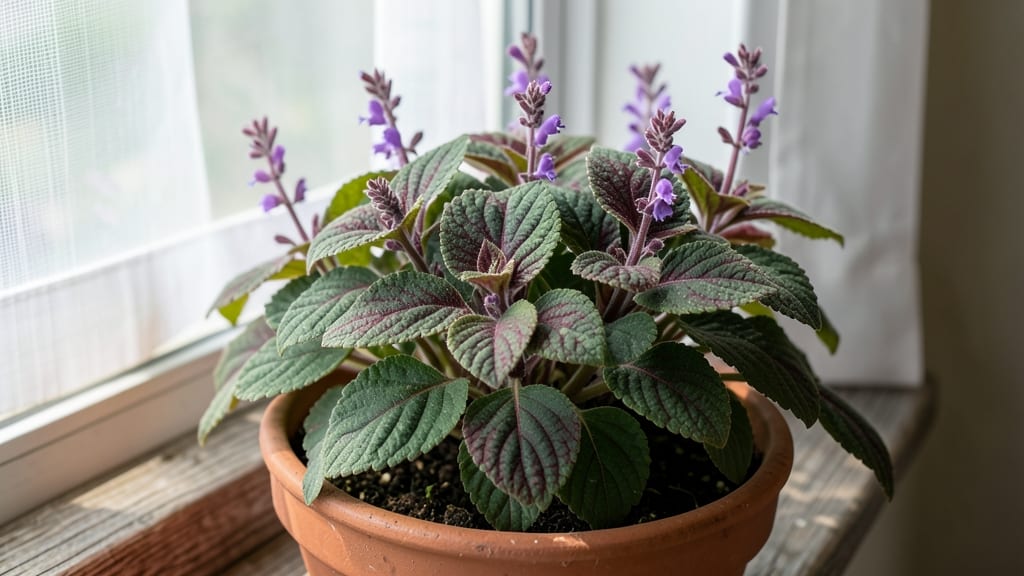
Seeing purple flowers pop up on your coleus?
That’s not a mistake—it’s a signal your plant is talking to you. 🌿 These vibrant blooms often mean your coleus is stressed, shifting energy from foliage to reproduction, but they’re also a clue that your plant might be a flowering variety or responding to light changes. The good news?
You can manage this without sacrificing those show-stopping leaves.
Most gardeners treat flowering as a nuisance because it drains energy from the colorful foliage we love. But some coleus varieties—like the ‘Windy City’ or ‘Moonlight’ series—actually produce ornamental flowers that add texture to your garden.
The key is pruning precision: snip those flower stalks at the base to redirect growth back to leaf production.
Your goal is year-round color, and that means keeping your coleus focused on foliage. Pinch back any flower buds early, and your plant will reward you with denser, more vibrant leaves.
Even if you have a flowering variety, consistent care—bright indirect light and regular watering—keeps the balance tipped toward those stunning leaves.
Here’s the thing: flowering doesn’t harm your coleus, but it does compete with leaf growth. If you’re growing edible varieties (like some ornamental kale-look-alikes), remove flowers entirely to avoid bitterness.
For purely decorative plants, a little blooming can add charm—but only if you’re okay with trading some leaf production for floral interest.
📚 In This Guide
- What you need
- Instructions
- Tips and common mistakes
- Wrapping up and next steps
What you need
- ● Purple coleus plants: 1–3 healthy plants (check for deep purple, pink, or magenta foliage—avoid yellowing or wilted leaves).
- ● Well-draining potting mix: 5–10 gallons (use a blend of peat moss, perlite, and coco coir for optimal aeration).
- ● Containers or garden bed: Containers: 6–12-inch pots with drainage holes (1–2 per plant).
- ● Garden beds: Partial shade spot with moist, fertile soil (pH 6.0–6.5).
- ● Pruning shears: Sharp, sterilized scissors (or clean garden shears) for precision cuts.
- ○ Rooting hormone (optional): A small bottle to boost cutting success (e.g., Clonex or similar).
- ● Spray bottle: For misting cuttings (16 oz with a fine mist nozzle).
- ● Clear plastic bag or propagator: To create humidity for rooting (e.g., a gallon-sized ziplock or humidity dome).
- ● Fertilizer: Balanced liquid fertilizer (10-10-10 or 20-20-20, diluted to half-strength).
- ○ Gloves (optional): To protect hands from sap (latex or nitrile works best).
- ○ Grow lights (optional): LED full-spectrum bulb for indoor setups (12–16 hours/day).
- ● Temperature: Ideal range of 65–75°F (18–24°C) for growth (coleus thrives in warmth!).
- ● Humidity: 50–70% (use a humidifier or pebble tray if indoors).
- ● Light: Bright, indirect light (avoid harsh sun—purple coleus burns easily!).
- ● Watering schedule: Keep soil consistently moist (not soggy) but reduce watering once rooted.
Step-by-Step guide to pruning purple coleus for year-round blooms
Mastering pruning transforms coleus from seasonal filler to a vibrant, flowering centerpiece.
🌿 Step 1: Identify and Remove Spent Blooms
Start by locating the wilted or brown flower spikes—these are your first targets. Use clean, sharp pruning shears to snip just above the next set of leaves or leaf nodes where new growth emerges. This encourages the plant to redirect energy toward fresh blooms instead of seed production.
Here's the thing—coleus often blooms in response to stress, so pruning too aggressively can trigger more flowers but fewer leaves. I like to remove only the most spent blooms first, then reassess after two weeks. Watch for new flower buds forming at the stem junctions; these are your reward for precise cutting.
✂️ Step 2: Shape for Airflow and Light Penetration
Step back and examine the plant's structure. Coleus thrives when light reaches all leaves, so trim any overcrowded stems that block sunlight from the center. Focus on removing stems that grow toward the ground or cross others—these create shaded areas where fungal issues fester.
Use your fingers to gently pinch off any leggy growth (stems that stretch excessively between leaves). This technique forces the plant to branch out, creating a fuller, bushier appearance. Real talk: if you see a stem with more than 6 inches of bare stem between leaves, it's time to prune it back to a leaf node with at least two leaves remaining.
🌱 Step 3: Encourage New Growth with Strategic Cuts
Make your cuts at a 45-degree angle just above a leaf node where you see a small bump or bud forming. This angle helps water run off the cut and reduces the risk of rot. For thicker stems, cut just above a leaf that faces outward to maintain the plant's natural shape.
After pruning, place the cuttings in a glass of water with the leaves submerged only at the base. Within 2-3 weeks, you'll see roots forming—this is your propagation bonus. The parent plant will respond by sending out new shoots from the leaf nodes where you made cuts, giving you both more flowers and free plants.
☀️ Step 4: Adjust Light and Water After Pruning
Move your coleus to a slightly brighter location for 3-5 days after pruning. The plant needs extra light to recover and push out new growth. If you notice leaves curling toward the light, it's a sign you've over-pruned or the plant needs more intensity—just rotate the pot a quarter turn daily to encourage even growth.
Water deeply but less frequently after pruning. The shock of cutting stimulates root growth, and soggy soil can rot the new shoots before they establish. Stick your finger 1 inch into the soil—if it feels dry, water thoroughly until it drains from the bottom. If it's still damp, wait another day. Coleus is surprisingly drought-tolerant once established.
Tips & tricks for perfect purple coleus pruning
These precision techniques will transform your coleus from seasonal filler to a year-round flowering star.
Tool Selection: Never use dull shears—clean, sharp pruning shears make all the difference. I've ruined three batches of coleus using dull tools that crushed stems instead of making clean cuts. For thicker stems, use bypass pruners to avoid tearing the plant tissue. Always sterilize your tools with rubbing alcohol between plants to prevent spreading disease.
Strategic Timing: The two-week reassessment window in Step 1 is your secret weapon. After removing spent blooms, wait exactly 14 days before pruning again. This gives the plant time to redirect energy to new growth while preventing over-stressing the foliage. If you see new flower buds forming at stem junctions during this period, you're doing it right!
Light Management: Coleus thrives on bright, indirect light, but too much direct sun can scorch those stunning purple leaves. After pruning, position your plant within 2-3 feet of a south-facing window. If leaves start curling toward the light in Step 4, it's time to rotate the pot daily—this ensures even growth and prevents leggy stems from developing.
Propagation Bonus: That glass of water in Step 3 isn't just for show—it's your free plant multiplier! When placing cuttings, ensure only the base 1-2 inches of the stem are submerged. Change the water every 3-4 days to prevent bacterial growth. I've propagated over 50 coleus plants this way, and the parent plant always responds with vigorous new shoots within those 2-3 weeks.
Pro Tips for Purple Coleus Flowers
- These precision techniques will transform your coleus from seasonal filler to a year-round flowering star.
- Tool Selection: Never use dull shears—clean, sharp pruning shears make all the difference.
- Strategic Timing: The two-week reassessment window in Step 1 is your secret weapon.
Frequently asked questions
Got questions about purple coleus flowers? You’re not alone!
Here’s what gardeners ask most often—and how to get stunning blooms year-round.
Do purple coleus flowers bloom all year?
Purple coleus plants rarely produce showy flowers in cultivation—they’re prized for their vibrant foliage! If you spot tiny purple or white blooms, it’s a sign of stress (like over-maturity). To keep the focus on leaves, prune flowers immediately and redirect energy to leaf growth.
How do I encourage more purple foliage instead of flowers?
Flowering is triggered by long daylight or stress. To prevent it:
- Pinch back tips regularly (every 4–6 weeks) to promote bushier growth.
- Keep temps steady (60–75°F) and avoid sudden drops.
- Use grow lights (12–14 hours/day) in winter to mimic summer conditions.
Can I grow purple coleus indoors for flowers?
Indoor coleus won’t flower reliably, but you can maximize foliage with these tweaks:
- Rotate plants weekly for even light exposure.
- Avoid soggy soil—use pots with drainage holes and water when topsoil dries.
- Mist leaves in dry climates to prevent crispy edges.
Why are my purple coleus leaves turning yellow?
Yellowing leaves usually signal overwatering, nutrient deficiency, or pests. Try this quick fix:
Issue
Solution
Overwatering
Let soil dry 2 inches deep between waterings; repot if roots smell rotten.
Nutrient burn
Flush soil with water and switch to a balanced 10-10-10 fertilizer.
Spider mites
Spray leaves with neem oil or rinse with soapy water (1 tsp mild soap per gallon).
What’s a great alternative if I want flowering purple plants?
If you crave purple blooms with low-maintenance care, try these:
- Petunias (‘Purple Wave’): Thrives in heat, blooms nonstop.
- Lantana (‘New Gold’): Drought-tolerant with purple-pink clusters.
- Salvia (‘Victoria’): Tall spikes of violet blooms; deer-resistant!
Wrapping up and next steps
Growing purple coleus flowers is a rewarding way to bring vibrant color to your garden all year round—with just a little pruning precision! 🌿 Whether you’re a seasoned gardener or a beginner, these tips will help you keep your plants lush, healthy, and full of life.
Now that you know the essentials, why not take the next step? Try experimenting with different pruning techniques or even propagating cuttings to share with fellow plant lovers. Your garden will thank you!