
Lawn
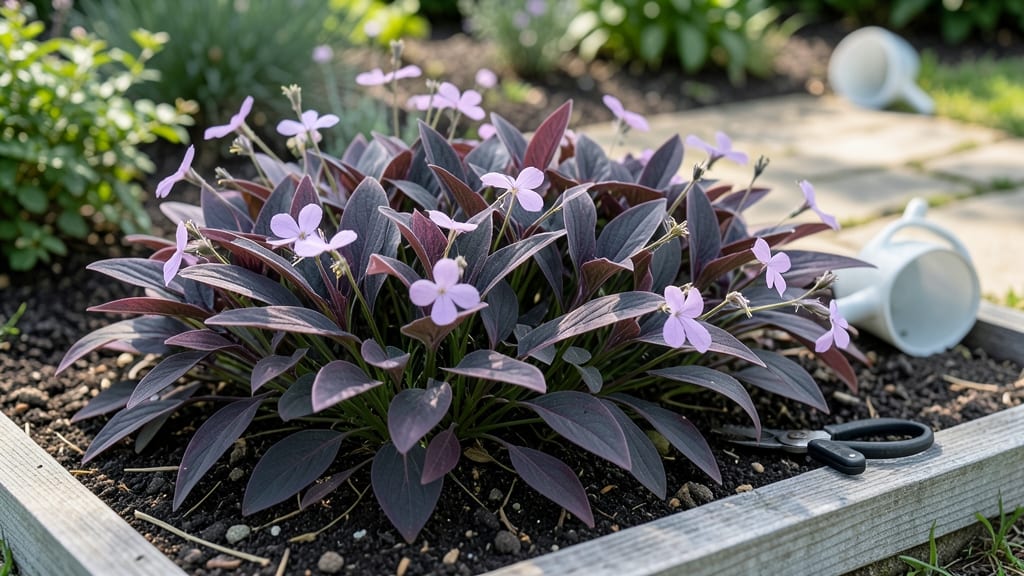
That deep purple foliage changes everything in a garden bed. 🌿 I’ve used purple flower grass—like Pennisetum purpureum or Carex testacea—to add drama where other plants fade, whether in full sun or dappled shade.
The rich hues hold up through winter, creating a striking contrast against silver foliage or evergreen shrubs.
These grasses thrive with minimal fuss: just well-draining soil and occasional trimming to keep their shape. They work as bold borders, dramatic accents, or even standalone focal points. Pair them with chartreuse hostas or white blooms to make the purple pop even more.
You’ll love how they stay vibrant through all four seasons, adding texture and movement to your landscape. In winter, their dried plumes catch light beautifully, while spring brings fresh growth that brightens early-season gardens.
Perfect for modern or cottage-style gardens, these plants bring effortless elegance. Try them in containers for patios or mass plantings for a moody, sophisticated look. Let’s make your garden unforgettable!
📚 In This Guide
- What you need
- Instructions
- Tips and common mistakes
- Wrapping up and next steps
What you need
- ● Purple Flower Grass Plants: 3–5 healthy nursery-grown plants (check for vibrant purple blooms and sturdy stems).
- ● Well-draining soil: 10–15 cubic feet of amended soil (mix garden soil with 20% perlite or coarse sand for aeration).
- ● Organic compost: 1–2 gallons to enrich soil nutrients.
- ● Slow-release fertilizer: 1 lb of 10-10-10 or a grass-specific blend (apply at planting).
- ● Watering can or hose: With a gentle spray nozzle (avoid high pressure).
- ○ Mulch (optional but recommended): 1–2 bags of shredded bark or pine straw to retain moisture and suppress weeds.
- ● Garden trowel or spade: For digging holes (6" deep and 12" wide per plant).
- ● Gloves: Heavy-duty work gloves to protect hands.
- ● Pruners: Sharp bypass pruners for trimming dead foliage.
- ● Sun/shade assessment: Confirm your planting zone’s light conditions (6+ hours of sun for full color, or partial shade for milder climates).
- ○ pH test kit (optional): Ideal soil pH: 6.0–7.0 (adjust with lime or sulfur if needed).
- ● Decorative stones: 5–10 flat river rocks to border plantings.
- ● Drip irrigation system: For automated watering (especially in hot climates).
- ● Edging tool: To create clean garden beds.
- ● Seasonal dye (natural): A few drops of beetroot juice in water to enhance purple tones (reapply monthly).
Step-by-Step guide for planting and caring for purple flower grass
Here's how to create a stunning, low-maintenance display with this striking ornamental grass.
🌱 Step 1: Select the Perfect Planting Location
Purple flower grass thrives in well-draining soil with 4-6 hours of sunlight daily, though it tolerates partial shade. For full sun exposure, choose a spot with morning sunlight and afternoon shade to prevent leaf scorch—especially in hot climates. The ideal location offers both visual impact and protection from harsh afternoon rays.
Test your soil drainage by digging a 6-inch hole and filling it with water. If it drains completely within 2 hours, your site is perfect. Amend heavy clay soil with 1 inch of coarse sand or compost to improve aeration. Purple flower grass spreads slowly but steadily, so allow 18-24 inches of space between plants for mature growth.
🪴 Step 2: Prepare the Soil and Plant Properly
Dig a hole twice as wide as the plant's root ball but only as deep as the container it came in. Loosen the roots gently if they're circling tightly—this encourages outward growth. Place the plant in the hole and backfill with native soil mixed with 1 part compost to enrich the root zone without overwhelming the plant.
Press the soil firmly around the base to eliminate air pockets, then water deeply until moisture reaches 4-6 inches down. Avoid compacting the soil too tightly, as purple flower grass needs room for its fibrous roots to establish. Mulch the area with 1-2 inches of shredded bark to retain moisture and suppress weeds, but keep mulch 2 inches away from the plant's crown to prevent rot.
☀️ Step 3: Establish a Watering Routine for Healthy Growth
Water newly planted purple flower grass every 3-4 days for the first 2 weeks, keeping the soil consistently moist but never soggy. After establishment, reduce watering to once a week unless your region experiences extreme heat or drought. Check moisture by sticking your finger 1 inch into the soil—if it feels dry, it's time to water.
This grass is drought-tolerant once established, but young plants need consistent moisture to develop strong roots. Overwatering causes yellowing leaves and root rot, so always allow the top 1-2 inches of soil to dry between waterings. In winter, reduce watering further unless you experience prolonged dry spells.
✂️ Step 4: Prune and Maintain for Year-Round Drama
Cut back dead or brown foliage in early spring before new growth appears, using clean, sharp shears. Trim back one-third of the plant's height to encourage fresh, vibrant growth. Avoid heavy pruning in fall, as the plant's dried seed heads add winter interest and protect the crown from frost.
Fertilize lightly in early spring with a balanced 10-10-10 fertilizer applied at half strength. Purple flower grass rarely needs feeding, but a small boost promotes lush foliage. Avoid high-nitrogen fertilizers, which encourage leafy growth at the expense of the striking purple blooms. Divide mature clumps every 3-4 years in early spring to rejuvenate the plant and share with neighbors.
Tips & tricks for perfect purple flower grass planting
Took me a while to figure these out, so here goes—these simple tricks will help your purple flower grass thrive from day one.
Location Intelligence: When selecting your spot, pay attention to the 4-6 hours of sunlight requirement by observing the area throughout the day. Morning sun is ideal because it provides warmth without the intensity of afternoon rays. If you're unsure, place a white board in the potential spot for a week—mark the hours it's in direct light. This visual test helps you confirm whether the location meets the sunlight needs without guesswork.
Soil Preparation Secret: Before amending heavy clay soil with 1 inch of coarse sand or compost, mix a small amount of each into a bucket of water to test their drainage. The mixture should drain within 10-15 minutes—if it pools, add more sand. Proper drainage is critical because purple flower grass roots need air circulation to prevent rot. This simple test saves you from potential waterlogging issues later.
Planting Technique: When loosening the roots in Step 2, focus on the outer edges rather than the center. Use your fingers to gently separate any circling roots—this encourages outward growth rather than a tangled root ball. After planting, press the soil firmly around the base with your hands (not a shovel) to eliminate air pockets without compacting too tightly. Think of it as giving the roots a gentle hug to help them settle into their new home.
Watering Wisdom: During the first 2 weeks, check soil moisture every 3-4 days by sticking your finger 1 inch deep. If the soil feels dry at that depth, it's time to water. For established plants, reduce to once a week unless your region is experiencing extreme conditions. A simple trick: use a rain gauge or tuna can to measure water depth—aim for about 1 inch per week during dry spells to keep the roots happy without overdoing it.
Pro Tips for Purple Flower Grass Plant
- Took me a while to figure these out, so here goes—these simple tricks will help your purple flower grass thrive from day one.
- Location Intelligence: When selecting your spot, pay attention to the 4-6 hours of sunlight requirement by observing the area throughout the day.
- Soil Preparation Secret: Before amending heavy clay soil with 1 inch of coarse sand or compost, mix a small amount of each into a bucket of water to test their drainage.
Frequently asked questions
What’s the best way to plant Purple Flower Grass for maximum color?
Plant in well-draining soil with partial shade to full sun (depending on your climate). Space clumps 12–18 inches apart for full coverage. Water deeply after planting, then keep soil consistently moist (not soggy) for the first 2–3 weeks. Mulch lightly to retain moisture and suppress weeds.
How long does it take for Purple Flower Grass to bloom?
With ideal conditions, you’ll see pink-purple blooms in 6–8 weeks after planting. If growth seems slow, check soil moisture—underwatering is the #1 culprit. In cooler climates, blooms may appear slightly later in spring or early summer.
Can Purple Flower Grass survive winter? What’s the hardiness range?
This plant thrives in USDA Zones 5–9, making it versatile for most U.S. regions. In colder zones, mulch heavily in fall to protect roots. In warmer zones, it may go dormant in summer—reduce watering and trim back dead foliage in early spring for a fresh start.
What’s the easiest way to propagate Purple Flower Grass?
Divide mature clumps in early spring or fall for the best results. Dig up a section with roots, replant in prepared soil, and water thoroughly. You can also till seeds in spring, but division is faster and more reliable for vibrant color.
Why are my Purple Flower Grass leaves turning brown or yellow?
Brown tips? Likely underwatering or salt buildup (if near sidewalks). Yellowing leaves? Overwatering or poor drainage. Check soil moisture and adjust care. Fun fact: This plant is drought-tolerant once established—soak deeply once a week in dry spells instead of daily light watering.
Are there any deer-resistant alternatives if Purple Flower Grass gets munched?
Yes! Try Liriope (Monkey Grass) or Carex ‘Ice Dance’—both are deer-resistant, shade-tolerant, and add texture. For bold color, Heuchera (Coral Bells) is another great swap with purple foliage that deer avoid.
Wrapping up and next steps
Incorporating purple flower grass plant into your landscape is a game-changer—adding bold, year-round color with minimal fuss! Whether you’re brightening a sunny patio or softening a shady corner, this versatile plant thrives where others falter.
With its low-maintenance charm and striking hues, it’s the perfect way to elevate your outdoor space effortlessly.
Ready to transform your lawn? Start small—plant a few in pots or along borders, then expand as you fall in love with its drama. Happy gardening! 🌿✨