
Flowers
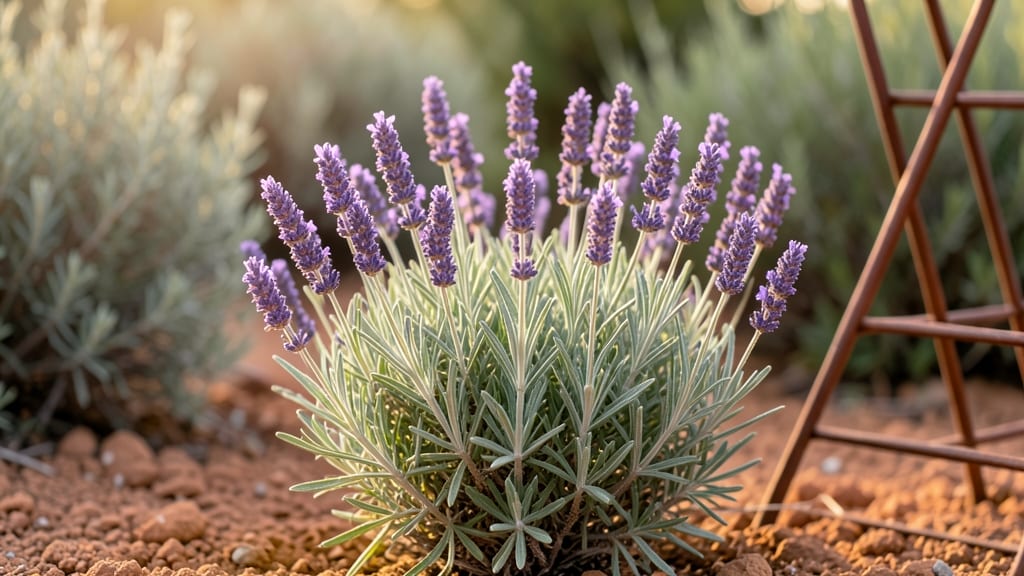
Purple flower petals transform any garden into a living work of art—deep velvety hues that catch the light and turn heads. 🌸 I remember the first time I scattered pansies along my front walkway, how the lavender-blue petals made the whole yard feel like a secret garden.
These aren’t just pretty faces; they’re edible stars that elevate dishes and arrangements alike, bringing that same magic indoors.
The best part? Purple blooms pair effortlessly with nearly everything. Try them alongside silver foliage for a moody, sophisticated look, or mix with bright yellows and whites for a cheerful cottage vibe. My go-to combos include violas with dusty miller for height, or nasturtiums for a pop of orange contrast.
Seasonal swaps keep the color fresh—spring’s hyacinths give way to summer’s lavender and fall’s chrysanthemums.
You’ll love how these petals double as decor—think garlands for weddings, confetti for parties, or simply scattered on plates for a restaurant-worthy touch. The flavor ranges from mild sweetness in violets to peppery notes in nasturtiums, so you can eat the beauty.
Start small with a single pot of pansies or lavender, then expand as you fall in love with the effect.
No two seasons look the same when you play with purple. Try a monochromatic bed with different shades, or go bold with purple-and-black pairings for drama. The key is confidence—these flowers don’t just brighten your garden, they make it unforgettable.
📚 In This Guide
- What you need
- Instructions
- Tips and common mistakes
- Wrapping up and next steps
What you need
- ● Fresh purple flowers: Choose edible varieties like viola (pansies), nasturtiums, or borage. You’ll need about 1 cup of petals (roughly 10-15 medium-sized flowers).
- ● Kitchen shears or sharp scissors: For cleanly trimming petals without tearing them.
- ● Paper towels or clean kitchen cloth: To pat petals dry and remove debris.
- ● Small mixing bowl: A shallow container to hold petals while working.
- ○ Fine-mesh strainer (optional but helpful): For rinsing petals if needed.
- ● Edible glitter or gold leaf: For a festive, magical touch (use sparingly!).
- ● Citric acid or lemon juice: To preserve color in petals for longer storage.
- ● Food-safe spray (like vodka or clear syrup): Lightly mist petals to extend freshness.
- ● Petal dye (natural or food-grade): If you want to deepen or adjust the purple hue.
How to harvest and use edible purple flower petals safely
Here's how to pick, prep, and preserve vibrant purple blooms for culinary magic.
🌿 Step 1: Identify and Select Safe Edible Flowers
Not all purple flowers are edible—stick to borage, violets, nasturtiums, or pansies (all proven safe). I always check for pesticide residue by rinsing petals in vinegar-water solution (1:4 ratio) before use. Avoid roadside plants or those treated with chemicals—they can make you sick.
Pick flowers early in the morning when petals are fully open but still crisp. Look for vibrant purple (not faded) and smooth edges—any brown spots mean the flower is past its prime. Use clean scissors or fingers to pluck petals gently at the base to avoid damaging stems.
💧 Step 2: Clean and Prepare Petals for Use
Rinse petals under cool running water to remove dirt, pollen, or pests. Pat them dry with a paper towel—never use cloth towels, as they can trap moisture and cause spoilage. For extra safety, I soak petals in ice water for 10 minutes to kill any lingering bacteria or insects.
Remove any thick stems, sepals, or stamens—they can be bitter or tough. For delicate petals like violets, I use a small pair of tweezers to separate them carefully. Store cleaned petals in an airtight container lined with paper towels in the fridge for up to 3 days or freeze for longer storage.
✂️ Step 3: Use Petals in Cooking or Garnishes
Purple petals add color and mild floral notes to dishes. Sprinkle them over salads, desserts, or cocktails for a pop of vibrancy. I like to chop larger petals (like nasturtiums) into tiny pieces for garnishes, while leaving smaller ones (like violets) whole for a delicate touch.
For infused flavors, steep petals in warm honey or syrup for 1-2 hours—this creates a beautiful purple-hued syrup perfect for drizzling over pancakes or yogurt. Always use petals sparingly—their flavor is subtle, and too many can overpower a dish.
☀️ Step 4: Preserve Petals for Long-Term Use
To dry petals, lay them in a single layer on parchment paper in a well-ventilated area away from direct sunlight. I use a small fan to speed up drying—it takes about 2-3 days. Once completely dry, store petals in an airtight jar away from light for up to 6 months.
For a quicker method, I blanch petals in boiling water for 10 seconds, then shock them in ice water before drying. This preserves their color and texture better. Label your jars with the flower type and date—some dried petals lose flavor over time.
Tips & tricks for perfect purple flower petal garnishes
Here's what nobody tells you about working with delicate edible blooms.
Selection Tip: When choosing flowers in Step 1, focus on petals that are fully unfurled but still slightly damp with morning dew. This is your signal they're at peak freshness and flavor. I've ruined batches by picking flowers that looked perfect but had brown edges—those subtle signs mean the petals are already degrading.
Cleaning Secret: That 10-minute ice water soak in Step 2 isn't just about safety—it also helps remove any remaining pollen that can make your petals taste bitter. I like to add a splash of white vinegar to the ice water for extra sanitizing power, then immediately pat them dry with a clean paper towel. Any moisture left on petals will cause them to wilt faster.
Preservation Hack: For long-term storage after Step 4, I place a small silica gel packet in my drying jars to absorb any lingering moisture. This helps prevent mold growth and keeps petals crisp for up to 6 months. If you don't have silica packets, a tiny pinch of dried salt works in a pinch—just remove it before using the petals.
Flavor Boost: When infusing petals in warm honey or syrup for 1-2 hours in Step 3, I like to add a pinch of citric acid (about 1/8 teaspoon) to enhance the floral notes. This subtle addition brightens the flavor without overpowering the delicate petal taste. Always strain the syrup before using to avoid any texture issues in your dishes.
Pro Tips for Purple Flower Petals
- Here's what nobody tells you about working with delicate edible blooms.
- Selection Tip: When choosing flowers in Step 1, focus on petals that are fully unfurled but still slightly damp with morning dew.
- Cleaning Secret: That 10-minute ice water soak in Step 2 isn't just about safety—it also helps remove any remaining pollen that can make your petals taste bitter.
Frequently asked questions
Got questions about using purple flower petals as an edible garnish? You’re not alone! Here are some of the most common queries—and their answers—to help you get started with confidence.
Are all purple flower petals safe to eat?
Not all purple petals are edible! Only non-toxic, pesticide-free varieties like viola (pansies), nasturtiums, or borage are safe. Avoid wildflowers or petals from garden centers (they’re often treated with chemicals). When in doubt, research the plant or source from a trusted edible flower supplier.
When is the best time to harvest purple flower petals?
Harvest petals in the early morning after dew has dried but before the sun peaks. This ensures they’re fresh, vibrant, and free of dirt. Gently twist or snip stems (leave buds intact for regrowth) and avoid bruising. Store in a paper towel-lined container in the fridge for up to 5 days.
Can I use purple petals in cooking, or just for garnish?
While they’re stunning as garnishes, purple petals add mild, earthy, or slightly peppery flavors depending on the type. Try them in salads, infused oils, desserts (like sugar coatings), or even cocktails. Nasturtiums have a spicy kick, while violets offer a sweet, floral note—experiment to find your favorite!
Why are my purple petals turning brown or wilting quickly?
Wilting or browning usually means moisture loss or oxidation. To fix it:
- Trim stems at an angle and place in ice water for 10–15 minutes before using.
- Avoid direct sunlight—store them in a cool, dark place.
- Pat dry gently with a paper towel to remove excess moisture.
What’s a budget-friendly alternative to fresh purple petals?
If fresh petals are hard to find, try these affordable swaps:
- Dried edible flowers (like hibiscus or rose petals) for color—just rehydrate in warm water first.
- Spirulina powder (mixed into oils or syrups) for a vibrant purple hue.
- Beetroot powder or blueberry juice to tint desserts or drinks naturally.
Wrapping up and next steps
From lavender to violets, purple flower petals aren’t just beautiful—they’re edible, flavorful, and a fantastic way to elevate any dish! Whether you’re sprinkling them over salads, infusing them into desserts, or crafting cocktails, these petals bring a pop of color and a subtle floral twist.
Their versatility makes them a must-have for home cooks and culinary adventurers alike.
Ready to experiment? Start small—try a single variety in your next recipe and let your creativity bloom! 🌸 Whether you grow your own or forage responsibly, the world of edible purple petals is waiting for you to explore.