
Planting
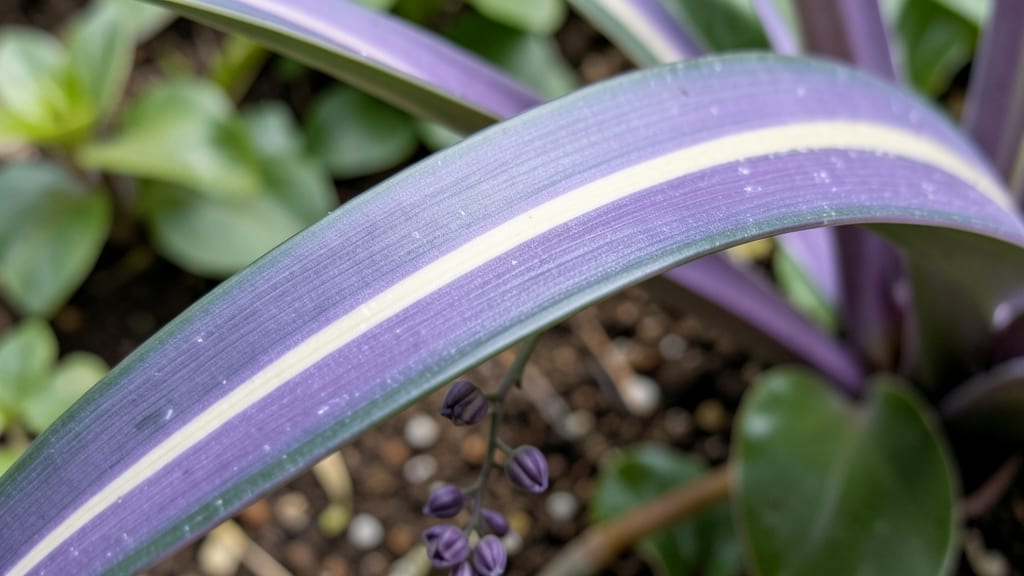
Your purple-flower spider plant won’t just survive—it’ll thrive with three simple care tricks that transform it into a showstopper. 🌿 Unlike its green-leaved cousins, this variety produces delicate purple blooms that arch like tiny chandeliers, and the secret to coaxing them out lies in light, water, and a little patience.
I’ve had mine flowering for two seasons now, and the difference between a struggling plant and one bursting with color comes down to these adjustments.
The first trick is light—bright, indirect sunlight is key. Place it near a window where it gets morning light and afternoon shade, or use a grow light if natural light is weak.
Overwatering is the real villain here: let the top inch of soil dry out between waterings, and always use room-temperature water to avoid shocking the roots. A well-draining potting mix with perlite or orchid bark keeps moisture in check while preventing those dreaded brown tips.
What you’ll end up with is a plant that doesn’t just survive but produces vibrant purple blooms year after year. The flowers may look fragile, but they’re tougher than they appear—just snip the spent stalks to encourage more growth.
Within a few months, you’ll notice new shoots emerging from the base, ready to be propagated into fresh plants. It’s the kind of progress that makes gardening feel effortless.
This care routine works for both indoor pots and hanging baskets, making it perfect for small spaces or sunny windowsills. The only real mistake is skipping the soil check—always test moisture before watering.
Once you’ve got the rhythm down, your purple-flower spider plant will reward you with blooms that turn heads and a lush, arching habit that brightens any room.
📚 In This Guide
- What you need
- Instructions
- Tips and common mistakes
- Wrapping up and next steps
What you need
- ● Spider plant (Tradescantia pallida) – 1 healthy purple-leaved cutting or mature plant (check for vibrant purple hues and no browning).
- ● Well-draining potting mix – 1 bag (5-10 quarts) of a lightweight blend (e.g., 50% peat moss, 30% perlite, 20% vermiculite or coco coir).
- ● 6-8 inch pot – 1 container with drainage holes (terracotta or fabric pots work best).
- ● Watering can or spray bottle – For gentle hydration (avoid overwatering!).
- ○ Fertilizer (optional but recommended) – 1 bottle of balanced liquid fertilizer (e.g., 10-10-10) or organic options like fish emulsion.
- ● Pruning shears or clean scissors – For trimming leggy stems or propagating cuttings.
- ○ Grow lights (optional) – 1-2 LED grow bulbs (6000K-6500K) if growing indoors with low natural light.
- ● Misting spray bottle – To increase humidity, especially in dry climates.
- ● Garden gloves – To protect hands from mild sap irritation (if handling large plants).
- ● A sunny spot – 4+ hours of indirect light daily (bright windowsill or shaded outdoor area).
- ● Moderate temperature – Keep between 60–80°F (15–27°C); avoid drafts or cold windows.
- ● Patience – Purple spider plants thrive with consistent care but may take 6–12 months to bloom.
How to grow a purple flower spider plant for long-lasting color
Here’s my go-to method for nurturing these striking plants—no fuss, just vibrant blooms.
🌱 Step 1: Choose the Right Light Spot for Purple Blooms
Spider plants thrive in bright, indirect light—think east or north-facing windows where sunlight filters gently. Avoid harsh afternoon sun, which can bleach the purple hues and scorch delicate leaves. If your home has dim lighting, supplement with a grow light 12-18 inches away for 10-12 hours daily.
Watch for these cues: Deep purple flowers signal ideal light, while pale green blooms mean it’s too bright. Leggy growth with sparse foliage? Move the plant closer to the window. I like to rotate mine quarter-turn weekly so all sides get even exposure.
💧 Step 2: Water When the Soil Feels Dry to the Touch
Spider plants hate soggy roots, so wait until the top 1-2 inches of soil feel dry before watering. Stick your finger in—if it comes out clean, it’s time. Water thoroughly until liquid drains from the pot’s holes, but never let it sit in saucers. Purple varieties are slightly more drought-tolerant than green ones, so err on the side of underwatering if unsure.
Here’s the trick: I water mine in the morning so excess drains away by evening. Yellowing leaf tips? That’s usually a sign of fluoride buildup from tap water. Let the water sit out overnight before using or switch to distilled water for a month to see improvement.
☀️ Step 3: Fertilize Lightly During Blooming Season
Feed your purple spider plant with a balanced liquid fertilizer (10-10-10) diluted to half-strength every 6-8 weeks in spring and summer. Skip fertilizing in fall and winter—these plants rest then. I mix mine in a spray bottle so it reaches the roots without splashing leaves, which can cause brown spots.
Watch for new flower stalks as your cue to resume feeding. Over-fertilizing causes salt buildup, which looks like white crust on soil. If you see that, flush the pot by watering until water runs clear from the drainage holes. Purple blooms thrive with consistency—don’t skip feedings once they start producing flowers.
✂️ Step 4: Prune and Propagate for More Plants
Deadhead spent flower stalks by snipping them at the base with clean scissors. This encourages more blooms and keeps the plant looking tidy. Purple spider plants produce "pups" (baby plants) on long stems—let these grow until they’re 3-4 inches tall before separating. Gently twist or cut the pup from the mother plant, then pot it in fresh soil.
Here’s where it gets fun: The pups root quickly in water or soil. I like to place them in a jar of water until roots form (usually 2-3 weeks) before transferring to pots. This way, I get free plants while keeping my original vibrant!
Tips & tricks for perfect purple flower spider plant care
Here's what nobody tells you about keeping those stunning purple blooms coming back year after year.
Light Rotation Secret: The quarter-turn weekly rotation in Step 1 isn't just about even growth—it's how you prevent those telltale brown patches where light hits unevenly. I've seen plants develop permanent sunburn scars from staying in one spot too long. Place a small sticky note on the window sill to remind you to rotate, especially if you're busy during the week.
Watering Timing: Morning watering in Step 2 works because it gives excess moisture time to drain completely before nightfall. This prevents root rot, which purple varieties are surprisingly prone to. I keep a small watering can with a fine rose next to my plants—it gives me better control than tap water pressure, which can compact the soil.
Fertilizer Application: The spray bottle method in Step 3 isn't just about avoiding leaf spots—it also helps distribute nutrients more evenly to the roots. I mix my fertilizer with a splash of rainwater (collected in a clean container) to give my plants an extra boost. The diluted 10-10-10 formula is perfect because it matches the plant's natural nutrient needs during its active growing season.
Propagation Timing: When those pups reach 3-4 inches in Step 4, don't rush to separate them! Wait until you see at least two new leaves forming on the pup itself. This ensures the baby plant has enough energy reserves to establish its own root system. I've found that pups separated too early often produce fewer flowers in their first bloom cycle.
Pro Tips for Purple Flower Spider Plant
- Here's what nobody tells you about keeping those stunning purple blooms coming back year after year.
- Light Rotation Secret: The quarter-turn weekly rotation in Step 1 isn't just about even growth—it's how you prevent those telltale brown patches where light hits unevenly.
- Watering Timing: Morning watering in Step 2 works because it gives excess moisture time to drain completely before nightfall.
Frequently asked questions
Got questions about your purple flower spider plant? You’re not alone! Here are some of the most common concerns—plus quick, easy solutions to keep your plant thriving and blooming.
How often should I water my purple flower spider plant?
Water your plant when the top 1–2 inches of soil feel dry to the touch. Overwatering is the #1 killer—aim for every 7–10 days in warm climates or less in cooler, humid conditions. Pro tip: Use a pot with drainage holes to prevent root rot!
Why isn’t my purple flower spider plant blooming?
Spider plants (even purple varieties!) need bright, indirect light and a little patience—some take 1–2 years to flower. If it’s mature but still not blooming, check for low light or nutrient deficiencies. A gentle nudge with balanced fertilizer in spring can help!
Are spider plants toxic to pets or kids?
Yes! Spider plants contain saponins, which can cause mild stomach upset if ingested. Keep them out of reach of curious pets or toddlers. Symptoms may include drooling, vomiting, or diarrhea—contact a vet if you suspect poisoning. Safe alternative: Try a parlor palm or calathea for pet-friendly greenery.
Can I propagate my purple spider plant easily?
Stem cuttings
are the easiest way. Snip a healthy offset (baby plant) with roots, plant it in moist soil, and keep it humid (a plastic bag works!). Roots should form in 4–6 weeks. Bonus: Purple varieties often retain their color when propagated!
What pests should I watch for on my spider plant?
Spider mites, mealybugs, and aphids love spider plants! Check leaves regularly—look for sticky residue or tiny webs. Treat mild infestations with a neem oil spray or soapy water. For severe cases, isolate the plant and repeat treatments every 5–7 days.
Wrapping up and next steps
Ready to bring a splash of vibrant purple to your home? The Purple Flower Spider Plant is a stunning, low-maintenance addition that rewards patience with breathtaking blooms. 🌸 With the right light, watering routine, and a little TLC, you’ll enjoy its unique beauty year after year.
Start small—plant your first one today, and soon you’ll be sharing tips (or even propagating cuttings!) with fellow plant lovers. Happy growing! 🌱