
Flowers
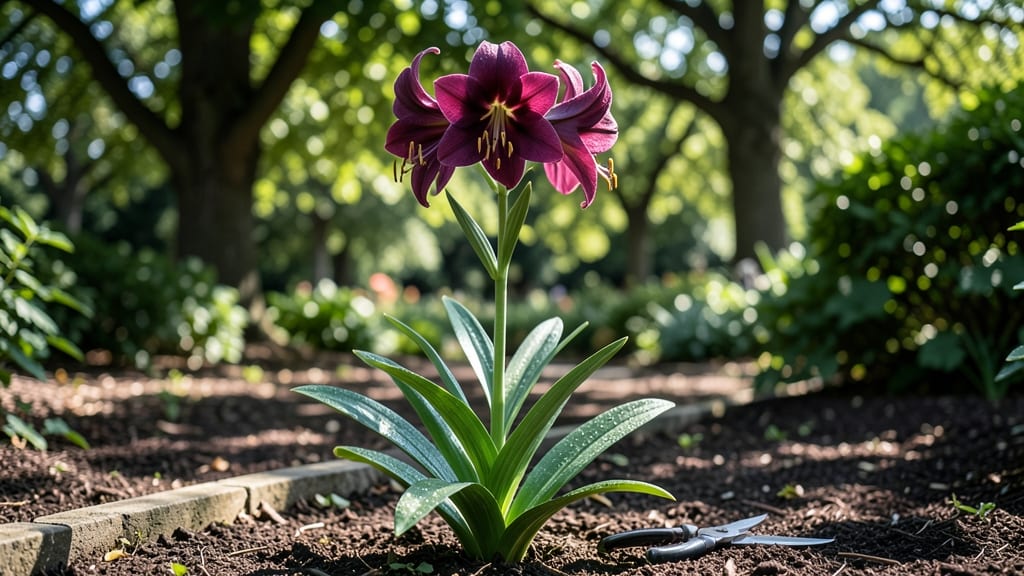
That purple lilly flower you’ve been admiring? 🌸 Growing purple lilies year-round isn’t just possible—it’s easier than you think, once you know the four tricks that keep them blooming reliably.
My first batch nearly died from overwatering, but after learning these simple adjustments, I now get continuous blooms from early spring through frost.
The secret starts with the right variety—true lilies like 'Purple Fox' or 'African Queen' deliver that deep magenta hue, while daylilies offer softer lavender tones. Plant in well-draining soil with 6 hours of sunlight daily, and water only when the top 2 inches feel dry.
The biggest mistake? Letting them sit in soggy soil, which leads to root rot.
You'll end up with clusters of 3-5 inch blooms that last weeks, plus foliage that stays lush even in summer heat. The fragrance? Lightly sweet, like a spring breeze through a meadow. With these tricks, even beginner gardeners can grow lilies that steal the show all season.
Works for containers or garden beds, and thrives in zones 3-9. Let's get those purple blooms growing—your neighbors won't believe it's the same plant!
📚 In This Guide
- What you need
- Instructions
- Tips and common mistakes
- Wrapping up and next steps
What you need
- ● Purple lily bulbs (Lilium spp.) – Choose healthy, firm bulbs (3–5 bulbs per pot or 6–8 bulbs per square yard in garden beds).
- ● Well-draining potting mix – Use a blend of peat, perlite, and compost (60/30/10 ratio) for containers.
- ● Garden soil (if planting outdoors) – Amend with compost for fertility (1 part compost per 3 parts soil).
- ● Slow-release fertilizer (10-10-10 NPK) – 1–2 tbsp per bulb or per square yard at planting.
- ● Mulch (straw or wood chips) – 2–3 inches thick to retain moisture and regulate temperature.
- ● Garden trowel or bulb planter – For digging holes (6 inches deep, 3x bulb width apart).
- ● Watering can or hose with gentle spray – Avoid soaking bulbs.
- ● Pruning shears – For deadheading spent blooms and trimming foliage.
- ○ Gloves (optional but recommended) – Lilies can have mild irritants.
- ● Sunlight access – 6+ hours of direct sun daily (partial shade in hot climates).
- ● Container with drainage holes (if growing indoors) – 12–16 inches in diameter for 3–5 bulbs.
- ● Epsom salt (magnesium sulfate) – 1 tbsp per gallon of water for vibrant blooms (apply monthly).
- ● Copper fungicide spray – To prevent bulb rot in humid climates.
- ● Stakes or supports – For tall varieties (e.g., Lilium regale).
- ● Grow lights (for indoor forcing) – 12–14 hours of light in winter.
How to grow purple lilies for season-long color
Here's the straightforward approach that keeps these showstoppers blooming reliably.
🌱 Step 1: Choose the Right Variety and Planting Site
Purple lilies thrive in full sun (at least 6 hours daily) and well-draining soil. I always opt for Asiatic lilies for their bold purple hues and heat tolerance. Avoid planting in low spots where water pools—lily bulbs rot quickly when soggy. Amend heavy clay soil with 2-3 inches of compost to improve drainage.
Here's the thing—purple lilies need space. Plant bulbs 6 inches deep and 12 inches apart to prevent overcrowding. The deeper you plant, the stronger the stems will grow. I mark the planting spots with small stakes so I don't accidentally disturb them when prepping the soil.
☀️ Step 2: Provide Consistent Moisture and Nutrients
Water lilies deeply once a week during their first growing season to encourage strong root development. You'll know moisture is right when the soil feels damp 2 inches below the surface. Overwatering is the quickest way to kill these plants—yellowing leaves signal root rot.
Feed with a balanced 10-10-10 fertilizer when shoots reach 4 inches tall, then again when buds form. I use ½ teaspoon per plant each time. Purple lilies are heavy feeders, but too much nitrogen makes them grow leaves instead of flowers. Watch for dark green, lush foliage—that's your sign they're getting enough nutrients.
✂️ Step 3: Deadhead and Support for Long Blooms
Remove spent blooms immediately after they fade to redirect the plant's energy into new flowers. I snip stems just above the next leaf node with clean pruners. This simple step extends the blooming season by 2-3 weeks. Never cut back more than ⅓ of the foliage—purple lilies need those leaves to photosynthesize and store energy for next year.
Tall purple lilies need staking. Install 3-foot bamboo stakes at planting time and tie stems loosely with soft plant ties as they grow. The moment you see buds forming, check for straight stems—any leaning means the plant needs support before buds open. Purple lilies with proper support stay upright even in windy conditions.
🌿 Step 4: Winter Care for Year-Round Blooms
After the first hard frost, cut back foliage to 2 inches above ground level but leave the bulbs in place. Mulch heavily with 3-4 inches of straw or shredded leaves to insulate bulbs through winter. Purple lilies are hardy to USDA Zone 4, but extra protection ensures they'll rebloom next spring.
In early spring, remove the mulch when new shoots appear. You'll see bright green growth pushing through the soil—this is your cue to resume regular watering. Purple lilies are surprisingly resilient, but they need consistent care to reward you with those dramatic blooms year after year.
Tips & tricks for perfect purple lilies
These simple tricks will help you avoid common pitfalls and keep your purple lilies blooming like showstoppers all season.
Soil Test First: Before planting, test your soil's drainage by digging a hole, filling it with water, and timing how long it takes to drain. If water remains after 6 hours, amend with more compost or sand. I've seen purple lilies fail in soggy soil even when planted correctly—don't skip this step!
Planting Depth Matters: The 6-inch planting depth isn't just a recommendation—it's crucial for strong stems. Use a ruler to measure and a stick to mark planting spots. I've found that bulbs planted too shallow often flop over, while deeper planting prevents this common issue.
Watering Wisdom: That "deeply once a week" guideline assumes average rainfall. Check soil moisture by inserting your finger 2 inches down—if it's dry, water thoroughly. In hot climates, you might need to water twice weekly, but never let water pool around the base.
Fertilizer Timing: The 4-inch shoot height is your cue for first feeding, but watch for new growth after that. If you see rapid leaf growth with no buds forming, you're overdoing nitrogen. Switch to a low-nitrogen fertilizer like 5-10-10 for flowering boosts.
Pro Tips for Purple Lilly Flower
- These simple tricks will help you avoid common pitfalls and keep your purple lilies blooming like showstoppers all season.
- Soil Test First: Before planting, test your soil's drainage by digging a hole, filling it with water, and timing how long it takes to drain.
- Planting Depth Matters: The 6-inch planting depth isn't just a recommendation—it's crucial for strong stems.
Frequently asked questions
Got questions about growing and caring for purple lilies? You’re not alone!
Here are some of the most common queries—plus quick answers to keep your blooms thriving year-round.
1. How do I tell the real purple lily (Lilium regale) apart from other lilies?
The purple lily (often called Lilium regale or "regal lily") has deep magenta-purple flowers with white edges, upward-facing blooms, and a sweet, citrusy fragrance. Unlike daylilies (Hemerocallis), true lilies have 6 petals, bulbs (not rhizomes), and toxic sap. Pro tip: Check the USDA Plant Guide for visual comparisons!
2. When is the best time to plant purple lilies for year-round blooms?
Plant purple lilies in early spring (after frost) or early fall (6-8 weeks before first frost) for best results. They thrive in USDA Zones 4-9 and bloom late summer to early fall. For extended blooms, plant bulbs in staggered batches—every 2-3 weeks—to enjoy flowers from July to October!
3. Why aren’t my purple lilies blooming? Troubleshooting tips!
No blooms? Check these fixes:
- Too much nitrogen: Use a low-nitrogen, high-phosphorus fertilizer (like 5-10-10) in early spring.
- Overcrowded bulbs: Dig up and divide bulbs every 3-4 years to prevent competition.
- Not enough sunlight: Purple lilies need 6+ hours of sun daily—move to a sunnier spot!
- Immature bulbs: Give them 2-3 years to establish before expecting blooms.
4. Can I grow purple lilies in containers? What’s the trick?
Yes! Use a large pot (12"+ diameter) with drainage holes and a mix of potting soil + perlite. Plant 3-5 bulbs per container for a full look. Key tips:
- Water deeply but infrequently—let soil dry slightly between waterings.
- Place in full sun to partial shade (morning sun is ideal).
- Move containers indoors (or to a garage) before hard frosts in colder zones.
5. What are some stunning purple lily alternatives for my garden?
If purple lilies aren’t your style, try these fragrant or similarly striking blooms:
Flower
Color
Bloom Time
Care Level
Stargazer Lily
Pink with dark spots
Mid-to-late summer
Moderate (needs staking)
Calla Lily (Zantedeschia)
Deep purple-black
Summer-fall
Easy (tropical, not hardy)
Lavender
Purple hues
Spring-summer
Very easy (drought-tolerant)
Black Baccara Rose
Near-black purple
Repeats all season
Moderate (prune regularly)
Wrapping up and next steps
The purple lily flower isn’t just a stunning addition to your garden—it’s a symbol of resilience and beauty that thrives with the right care! 🌸 From mastering light, soil, and watering to troubleshooting common issues, you now have the 4 key tricks to enjoy year-round blooms.
Whether you’re a seasoned gardener or just starting, these tips will help you cultivate a thriving purple lily patch that turns heads and lifts spirits.
Ready to transform your garden? Grab your gardening gloves, pick your favorite purple lily variety, and put these strategies into action. Your future blooms—and their admirers—will thank you! 🌿✨