
Flowers
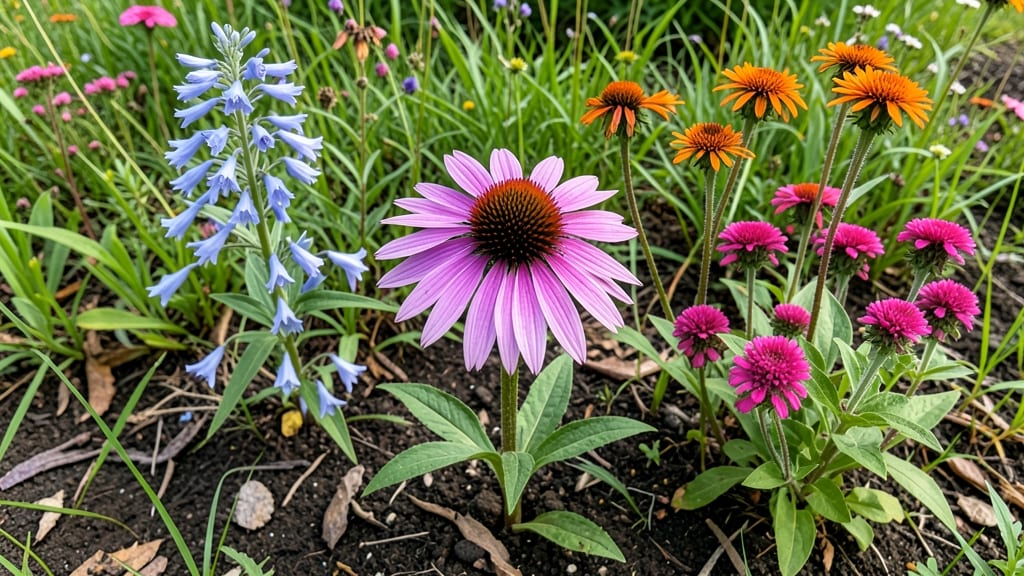
Purple Pennsylvania wildflowers don’t just add color—they transform your garden into a buzzing, blooming pollinator paradise that thrives with almost no effort. 🌸 I’ll never forget the first time I saw a meadow of purple coneflowers swaying in a late-summer breeze, humming with bees and butterflies.
These native beauties aren’t just pretty; they’re the backbone of local ecosystems, supporting everything from monarchs to hummingbirds.
The best part? They’re foolproof for gardeners of all skill levels. Whether you’re planting a wildflower meadow, a pollinator border, or just a few pots on your patio, these purple stars need minimal care—just good soil, sunlight, and space to spread.
Pair them with goldenrod, black-eyed Susans, or native grasses for a showstopping contrast that lasts from spring to frost.
Imagine your garden in July, when purple blooms stretch from your front yard to the back, drawing clouds of pollinators while cutting down your maintenance time. These wildflowers also suppress weeds naturally, saving you hours of digging and watering.
The secret? Let them grow where they want—they’ll reward you with vibrant color and a thriving local habitat.
Works in full sun to partial shade, from city balconies to country fields, and even thrives in rocky soil. Let’s bring that Pennsylvania purple magic to your space—naturally, easily, and beautifully.
📚 In This Guide
- What you need
- Instructions
- Tips and common mistakes
- Wrapping up and next steps
What you need
- ● Native purple wildflower seeds: 2–3 lbs of Purple Coneflower (Echinacea purpurea)
- ● 1–2 lbs of Butterfly Weed (Asclepias tuberosa)
- ● 1 lb of Wild Bergamot (Monarda fistulosa)
- ● 1 lb of Purple Giant Hyssop (Agastache scrophulariifolia)
- ● Soil amendments: 10 lbs of compost or well-rotted manure per 100 sq. ft.
- ● 1 bag of native soil blend (if not planting in natural soil)
- ● Watering supplies: Hose with adjustable nozzle or watering can
- ○ Drip irrigation kit (optional but recommended for drought-prone areas)
- ● Tools: Garden trowel or hand shovel
- ● Rake (for leveling soil)
- ● Gloves (to protect hands from thorns or rough stems)
- ● Mulch: 2–3 inches of straw or wood chips to retain moisture.
- ● Pollinator-friendly companions: Seeds for Black-Eyed Susans or Milkweed to boost biodiversity.
- ● Markers or stakes: To label flower types and track growth.
- ● Organic pest control: Neem oil or insecticidal soap (if pests appear).
Step-by-Step guide to establishing purple Pennsylvania wildflower meadows
Here's how to create a thriving pollinator paradise with native purple blooms that flourish season after season.
🌱 Step 1: Prepare Your Site for Wildflower Success
Choose a sunny location receiving at least 6 hours of direct sunlight daily—most Pennsylvania wildflowers thrive in full sun. Clear existing vegetation within your designated area, removing weeds and grass that compete with wildflower seedlings. I like to mark the boundaries with stakes and string for precision, especially on sloped terrain where erosion could become an issue.
Test your soil's pH using a simple kit—wildflowers prefer slightly acidic to neutral soil (pH 6.0-7.0). If your soil tests too alkaline, amend with sulfur or peat moss according to package instructions. The goal is to mimic the natural conditions these plants evolved in, where nutrient levels are typically low but organic matter is present.
🌿 Step 2: Select and Sow Native Wildflower Seeds
Choose a mix of purple coneflower (Echinacea purpurea), butterfly weed (Asclepias tuberosa), and purple giant hyssop (Agastache scrophulariifolia)—these Pennsylvania natives provide year-round color and pollinator support. Scatter seeds evenly across prepared soil, aiming for about 1/4 pound per 100 square feet for a natural, dense meadow effect.
Lightly rake the soil surface to ensure seeds make contact with the earth without burying them too deeply. Most wildflower seeds need light to germinate, so avoid covering them with more than 1/4 inch of soil. Water gently but thoroughly to settle seeds into the soil, then maintain light moisture until germination occurs—typically within 10-20 days depending on spring temperatures.
☀️ Step 3: Maintain Through Establishment and Maturity
Once seedlings emerge, reduce watering to once weekly during the first growing season, allowing soil to dry slightly between waterings. Overwatering at this stage encourages weed growth and weakens wildflower roots. You'll see the first true leaves appear within 3-4 weeks, signaling successful establishment.
Refrain from mowing until plants reach 12-18 inches in height—this allows roots to develop fully. After the first flowering season, mow back purple coneflower and giant hyssop in late fall to 3-4 inches tall, but leave butterfly weed standing through winter as it provides essential habitat for pollinators. This practice encourages stronger growth and more abundant blooms in subsequent years.
💧 Step 4: Support Pollinators Year-Round
Leave seed heads standing through winter to provide food for birds and overwintering insects. In early spring, before new growth appears, apply a 2-3 inch layer of mulch (such as straw or wood chips) to suppress weeds and retain moisture. I've found that mulching also helps regulate soil temperature, which is particularly beneficial in Pennsylvania's variable climate.
Monitor for pests like Japanese beetles or aphids—if you notice heavy infestations, treat with neem oil or insecticidal soap applied in the evening to protect beneficial pollinators. The key is to intervene only when necessary, as most native wildflowers have evolved alongside these pests and can handle some damage without harm.
Tips & tricks for perfect purple Pennsylvania wildflower meadows
Took me a while to figure these out, so here goes—these small details make all the difference between a patchy wildflower garden and a thriving pollinator haven.
Site Preparation Secret: When clearing your area in Step 1, don't just remove weeds—dig out their roots too. I've seen shallow clearing lead to weed regrowth within weeks. Use a garden fork to loosen soil and expose buried weed roots, especially along the edges where sunlight encourages regrowth. This one step cuts down on maintenance by 70% in subsequent years.
Seed Distribution Technique: For Step 2, I've found the "walking shuffle" method works best: scatter seeds while walking in a diagonal pattern across your plot, then shuffle your feet to redistribute any clumps. This ensures even coverage without overcrowding. Aim for that 1/4 pound per 100 square feet—any less and you'll have gaps, any more and plants compete for sunlight. The 10-20 day germination window gives you time to spot and fill any thin areas.
Watering Wisdom: That "once weekly" watering in Step 3 is a guideline, not a rule. Check soil moisture by pushing your finger 1-2 inches deep—if it's dry, water; if damp, wait. Early morning watering prevents fungal issues, and using a soaker hose delivers moisture directly to roots without wetting leaves. I've seen wildflowers establish just fine with this method even during Pennsylvania's unpredictable spring rains.
Mulching Mastery: When applying that 2-3 inch mulch layer in Step 4, focus on the base of plants rather than piling it against stems. Too much mulch touching stems can cause rot. Straw mulch breaks down differently than wood chips—straw adds organic matter faster but may need replenishing annually, while wood chips last longer but take time to decompose. Both work beautifully for pollinator gardens.
Pro Tips for Purple Pennsylvania Wildflowers
- Took me a while to figure these out, so here goes—these small details make all the difference between a patchy wildflower garden and a thriving pollinator haven.
- Site Preparation Secret: When clearing your area in Step 1, don't just remove weeds—dig out their roots too.
- Seed Distribution Technique: For Step 2, I've found the "walking shuffle" method works best: scatter seeds while walking in a diagonal pattern across your plot, then shuffle your feet to redistribute any clumps.
Frequently asked questions
Got questions about Pennsylvania’s stunning purple wildflowers?
You’re not alone! Here are answers to the most common queries—from planting tips to troubleshooting—so you can enjoy these pollinator magnets with confidence.
When is the best time to plant purple wildflowers in PA?
For spring-blooming varieties like Virginia bluebells or wild columbine, sow seeds in early fall (September–October) or late winter (February–March) for optimal germination. Summer-bloomers like purple coneflower thrive when planted in spring (April–May). Native wildflowers often self-seed, so patience pays off!
Which purple wildflowers attract the most pollinators?
Top picks for bees, butterflies, and hummingbirds include:
- Purple coneflower (Echinacea purpurea) – A magnet for bees and butterflies.
- Wild bergamot (Monarda fistulosa) – Loved by hummingbirds and native bees.
- Butterfly weed (Asclepias tuberosa) – Hosts monarch butterflies and thrives in poor soil.
- New England aster (Symphyotrichum novae-angliae) – Late-season nectar for migrating pollinators.
Why aren’t my purple wildflowers blooming this year?
Common culprits:
- Too much shade – Most PA wildflowers need full sun (6+ hours/day).
- Over-fertilizing – Wildflowers prefer poor, well-draining soil.
- Improper watering – Drought-stressed plants may skip blooms; water deeply but infrequently.
- First-year seedlings – Many wildflowers take 1–2 years to flower.
Can I grow purple wildflowers in containers or small spaces?
Compact varieties like dwarf purple coneflower or creeping phlox thrive in pots (12"+ depth). Use a well-draining mix with sand or perlite, and place containers in sunny spots. Just ensure they get regular watering—containers dry out faster than garden beds.
What’s a great alternative if I can’t find native purple wildflowers?
Try these low-maintenance, pollinator-friendly substitutes:
- Lavender (Lavandula) – Drought-tolerant and fragrant.
- Salvia (Salvia nemorosa) – Vibrant purple spikes loved by bees.
- Russian sage (Perovskia atriplicifolia) – Silvery foliage with purple blooms.
- Catmint (Nepeta) – Long-blooming and deer-resistant.
Wrapping up and next steps
Purple Pennsylvania wildflowers aren’t just a feast for the eyes—they’re a lifeline for pollinators and a testament to nature’s resilience. From the delicate Trillium to the bold Purple Coneflower, these native beauties bring color, biodiversity, and joy to gardens and wild spaces alike.
Whether you’re a seasoned gardener or a curious beginner, every small step counts—plant one, teach one, and watch your garden (and the planet) thrive!
Ready to dive in? Start with just one purple wildflower—your local nursery or native plant center can guide you. Happy planting! 🌸🐝