
Shrubs
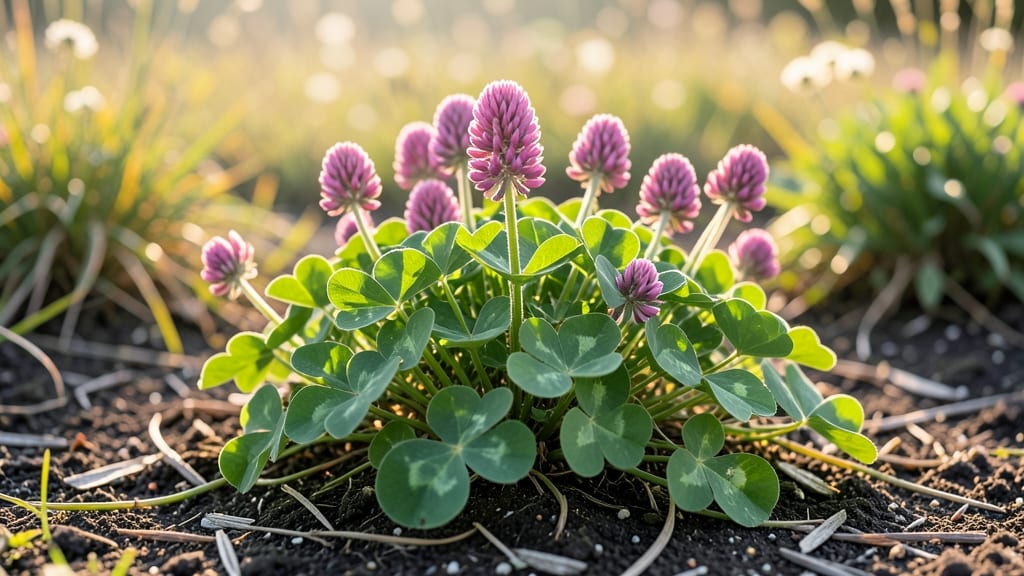
Red-flowered clover isn’t just another ground cover—it’s a bold purple statement that turns ordinary gardens into showstoppers. 🌸 I remember the first time I saw it cascading over a rocky slope, its deep magenta blooms contrasting against the gray stones like a splash of paint.
This isn’t your grandmother’s clover; it’s a hardy, drought-tolerant plant that thrives in full sun or partial shade, making it perfect for borders, meadow-style gardens, or even as a living mulch.
The real magic happens when you let it spread. In just a few weeks, those vibrant blooms create a lush, textured carpet that attracts bees, butterflies, and hummingbirds all season long.
Pair it with lavender for a purple-hued paradise or plant near black-eyed Susans to let the yellow pop against the deep red. It’s low-maintenance, too—once established, it handles foot traffic and even recovers from light mowing.
What makes red-flowered clover truly special is its year-round appeal. Early spring brings fresh green foliage, summer delivers nonstop blooms, and fall offers a golden hue as the leaves turn.
It’s the kind of plant that makes neighbors stop and ask, “What is that?”—and then you get to brag about how easy it is to grow. Whether you’re filling gaps in a perennial bed or creating a wildflower meadow, this clover delivers instant drama with minimal effort.
Best of all, it’s zone 3 to 9 hardy, so it’ll outlast trendy annuals by decades. Start with a small patch and watch it multiply—before you know it, your garden will be buzzing with life and color. Ready to make a statement? Let’s get planting!
📚 In This Guide
- What you need
- Instructions
- Tips and common mistakes
- Wrapping up and next steps
What you need
- ● Red-flowered clover seeds – Choose Trifolium pratense (purple clover) or Trifolium incarnatum (crimson clover) varieties. Buy 1–2 lbs (0.5–1 kg) for a small garden or 5+ lbs (2+ kg) for larger areas.
- ● Well-draining soil mix – A blend of 60% topsoil, 30% compost, and 10% sand or perlite (for loose, aerated soil).
- ● Garden bed or containers – For in-ground planting, select a sunny spot (6+ hours of light daily). For containers, use pots at least 12 inches deep with drainage holes.
- ● Organic fertilizer – A balanced 10-10-10 NPK or low-phosphorus option (e.g., fish emulsion or compost tea) to avoid overfeeding.
- ● Watering can or hose with a gentle spray nozzle – Clover needs 1–1.5 inches (2.5–4 cm) of water weekly, but avoid soggy soil.
- ● Hand trowel or transplanting spade – For digging holes ¼ inch deep and spacing seeds 6–12 inches apart.
- ● Garden rake – To loosen soil and create a fine seedbed.
- ○ Mulch (optional but recommended) – Use 2–3 inches of straw or wood chips to retain moisture and suppress weeds.
- ● Pruning shears – For trimming spent blooms or shaping plants in late summer/early fall.
- ● Garden gloves – Protect your hands from prickly stems (especially in crimson clover).
- ● Sunlight access – Red-flowered clover thrives in full sun to partial shade (4+ hours of direct light).
- ● Moderate climate – Ideal for USDA Zones 3–9. Avoid planting in waterlogged or heavily shaded areas.
- ○ Patience (optional but fun!) – Seeds germinate in 7–21 days; full blooms appear in 60–90 days.
Step-by-Step guide to planting and caring for red flowered clover
Here's how to grow vibrant red clover that thrives in sun or shade.
🌱 Step 1: Choose the Perfect Planting Location
Red flowered clover loves full sun but tolerates partial shade—just expect slightly fewer blooms. I always check the spot for at least 6 hours of sunlight before planting. The soil should drain well, but clover handles clay better than many flowers. Test your spot by digging a small hole: if water pools after 30 minutes, amend with compost or plant on a slight mound.
This is the moment that matters: if your yard has heavy foot traffic, plant clover in a less-trodden corner. It's tough enough to handle light trampling, but too much compaction will stunt its growth. A spot near a fence or along a pathway works beautifully—just keep pets away until it establishes.
🌿 Step 2: Prepare Soil and Plant Seeds
Loosen the top 6 inches of soil with a garden fork or tiller to help roots spread easily. Mix in 2-3 inches of compost if your soil feels dense or sandy. Red clover doesn't need rich soil, but it rewards you with bigger blooms when given a little organic matter.
Scatter seeds ¼ inch deep—they're tiny, so I use a seed spreader or gently tap them from my hand. Space them 12-18 inches apart for a neat look, or let them self-seed for a wildflower meadow effect. Water lightly to settle the seeds into the soil, then keep the area moist until germination.
💧 Step 3: Water and Maintain for Lush Growth
Water once a week after planting, giving ½ inch of water each time. Once established, red clover is drought-tolerant, but deep watering encourages stronger roots. You'll know it's thriving when you see the first purple flowers after about 6-8 weeks.
Here's the thing—red clover fixes nitrogen in the soil, so it actually improves your garden over time. Avoid heavy fertilizers, which can make the foliage grow too lush at the expense of blooms. A light mulch of straw helps retain moisture and keeps weeds down without smothering the young plants.
✂️ Step 4: Prune and Encourage More Blooms
Deadhead spent flowers by pinching them off just above the next set of leaves. This encourages continuous blooming throughout the growing season. I do this every 2-3 weeks during peak bloom time. Don't cut back the entire plant—just remove faded blooms to redirect energy into new flowers.
If your clover gets leggy or looks tired by late summer, give it a light trim to about 3 inches tall. This rejuvenates the plant and often triggers another round of blooms before frost. The key is to never cut into old wood—always leave some fresh growth to carry it through.
Tips & tricks for perfect red flowered clover growth
A few simple tricks will help you coax those vibrant purple blooms from your red clover seeds.
Sunlight Secret: While red clover thrives with at least 6 hours of sunlight, I've found that morning sun is even better. The cooler afternoon temperatures prevent stress on the plants, especially in hot climates. If you're planting in partial shade, choose the sunniest spot you can find—those extra hours make a noticeable difference in bloom quantity.
Soil Prep Strategy: The 6 inches of loosened soil in Step 2 is perfect for root spread, but here's what I do differently: I add a handful of crushed eggshells to the compost mix. The calcium helps prevent blossom end rot, which can sometimes affect clover flowers. It's a tiny extra step that pays off with healthier blooms.
Watering Wisdom: That once-a-week watering guideline works perfectly, but timing matters. Water in the early morning so the foliage has all day to dry. Wet leaves left overnight invite fungal diseases, especially during humid summers. I also use a soaker hose to deliver that ½ inch of water directly to the roots without wetting the leaves.
Deadheading Timing: The 2-3 week deadheading schedule in Step 4 is spot-on, but here's my pro tip: do it on a cloudy day or in the evening. The plants handle the pruning better when they're not stressed by midday sun. You'll also notice fewer spent blooms dropping onto your lawn or garden paths when you trim them at cooler times.
Pro Tips for Red Flowered Clover
- A few simple tricks will help you coax those vibrant purple blooms from your red clover seeds.
- Sunlight Secret: While red clover thrives with at least 6 hours of sunlight, I've found that morning sun is even better.
- Soil Prep Strategy: The 6 inches of loosened soil in Step 2 is perfect for root spread, but here's what I do differently: I add a handful of crushed eggshells to the compost mix.
Frequently asked questions
When is the best time to plant red-flowered clover?
Plant seeds in early spring or late summer for the best results. This timing allows roots to establish before extreme heat or cold. If sowing in fall, do so at least 6 weeks before the first frost to ensure germination. Avoid planting in winter—cold soil can delay or prevent sprouting.
How often should I water red-flowered clover?
Water moderately but consistently during the first growing season—about 1 inch per week, including rainfall. Once established, red clover is drought-tolerant and needs far less water. Overwatering can lead to root rot, so let the soil dry slightly between waterings.
Will red-flowered clover attract bees or other pests?
Yes! Red-flowered clover is a magnet for pollinators, including bees, butterflies, and hummingbirds—great for eco-friendly gardens. However, it may also draw aphids or clover mites. Solution: Use neem oil or insecticidal soap for severe infestations, and encourage natural predators like ladybugs.
Can I grow red-flowered clover in containers or small spaces?
While it thrives in open ground, red clover adapts well to containers, window boxes, or small garden beds. Choose a pot at least 12 inches deep with drainage holes. Mix seeds with soil for better coverage, and place in full sun. Just avoid overcrowding—thin seedlings to 6–12 inches apart.
Why isn’t my red-flowered clover blooming?
Blooming may be delayed or absent due to poor sunlight, over-fertilizing, or immature plants. Ensure your clover gets 6+ hours of direct sun daily and avoid high-nitrogen fertilizers (they promote leafy growth over flowers). If seedlings are young (<1 year), be patient—full blooms often appear in the second year.
What’s the difference between red-flowered clover and white clover?
Beyond color, red-flowered clover (Trifolium pratense) has pink-purple blooms and a sweeter fragrance, while white clover (Trifolium repens) features white flower heads and a stronger, sometimes bitter scent. Red clover also grows taller (1–3 feet) and is more cold-hardy, making it ideal for northern climates.
Wrapping up and next steps
Red flowered clover isn’t just a stunning addition to your garden—it’s a low-maintenance, eco-friendly powerhouse that brings color, pollinators, and even soil health to your outdoor space! 🌸 Whether you’re a seasoned gardener or just starting out, these vibrant blooms prove that beauty and sustainability go hand in hand.
Ready to elevate your garden? Grab your seeds or cuttings, pick a sunny spot, and watch your space transform in no time!
🌱 Next Steps:
- Start small: Plant a few red flowered clover patches in pots or garden beds to test your green thumb.
- Spread the joy: Share cuttings or seeds with fellow plant lovers—double the blooms, double the fun!
- Experiment: Mix it with other perennials for a show-stopping seasonal display.