
Pests
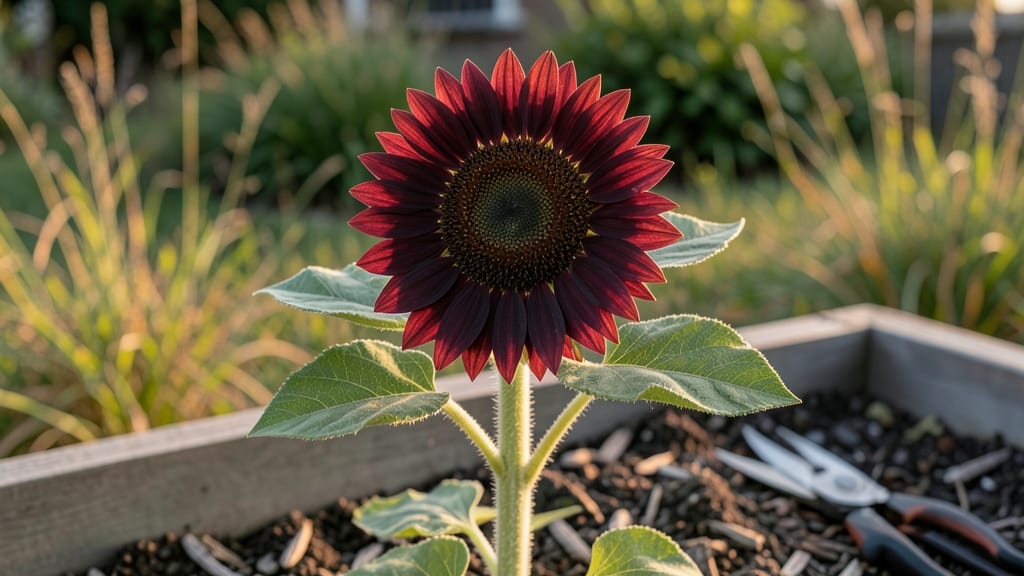
Growing Royal Velvet sunflowers means bringing deep red velvet drama to your garden—without sacrificing space. These dwarf varieties pack bold foliage and striking blooms into just 2-3 feet of height, making them perfect for small patios, window boxes, or mixed borders.
The secret to their signature velvety leaves lies in the right balance of sun, soil, and patience—something I learned after my first batch grew leggy and pale.
You’ll need well-draining soil rich in organic matter, at least 6 hours of direct sunlight daily, and consistent moisture (but no soggy roots). Plant seeds ½ inch deep, spacing them 12-18 inches apart, and watch for those first deep red leaves to emerge in 7-10 days.
The key to keeping foliage vibrant? Prune leggy stems early and fertilize lightly with a balanced formula every 4-6 weeks.
By midsummer, you’ll have glossy, burgundy foliage that contrasts beautifully with golds and whites, plus edible seeds for birds or roasting. The blooms may be modest, but the dramatic foliage makes these sunflowers a standout in any garden.
Ready to grow yours? Let’s dive into the details that make the difference between good and showstopping.
Works equally well in containers, raised beds, or in-ground plots, and thrives in zones 3-10. Whether you’re growing for color, texture, or even seeds, these sunflowers deliver year after year with minimal fuss. Here’s how to get started right.
📚 In This Guide
- What you need
- Instructions
- Tips and common mistakes
- Wrapping up and next steps
What you need
- ● Royal Velvet Sunflower Seeds: 5–10 seeds (dwarf variety, ~12–18" mature height). Opt for organic or heirloom seeds for best results.
- ● Well-draining potting mix: 1–2 gallons (for containers) or enrich your garden soil with compost (aim for 6–8 hours of sunlight daily).
- ○ Containers (optional but helpful): 5–6" deep pots with drainage holes (if growing in pots).
- ● Watering can or hose with a gentle spray nozzle: Sunflowers need consistent moisture but hate soggy roots.
- ● Fertilizer: Balanced 10-10-10 or organic options like fish emulsion (apply lightly at planting and mid-growth).
- ○ Stakes or small cages (optional): For windy areas—though Royal Velvet is sturdy, a little support ensures those velvety blooms stay upright!
- ● Timing: Start seeds indoors 4–6 weeks before your last frost date, or direct-sow after soil reaches 50°F+.
- ● Pest prevention: Keep an eye out for aphids or bird pecking—use neem oil or row covers if needed.
- ● Thinning: Once seedlings sprout, thin to 12–18" apart to avoid overcrowding.
How to cultivate Royal Velvet sunflowers in limited spaces
These striking dwarf sunflowers thrive with minimal fuss—ideal for small gardens or containers.
🌱 Step 1: Choose the Right Location and Prepare Soil
Royal Velvet sunflowers need full sun—at least 6-8 hours daily—to develop their signature deep burgundy blooms. A south-facing spot with afternoon shade in hot climates works best. The soil should drain well but retain moisture, so amend heavy clay with 2-3 inches of compost to improve aeration.
Test the soil pH before planting. These sunflowers prefer slightly acidic to neutral soil (6.0-7.0). If your soil is alkaline, mix in 1 pound of elemental sulfur per 100 square feet two weeks before planting. Work the amendments into the top 6 inches of soil to create a loose, crumbly texture—roots will thank you later.
🪴 Step 2: Plant Seeds at the Correct Depth and Spacing
For direct sowing, plant seeds ½ inch deep and 12-18 inches apart in rows 24 inches apart. The dwarf variety stays compact but still needs room to avoid crowding. If starting indoors, sow 6-8 weeks before the last frost in biodegradable pots to prevent root disturbance later.
Thin seedlings to the strongest plant per spot when they reach 2 inches tall. Pull weak ones at the base—twisting can damage roots. Here’s the thing: Royal Velvet sunflowers grow fast, so don’t wait too long to thin. Overcrowding leads to leggy stems and fewer blooms.
☀️ Step 3: Provide Consistent Water and Fertilizer
Water deeply once a week after planting, aiming for 1-1.5 inches of water per week. Let the top 2 inches of soil dry between waterings to prevent fungal diseases like powdery mildew. Mulch with 2-3 inches of straw or shredded leaves to retain moisture and suppress weeds—this saves time and keeps roots cool.
Fertilize lightly at planting with 5-10-10 at half strength, then side-dress with 2 tablespoons of 10-10-10 when stems reach 12 inches tall. Too much nitrogen produces leafy growth at the expense of flowers. Watch for yellowing leaves—a sign of over-fertilization. Adjust by watering more to flush excess salts from the soil.
✂️ Step 4: Support Stems and Encourage Strong Growth
Even dwarf varieties may need light staking if grown in windy areas. Insert 18-inch stakes at planting and tie stems loosely with soft twine as they grow. Avoid tight bindings—sunflowers swell rapidly and can snap if constrained. Prune any side shoots that form below the main stem to direct energy upward.
Deadhead spent blooms by snipping stems 1 inch below the flower head to encourage more blooms. This variety produces multiple flowers per stem, so regular deadheading keeps the plant productive. Stop pruning 6 weeks before the first frost to allow seeds to mature if you want to save them for next year.
⏰ Step 5: Monitor for Pests and Prepare for Harvest
Keep an eye out for aphids and spider mites, which love sunflower sap. Spray infested plants with neem oil or introduce ladybugs for natural control. Check the undersides of leaves daily—early detection prevents outbreaks. Avoid chemical sprays, as they can harm pollinators.
Harvest blooms in the morning after dew dries for the deepest color. Cut stems at a 45-degree angle and place in lukewarm water immediately to extend vase life. For seed saving, leave 2-3 flowers on the plant until they turn brown and dry. Collect seeds when they rattle inside the head—this signals maturity.
Tips & tricks for perfect Royal Velvet Sunflower cultivation
These simple yet game-changing strategies will help you coax the most vibrant burgundy blooms from your compact Royal Velvet sunflowers.
Sunlight Optimization: While the instructions call for at least 6-8 hours of direct sunlight, I've found that positioning your plants to capture morning sun and afternoon shade in hot climates actually intensifies that signature deep burgundy color. The key is to avoid the harshest midday sun which can bleach the petals. If you're in a particularly sunny region, consider using lightweight shade cloth (50% coverage) during peak hours to protect those rich hues.
Soil pH Precision: When testing your soil pH before planting, aim for that 6.0-7.0 range, but here's what I learned the hard way: if your soil tests above 7.0, don't just add sulfur and forget about it. Mix that 1 pound of elemental sulfur per 100 square feet into the top 6 inches of soil and water it in thoroughly. The sulfur needs time to work—re-test the pH two weeks before planting to confirm you've achieved the target range. This prevents the common mistake of thinking you've fixed the pH when you haven't.
Thinning Timing: The instructions mention thinning seedlings when they reach 2 inches tall, but here's the secret timing I've perfected: do this thinning on a cloudy day or in the late afternoon when temperatures are cooler. The shock of being thinned is less stressful on the plants, and they recover faster. Also, make sure to thin gradually if you have many seedlings—remove about 25% of the weakest ones every few days rather than thinning everything at once.
Watering Technique: That 1-1.5 inches of water per week guideline works beautifully, but I've developed a more precise method. Water deeply in the morning, aiming for the soil to be moist down to 6 inches deep. Then let the top 2 inches dry out before watering again. This creates the perfect balance—enough moisture for root development without encouraging fungal growth. For container-grown sunflowers, check soil moisture daily as containers dry out much faster than in-ground plantings.
Pro Tips for Royal Velvet Sunflower
- These simple yet game-changing strategies will help you coax the most vibrant burgundy blooms from your compact Royal Velvet sunflowers.
- The key is to avoid the harshest midday sun which can bleach the petals.
- Soil pH Precision: When testing your soil pH before planting, aim for that 6.0-7.0 range, but here's what I learned the hard way: if your soil tests above 7.0, don't just add sulfur and forget about it.
Frequently asked questions
Got questions about growing the stunning Royal Velvet Sunflower?
You’re not alone—this dwarf variety is a favorite, but it has its quirks! Here are answers to the most common questions gardeners ask before planting.
How tall does the Royal Velvet Sunflower actually get?
The Royal Velvet is a true dwarf variety, typically reaching 12–18 inches tall at maturity. Unlike its giant cousins, it’s perfect for containers, small gardens, or even window boxes. Just give it a sturdy spot—it won’t flop over like taller varieties!
When is the best time to plant Royal Velvet Sunflowers?
Start seeds indoors 4–6 weeks before your last frost or sow directly after soil temps hit 50°F+ (usually late spring). For fall blooms, plant seeds in late summer—they’ll thrive in cooler weather. Just avoid planting when nights dip below 40°F!
What pests should I watch for with Royal Velvet Sunflowers?
These sunflowers are relatively pest-resistant, but keep an eye out for aphids, spider mites, or beetles. A strong spray of water or neem oil usually does the trick. Birds adore the seeds, so consider netting if you want to save some for snacking (or squirrels!).
Can I grow Royal Velvet Sunflowers in containers?
They’re container champions—just use a pot at least 12 inches deep and wide with drainage. A well-draining potting mix and 6+ hours of sun will keep them happy. Bonus: They’re lightweight and easy to move if needed!
Why aren’t my Royal Velvet Sunflowers turning red?
If your blooms are staying green or yellow, it’s often due to too much shade, overwatering, or poor soil nutrients. Ensure they get full sun (6+ hours/day) and feed with a balanced fertilizer (like 10-10-10) at planting and mid-season. Patience helps too—they deepen in color as they mature!
Wrapping up and next steps
The Royal Velvet Sunflower is a stunning, low-maintenance addition to any compact garden—packed with vibrant color and easy care! Whether you’re battling pests, optimizing soil, or simply admiring its velvety blooms, this dwarf variety proves that big beauty fits in small spaces. 🌻
Ready to level up your gardening game? Start by planting a few seeds this season and watch your garden transform! For extra inspiration, explore companion plants or share your progress with fellow gardeners—happy growing! 🌱