
Flowers
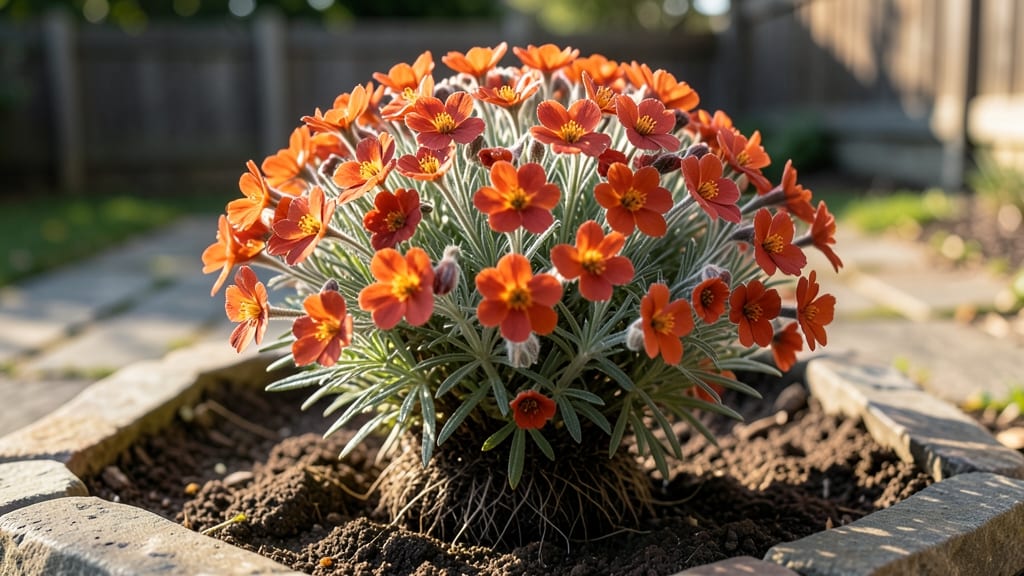
The Siberian wall flower thrives where most perennials give up—through frost, drought, and even poor soil. 🌿 I've grown these tough little plants in my Zone 5 garden for years, and they've never once let me down, even when my more finicky flowers wilted in the heat.
This cold-hardy beauty needs almost nothing to flourish: full sun, well-draining soil, and occasional watering. Unlike fussy annuals, Siberian wall flowers spread effortlessly, filling gaps with their cheerful yellow blooms from early spring until frost. The secret to their success? They're drought-tolerant once established and bounce back from neglect.
You'll end up with a low-maintenance border that blooms reliably year after year, attracting pollinators while keeping weeds at bay. The foliage stays green through winter, providing structure when other plants have gone dormant. Prune lightly after flowering to encourage more blooms next season.
Perfect for rocky slopes, dry banks, or even containers—this plant handles what most gardeners consider "difficult" spots. Let's get yours growing!
📚 In This Guide
- What you need
- Instructions
- Tips and common mistakes
- Wrapping up and next steps
What you need
- ● Siberian wall flower seeds or seedlings: Seeds: 1–2 packets (50–100 seeds per packet, depending on variety). Seedlings: 3–6 plants (for a small border) or 10+ for full coverage.
- ● Well-draining soil: Mix of garden soil, compost, and perlite (or sand) for loose, aerated texture. pH range: 6.0–7.5 (slightly acidic to neutral).
- ● Sunlight access: Full sun (6+ hours of direct light daily) for vibrant blooms.
- ● Watering can or hose: With a gentle spray nozzle for seedlings.
- ○ Planting containers (optional for pots): 5–7-inch pots with drainage holes (1 plant per pot).
- ● Garden trowel or transplanting spade (for digging holes or containers).
- ● Gloves (to protect hands from soil and thorns on some varieties).
- ● Pruners or shears (for deadheading spent blooms or shaping plants).
- ○ Mulch (optional but recommended): 2–3 inches of organic mulch (e.g., straw or wood chips) to retain moisture and suppress weeds.
- ○ Fertilizer (optional): Balanced, slow-release granular fertilizer (e.g., 10-10-10) or liquid bloom booster.
- ● Cold frame or row cover (for early/late seasons): To extend the growing season in colder climates.
Step-by-step guide to planting and cultivating Siberian wall flowers
Here's how to establish these hardy perennials for vibrant, low-maintenance blooms that thrive even in harsh winters.
🌱 Step 1: Choose the Perfect Planting Site and Prepare the Soil
Siberian wall flowers (Erysimum × allionii) crave full sun—at least 6-8 hours daily—to produce their best color and longest bloom season. I always scout the sunniest, most exposed spot in my garden because these plants reward bold placement with dramatic displays. Avoid low-lying areas where cold air pools, even though they're cold-hardy—they need good air circulation to prevent fungal issues.
Test your soil's drainage by digging a 6-inch hole and filling it with water. If it doesn't drain within 2-3 hours, amend with 2-3 inches of coarse sand or perlite mixed into the top 12 inches of soil. Siberian wall flowers despise soggy roots. The ideal soil is slightly alkaline to neutral (pH 6.5-7.5)—add lime if your test shows acidity below 6.0. I like to work in a 1-inch layer of compost to boost fertility without overfeeding, since these plants prefer lean conditions.
🪴 Step 2: Plant at the Right Time and Depth
Spring is ideal for planting, but these tough perennials tolerate fall planting as long as you get them in 4-6 weeks before your first frost. Dig holes twice as wide as the root ball but only as deep as the container's base—burying too deep strangles the crown. Space plants 12-18 inches apart for a full, textured look. I tap each plant gently to settle the roots before backfilling with native soil, then water deeply to eliminate air pockets.
Here's the thing—mulch lightly with 1-2 inches of gravel or pebbles (not organic mulch) around the base. This mimics their natural rocky habitat, prevents soil splashing onto leaves (which causes mildew), and keeps roots cool in summer. Water immediately after planting and again every 2-3 days until new growth appears—first true leaves signal successful establishment.
☀️ Step 3: Provide Minimal Care for Long-Lasting Blooms
Once established, Siberian wall flowers are drought-tolerant, but they'll reward you with longer blooms if you water deeply once a week during dry spells. You'll know they're thirsty when the top inch of soil feels dry—don't wait until leaves wilt. I fertilize once in early spring with a balanced 10-10-10 at half-strength, but these plants thrive with neglect. Overfeeding leads to floppy stems and fewer flowers.
Deadhead spent blooms every 2-3 weeks to encourage continuous flowering, but don't worry if you skip this—these plants self-seed prolifically and often return stronger than ever. In late fall, cut back stems to 2-3 inches above the ground. The foliage will die back naturally, but the woody base stays protected through winter. Real talk: If you forget to cut back, the plants will still bloom just fine—they're that resilient.
⏰ Step 4: Protect and Prepare for Winter
Siberian wall flowers handle USDA zones 3-8 with ease, but young plants benefit from a light frost blanket of 2-3 inches of straw or burlap during their first winter. This isn't about survival—it's about preventing crown heave (when roots expand and contract, pushing plants out of the soil). In spring, remove the mulch as soon as growth resumes to avoid smothering new shoots.
Watch for aphids on new growth in spring—they love tender young leaves. A strong spray of water usually dislodges them, but for severe infestations, I use neem oil (mixed at 1 tablespoon per gallon of water). These plants rarely suffer from pests, but powdery mildew can appear in humid summers. Space plants properly and avoid overhead watering to prevent this fungal foe.
Tips & tricks for perfect Siberian wall flower cultivation
Between us, these perennials are practically foolproof—but a few strategic moves will turn "good" into "showstopping." Let's cut to what actually matters for Siberian wall flowers.
Sunlight Strategy: The 6-8 hours of daily sun requirement is non-negotiable, but here's the thing: morning sun with afternoon shade in hot climates prevents leaf scorch while maintaining vibrant blooms. I've seen these plants thrive with 7 hours of morning sun and 1 hour of late afternoon light—just avoid the brutal midday rays during summer heatwaves. For container growing, rotate pots weekly to ensure even exposure.
Soil Science: That 2-3 hour drainage test reveals more than just whether your soil is too wet. If water pools at the bottom, you're dealing with compacted clay—amend with the full 2-3 inches of coarse sand or perlite, not just a sprinkle. For alkaline soil lovers, test your pH using a simple kit (available at garden centers). If you're below 6.0, add lime gradually—too much too soon can burn roots. I've found these plants actually perform better with a slightly alkaline pH (7.0-7.5) than neutral.
Planting Precision: The 12-18 inch spacing recommendation isn't just about aesthetics—it's about airflow. Crowded plants develop powdery mildew faster. When planting, press the soil firmly around the roots to eliminate air pockets, but don't compact it like you're building a sidewalk. Think "lightly firm" like a well-used pillow—enough to support but still yielding slightly. This mimics their natural rocky habitat while preventing root suffocation.
Winter Protection: That 2-3 inch frost blanket serves two purposes: insulation and moisture retention. I've had success using burlap wrapped around the base rather than loose straw—it stays put better in windy conditions. For containers, move pots to a sheltered location against a south-facing wall before winter. The key is preventing crown heave, which can uproot young plants. A little prevention goes a long way with these cold-hardy beauties.
Pro Tips for Siberian Wall Flower
- Between us, these perennials are practically foolproof—but a few strategic moves will turn "good" into "showstopping."
- Sunlight Strategy: The 6-8 hours of daily sun requirement is non-negotiable, but here's the thing: morning sun with afternoon shade in hot climates prevents leaf scorch while maintaining vibrant blooms.
- Soil Science: That 2-3 hour drainage test reveals more than just whether your soil is too wet.
Frequently asked questions
Got questions about growing Siberian wall flowers? You’re not alone! Whether you're a newbie gardener or looking to troubleshoot, here are some of the most common queries—and their answers—to help you cultivate these stunning, cold-hardy beauties with confidence.
How cold can Siberian wall flowers tolerate?
These hardy perennials thrive in USDA Zones 3-8, surviving temperatures as low as -30°F (-34°C). Their resilience makes them perfect for early spring blooms before summer heat arrives. Just ensure they’re planted in well-draining soil to prevent winter rot.
When is the best time to plant Siberian wall flowers?
Plant them in early spring or fall for optimal root establishment. Avoid late summer planting, as the heat can stress young plants. If starting from seeds, sow them indoors 6-8 weeks before the last frost for a head start.
Can I grow Siberian wall flowers in containers?
Yes! They adapt well to containers, but choose large pots (at least 12 inches deep) with drainage holes. Use a high-quality potting mix and place them in a spot with partial shade to prevent overheating. Just be prepared to move them indoors if temperatures drop below their tolerance.
What pests or diseases should I watch for?
Siberian wall flowers are generally pest-resistant, but keep an eye out for aphids, slugs, or powdery mildew in humid conditions. If needed, treat aphids with soapy water and improve airflow to prevent mildew. Healthy plants with good drainage rarely face serious issues!
How do I encourage more blooms?
Deadhead spent flowers regularly to promote continuous blooming. Fertilize lightly in early spring with a balanced, slow-release fertilizer (10-10-10). Avoid over-fertilizing, as it can lead to lush foliage but fewer flowers. These plants reward patience with vibrant, long-lasting blooms!
Wrapping up and next steps
The Siberian wall flower is a resilient, low-maintenance gem that brings vibrant color to your garden even in harsh winters. With the right soil, sunlight, and care, you’ll enjoy its cheerful blooms year after year—proving that beauty thrives in the cold! 🌟
Ready to transform your space? Start small: plant a few in containers or along a sunny wall, then expand as you fall in love with their hardy charm. Happy gardening! 🌱