
Flowers
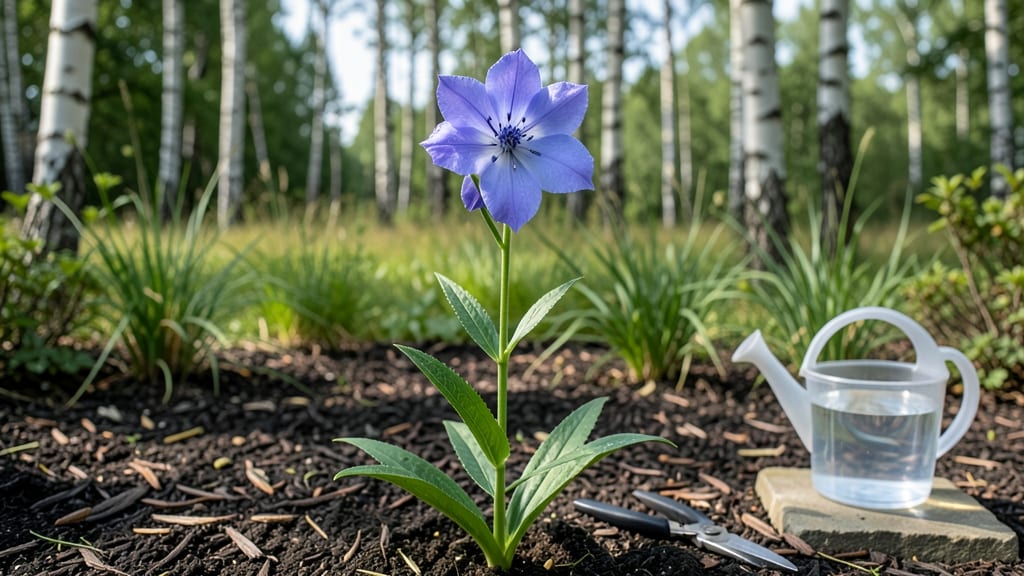
This single larkspur flower creates a dreamy vertical canopy that transforms any garden into a storybook scene. 🌿 Their delicate, spiky blooms reach upward like nature's own chandeliers, casting dappled shade over borders and pathways.
I still remember the first time I planted them along my front walk—neighbors stopped to ask what magic I'd used to make the space feel so romantic overnight.
Their charm lies in how effortlessly they pair with almost anything. Try them alongside purple coneflowers for a cottage garden vibe, or mix with salvias and catmint for a modern, layered look.
In arrangements, their height adds drama—just tuck them behind shorter stems like ranunculus or daisies to create instant focal points. The blooms last weeks when cut, making them a gardener's secret weapon for bouquets that feel fresh and wild.
You'll love how they bloom from late spring through summer, providing color when many perennials take a break. Their airy, feathery foliage softens hard edges, while the flowers add movement—even a light breeze makes them sway like a living curtain.
Plant them in partial shade for the tallest stems, or in full sun for more compact growth, and watch your garden gain height and elegance without extra effort.
Perfect for borders, cutting gardens, or even container arrangements, larkspur brings a touch of whimsy that's hard to resist. Once you see how they elevate a space, you'll want them everywhere—just be warned, they might become your new obsession.
Here's how to make the most of their natural beauty in your design.
📚 In This Guide
- What you need
- Instructions
- Tips and common mistakes
- Wrapping up and next steps
What you need
- ● Seeds: 1 packet of Consolida ajacis (larkspur) seeds (choose a variety like 'Blue Bird,' 'Pink Beauty,' or 'White Queen' for single-flowered types).
- ● Pro tip: Opt for heirloom or organic seeds for the most vibrant colors! 🌡️
- ● Soil: Well-draining, loamy soil (pH 6.0–7.5). Mix with compost for fertility.
- ○ Optional: Add perlite or sand (1 part per 4 parts soil) for extra drainage.
- ● Sunlight: Full sun (6–8 hours/day) for optimal blooms.
- ● Watering: Watering can or drip irrigation system (keep soil evenly moist but not soggy).
- ● Freshly cut larkspur stems: Harvest stems at peak bloom (early morning) with clean, sharp scissors.
- ● Quantity: 3–5 stems per arrangement (adjust for size).
- ● Floral tools: Pruning shears or floral knives.
- ● Floral foam or a hydrating floral preservative (e.g., Floralife).
- ○ Optional: Ribbon, wire, or floral tape for securing stems.
- ● Container: Vase, bucket, or any waterproof vessel (size depends on arrangement scale).
- ● Garden tools: Hand trowel, gloves, and a stake or trellis (larkspurs are tall—support prevents flopping!).
- ● Fertilizer: Balanced 10-10-10 fertilizer (apply lightly every 4–6 weeks).
- ○ Pest control: Optional: Neem oil or insecticidal soap (for aphids or slugs).
How to grow single larkspur flowers for stunning vertical impact
Here's the foolproof method I use to coax these airy, spire-like blooms into my garden every year.
🌱 Step 1: Start Seeds Indoors Early for Strong Stems
Larkspur seeds need a long growing season, so I start them indoors 8-10 weeks before your last frost date. Use sterile seed-starting mix in 2-3 inch deep containers—these delicate stems won't tolerate being transplanted later. Press seeds just below the surface (about ¼ inch deep) since they need light to germinate.
Cover the containers with plastic wrap to retain moisture and warmth, then place them in a spot that stays between 65-75°F. You'll see sprouts in 10-14 days, but don't rush to remove the plastic—wait until seedlings have 2-3 true leaves before uncovering. The key here is patience; leggy seedlings won't recover once they hit the garden.
☀️ Step 2: Harden Off and Move to Full Sun Gradually
When nighttime temperatures stay above 50°F, it's time to harden off your seedlings. Start by moving them outdoors for 1-2 hours the first day, then gradually increase exposure over 7-10 days. Larkspur thrives in full sun (6+ hours daily), so choose a spot with afternoon shade if you're in a hot climate—their stems can flop under intense midday heat.
Watch for first true leaves to darken and thicken—they should look sturdy, not papery. If a stem feels hollow when pinched, it's not ready for transplanting. Once hardened off, plant seedlings 12-18 inches apart in well-draining soil, as they'll reach 2-4 feet tall at maturity.
💧 Step 3: Water Deeply and Support Stems Early
Larkspur's vertical growth makes it prone to flopping, so I install 6-inch tall stakes at planting and tie each stem loosely with soft twine as it grows. Water deeply once a week, letting the soil dry slightly between waterings—soggy soil causes rot, while drought stress makes stems brittle. You'll know moisture is right when the top 1-2 inches of soil feel dry to the touch.
Fertilize lightly with balanced 10-10-10 at planting, then again when buds form. Too much nitrogen will produce leafy growth at the expense of those signature spires. Pinch back leggy stems after 6-8 weeks to encourage bushier, stronger growth—this is where most gardeners cut corners, but it makes all the difference.
✂️ Step 4: Deadhead and Extend the Bloom Time
Single larkspur's elegance comes from its airy, uncluttered stems, so I avoid heavy deadheading. Instead, I snip off faded blooms individually with clean shears, leaving the seed pods for texture. This encourages continuous blooming from midsummer until frost—the exact reason I grow them. Watch for buds to open fully before cutting; they'll rebloom from lower nodes if you're patient.
Here's the thing—larkspur self-seeds readily, so I let some stems go to seed to naturalize. If you want to control spreading, collect seed pods before they release. The trade-off? Next year's plants will pop up effortlessly, saving you the hassle of starting from scratch again.
Tips & tricks for growing stunning larkspur blooms
Here's what I learned after years of growing these delicate vertical beauties—tricks that'll make all the difference in your garden.
Timing is Everything: That 8-10 week indoor start before last frost can't be rushed. I've tried starting later, and while the plants might look fine, their stems never develop the strength to hold those dramatic spires upright. Use a seedling heat mat if your home stays below 65°F—it speeds up germination and gives you a head start on the growing season. The 10-14 day germination window is your first critical test; if nothing appears after 2 weeks, try gently pressing seeds deeper (up to ¼ inch) since some varieties need more darkness to sprout.
Seedling Survival Strategy: The moment you see those first true leaves, you'll notice how delicate they are. I've made the mistake of uncovering too soon—those seedlings wilt dramatically when exposed to dry air. Keep the plastic wrap on until leaves look dark green and plump, not limp. A humidity dome (even a plastic bag with holes) helps maintain that perfect 65-75°F environment while preventing fungal issues. Once uncovered, place seedlings near a south-facing window or under grow lights for 12-14 hours daily—natural light alone won't provide enough intensity for strong stems.
Hardening Off Like a Pro: That 1-2 hour outdoor introduction might seem short, but it's the perfect balance. I've seen gardeners rush this step by taking seedlings straight from indoors to full sun, and within hours, they're crispy. For the 7-10 day hardening process, I move containers to progressively sunnier spots each day—starting with morning sun only, then adding afternoon exposure gradually. Watch for leaf color changes: healthy leaves should deepen to a rich green, while stressed leaves turn yellow or develop brown edges. This gradual approach prevents shock that could stunt your plants' growth.
Support System Secrets: Those 6-inch stakes might seem short, but they're the foundation for your vertical display. I install them at planting and tie stems loosely with soft twine every 4-6 inches as they grow—never too tight, or you'll restrict circulation. For extra support in windy areas, I use flexible bamboo stakes that bend with the plant rather than resisting it. The once-weekly watering rule works best when you check soil moisture at the 1-2 inch depth—if it feels dry, water deeply; if it's still damp, wait another day. Overwatering is the #1 cause of floppy stems that never stand tall.
Pro Tips for Single Larkspur Flower
- Here's what I learned after years of growing these delicate vertical beauties—tricks that'll make all the difference in your garden.
- Timing is Everything: That 8-10 week indoor start before last frost can't be rushed.
- Seedling Survival Strategy: The moment you see those first true leaves, you'll notice how delicate they are.
Frequently asked questions
about cultivating and enjoying single larkspur flowers—because every gardener deserves clarity!How do I ensure my single larkspur flowers bloom reliably?
Larkspurs thrive in cool weather—plant them in early spring or late summer for best results. Choose a spot with full sun to partial shade and well-draining soil. Deadhead spent blooms to encourage more flowers, but leave some seed pods for self-seeding next year!
Why aren’t my larkspur flowers opening?
Larkspurs often stay closed in hot or humid weather. They prefer cooler temperatures (50–70°F). Try moving them to a shadier spot temporarily or watering deeply in the morning to keep them cool. Patience pays off—they’ll open when conditions improve!
Can I grow single larkspur in containers?
Yes! Use a large container (at least 12 inches deep) with drainage holes and a lightweight potting mix. Choose dwarf varieties like ‘Little Lark’ for smaller spaces. Keep containers consistently moist but avoid soggy soil to prevent root rot.
What are some stunning alternatives to larkspur?
If larkspurs aren’t your style, try these vertical stars:
- Delphiniums – Taller and bolder, with similar spiky blooms.
- Snapdragons – Whimsical flowers that thrive in cooler weather.
- Foxgloves – Tall, bell-shaped blooms for a cottage-garden feel.
- Hollyhocks – Rustic charm with vertical height and textured leaves.
Are single larkspur flowers toxic to pets?
Yes, larkspurs contain alkaloids that can be toxic if ingested in large quantities. Keep them out of reach of dogs, cats, and horses, which may nibble on the foliage. Opt for pet-safe alternatives like cosmos or marigolds if you have curious pets.
Wrapping up and next steps
The single larkspur flower brings a touch of whimsical drama to any garden, offering a vertical canopy that dances with the breeze and thrives from spring to summer. Its effortless elegance and low-maintenance charm make it a standout choice for both novice and seasoned gardeners.
Whether you’re planting it in containers, borders, or cottage-style gardens, these flowers promise season-long beauty with minimal fuss.
Now that you’re inspired, why not take the next step? Grab your gardening gloves, pick a sunny spot, and let these enchanting blooms transform your outdoor space into a living masterpiece. Happy planting! 🌸✨