
Flowers
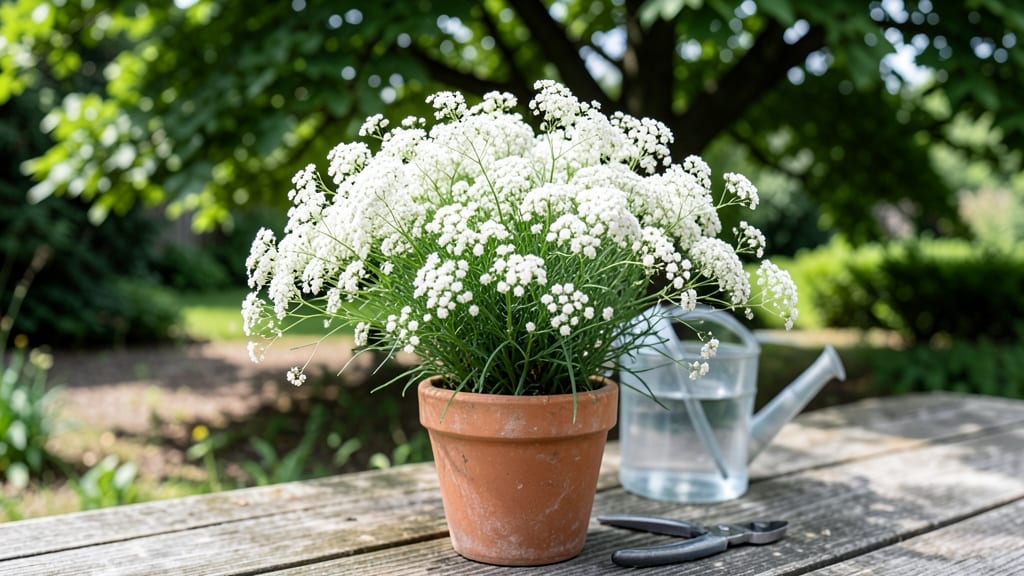
Small white flowers for planters instantly transform any container into a fresh, airy statement—think sweet alyssum spilling over edges or delicate pansies adding height. 🌿 I’ve filled countless window boxes and balcony planters with these tiny blooms, and they never fail to brighten even the dullest corner.
The secret lies in their versatility: they thrive in small spaces, love partial sun, and pair beautifully with bold foliage or deeper hues like burgundy or blue.
My go-to picks are sweet alyssum for its honey-scented clusters, miniature roses for old-fashioned charm, and pansies for their cheerful faces. All three stay compact, making them perfect for 6-inch or larger planters, and they bloom nonstop from spring until frost.
The key to their success? Well-draining soil and consistent moisture—no fuss, just reliable beauty.
You’ll end up with containers that look like they belong in a boutique garden center, not a back porch. The white flowers create a clean canvas that makes other colors pop, while their delicate petals add texture and movement.
Plus, they attract pollinators all season long, turning your planters into tiny ecosystems. Ready to mix and match? Let’s get styling.
Works for everything from hanging baskets to window boxes, and even patio pots. The only rule? Play with height—tuck taller varieties in the back and let trailing types spill over the sides. Your containers will be the talk of the neighborhood before you know it.
📚 In This Guide
- What you need
- Instructions
- Tips and common mistakes
- Wrapping up and next steps
What you need
- ● Small white flowering plants: 1–3 plants per 6–8" planter (e.g., Sweet Alyssum, Baby’s Breath, Dianthus, or Petunias)
- ● Check plant tags for sun/light needs (most prefer 4–6 hours of sunlight).
- ● Planters: 1–3 containers (6–12" diameter, with drainage holes).
- ○ Optional: Cache pots for a polished look.
- ● Potting soil: 1–2 bags of lightweight, well-draining mix (e.g., 50/50 blend of potting soil + perlite).
- ● Slow-release fertilizer: 1 packet (e.g., Osmocote or Miracle-Gro for flowers).
- ● Watering can or spray bottle: With a gentle rose nozzle to avoid disturbing soil.
- ● Gloves: 1 pair (to protect hands from soil/prickly stems).
- ● Trowel or small shovel: For planting and mixing soil.
- ● Pruning shears: To trim leggy stems and encourage bushiness.
- ○ Mulch (optional): 1 bag gravel or decorative stones (for a clean, modern look).
- ● OR 1 bag cocoa hulls (for moisture retention).
- ○ Decorative accents (optional): Miniature stakes, pebbles, or fairy lights for ambiance.
How to style small white flowers as planter edging
Here's how to create a polished, professional look with delicate white blooms that frame containers beautifully.
🌱 Step 1: Select Your White Flower Varieties
Choose plants with compact growth habits and delicate white blooms that contrast well with your container's main foliage. Sweet alyssum, lobelia, and white petunias are classic choices—they spill gracefully while maintaining a refined appearance. For height variation, add white calibrachoa or dianthus varieties that reach 6-12 inches tall.
I always mix textures too: pair fine-leaved alyssum with broader petunia leaves for visual interest. The key is ensuring all selected varieties thrive in the same light conditions—most white annuals prefer full sun to partial shade. Check each plant's mature size to avoid overcrowding when they fill out.
🪴 Step 2: Prepare Your Containers With Proper Layering
Start with a well-draining potting mix that holds moisture without compacting. For a 4-inch planter, use about 1 quart of mix per container, tamping it down lightly to remove air pockets. Add a slow-release fertilizer mixed at the rate of 1 tablespoon per gallon of soil to ensure steady nutrition.
Here's the thing—white flowers look best when their foliage isn't hidden. Place your tallest varieties in the back center, medium-height plants slightly forward, and trailing types along the edges. This creates a natural waterfall effect while keeping the white blooms visible from all angles. For a 6-inch planter, I typically use 3-4 plants total to maintain air circulation.
☀️ Step 3: Plant and Water for Immediate Impact
Dig holes just deep enough to accommodate the root balls without burying stems. Space plants 2-3 inches apart to allow room for growth while maintaining a dense, edging appearance. Gently firm the soil around each plant to eliminate gaps, then water thoroughly until moisture reaches 1 inch deep—you'll see it seep from the drainage holes.
Don't skip the initial watering. White flowers often have lighter-colored foliage that can scorch if planted dry. After watering, let the top ½ inch of soil dry before watering again. This prevents root rot while keeping plants hydrated. For containers, I water in the morning to allow foliage to dry before evening, reducing fungal risks.
✂️ Step 4: Maintain With Strategic Pruning and Feeding
Deadhead spent blooms immediately to encourage continuous flowering. For white flowers, I use clean, sharp scissors to trim just above the first set of healthy leaves—this prevents leggy growth while stimulating bushier plants. You'll notice new buds forming within 5-7 days of pruning.
Feed every 3-4 weeks with a balanced liquid fertilizer diluted to half-strength. White flowers respond well to regular feeding but can develop yellow leaves if over-fertilized. Always water before applying fertilizer to prevent root burn. For containers, I also add a ¼ teaspoon of epsom salt monthly to boost magnesium levels, which keeps foliage vibrant.
🌿 Step 5: Refresh and Rotate for Long-Lasting Beauty
Every 4-6 weeks, replace about 25% of the plants with fresh white varieties to maintain a youthful appearance. This prevents overcrowding and ensures continuous blooms. I rotate in new plants like white portulaca or dusty miller for seasonal interest while removing any plants that show signs of disease or pest damage.
For containers in partial shade, supplement with a grow light for 4-6 hours daily to maintain bloom production. White flowers need consistent light to prevent stretching and maintain their compact form. If you notice leaves turning pale or stems elongating, move the container to a brighter spot immediately—this is your plant's way of signaling it needs more light.
Tips & tricks for perfect small white flower planter edging
Here's what nobody tells you about creating showstopping white flower arrangements that actually last.
Plant Selection Insight: Look for varieties labeled "compact" or "spiller" on the tags—these are bred specifically for container edging. I've found that white calibrachoa varieties with 6-12 inch mature heights create the most dramatic cascading effect when planted at container edges. The key is matching growth rates: pair fast-spreading alyssum with slightly slower petunias to maintain that polished, layered look throughout the season.
Container Layering Strategy: When arranging your 3-4 plants per 6-inch container, create a visual triangle by placing the tallest variety at the back center, then working outward with medium heights, and finally trailing types at the edges. This arrangement ensures every bloom remains visible from multiple angles. For 4-inch planters, reduce to 2-3 plants maximum to prevent overcrowding and maintain that delicate, refined appearance.
Lighting Secret: White flowers actually need slightly more light than their colorful counterparts to maintain their vibrant appearance. If you notice leaves turning pale or stems stretching after 4-6 weeks, supplement with a grow light for 4-6 hours daily—this prevents the "leggy" growth that ruins the compact look. Position lights slightly above the plants to simulate natural sunlight angles and encourage bushier growth patterns.
Maintenance Shortcut: Keep a small spray bottle of water mixed with a ¼ teaspoon of epsom salt per quart nearby for quick magnesium boosts between feedings. I spray this solution lightly on foliage every 2 weeks—it helps prevent yellowing and keeps leaves vibrant without the risk of over-fertilizing. The epsom salt also strengthens cell walls, making your white blooms more resistant to heat stress during summer months.
Pro Tips for Small White Flowers For Planters
- Here's what nobody tells you about creating showstopping white flower arrangements that actually last.
- Plant Selection Insight: Look for varieties labeled "compact" or "spiller" on the tags—these are bred specifically for container edging.
- This arrangement ensures every bloom remains visible from multiple angles.
Frequently asked questions
Got questions about small white flowers for planters?
Here are some of the most common ones—and their simple solutions!
What are the best low-maintenance white flowers for small planters?
For fuss-free blooms, try Sweet Alyssum (trailing, honey-scented) or Baby’s Breath (airy and long-lasting). Dianthus and Calendula are also great—they thrive in containers and handle partial shade. Avoid heavy feeders like Petunias if you’re a beginner!
How often should I water small white flowers in planters?
Check soil moisture daily in hot weather—most white flowers prefer consistently moist but not soggy soil. Water in the morning to prevent fungal issues. Pro tip: Use a self-watering planter or add a moisture-retentive gel to extend time between waterings!
Can I mix small white flowers with other colors in a planter?
Pair them with purples (like Lobelia) or soft pinks (like Geraniums) for contrast. For a monochromatic look, add silver foliage (like Dusty Miller) to make whites pop. Just ensure all plants have similar light and water needs to avoid competition.
Why are my small white flowers wilting or dropping buds?
Wilting often means underwatering or overwatering. Dropping buds? It could be stress from heat, poor drainage, or sudden temperature swings. Move your planter to a spot with bright, indirect light and ensure the container has drainage holes. A light fertilizer (like fish emulsion) can also help!
What’s a good alternative if I want white flowers but no blooms yet?
Try foliage plants with white variegation, like Snake Plant ‘White Stripe’ or Pothos ‘White Marble’. For instant color, White Impatiens or White Begonias bloom quickly and love shade. Both are perfect for planters and handle humidity well!
Wrapping up and next steps
Small white flowers for planters are the perfect way to add elegance and charm to your outdoor space with minimal effort! From sweet alyssum to delicate sweet peas, these blooms bring softness and texture to containers while requiring little maintenance.
Whether you’re a gardening pro or just starting, these flowers are your go-to for effortless beauty—so grab a planter and let your creativity bloom! 🌸
Ready to transform your space? Start by picking your favorite variety, gathering supplies, and planting with confidence. Which small white flower will you choose first? 😊