
Flowers
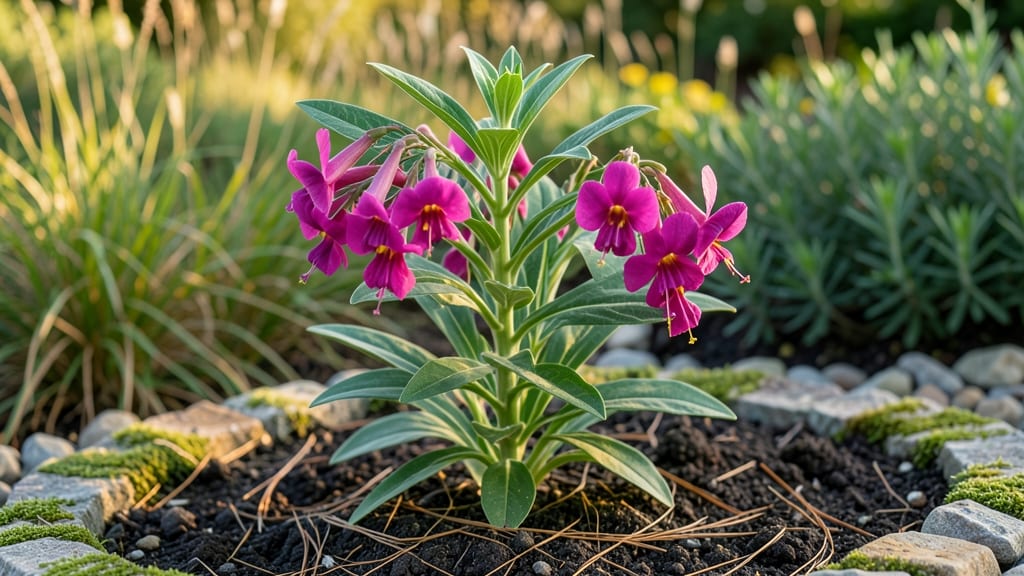
Those bold crimson spikes of snapping dragon flowers (Antirrhinum majus) transform any container into a living masterpiece—just imagine them spilling over pots in your patio or balcony. 🌸 I’ve grown them for years, and the secret isn’t complicated: they love full sun, well-draining soil, and a little deadheading to keep blooming all season.
Even in small spaces, these flowers thrive where others might struggle.
The best part? You can start them from seeds or buy young plants, both of which are beginner-friendly. Seeds take about 6-8 weeks to sprout, while transplants give you instant color.
Once established, they’re surprisingly drought-tolerant, though they’ll reward you with more blooms if you keep the soil consistently moist. A light fertilizer every 4-6 weeks keeps them lush and vibrant.
By midsummer, you’ll have a cascade of fragrant blooms that hummingbirds and bees adore. The flowers snap open when touched—hence the name—and their snapdragon faces add whimsy to any garden. With the right care, these plants can keep blooming until frost, giving you months of color and charm.
Whether you’re growing them in hanging baskets, window boxes, or large containers, snapping dragons adapt beautifully. They’re perfect for adding height, texture, and a pop of color to small spaces. Ready to bring these bold beauties to life? Let’s get started!
📚 In This Guide
- What you need
- Instructions
- Tips and common mistakes
- Wrapping up and next steps
What you need
- ● Snapping dragon flower seeds: 10–20 seeds (choose a variety like 'Tom Thumb' or 'Rocket' for compact growth).
- ● Containers: 6–12-inch pots with drainage holes (1 pot per plant or 3–4 seeds per pot for clustering).
- ● Potting mix: Well-draining, sterile mix (50% garden soil + 50% perlite or coco coir).
- ● Grow lights or sunny spot: 6+ hours of sunlight daily (or a grow light for indoor setups).
- ● Spray bottle (for gentle watering).
- ● Trowel or small shovel (for transplanting seedlings).
- ● Fertilizer: Balanced liquid fertilizer (10-10-10) or slow-release granules.
- ○ Optional: Mulch (straw or pebbles) to retain moisture.
- ● Pruning shears (for deadheading spent blooms).
Step-by-step guide to growing snapping dragons in containers
Here’s how to coax those striking crimson flower spikes into thriving in pots—no garden bed required.
🪴 Step 1: Choose the Right Containers and Drainage
Snapping dragons need room to spread, so pick 5-6 gallon containers with drainage holes—terracotta pots work best because they wick away excess moisture. If your pot lacks holes, drill them yourself; waterlogged roots will kill these plants faster than anything else.
Place a 2-inch layer of gravel or broken pottery at the bottom to create an air gap. This prevents soggy soil from suffocating the roots, which is especially critical in containers where drainage is limited. I always test drainage by filling the pot with water—if it drains within 10 minutes, you’re good to go.
🌱 Step 2: Use Well-Draining Soil and Plant Correctly
Fill the container with a mix of 50% potting soil, 30% perlite, and 20% compost. Snapping dragons hate soggy feet, so this blend keeps roots aerated while holding enough moisture. Press the soil down lightly—you want it firm enough to support the plant but loose enough for roots to penetrate easily.
Dig a hole twice as wide as the root ball but only as deep as the top of the root flare. Place the plant in, then backfill with soil, pressing gently to eliminate air pockets. Water immediately after planting to settle the soil around the roots. You’ll know it’s right when water runs out the drainage holes within 5-10 minutes—no puddles.
☀️ Step 3: Position for Full Sun and Consistent Care
Snapping dragons demand 6+ hours of direct sunlight daily—a south or west-facing spot is ideal. If you’re growing them indoors near a window, rotate the pot a quarter turn every few days so the plant doesn’t lean toward the light. You’ll see leggy growth if it’s not getting enough light, and those stems won’t support the heavy flower spikes.
Water when the top inch of soil feels dry—about once a week in summer, less in winter. Overwatering is the fastest way to kill these plants, so always check the soil before adding more water. I like to stick my finger in the soil up to my first knuckle; if it’s damp, wait another day.
✂️ Step 4: Prune for Bushier Growth and Longer Blooms
Pinch back the top set of leaves when the plant is 6 inches tall to encourage bushier growth. This might seem counterintuitive, but it forces the plant to branch out instead of growing tall and spindly. You’ll notice new side shoots forming within 2-3 weeks—that’s your signal it’s working.
Deadhead spent blooms by snipping the stem just above a set of leaves. This redirects the plant’s energy into producing more flowers instead of seeding. I always use clean, sharp scissors to avoid damaging the stems, and I do this every 2-3 days during peak bloom to keep the plant looking its best.
🌿 Step 5: Fertilize and Overwinter Properly
Feed every 4-6 weeks during the growing season with a balanced, water-soluble fertilizer diluted to half strength. Too much fertilizer leads to lush foliage but few flowers, and snapping dragons are all about those dramatic crimson spikes. I stop fertilizing in late summer to let the plant harden off for winter.
In fall, move containers to a cool, bright spot (like a garage or shed) where temperatures stay between 40-50°F. Reduce watering to once every 2-3 weeks, just enough to keep the soil from drying out completely. With proper care, your snapping dragons will bounce back stronger in spring, ready to put on another spectacular show.
Tips & tricks for perfect snapping dragon containers
Here's what nobody tells you about keeping these show-stopping flowers thriving in pots.
Container Size Matters: While 5-6 gallon pots are ideal, don't skimp on space. Snapping dragons spread aggressively, and cramped roots lead to stunted growth. If you're growing multiple plants, space them at least 12 inches apart to prevent competition. I've seen these plants double in size when given proper room to establish their root systems—it's like watching them wake up from a nap!
Soil Mix Secrets: That 50-30-20 soil blend is non-negotiable, but here's the pro move: add a handful of worm castings to your compost portion. The beneficial microbes in worm castings boost root health and help prevent those dreaded fungal issues that container plants often face. Think of it as giving your plant a probiotic boost—it makes all the difference in how vigorously they grow.
Watering Wisdom: The "top inch dry" rule is solid, but here's the trick: water deeply until it runs out the drainage holes. You want that 2-inch gravel layer to catch excess moisture, but don't let water pool at the bottom. I've seen too many snapping dragons suffer from root rot because people watered lightly multiple times instead of giving them a thorough soaking. The 10-minute drainage test is your best friend—if water sits longer than that, you've got a drainage problem to fix.
Sunlight Strategy: Those 6+ hours of sunlight must be direct—partial shade won't cut it. If you're in a hot climate, provide afternoon shade during peak heat (1-4pm) to prevent leaf scorch. I've noticed my plants handle the heat better when they get morning sun and afternoon shade, especially in containers that heat up quickly. And remember—indoor windows just don't provide enough light for these sun-worshippers.
Pro Tips for Snapping Dragon Flower
- Here's what nobody tells you about keeping these show-stopping flowers thriving in pots.
- Container Size Matters: While 5-6 gallon pots are ideal, don't skimp on space.
- Soil Mix Secrets: That 50-30-20 soil blend is non-negotiable, but here's the pro move: add a handful of worm castings to your compost portion.
Frequently asked questions
Got questions about growing snapping dragon flowers? You're not alone! Here are some of the most common queries—plus quick, practical answers to help your plants thrive.
How fast do snapping dragon flowers grow?
These bold beauties grow fast! With ideal conditions (sunlight, moisture, and well-draining soil), you’ll see noticeable growth in just 2–4 weeks. Their striking crimson spikes can reach 3–4 feet tall in a single season—perfect for quick container gardening wins!
When is the best time to plant snapping dragon flowers?
Plant them in early spring (after the last frost) for a summer-long show. If you’re in a warm climate, fall planting (6–8 weeks before frost) also works. They’re tender perennials in zones 9–11 but often grown as annuals elsewhere—so don’t wait too late!
How often should I water snapping dragon flowers?
Keep soil consistently moist but not soggy—especially during flowering. Water 2–3 times per week in hot weather, but reduce to once a week in cooler months. Containers dry out faster, so check soil daily! Pro tip: Mulch to retain moisture and prevent root stress.
Can snapping dragon flowers grow in containers?
They’re container-friendly—just use a pot at least 12 inches deep with drainage holes. Pair them with trailing plants (like sweet potatoes) for a stunning vertical display. Ensure they get 6+ hours of sun daily and fertilize lightly every 4–6 weeks.
What pests or diseases should I watch for?
Snapping dragons are generally pest-resistant, but keep an eye out for aphids or spider mites (especially in dry heat). Treat with neem oil if needed. Overwatering can cause root rot, so ensure pots drain well. Yellowing leaves? Check for powdery mildew—improve airflow to prevent it!
Can I save seeds from snapping dragon flowers?
Yes! Let some flowers fade naturally, and collect the seed pods when they turn brown and papery. Dry them, store in a cool place, and sow next spring. Fun fact: The seeds are easy to germinate—just scatter them on moist soil and keep them warm!
Wrapping up and next steps
The snapping dragon flower is a stunning, low-maintenance plant that brings bold drama to any space—whether in containers or garden beds. With the right mix of sunlight, soil, and patience, you’ll enjoy its vibrant spikes year after year. Now’s your chance to turn your green thumb into a showstopper!
Ready to dive in? Start by gathering your supplies, then plant with confidence. Review the essentials or clear up last-minute questions before you begin. Happy growing—your snapping dragon flowers are waiting for their spotlight! 🌸✨