
Pests
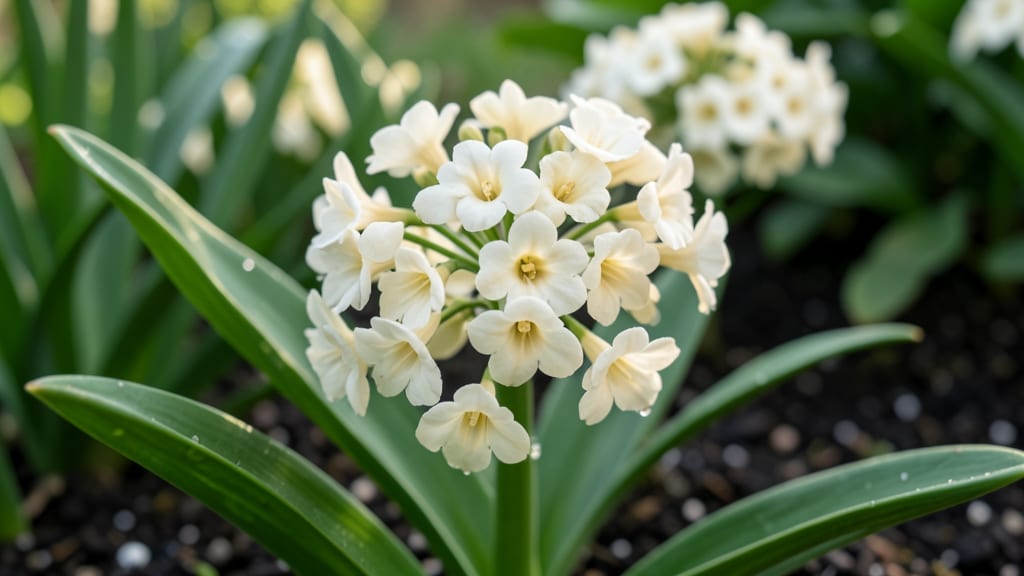
Squirrel-repellent flowers might sound like a gardener's dream, and honestly, I've been there—digging up my carefully planted bulbs only to find them scattered across the yard.
The good news? Certain flowers naturally deter squirrels with strong scents, bitter tastes, or toxic properties, turning your garden into a fortress they won’t invade. 🌱
My go-to varieties include daffodils, alliums, and lavender—plants that squirrels avoid like the garden gate. These aren’t just pretty; they’re functional, too. Plant them around seedling beds or vegetable patches, and you’ll see fewer dug-up rows and more thriving plants.
The best part? No harsh chemicals, just nature’s built-in pest control.
You’ll notice the difference within weeks: fewer stolen seeds, fewer chewed leaves, and a garden that actually produces what you planted. The flowers themselves add beauty and fragrance, making your yard both squirrel-proof and inviting for humans. Let’s get those bulbs in the ground!
Works for both annual and perennial gardens, and even container plantings can benefit. Whether you’re protecting a new seedling or an established veggie patch, these flowers deliver results without the fuss. Ready to reclaim your garden?
📚 In This Guide
- What you need
- Instructions
- Tips and common mistakes
- Wrapping up and next steps
What you need
- ● Squirrel-Repellent Flower Seeds or Plants: Daffodils (Narcissus spp.) – 5-10 bulbs or seeds
- ● Snowdrops (Galanthus spp.) – 3-5 bulbs
- ● Crocuses (Crocus spp.) – 10-15 bulbs
- ● Alliums (Allium spp.) – 5-8 bulbs
- ● Lavender (Lavandula spp.) – 3-5 plants or seeds
- ○ Foxglove (Digitalis purpurea) – 3-5 plants (optional, toxic to squirrels)
- ● Garden Soil: Well-draining, nutrient-rich soil (or potting mix if planting in containers).
- ● Compost or Fertilizer: Organic compost or a balanced fertilizer (e.g., 10-10-10).
- ● Gloves & Gardening Tools: Gardening gloves (1 pair)
- ● Trowel (for digging)
- ● Hand pruners (for trimming)
- ● Mulch (e.g., straw or wood chips) – to retain moisture and deter pests.
- ● Pest-repellent sprays (e.g., hot pepper spray) – for extra protection.
- ● Garden stakes or cages – to support taller plants like foxglove.
- ● Rainwater or hose – for consistent watering.
Step-by-Step guide to planting squirrel-repellent flowers
Here's how to create a natural, fragrant barrier that discourages squirrels without chemicals.
🌱 Step 1: Select the Right Flower Varieties
Focus on plants with strong scents that squirrels dislike—daffodils, alliums, and lavender top the list. I always choose daffodils for their toxic bulb odor and lavender for its intense fragrance. These plants also thrive in similar conditions, making them easy to combine. Plant them in clusters along garden edges or near problem areas like bird feeders.
For maximum impact, mix in foxglove and lilies, which squirrels avoid due to their milder but still unpleasant scent profiles. Check local nurseries for squirrel-resistant seed mixes—some blends specifically target rodents. Avoid sweet-smelling flowers like roses or honeysuckle; squirrels love those scents.
☀️ Step 2: Plant in Sunlit, Well-Drained Spots
Most squirrel-repellent flowers need full sun (6+ hours daily) and dry, rocky soil—conditions squirrels avoid naturally. I dig in gravel or coarse sand to improve drainage, especially for daffodils, which rot in soggy soil. Amend the planting area with compost only if your soil is extremely poor; rich soil encourages weeds that squirrels love to nibble.
Space plants 12-18 inches apart to create a dense, uninviting barrier. Use 1-gallon containers for transplants or follow seed packet spacing for direct sowing. Water deeply after planting, then let the soil dry between waterings—squirrels are drawn to lush, watered gardens. Mulch with wood chips (not straw) to suppress weeds without adding moisture.
🌿 Step 3: Maintain with Pruning and Scent Refresh
Deadhead spent blooms regularly to encourage continuous flowering—more flowers mean stronger scent barriers. I shear back lavender after blooming to maintain its compact shape and deter squirrels from nesting in overgrown foliage. For daffodils, remove faded flowers but leave the foliage until it yellows naturally; this ensures next year’s blooms.
Every 2-3 weeks, crush a few leaves or stems between your fingers to release fresh scent. Squirrels rely on subtle cues, so a strong, sudden fragrance startles them away. If squirrels persist, add reflective tape to scare them off visually—it works best when combined with the plants’ natural odors.
⏰ Step 4: Expand the Barrier Seasonally
In early spring, plant crocuses or snowdrops around the perimeter—their early blooms create an immediate deterrent. By late summer, add Russian sage or catmint for late-season scent coverage. I rotate plants every 2-3 years to prevent squirrels from adapting to the scent patterns. Diversity keeps them guessing.
Monitor for gaps where squirrels might tunnel or dig. If you spot fresh disturbances, reinforce with gravel paths or wire mesh (buried 6 inches deep) along vulnerable edges. Over time, the combined scent and physical barriers will make your garden less appealing. Patience is key—it can take 1-2 growing seasons for the full effect to take hold.
Tips & tricks for squirrel-repellent flower barriers
Here's what I've learned from years of battling squirrels—these tricks make your fragrant defense system even more effective.
Scent Layering Strategy: Combine daffodils and lavender with foxglove for a multi-sensory assault. Daffodils deter squirrels with their toxic bulb odor, while lavender's intense fragrance masks attractive garden scents. Plant foxglove in the center of clusters—its milder but still unpleasant scent creates a "buffer zone" that squirrels avoid crossing. The key is creating an overwhelming sensory experience they can't ignore.
Soil Science Matters: In Step 2, when amending soil, focus on creating that dry, rocky texture squirrels naturally avoid. For existing gardens, mix coarse sand into planting holes rather than adding compost—this mimics their preferred habitat's conditions. I've found that even a 50/50 mix of native soil and sand dramatically reduces squirrel interest. This works particularly well for daffodils, which actually prefer this leaner environment.
Seasonal Scent Rotation: The 2-3 year rotation mentioned in Step 4 is brilliant, but here's the pro move: alternate between strongly scented plants (like Russian sage) and milder deterrents (like catmint). Squirrels become accustomed to constant strong scents, but this rotation keeps them guessing. I plant catmint in late summer specifically because its minty scent confuses their foraging patterns—it smells pleasant to us but confusing to them.
Visual Deterrent Combo: When squirrels persist despite your scent barriers, combine the 2-3 week scent refresh with reflective tape. The sudden scent release when you crush leaves creates a startle effect, while the tape's movement confuses their spatial awareness. I place the tape at waist height—this is where squirrels naturally scan for threats. The combination works better than either method alone.
Pro Tips for Squirrel Repellent Flowers
- Here's what I've learned from years of battling squirrels—these tricks make your fragrant defense system even more effective.
- Scent Layering Strategy: Combine daffodils and lavender with foxglove for a multi-sensory assault.
- Soil Science Matters: In Step 2, when amending soil, focus on creating that dry, rocky texture squirrels naturally avoid.
Frequently asked questions
Got questions about using squirrel-repellent flowers to keep those bushy-tailed troublemakers at bay? You’re not alone! Here are some of the most common concerns—and straightforward answers to help you get started with confidence.
Which flowers are the most effective at repelling squirrels?
Top picks include daffodils, crocuses, hyacinths, and alliums—their strong scents and toxic properties (to squirrels) make them natural deterrents. Lavender and rosemary also work well due to their aromatic oils. Plant them near bird feeders, gardens, or problem areas for best results!
How long does it take for squirrel-repellent flowers to start working?
Results vary, but you’ll often see a difference within 2–4 weeks as the flowers establish their scent. For immediate action, pair them with other repellents (like spicy pepper sprays) until the plants mature. Patience pays off—squirrels hate surprises!
Can I use squirrel-repellent flowers in containers or just in the ground?
Many repellent flowers (like daffodils or lavender) thrive in containers. Just ensure pots are large enough (12+ inches deep) and use well-draining soil. Place them near windows, decks, or balconies to create a portable squirrel-free zone.
What if squirrels ignore my flowers and keep coming back?
Don’t panic! Try these troubleshooting steps:
- Add variety: Mix flowers with foxglove or oleander (toxic to squirrels).
- Use motion-activated sprinklers as a backup.
- Prune overgrown plants to maintain strong scents.
- Move feeders farther from your garden (30+ feet away).
Are squirrel-repellent flowers safe for pets or kids?
Most are non-toxic to humans/pets, but double-check:
Safe Picks Caution Needed Daffodils (bulbs toxic to squirrels, not pets) Foxglove (toxic to dogs/cats) Lavender Oleander (highly toxic)
Wrapping up and next steps
Discovering squirrel-repellent flowers is a game-changer for gardeners tired of pesky critters! These natural barriers—like daffodils, lavender, and marigolds—offer a chemical-free, eco-friendly solution that’s as beautiful as it is effective. 🌸✨ Not only do they deter squirrels, but they also boost your garden’s charm and biodiversity.
Ready to transform your outdoor space? Start by planting a few of these top picks this season. Need inspiration? Sketch a simple garden layout or research companion planting for even better results! Your squirrel-free haven awaits—happy gardening! 🌱