
Flowers
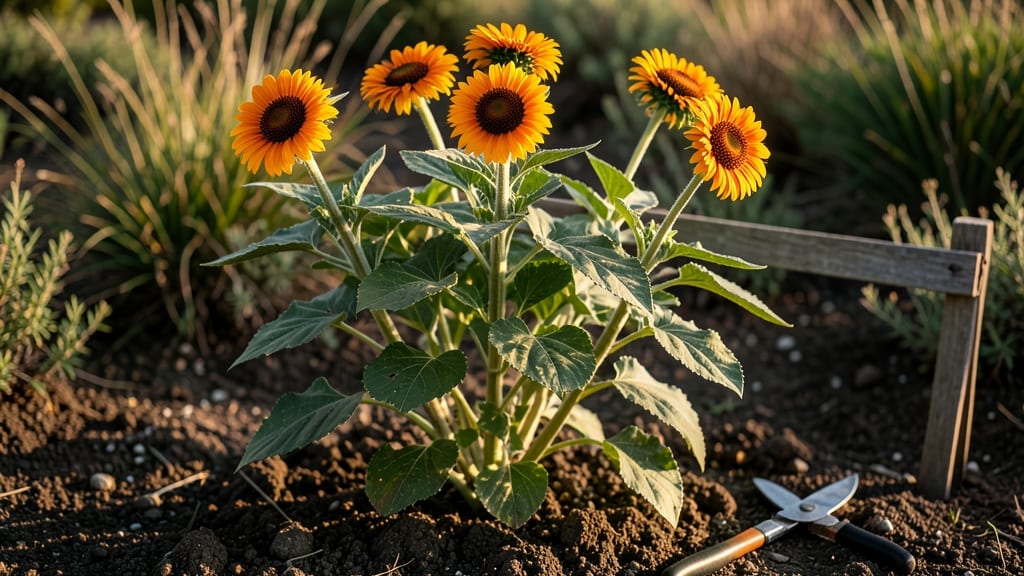
Growing sun ball flowers (Tithonia spp.) means fiery orange blooms that last from summer through frost—and sometimes beyond. 🌻 I've learned the 3 pruning hacks that keep these tropical-looking plants flowering nonstop, even when other annuals give up in fall.
The secret isn't complicated: it's all about timing, technique, and knowing when to encourage new growth.
These sun-loving plants thrive in zones 9-11 but can be grown as annuals anywhere with full sun and warm soil. My first batch surprised me with 18-inch-tall stems packed with dinner-plate-sized blooms by mid-July, and they kept producing until a late October frost.
The key? Planting in well-draining soil, spacing them 2 feet apart, and giving them room to stretch their leggy stems.
With the right care, you'll end up with a bold, sun-drenched display that attracts butterflies and hummingbirds. The blooms stay vibrant longer than most annuals, and the foliage turns a rich mahogany as the season cools. Pruning at the right time turns these into repeat bloomers—no fuss, just continuous color.
Works equally well in garden beds, containers, or as a dramatic backdrop for perennials. Let's get those fiery blooms going!
📚 In This Guide
- What you need
- Instructions
- Tips and common mistakes
- Wrapping up and next steps
What you need
- ● Sun ball flower seeds or seedlings: 3–5 plants (for fuller blooms). Choose organic or heirloom seeds if possible!
- ● Well-draining potting mix: 1–2 bags (look for a blend with perlite or coconut coir for aeration).
- ● Containers or garden bed: For containers: 5–7 gallon pots (minimum 12" deep) with drainage holes.
- ● For garden beds: Full sun (6+ hours/day) and loose, fertile soil (amend with compost if needed).
- ● Fertilizer: Balanced 10-10-10 or slow-release granular fertilizer (follow package instructions).
- ● Watering can or hose with gentle spray nozzle: Avoid overwatering—these beauties hate soggy roots!
- ● Pruning shears: Sharp, clean pair (sterilize with rubbing alcohol between cuts).
- ○ Gloves: Optional but recommended (some gardeners find the stems slightly prickly!).
- ● Mulch (straw or wood chips): Helps retain moisture and suppress weeds.
- ○ Stakes or trellis: Optional for taller varieties (up to 6 feet!).
- ● Sun ball flower companion plants: Marigolds or zinnias (they love the same conditions!).
Step-by-step guide to cultivating sun ball flowers for continuous blooms
Master these techniques and you'll transform your garden into a nonstop floral display.
🌱 Step 1: Select the Perfect Planting Location and Soil
Sun ball flowers (Tithonia rotundifolia) thrive in full sun—at least 6-8 hours daily—and well-draining soil with a slightly acidic to neutral pH (6.0-7.0). Choose a spot with sheltered afternoon breezes to prevent stem damage during heavy blooms. I always test soil moisture first by pressing my finger 2 inches deep—if it feels dry, that’s your ideal spot.
Amend heavy clay soil with 2-3 inches of coarse sand or perlite to improve drainage. These plants despise soggy roots, which leads to root rot and stunted growth. A 5-gallon bucket of compost mixed into the top 12 inches of soil provides the nutrients they crave without overfeeding. Real talk: Skipping this step means weaker stems and fewer blooms.
☀️ Step 2: Plant at the Right Time and Depth
Plant sun ball flowers after the last frost date when soil temperatures reach at least 65°F. Dig holes twice as wide as the root ball but only as deep as the container’s base. This prevents burying the stem too deeply, which can suffocate the plant. Gently loosen the roots if they’re circling in the container—just tease them apart with your fingers.
Space plants 24-36 inches apart for optimal airflow and sunlight penetration. Crowding leads to fungal diseases like powdery mildew, which I’ve seen ruin entire patches. Water deeply right after planting to settle the soil and eliminate air pockets. You’ll know it’s right when the soil feels uniformly moist but not waterlogged.
💧 Step 3: Water Deeply and Maintain Consistent Moisture
Sun ball flowers need 1-1.5 inches of water weekly, but they’re surprisingly drought-tolerant once established. Water deeply at the base in the morning to reduce evaporation and fungal risks. Avoid overhead watering—it wets the foliage, inviting mildew. I use a soaker hose for 20-30 minutes to ensure even moisture without waste.
Check soil moisture by pressing your finger 2 inches deep. If it’s dry, water again. If it’s still damp, wait another day. Overwatering is the fastest way to kill these plants—yellowing leaves and wilting despite moist soil are classic signs of root stress. Mulch with 2-3 inches of wood chips to retain moisture and regulate soil temperature.
✂️ Step 4: Apply the 3 Pruning Hacks for Year-Round Blooms
First hack: Deadhead spent blooms weekly. Pinch off faded flowers just above the next set of leaves to redirect energy into new growth. I do this every Sunday morning—it takes 5 minutes and keeps blooms coming nonstop. Without deadheading, the plant puts all its effort into seed production instead of flowers.
Second hack: Prune leggy stems in early spring. Cut back overgrown branches by one-third to encourage bushier growth. This is where most gardeners fail—they prune too late or too aggressively. Aim for just above a leaf node where new branches will sprout. You’ll see fresh, compact growth within 2-3 weeks.
Third hack: Lightly trim in late summer. Reduce the plant’s height by 50% to stimulate a second flush of blooms before winter. This is the secret to extending the season. Use clean, sharp pruners and sterilize them with rubbing alcohol between cuts to prevent disease spread. Prune on a dry, overcast day to minimize stress on the plant.
Tips & tricks for perfect sun ball flower cultivation
Here's what nobody tells you about keeping your sun ball flowers blooming nonstop—these are the secrets that'll make all the difference.
Soil Preparation Insight: Before amending your soil with the 2-3 inches of coarse sand or perlite, test its drainage by filling a glass jar with soil and water. If water drains in less than 10 minutes, your soil is already well-draining. If it takes longer, you definitely need those amendments. I learned this the hard way after losing three plants to root rot in heavy clay soil—don't make my mistake! The 5-gallon bucket of compost should be well-aged to avoid introducing weed seeds or pathogens to your garden.
Planting Depth Technique: When planting, use a reference stick or marker to ensure you're planting at the exact depth of the container's base. Many gardeners bury stems too deeply, which can suffocate the plant. I mark the base level on my trowel with tape for quick reference. After planting, give the soil a gentle squeeze—it should hold together but not be waterlogged, indicating proper moisture balance.
Watering Strategy: The 20-30 minute soaker hose session might seem excessive, but it's crucial for deep watering. Set a timer and walk away—this ensures the water penetrates at least 6 inches deep, encouraging strong root development. I've found that sun ball flowers actually prefer slightly drier conditions than most gardeners assume. The key is that 2-inch deep soil check: if it's dry at that depth, it's time to water again.
Pruning Precision: For the late summer 50% height reduction, don't just hack randomly—look for the main central stem and make your cuts just above leaf nodes where new growth will emerge. I use a small notepad to track which branches I've pruned to maintain balance. The 2-3 week recovery time is critical; don't rush to prune again until you see fresh, compact growth appearing at the cut points.
Pro Tips for Sun Ball Flower
- Here's what nobody tells you about keeping your sun ball flowers blooming nonstop—these are the secrets that'll make all the difference.
- Soil Preparation Insight: Before amending your soil with the 2-3 inches of coarse sand or perlite, test its drainage by filling a glass jar with soil and water.
- Planting Depth Technique: When planting, use a reference stick or marker to ensure you're planting at the exact depth of the container's base.
Frequently asked questions
about growing Sun Ball Flower (Tithonia rotundifolia) can help you avoid common pitfalls and maximize your blooms. Here are answers to the most pressing questions:How long does it take for Sun Ball Flower to bloom after planting?
With proper care, Sun Ball Flower typically blooms 8–12 weeks after planting from seeds. If you start with transplants, expect vibrant flowers in 6–8 weeks. Patience is key—these sun-lovers thrive in warm conditions, so rushing them can delay blooms.
Can Sun Ball Flower survive winter? What’s the best way to overwinter it?
Sun Ball Flowers are annuals in cold climates but can be overwintered in zones 9–11. Cut back dead foliage in fall, mulch heavily, and water sparingly. In colder areas, treat it as an annual and replant seeds each spring. Pro tip: Bring potted plants indoors before frost!
Why aren’t my Sun Ball Flowers blooming? Troubleshooting tips.
If your Sun Ball Flower isn’t blooming, check these common issues:
- Not enough sun: These flowers need 6+ hours of direct sunlight daily—move to a sunnier spot.
- Over-fertilizing: Too much nitrogen = leafy growth, fewer blooms. Use a low-nitrogen, high-phosphorus fertilizer instead.
- Pruning too late: Deadhead spent blooms regularly to encourage new flowers.
Are Sun Ball Flowers toxic to pets or children?
While Sun Ball Flowers aren’t highly toxic, they can cause mild stomach upset if ingested. Keep them out of reach of pets and curious kids. If you have a dog or cat, monitor their interest—better safe than sorry!
Can I grow Sun Ball Flowers in containers? What’s the best pot size?
These flowers thrive in 5-gallon containers or larger with drainage holes. Use a well-draining potting mix and repot every 2–3 years to refresh nutrients. Place pots in full sun and water when the top inch of soil is dry.
What’s a good companion plant for Sun Ball Flowers?
Pair Sun Ball Flowers with:
- Marigolds (repel pests naturally)
- Zinnias (similar care, vibrant colors)
- Basil or oregano (deters insects and adds fragrance)
Wrapping up and next steps
The sun ball flower isn’t just a burst of golden cheer—it’s a year-round gardening superstar with minimal effort! With the right pruning hacks, you’ll enjoy vibrant blooms and a bushier, healthier plant.
Whether you’re a seasoned gardener or a newbie, these tips make it easy to transform your space into a sunlit paradise.
Ready to dive in? Grab your shears, pick your favorite spot, and start shaping your sun ball flower today! 🌻✂️