
Aphids
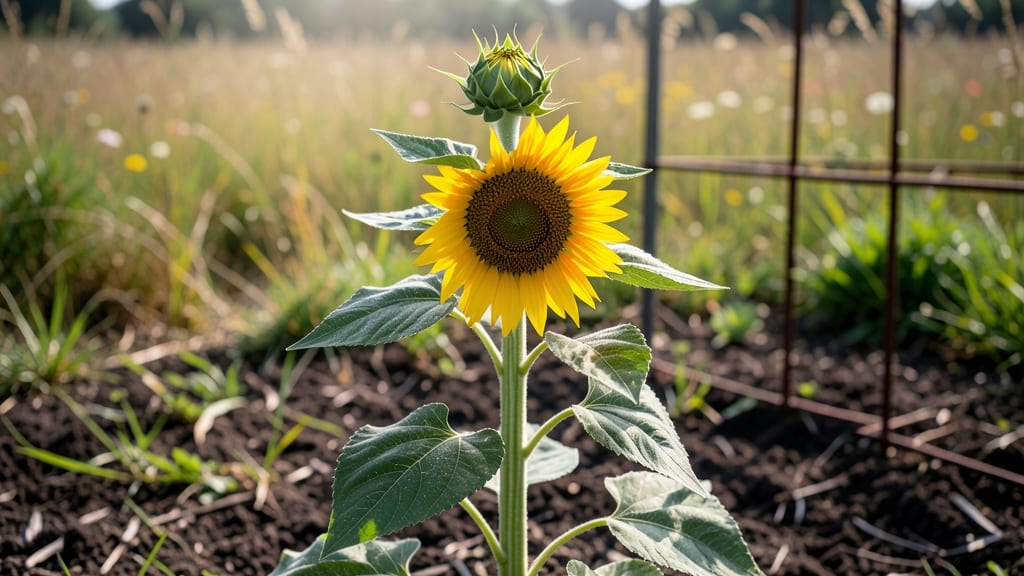
Watching sunflowers grow from tiny seeds to towering giants is one of gardening’s most rewarding experiences—each stage brings its own magic. 🌻 The sunflower growth cycle unfolds in five distinct phases, each with its own care needs and surprises, from the first green shoot to the heavy seed head you’ll harvest in late summer.
Germination kicks off within 7-14 days if soil stays warm (60°F or above), but the real show begins when those first leaves unfurl. Vegetative growth can shoot up 3-4 inches per day in ideal conditions—full sun, rich soil, and consistent moisture.
This is when sunflowers drink the most water, so keep the soil damp but never soggy to avoid leggy stems.
By mid-summer, you’ll spot those massive buds forming, followed by the dramatic opening of 8-12 inch-wide blooms that attract bees and birds. The flowering stage lasts just 2-3 weeks, but what follows is where patience pays off: seed development, when those golden heads turn brown and heavy with potential.
With proper support, you’ll harvest seeds ready for planting next year.
Common challenges pop up at every stage—damping off in germination, powdery mildew during flowering, or birds stealing seeds—but knowing what to watch for makes all the difference. Let’s walk through each phase step by step so you can grow sunflowers that reach their full, sun-drenched potential.
📚 In This Guide
- What you need
- Instructions
- Tips and common mistakes
- Wrapping up and next steps
What you need
- ● Sunflower seeds: Choose heirloom or hybrid varieties (e.g., 'Mammoth,' 'Autumn Beauty,' or 'Teddy Bear'). Buy 50–100 seeds per plant, depending on your desired spacing (12–24 inches apart). Opt for untreated seeds for organic gardening.
- ● Growing containers or garden bed: Containers: 5–7 gallon pots with drainage holes (1–2 plants per container).
- ● Garden bed: Well-draining soil in a sunny spot (6+ hours of sunlight daily).
- ● High-quality potting mix or garden soil: 10–20 gallons (amend with compost for nutrients).
- ● Fertilizer: Balanced fertilizer (10-10-10 or 5-10-10): 1–2 tablespoons per plant at planting.
- ● Organic options: Composted manure or worm castings (½ cup per plant).
- ● Watering can or hose with a gentle spray nozzle.
- ○ Mulch (optional but recommended): Straw or shredded leaves to retain moisture and suppress weeds.
- ● Hand trowel or transplanting spade for digging.
- ● Garden gloves (to protect your hands from thorns and soil).
- ● Measuring tape or ruler (for spacing seeds properly).
- ● Pruning shears (for deadheading or harvesting).
- ○ Stakes or cages (optional): Tall varieties (6+ feet) may need support to prevent toppling.
- ● Sunlight: Full sun (6+ hours daily) is a must—sunflowers love basking in the sun! 🌞
- ● Warm soil: Wait until the soil temperature reaches 50°F (10°C) or higher before planting (late spring or early summer in most climates).
- ● Patience: Sunflowers have a 90–120 day growth cycle—plan accordingly!
- ● Pest awareness: Keep an eye out for aphids, birds, and squirrels (more on this later!).
Understanding the sunflower growth cycle: key stages from seed to harvest
Here's how to recognize each phase of sunflower development—so you know exactly what to expect.
🌱 Step 1: Germination and Seedling Stage (0-14 Days)
The first true leaves appear 7-14 days after sowing, signaling successful germination. You'll notice small, round cotyledons (seed leaves) first, followed by the first true leaves that look more like mature foliage. Keep soil consistently moist but not soggy—sunflower seeds rot if overwatered.
This stage is all about establishing roots. I like to plant seeds ½ inch deep in well-draining soil and maintain a soil temperature above 60°F for optimal sprouting. If your nights stay below 50°F, germination slows dramatically—consider using row covers or a cold frame.
🌿 Step 2: Vegetative Growth (2-6 Weeks)
Once seedlings reach 4-6 inches tall, they enter rapid vegetative growth, producing 6-8 sets of true leaves before flowering. You'll see the stem thicken and leaves grow larger—this is when sunflowers build energy for their massive blooms. Here's where proper spacing matters: 12-18 inches apart for smaller varieties, 24-36 inches for giant sunflowers.
This is also when you can start fertilizing lightly. I use a balanced 10-10-10 fertilizer at half-strength every 2-3 weeks during this phase. Watch for yellowing leaves—this usually means nitrogen overload or inconsistent watering. Sunflowers are drought-tolerant but grow best with 1-2 inches of water weekly during this active growth period.
☀️ Step 3: Bud Formation and Flowering (6-10 Weeks)
The moment you spot a green bud at the stem's top, you're 4-6 weeks from harvest. This bud will swell rapidly, and within 7-10 days, the flower will fully open. Mature sunflowers need full sun (6-8 hours daily)—any less light results in smaller blooms and weaker stems. I've seen flowers close prematurely when temperatures exceed 90°F for extended periods.
Here's where pruning comes in: remove any side buds that form below the main flower head. This directs all energy to the primary bloom. You'll also notice the leaves at the base yellowing and dying back—this is normal as the plant focuses resources upward. Stop fertilizing completely once buds appear to prevent weak stems that can't support heavy heads.
⏰ Step 4: Maturation and Harvest (10-14 Weeks)
Harvest time arrives when back of the flower head turns yellow and petals begin drying. The seed head should feel firm and heavy when you lift it—this means the seeds are fully mature. Cut stems 2-3 inches below the flower head with clean shears, then hang upside down in a dry, dark place for 2-3 weeks to dry completely.
Real talk: If you wait too long, birds will strip the seeds before you can harvest. I've lost entire heads to hungry sparrows—now I cover plants with lightweight netting once buds form. For cut flowers, harvest when petals are fully open but before they brown. Remove all leaves below the flower head to extend vase life.
Tips & tricks for perfect sunflower growth
Here's what I've learned after growing sunflowers for years—these small details make all the difference between healthy plants and disappointing results.
Soil Temperature Secret: While the instructions mention maintaining soil above 60°F, I've found that using a soil thermometer to verify temperatures is worth the investment. Cold mornings can drop soil temps below 50°F even if daytime temps are perfect. I've seen germination times double when soil temps hovered around 55°F—patience is key, but don't wait too long to act if you suspect cold soil.
Watering Precision: The 1-2 inches of water weekly recommendation works best when applied correctly. I water deeply at the base of plants in the morning to allow foliage to dry completely by evening. This prevents fungal diseases that thrive in damp leaves. For container-grown sunflowers, I actually increase watering to 1-2 inches every 3-4 days since pots dry out faster.
Sunlight Strategy: While sunflowers need 6-8 hours of sunlight daily, I've noticed that morning sun is more crucial than afternoon sun. Plants grown in areas with intense afternoon sun often develop sunburned leaves. If your garden has limited sun, consider using reflective mulch or placing plants near light-colored walls to maximize light exposure without increasing heat stress.
Harvest Timing: The 2-3 week drying period after harvest is non-negotiable, but I've developed a trick to speed this up slightly. After cutting the stems, I place the heads in a well-ventilated area with a small fan circulating air around them. This reduces drying time to about 10-14 days while still maintaining seed quality. Just be careful not to create drafts that could scatter seeds prematurely.
Pro Tips for Sunflower Growth Cycle
- Here's what I've learned after growing sunflowers for years—these small details make all the difference between healthy plants and disappointing results.
- Soil Temperature Secret: While the instructions mention maintaining soil above 60°F, I've found that using a soil thermometer to verify temperatures is worth the investment.
- Watering Precision: The 1-2 inches of water weekly recommendation works best when applied correctly.
Frequently asked questions
Got questions about nurturing sunflowers from seed to harvest? Here are some of the most common ones—plus quick answers to keep your blooms thriving!
How long does it take for sunflowers to grow from seed to full bloom?
Most sunflower varieties reach maturity in 80–120 days after planting, depending on the type. Dwarf varieties bloom faster (around 60 days), while giant varieties may take up to 140 days. Check the seed packet for exact timelines—patience pays off with those iconic golden faces!
Can I plant sunflower seeds too early in spring?
Yes, but wait until the soil temperature is consistently above 50°F (10°C). Cold soil can stunt germination or invite rot. If frost threatens, use row covers or wait until after the last frost date. Sunflowers love warmth—give them a cozy, sunny spot to start strong!
What should I do if aphids attack my sunflowers?
Spray off aphids with a soapy water mix (1 tsp mild soap per quart of water) or introduce beneficial insects like ladybugs. For severe infestations, neem oil works well. Prune heavily damaged leaves to redirect energy to growth. Keep plants healthy—they’re less tempting to pests!
Do sunflowers need support to grow tall?
Most sunflowers are self-supporting, but tall varieties (6+ feet) may need staking if they lean or grow in windy areas. Use bamboo stakes or cages for extra stability. Avoid overwatering, which can weaken stems. Let those stalks stand proud—just like their cheerful blooms!
Can I grow sunflowers in containers?
Choose dwarf or bush varieties (like ‘Teddy Bear’ or ‘Moulin Rouge’) and use containers at least 12–18 inches deep with drainage holes. Place them in full sun and water consistently. Containers limit root space, so opt for smaller types to avoid disappointment. Potted sunflowers add charm to patios too!
Wrapping up and next steps
Understanding the sunflower growth cycle transforms gardening from guesswork into a rewarding journey! From sprouting seeds to towering blooms, each stage—germination, vegetative, flowering, and maturity—plays a vital role in yielding vibrant, healthy sunflowers.
With the right care, patience, and knowledge, you’re well on your way to a bountiful harvest.
Now that you’re equipped with the essentials, take the next step! Plant your seeds, monitor progress, and enjoy the magic of watching these cheerful giants grow. Happy gardening! 🌻✨