
Landscaping
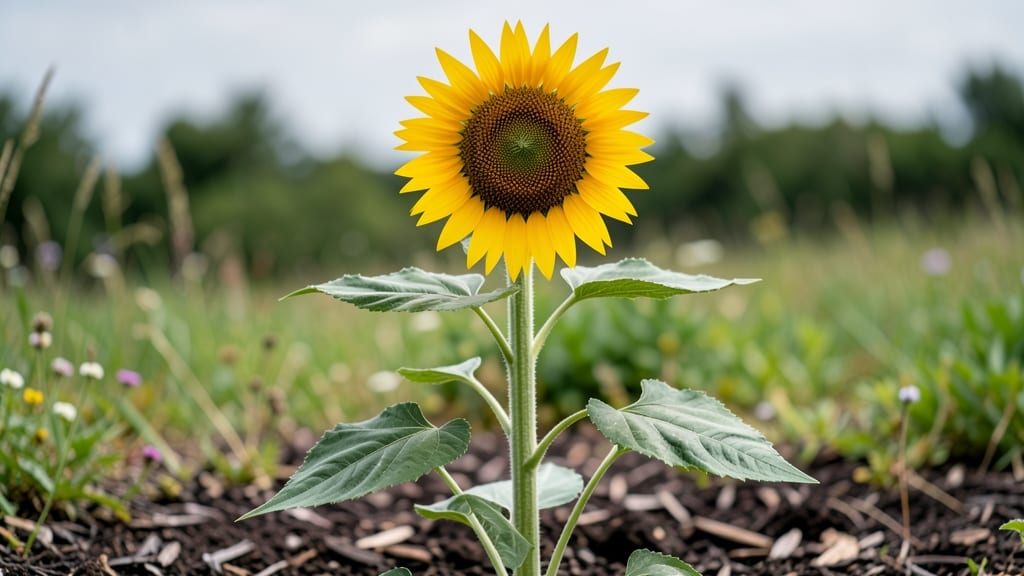
Sunflowers in your backyard don’t just add height—they create a buzzing, golden ecosystem that keeps pollinators visiting from spring through frost. 🌻 I planted my first patch last summer, and by midsummer, bees, butterflies, and hummingbirds were treating it like their own backyard café.
The secret to their success? A mix of tall varieties (like 'Mammoth' for drama) and shorter types ('Teddy Bear' for borders) creates natural layers. Space them 18-24 inches apart in well-drained soil, and watch them shoot up like nature’s skyscrapers.
The taller ones provide shade for smaller plants below, while the shorter ones spill over edges for a soft, cascading effect.
By late summer, you’ll have a pollinator magnet that also doubles as a snack—birds love the seeds, and you’ll harvest oil-rich kernels for roasting. Even after the blooms fade, the dried stalks add rustic texture to winter gardens, and the seeds feed wildlife through the cold months.
Whether you’re framing a patio, filling a corner, or creating a living screen, sunflowers adapt to any sunny spot. Here’s how to make them the star of your backyard without the fuss—just sun, soil, and a little patience.
📚 In This Guide
- What you need
- Instructions
- Tips and common mistakes
- Wrapping up and next steps
What you need
- ● Sunflower seeds: Choose Helianthus annuus varieties (e.g., 'Moulin Rouge' for dwarf or 'Russian Giant' for towering). Buy 10–20 seeds per plant (or pre-sprouted seedlings from a nursery).
- ● Well-draining soil: Mix 1 part native soil with 1 part compost (or potting mix for containers). Aim for a pH of 6.0–7.5.
- ● Fertilizer: Balanced fertilizer (10-10-10) – 1 tbsp per plant at planting.
- ● Organic options: Bone meal (½ cup per plant) or worm castings (1 cup per plant) for nutrient boosts.
- ● Watering tools: Watering can or hose with a soft spray nozzle (sunflowers hate soggy roots!).
- ○ Drip irrigation kit (optional) for consistent moisture.
- ● Support structures (for tall varieties): Stakes (6–8 ft long) or tomato cages (3–4 per plant).
- ● Soft plant ties or eco-friendly twine.
- ● Mulch: 2–3 inches of straw or wood chips to retain moisture and suppress weeds.
- ● Pollinator-friendly companions: Marigolds, cosmos, or borage to attract bees and butterflies.
- ● Birdseed or suet feeders: Place near sunflowers to invite birds (they’ll snack on seeds and deter pests!).
- ● Decorative elements: Painted stakes, solar-powered lights, or a small bench for a cozy vibe.
Step-by-Step instructions for planting sunflowers in your backyard
Here's how to grow sunflowers that'll bring color, joy, and buzzing pollinators to your yard all season.
🌱 Step 1: Choose the Perfect Location and Prep the Soil
Sunflowers thrive where they get full sun—at least 6-8 hours daily. I always pick the sunniest spot in my yard, even if it means moving a few rocks or clearing weeds. Their roots need loose, well-draining soil, so avoid compacted areas or spots where water pools after rain.
Use a garden fork to loosen the top 12 inches of soil in a 2-foot diameter circle around each planting spot. Mix in a handful of compost or the 2 cups of 10-10-10 fertilizer you've set aside. Sunflowers aren't picky, but this extra boost ensures stronger stems and bigger blooms. Avoid fresh manure—it can burn tender roots.
🌱 Step 2: Plant Seeds at the Right Depth and Spacing
Drop 2-3 seeds into each hole, spacing them 18-24 inches apart for standard varieties. For giant sunflowers, give them 3 feet of space—they'll need room to grow those massive heads. Plant seeds 1 inch deep, pressing the soil gently around them but not packing it down too hard.
Here's the thing—sunflower seeds germinate best in warm soil. If your spring nights are still chilly, wait until the soil temperature reaches 55°F before planting. You'll know it's ready when the ground feels warm to your bare hand. Water the area lightly after planting, keeping the soil moist but not soggy until sprouts appear.
☀️ Step 3: Water Deeply and Provide Consistent Care
Sunflowers are drought-tolerant once established, but young plants need steady moisture. Water 1 inch per week, aiming for the base of the plant rather than the leaves to prevent fungal diseases. I set a rain gauge nearby to track rainfall—if we get 1 inch of rain, I skip watering that week.
When plants reach 12 inches tall, reduce watering slightly to encourage stronger stems. Overwatering at this stage leads to weak, floppy plants that can't support those heavy sunflower heads. Watch for yellowing leaves—this usually means either too much water or not enough. Feel the soil first before deciding.
✂️ Step 4: Support and Maintain for Maximum Impact
Tall varieties often need staking. Install 6-foot stakes when plants reach 3 feet tall, tying them loosely with soft plant ties. This prevents wind damage without restricting growth. I always use two stakes per plant for extra stability—sunflowers can get surprisingly top-heavy.
Deadhead spent blooms by cutting the flower head off just above a set of leaves. This redirects the plant's energy into producing more flowers rather than going to seed. You'll see new buds forming within 2-3 weeks, extending your sunflower season. For pollinators, leave at least one flower head to mature—bees and butterflies will thank you.
Tips & tricks for perfect backyard sunflowers
Real talk: Sunflowers are one of the easiest plants to grow, but these little details make all the difference between pretty blooms and a total flop.
Sunlight Secret: That 6-8 hours of full sun isn't just a suggestion—it's non-negotiable. If your yard has partial shade, plant sunflowers where they'll get the most direct sunlight possible. I've seen sunflowers grow taller in full sun, but their heads won't open properly if they're stretched toward light. Check your yard's sunlight patterns throughout the day—morning sun alone won't cut it.
Soil Prep Hack: When loosening that 12 inches of soil in Step 1, don't just poke around—really break up any compacted layers. Sunflowers have deep taproots that need to penetrate easily. I like to add a handful of compost to each planting circle even if I'm not using fertilizer. The extra organic matter helps retain moisture while those roots establish.
Planting Precision: Those 2-3 seeds per hole might seem like overkill, but it accounts for germination failures. If only one sprout emerges, you still have a strong plant. And here's what nobody tells you—plant seeds slightly deeper in cooler weather (up to 1.5 inches when soil temps are below 55°F). The extra depth provides insulation until the soil warms up.
Watering Wisdom: The 1 inch per week guideline works for established plants, but young seedlings need consistent moisture. I use a rain gauge to track weekly totals, but I also check soil moisture by sticking my finger 1 inch deep—if it's dry at that depth, it's time to water. Overwatering at the 12-inch stage is the #1 reason sunflowers develop weak stems that can't support their own heads.
Pro Tips for Sunflowers In Backyard
- Real talk: Sunflowers are one of the easiest plants to grow, but these little details make all the difference between pretty blooms and a total flop.
- Sunlight Secret: That 6-8 hours of full sun isn't just a suggestion—it's non-negotiable.
- Soil Prep Hack: When loosening that 12 inches of soil in Step 1, don't just poke around—really break up any compacted layers.
Frequently asked questions
Got questions about growing sunflowers in your backyard? You’re not alone! Here are some of the most common queries—plus quick, actionable answers to help you cultivate a thriving pollinator paradise.
When is the best time to plant sunflowers in my backyard?
Sunflowers thrive in warm soil, so plant them after the last frost in spring—typically between late April and early June, depending on your climate zone. For a second harvest, try a late-summer planting (July–August) using fast-maturing varieties like ‘Moulin Rouge’ or ‘Autumn Beauty.’
Do sunflowers really attract pollinators like bees and butterflies?
Sunflowers are magnets for bees, butterflies, and even hummingbirds. Their bright blooms provide nectar, while their seeds feed birds later in the season. Plant a mix of tall and dwarf varieties to create a layered pollinator buffet for months.
How much water do sunflowers need, and how often should I water them?
Sunflowers are drought-tolerant once established, but water deeply 1–2 times per week during their first month to encourage strong roots. After that, let the soil dry slightly between waterings—overwatering can lead to fungal issues. Mulch around the base to retain moisture.
Can I grow sunflowers in containers, or do they need a garden bed?
Yes! Dwarf varieties (like ‘Teddy Bear’ or ‘Little Becka’) thrive in 5-gallon containers with well-draining soil. Use a pot at least 12 inches deep for larger types. Place containers in full sun (6+ hours daily) and fertilize lightly every 3–4 weeks for bigger blooms.
What should I do if my sunflower leaves look chewed or yellow?
Chewed leaves? Likely cucumber beetles or rabbits. Handpick pests or use row covers. Yellowing leaves often signal overwatering or nutrient deficiency—try a balanced fertilizer or adjust watering. For rabbit damage, wrap stems with chicken wire or use repellents like hot pepper spray.
Will sunflowers grow back every year, or do I need to replant?
Most sunflowers are annuals, meaning they die back after producing seeds. However, some perennial varieties (like Helianthus maximiliani) return yearly. Save seeds from healthy plants for next season, or replant fresh seeds annually for guaranteed blooms.
Wrapping up and next steps
Transforming your backyard into a sunflower haven isn’t just about beauty—it’s about creating a thriving ecosystem that benefits you and local wildlife year-round. From their towering stems to their pollinator-friendly blooms, sunflowers bring joy, sustainability, and even practical rewards like seeds and greenery.
Whether you’re a seasoned gardener or a curious beginner, now’s the perfect time to plant those seeds and watch your space bloom!
Ready to get started? Pick your favorite varieties, grab your tools, and turn your backyard into a sunlit sanctuary! 🌻✨