
Flowers
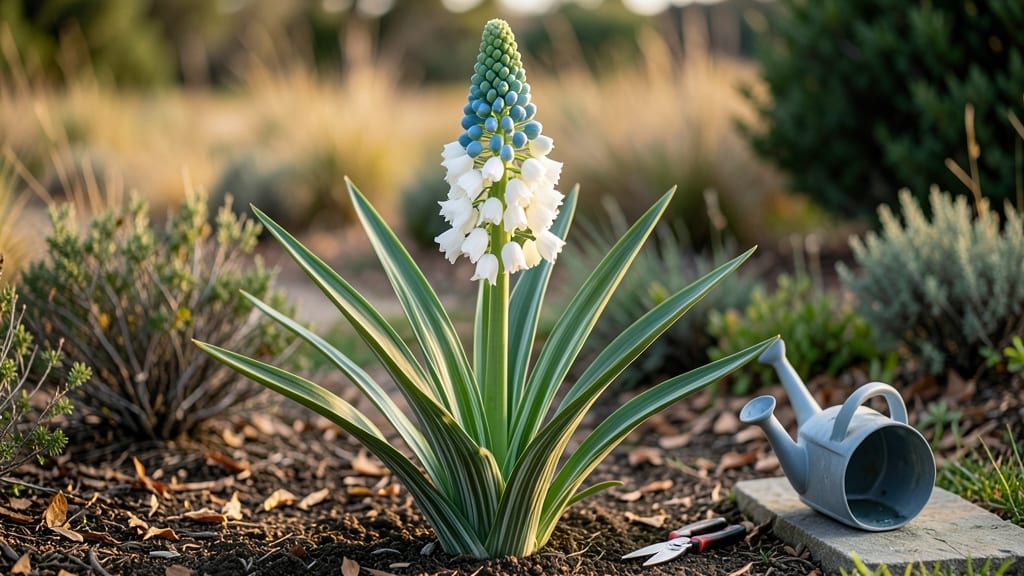
Growing tiger eye flower from seed means waking up to striped blooms that look like living art. 🌿 These bold, tiger-striped flowers bloom for just a day but pack a punch—each one lasts only 24 hours, so you’ll want to plant plenty.
My first batch surprised me with their vibrant colors and how quickly they transformed my garden into a wildflower meadow.
You’ll need full sun (at least 6 hours daily), well-draining soil, and patience—these beauties take 3-4 months from seed to bloom. The bulbs are the real secret weapon: plant them in fall or early spring, and they’ll naturalize over time.
Water lightly after planting, then let nature take over once established.
What you’ll love most is how they multiply. Each bulb produces 5-10 offsets over time, creating a self-sustaining display. The blooms attract pollinators all day long, and the foliage stays lush even when flowers fade.
Just be ready to replant seeds or bulbs every few years—they’re annuals with a short but spectacular life.
Perfect for borders, meadows, or containers—just give them space to spread. Here’s how to keep them thriving through every season without the guesswork.
📚 In This Guide
- What you need
- Instructions
- Tips and common mistakes
- Wrapping up and next steps
What you need
- ● Tiger Eye Flower Seeds – 10-20 seeds (choose a reputable supplier for Belamcanda chinensis, the scientific name for this beauty).
- ● Well-draining potting mix – 5-10 lbs (or a blend of 50% garden soil, 30% compost, and 20% perlite/sand for optimal drainage).
- ● Planting containers or garden bed – 6-inch pots for seedlings or a sunny, well-drained garden spot (6+ hours of sunlight daily).
- ● Organic fertilizer – Balanced 10-10-10 or slow-release granular (follow package rates for application).
- ● Watering can or hose with a gentle spray nozzle – For consistent, shallow watering (avoid soggy soil!).
- ● Trowel – For digging small holes (1/2 inch deep for seeds).
- ● Gloves – To protect your hands from soil and sharp seed pods.
- ○ Mulch (optional) – 2-3 inches of straw or shredded leaves to retain moisture and suppress weeds.
- ● Plant labels – To track varieties if growing multiple types.
- ● Patience – Tiger eye flowers can take 60-90 days to bloom from seed!
- ● Hardiness zone awareness – Thrives in USDA zones 5-9; protect young plants in colder climates.
- ● Sunny spot secured – Full sun (6+ hours/day) is a must for vibrant stripes.
Step-by-Step guide to growing tiger eye flowers
Here's how to cultivate these striking striped blooms with confidence and care.
🌱 Step 1: Start Seeds Indoors at the Right Time
Tiger Eye flowers (Tigridia pavonia) need a long growing season, so begin seeds indoors 8-10 weeks before your last frost date. Use small seed-starting trays with sterile seed-starting mix—never garden soil, which can harbor diseases that seedlings won't survive. Fill the cells ¾ full and press the mix down lightly to remove air pockets.
Sow seeds ¼ inch deep, just barely covering them. A single packet yields 20-30 plants, so you'll have plenty for your garden beds. Mist the surface gently with water until the mix feels evenly damp but not soggy. Place the tray in a warm location (around 70°F)—a seedling heat mat speeds germination significantly. Expect sprouts in 10-14 days if conditions are ideal.
Here's the thing—these seeds are tiny and delicate. I like to use a fine-mist spray bottle to avoid disturbing them. Once they sprout, move them to a bright, indirect light spot immediately. Without enough light, seedlings stretch and become weak, which will affect their ability to produce those bold striped blooms later.
☀️ Step 2: Harden Off and Transplant After Frost
When seedlings show 3-4 true leaves (not just the initial seed leaves), they're ready for hardening off. This process takes 7-10 days and prepares them for outdoor conditions. Start by placing them outside in a shaded, sheltered spot for just 1 hour the first day. Gradually increase their time outdoors by 1 hour daily, eventually letting them stay out all day.
Transplant after the last frost date when soil temperatures reach at least 60°F. Choose a location with full sun—these flowers need 6+ hours of direct sunlight daily to produce their signature striped blooms. Space plants 12-18 inches apart in well-draining soil. If your garden soil is heavy, amend it with compost to improve drainage and fertility.
Real talk: Tiger Eye flowers are tender and won't tolerate cold. If frost threatens after planting, cover them with frost cloth immediately. You'll see the first blooms appear 8-10 weeks after transplanting, so patience is key here. The striped patterns on the petals develop fully only in warm conditions, so don't rush the process.
💧 Step 3: Water and Fertilize for Vibrant Blooms
Water deeply once a week, aiming for 1 inch of water per week. These plants are drought-tolerant once established, but consistent moisture during their first growing season encourages strong root development. Water at the base of the plants in the morning to prevent fungal issues. You'll notice the soil feels dry 1-2 inches down—that's your signal to water again.
Feed with a balanced liquid fertilizer (10-10-10) every 4-6 weeks during the growing season. Stop fertilizing 6 weeks before the first frost, as new growth won't harden off properly. Over-fertilizing leads to lush foliage but fewer blooms, so follow the package instructions carefully. I like to mix the fertilizer with water and apply it directly to the soil, avoiding the leaves.
Watch for yellowing leaves—this usually means overwatering or poor drainage. If you see this, let the soil dry out more between waterings. The striped blooms themselves are sensitive to overwatering, so adjust your schedule as the season progresses. You'll see the first buds form in late summer, and the flowers open in morning sunlight, lasting just one day before closing.
✂️ Step 4: Deadhead and Prepare for Next Season
Deadhead spent blooms immediately after they fade to encourage more flowers. Use clean, sharp scissors to cut the stems ½ inch above the next set of leaves. This redirects the plant's energy into producing new blooms rather than seed heads. You'll notice a surge in new flower production within 2-3 weeks of consistent deadheading.
In fall, when the first frost blackens the foliage, cut the plants back to 2 inches tall. Leave the dead stems in place over winter—they provide winter interest and protect the crown from extreme cold. In early spring, remove the old growth and apply a 2-inch layer of mulch around the base to retain moisture and regulate soil temperature.
Tiger Eye flowers multiply quickly, so you'll likely see volunteer plants popping up in nearby areas. These can be transplanted to fill gaps in your garden beds. If you live in a USDA Zone 8 or warmer, these plants may return year after year. In colder climates, treat them as annuals and replant seeds each spring for fresh blooms.
Tips & tricks for growing stunning tiger eye flowers
These little-known secrets will help you coax those showstopping striped blooms from seed to full glory.
Lighting is Everything: Tiger Eye seedlings need bright, indirect light immediately after sprouting—natural sunlight through a north-facing window works best. If you don't have good window light, supplement with a grow light placed 2-3 inches above the seedlings for 12-14 hours daily. I learned this the hard way after watching my first batch of seedlings stretch into weak, leggy stems that never produced those signature striped blooms. The key is keeping them just bright enough to stay compact but not scorched by direct midday sun.
Soil Temperature Matters: Those 70°F germination temps in Step 1 aren't just a suggestion—they're critical. If your home runs cooler, place the seed tray on a seedling heat mat or even a warm spot like above your fridge. I've seen germination times stretch to 21 days when seeds were kept at 60°F instead of the ideal range. Once sprouted, maintain soil temps above 60°F for consistent growth—cold soil slows root development and can cause stunted plants.
Transplanting Strategy: When you're ready to move seedlings outdoors after the 7-10 day hardening off period, do it on an overcast day or in late afternoon. This gives them time to adjust without the stress of full sun. I also recommend transplanting in the late afternoon—the cooler evening temps help prevent transplant shock. Water thoroughly before and after moving them, and avoid working the soil too much around the roots to prevent damage.
Bloom Extension: Those one-day blooms might seem fleeting, but you can actually encourage multiple bloom cycles by maintaining consistent care. After deadheading, give your plants a light feeding with a low-nitrogen fertilizer (like 5-10-10) to promote more flower production. I've seen plants continue blooming for 6-8 weeks with proper care, especially when they receive their required 6+ hours of full sun daily and aren't overwatered.
Pro Tips for Tiger Eye Flower
- These little-known secrets will help you coax those showstopping striped blooms from seed to full glory.
- Lighting is Everything: Tiger Eye seedlings need bright, indirect light immediately after sprouting—natural sunlight through a north-facing window works best.
- Soil Temperature Matters: Those 70°F germination temps in Step 1 aren't just a suggestion—they're critical.
Frequently asked questions
Got questions about growing tiger eye flower (Belamcanda chinensis)? You’re not alone! Here are some of the most common queries—plus quick, practical answers to keep your striped blooms thriving.
How long does it take for tiger eye flower seeds to germinate?
Patience is key! Tiger eye flower seeds typically germinate in 2–4 weeks when planted in warm soil (60–70°F). Keep the soil consistently moist but not soggy—cover seeds lightly with ¼ inch of soil and place them in bright, indirect light. If germination takes longer, try soaking seeds overnight in warm water to kickstart the process.
When is the best time to plant tiger eye flower seeds outdoors?
Wait until after the last frost (spring) or plant in early fall for a head start. These hardy perennials thrive in USDA zones 5–9 and prefer full sun. If your climate is hot, opt for fall planting—it gives roots time to establish before summer heat arrives.
Why aren’t my tiger eye flowers blooming?
If your plants are leafy but skimp on flowers, check these fixes:
- Sunlight: Ensure they get at least 6 hours of direct sun daily—partial shade can stunt blooms.
- Soil: Amend heavy or clay soil with compost to improve drainage.
- Fertilizer: Use a low-nitrogen, high-phosphorus fertilizer (like 5-10-10) in early spring.
- Age: Tiger eye flowers often bloom in their second year—give them time!
Can tiger eye flowers spread aggressively? How do I control them?
Yes! These perennials spread via rhizomes and can become invasive in ideal conditions. To manage them:
- Divide clumps every 3–4 years in early spring or fall.
- Plant in containers if space is limited.
- Deadhead spent blooms to reduce seed spread (though they rarely self-seed reliably).
For a wildflower look, embrace their spread—but contain them in gardens with boundaries!
What flowers pair well with tiger eye flowers in the garden?
Tiger eye flowers’ bold stripes pop against soft textures and contrasting colors. Try these companions:
- Grasses: Ornamental grasses (like Miscanthus) add movement.
- Perennials: Black-eyed Susans, coneflowers, or Russian sage for height.
- Bulbs: Daffodils or alliums for early-season color.
- Annuals: Salvias or lobelia for trailing contrast.
Pro tip: Plant them near late-summer bloomers to extend your garden’s season!
Wrapping up and next steps
The tiger eye flower is a stunning addition to any garden, offering bold, striped blooms that turn heads and brighten spaces.
With the right care—whether you’re starting from seed or nurturing a transplant—you’ll soon enjoy its vibrant presence. Don’t wait to try it! Grab your gardening gloves, pick a sunny spot, and let these eye-catching beauties transform your outdoor (or indoor!) oasis.
Next step: Check out our seasonal planting calendar to time your tiger eye flower adventure perfectly! 🌱✨