
Blooming
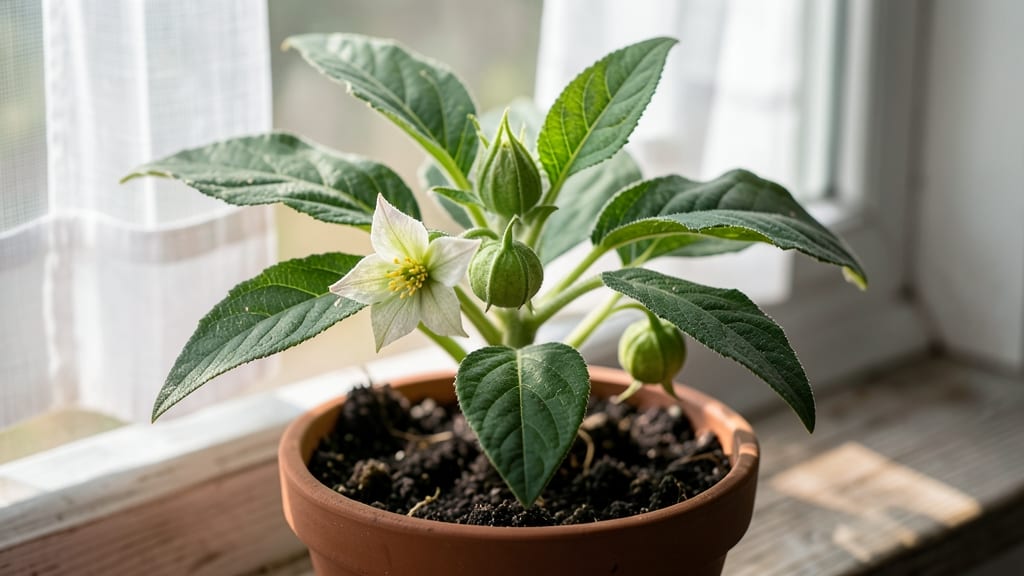
The tomatillo flower stages reveal why this plant turns a modest garden into a salsa-making powerhouse—if you know what to watch for. 🌿 Those delicate white blooms aren’t just pretty; they’re the secret to tangy, green tomatillos that burst with flavor when ripe.
I’ve watched my plants go from fluffy buds to heavy fruit clusters, and the difference between a mediocre harvest and a bounty comes down to understanding these four distinct phases.
First come the buds, tight and furry like tiny cotton balls, signaling the plant’s energy shift from leaves to reproduction. Within days, they unfurl into star-shaped white flowers that only open for a single morning—pollination happens fast, and missing this window means lost fruit.
The real magic is in the pollination stage, where tiny bees carry pollen between flowers, setting the stage for fruit development.
Once pollinated, flowers swell into green fruit, starting as pea-sized nubs before growing into the familiar papery husks we know. A successful harvest means watching for uniform swelling—no shriveled pods—and ensuring no pests or weather disrupts the process.
With proper care, you’ll go from blossoms to harvest-ready tomatillos in just 8-10 weeks, turning your garden into a salsa factory.
This timeline works for both backyard gardens and container growers, though humidity and temperature tweaks may be needed in hot climates. The key is patience and attentiveness—those flowers don’t wait around. Let’s break down each stage so you can troubleshoot before problems arise.
📚 In This Guide
- What you need
- Instructions
- Tips and common mistakes
- Wrapping up and next steps
What you need
- ● Tomatillo plants (healthy, disease-free, and in active growth—aim for Physalis philadelphica varieties like 'Green Sage' or 'Purple').
- ● Notebook or digital journal (for tracking flower stages, dates, and observations).
- ● Camera or smartphone (with a macro lens or zoom for close-up shots of blooms).
- ● Hand lens or magnifying glass (3x–10x magnification to inspect flower structures).
- ● Permanent markers or labels (for marking plants or stages in your garden).
- ● Pruning shears (sterilized, for gentle trimming if needed).
- ● Garden twine or stakes (to support plants if they’re tall or sprawling).
- ● pH test kit (to ensure soil pH is between 6.0–7.0, ideal for tomatillos).
- ● Watering can with a fine rose nozzle (for gentle hydration without damaging blooms).
- ● Growth charts or flower stage diagrams (printable guides for reference).
- ● Pollination aids (like a small paintbrush or bee-friendly habitat to boost fruit set).
- ● Humidity dome or shade cloth (if your climate is too dry or hot for optimal blooming).
- ● Fertilizer with balanced NPK (10-10-10) or compost (for nutrient support during flowering).
- ● Weather-resistant tags (for outdoor tracking in windy/rainy conditions).
Understanding tomatillo flower development for abundant fruit
Here's how to track each stage—so you know exactly when to expect harvests.
🌱 Step 1: Identify the First Flower Buds
The first sign you're ready is when your tomatillo plants develop green, papery buds at the leaf axils, about 6-8 weeks after transplanting. These buds are tiny—roughly the size of a pea—and appear in clusters. Don't mistake them for leaves; they'll feel slightly fuzzy and stand upright, unlike the flat, smooth leaves.
Here's the thing—these buds need warmth to open. If your nights dip below 55°F, they'll stay dormant. I've seen buds form in spring only to freeze back during a late frost. That's why I always cover young plants with frost cloth if temps threaten to drop. Watch for buds to swell slightly before they bloom.
🌿 Step 2: Recognize Full Bloom and Pollination
When buds open into small, white, star-shaped flowers, that's your pollination window. Each flower has 5 petals and a central green ovary that will become your tomatillo. Flowers typically open in the morning and last just 24-48 hours. This is when you'll need to check for pollinators—or step in yourself.
If you're in a low-pollinator area, gently shake the plants in the morning when flowers are open. I tap the stems lightly near the blooms—just enough to dislodge pollen without damaging the delicate petals. You'll know pollination worked when the flowers start to wilt and the green ovary below plumps up slightly within 3-5 days.
☀️ Step 3: Track Fruit Development from Bud to Harvest
After successful pollination, the green ovary swells into a 1-inch fruit within 2-3 weeks. At this stage, it'll look like a tiny, lime-green ball. This is when you'll notice the fruit's signature paper-like husk beginning to form around it. The husk starts as a loose covering but tightens as the fruit matures.
Real talk: Don't harvest too early. Immature tomatillos taste bland and mealy. Wait until they're 2-3 inches in diameter and the husk turns from green to slightly papery and brown at the edges. The fruit inside should feel firm but yield slightly when gently squeezed. This usually takes 8-10 weeks from bloom, depending on your climate.
⏰ Step 4: Monitor Maturity and Plan Harvesting
Mature tomatillos will have a bright green interior with a slightly tart, tangy aroma when the husk is removed. The fruit should separate easily from the stem when gently twisted. I harvest mine in the morning after dew has dried but before the sun gets too intense—this preserves their freshness longer.
Here's where it gets fun: The longer you leave them on the plant, the more tart they become. For salsa verde, I harvest when they're 2.5-3 inches for a perfect balance of sweet and sour. If you wait until they're fully ripe (3-4 inches), they're ideal for fermenting or drying. Watch for the husk to turn completely brown and papery—that's your signal they're ready.
Tips & tricks for perfect tomatillo flower development
These simple observations will help you maximize your harvest and avoid common garden mistakes.
Temperature Matters: The 55°F threshold is critical for bud development. I've found that even a single night below this can delay blooming by a week or more. Consider using row covers during cool nights to maintain warmth around the buds. A simple trick is to place a small heat lamp near the plants (but not too close!) to encourage bud opening during chilly evenings.
Here's What I Learned: When flowers open in the morning (that 24-48 hour window), they're most receptive to pollination. I've noticed that bees are most active between 10 AM and 2 PM, so if you're hand-pollinating, that's the best time. Use a soft paintbrush to gently transfer pollen between flowers for more consistent results than shaking the plants.
Visual Cues for Maturity: The 2-3 inch size guideline is helpful, but I pay more attention to the husk's texture. When it turns from green to slightly papery with brown edges, that's your harvest signal. The fruit inside should feel firm but give just slightly when gently squeezed—like a ripe avocado. This usually happens around the 8-10 week mark from bloom, but watch the husk first.
Harvesting Strategy: For salsa verde, I harvest when tomatillos are 2.5-3 inches—this gives the perfect balance of sweet and tart. The key is to harvest in the morning after dew has dried but before the sun gets too intense. I use clean garden shears to avoid damaging the plant, and I always leave about 1/3 of the fruit on the plant to continue ripening for future harvests.
Pro Tips for Tomatillo Flower Stages
- These simple observations will help you maximize your harvest and avoid common garden mistakes.
- Temperature Matters: The 55°F threshold is critical for bud development.
- Here's What I Learned: When flowers open in the morning (that 24-48 hour window), they're most receptive to pollination.
Frequently asked questions
Got questions about tomatillo flower stages? You’re not alone! Here are some of the most common queries gardeners have—and the answers to help you grow like a pro.
How long does it take for tomatillo flowers to turn into fruit after blooming?
After pollination, tomatillo flowers typically take 4–6 weeks to mature into fruit. Warm temperatures (70–85°F) and consistent moisture speed up the process. If flowers drop without fruiting, check for poor pollination or extreme heat stress.
Why aren’t my tomatillo flowers being pollinated?
Tomatillos rely on bees, hummingbirds, or wind for pollination. If flowers aren’t setting fruit, try:
- Hand-pollinate with a small brush or gently shake plants.
- Plant near bee-friendly flowers (like marigolds or basil).
- Check for pesticides that may harm pollinators.
Can I speed up the fruiting process for an earlier harvest?
While you can’t rush nature, you can optimize conditions:
- Ensure full sun (6+ hours/day) and consistent watering (1–1.5 inches/week).
- Use a balanced fertilizer (like 10-10-10) at planting and mid-season.
- Avoid over-fertilizing with nitrogen, which promotes leafy growth over fruit.
What should I do if my tomatillo flowers turn yellow and drop?
Yellowing or dropping flowers often signal:
- Heat stress (above 90°F). Provide afternoon shade.
- Underwatering or inconsistent moisture. Keep soil evenly damp.
- Nutrient deficiency (like calcium). Try a calcium-rich amendment like crushed eggshells.
- Disease (e.g., bacterial spot). Remove affected flowers and improve airflow.
Can I use tomatillo flowers for cooking before they turn into fruit?
Yes! Tomatillo flowers (and buds) are edible and add a tangy, citrusy flavor to dishes. Use them like capers:
- Pick tight buds or small flowers before blooming.
- Blanch and pickle them for salsas, margaritas, or salads.
- Dried flowers can be used as a garnish or seasoning.
Still stumped? Drop your tomatillo troubles in the comments—we’re happy to help!
Wrapping up and next steps
Understanding the tomatillo flower stages is your golden ticket to a bountiful harvest! From delicate blooms to plump, tart fruits, each phase plays a crucial role in maximizing yield. By recognizing these stages—like pre-bloom, pollination, and fruit development—you’ll gain confidence in nurturing your plants with precision.
Now that you’re armed with knowledge, why not put it into action? 🌱 Start by observing your own tomatillo plants or experiment with hand-pollination techniques. Every little effort brings you closer to a garden full of flavor—happy growing!