
Watering
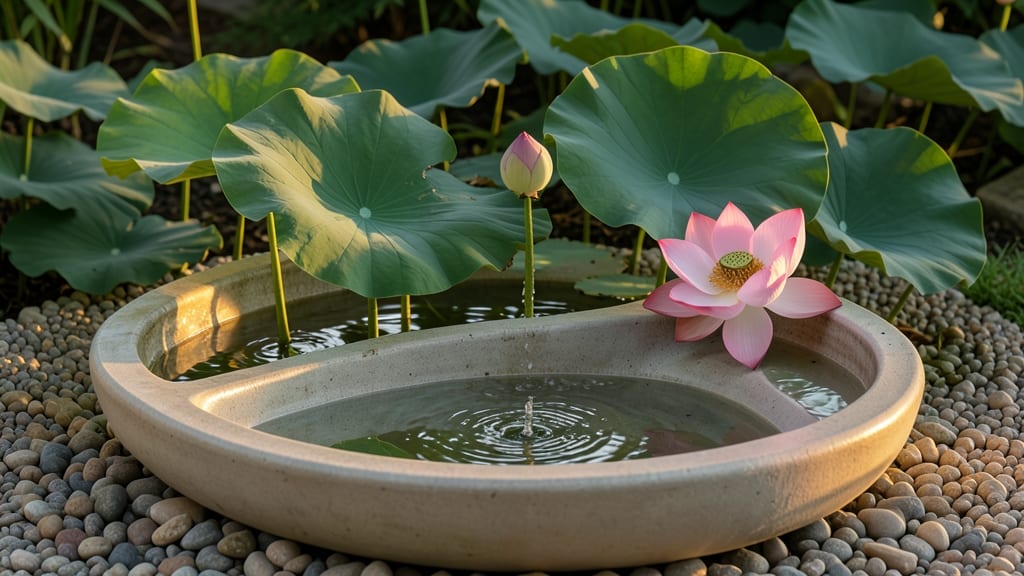
Nothing beats the sight of water fountain flowers spilling over edges like liquid silk, their petals glistening with every ripple. 🌸 I’ve designed fountain gardens where blooms and water dance together, creating a hummingbird magnet that thrives even in droughty summers.
The key is choosing plants that love moisture without drowning—think lobelia, impatiens, and water hyacinth—their vibrant colors popping against the fountain’s movement.
These flowers aren’t just pretty; they’re tough. Lobelia’s trailing spikes thrive in shallow water, while impatiens cascade like green waterfalls, both attracting pollinators while demanding minimal fuss. The secret? Plant them in water-resistant pots or directly in the fountain’s basin, where roots stay hydrated but not soggy.
A little pruning keeps them lush, and the results? A garden that hums with life all season.
Imagine mornings where sunlight catches dew on pink lobelia while hummingbirds sip from the fountain’s spray. The scent of water hyacinth’s star-shaped blooms lingers in the air, and your space becomes a serene oasis.
Maintenance is simple: trim spent blooms weekly, top off water levels, and watch the ecosystem thrive. Even in hot afternoons, these plants stay vibrant, their colors richer against the fountain’s shimmer.
This setup works for any fountain size—from small tabletop features to backyard ponds. Whether you’re filling gaps in an existing water garden or starting fresh, these blooms turn a simple fountain into a living, buzzing masterpiece. Ready to make your water feature the star of the show?
📚 In This Guide
- What you need
- Instructions
- Tips and common mistakes
- Wrapping up and next steps
What you need
- ● Water fountain: A solar-powered or battery-operated fountain with a gentle, cascading flow (e.g., 100–300 GPH pump). Pro tip: Look for one with adjustable height (12–24 inches) for flexibility!
- ● Water-resistant planter: A large, shallow basin (18–24 inches in diameter) with drainage holes. Example: Fiberglass, ceramic, or heavy-duty plastic.
- ● Water fountain flowers: Hummingbird favorites: 3–5 plants of Lobelia, Fuchsia, or Salvia (choose water-tolerant varieties like Lobelia cardinalis).
- ● Water-loving blooms: 2–3 Colocasia (elephant ears) or Water lilies (if your fountain is deep enough).
- ● Pebbles or gravel: 2–3 gallons of smooth, rounded stones (1/4–1/2 inch) for drainage and aesthetics.
- ● Water-safe potting mix: 1–2 bags of moisture-retentive, peat-based mix (e.g., Black Gold Water Garden Soil).
- ● Water: A hose with a gentle spray nozzle for initial setup and maintenance.
- ● LED solar lights: Subtle battery-powered lights for evening ambiance.
- ● Decorative rocks or statues: Add frog figurines, lotus stones, or mosaic tiles for a whimsical touch.
- ● Fish: Hardy goldfish or koi (if your fountain is large enough—20+ gallons recommended).
- ● Floating plants: Water hyacinth or Duckweed to deter mosquitoes naturally.
- ● Fertilizer: Slow-release aquatic fertilizer (e.g., Miracle-Gro Shake ‘n Feed) for blooms.
- ● A sunny or partially shaded spot (6+ hours of sunlight daily for most flowers).
- ● Access to water (hose or nearby source for refills).
- ● Basic gardening tools: Trowel, gloves, and a level (to ensure your fountain sits evenly).
Step-by-Step guide for designing a hummingbird-friendly water fountain garden
Here's how to create a cascading floral display that thrives near water features while keeping hummingbirds buzzing.
🌿 Step 1: Select the Right Cascading Blooms
Choose plants with tubular flowers that hummingbirds adore—fuchsia, lobelia, and penstemon are my top picks. These thrive in moist soil and produce continuous blooms from spring through fall. I always select varieties with 3-4 foot cascading habits to create that dramatic waterfall effect around fountains.
For maximum impact, mix 3-4 different species—this ensures continuous color as some bloom early and others late. Plant them in clusters of 3-5 around the fountain's perimeter, spacing them 12-18 inches apart to allow for full growth without overcrowding.
☀️ Step 2: Position for Optimal Sun and Water Access
Most hummingbird favorites need 6-8 hours of direct sun daily, but they tolerate partial shade near fountains. Place them where they'll get morning sun and afternoon shade—this prevents wilting while keeping roots cool near water.
Keep plants within 2-3 feet of the fountain's water source so they benefit from natural misting. The constant humidity creates ideal conditions for these moisture-loving plants. I always install a drip irrigation line on the fountain's opposite side to prevent waterlogging.
💧 Step 3: Prepare Moisture-Rich, Well-Draining Soil
Amend native soil with 2-3 inches of organic compost and 10% perlite to improve drainage while retaining moisture. These plants hate soggy roots but thrive in consistently damp conditions—think "wet feet, dry head." I mix in a slow-release hummingbird fertilizer at planting time for continuous nutrition.
Create a slight elevation (2-3 inches) around the fountain's base to prevent water pooling. This simple slope ensures proper drainage while keeping the cascading plants happy. For containers near fountains, use terracotta pots with saucers to catch excess moisture.
✂️ Step 4: Maintain with Strategic Pruning and Feeding
Deadhead spent blooms every 2-3 weeks to encourage nonstop flowering. I always use clean, sharp pruners and cut just above the next set of leaves to stimulate bushier growth. This keeps plants looking lush and attracts more hummingbirds.
Feed plants every 4-6 weeks with a high-phosphorus liquid fertilizer (like 5-10-5) during the growing season. The extra phosphorus promotes abundant blooming—the key to keeping hummingbirds visiting. Reduce feeding in late summer to allow plants to harden off for fall.
🪴 Step 5: Protect from Pests and Winter Conditions
Watch for aphids and spider mites—these pests love the moist conditions near fountains. I spray plants weekly with neem oil during hot months to prevent infestations. The oil is gentle on plants but deadly to soft-bodied insects.
In fall, cut back plants by ⅓ to remove dead growth and prepare for dormancy. Mulch heavily with 2-3 inches of shredded bark to insulate roots through winter. Most fountain flowers return stronger each year with proper winter care.
Tips & tricks for perfect water fountain flowers
Between us, these simple strategies will help your cascading blooms thrive and keep hummingbirds visiting all season long.
Plant Diversity Matters: When selecting your 3-4 different species in Step 1, prioritize plants with staggered bloom times—like early-blooming penstemon paired with late-season fuchsia. This creates a continuous nectar buffet that hummingbirds can't resist. I've found that adding a third variety like salvia often extends your blooming window by 2-3 weeks, ensuring year-round color.
Sunlight Strategy: The 6-8 hours of direct sun in Step 2 is non-negotiable, but here's the trick: position your plants to catch morning sun while avoiding harsh afternoon rays. I recommend placing them on the east side of fountains where they receive gentle morning light that won't stress the plants. For containers, rotate them weekly to ensure even growth on all sides.
Soil Science: That 2-3 inches of organic compost in Step 3 isn't just about nutrition—it's about creating the perfect moisture balance. The perlite addition (10% of the mix) prevents compaction while maintaining that "wet feet, dry head" condition. Pro tip: Mix in a handful of worm castings at planting time for an extra nutrient boost that hummingbirds will notice in the plant's vigor.
Pest Prevention: The weekly neem oil application in Step 5 is your best defense against aphids and spider mites, but here's what nobody tells you—start applying it preventatively in early spring, before pests become a problem. I've seen infestations develop in just 7-10 days when conditions are right, so don't wait until you spot the first signs. A light application every 7-10 days during peak growing months creates an invisible barrier that pests avoid.
Pro Tips for Water Fountain Flowers
- Between us, these simple strategies will help your cascading blooms thrive and keep hummingbirds visiting all season long.
- Plant Diversity Matters: When selecting your 3-4 different species in Step 1, prioritize plants with staggered bloom times—like early-blooming penstemon paired with late-season fuchsia.
- Sunlight Strategy: The 6-8 hours of direct sun in Step 2 is non-negotiable, but here's the trick: position your plants to catch morning sun while avoiding harsh afternoon rays.
Frequently asked questions
What’s the best time of year to plant water fountain flowers near a fountain?
For most blooms, spring or early fall is ideal—when soil is warm but not scorching. Hummingbirds love late-summer flowers too, so plant salvias, bee balms, or impatiens in late spring for continuous action. Avoid winter planting unless you’re in a mild climate; frost can damage tender roots.
Will a fountain harm my flowers? How can I protect them?
Direct splashes can drown roots or wash away soil, but most water fountain flowers thrive with indirect mist. Plant them 1–2 feet away from the fountain’s spray or use pebble edging to redirect water. For delicate blooms, opt for drought-tolerant varieties like lobelia or creeping jenny.
Which flowers attract hummingbirds but also love moisture?
Top picks for wet-loving hummingbird magnets include:
- Fuchsia – Vibrant, tubular blooms and thrives in partial shade.
- Columbine – Drought-tolerant once established but loves damp soil.
- Cardinal flower – Bright red spikes that hummingbirds obsess over.
- Impatiens – Shade-friendly and blooms nonstop with consistent moisture.
Why aren’t my water fountain flowers blooming? Troubleshooting tips.
If your blooms are _MIA_, check these fixes:
Too much shade? Most hummingbird flowers need 4–6 hours of sun daily.
Overwatered? soggy soil = root rot. Ensure well-draining soil and adjust fountain placement.
Missing nutrients? Feed with a balanced fertilizer (10-10-10) in spring and mid-summer.
Deadheading needed? Snip spent blooms to encourage new growth.
Still struggling? Try a soil test—pH imbalances can stunt flowers!Can I use annuals instead of perennials for a fountain garden?
Annuals like petunias, zinnias, or nicotiana are perfect for fountains—they bloom fast, attract hummingbirds, and you can swap them out yearly for variety. Just replant every spring (or follow your frost dates). For low-maintenance, mix in perennials like hostas or astilbes for structure.
Wrapping up and next steps
Transforming your garden into a hummingbird haven with water fountain flowers is easier—and more rewarding—than you think! 🌸 From choosing the right blooms to setting up a low-maintenance fountain, these steps create a vibrant, eco-friendly space that keeps birds buzzing all season.
Whether you’re a gardening pro or just starting, every splash of water and bloom planted is a step toward a thriving, lively outdoor oasis.
Ready to take the next step?
Start small with a single fountain and a few hummingbird favorites, or go all out with a full cascading display. Grab our free garden plan template to sketch out your dream setup—and don’t forget to share your progress with the community for tips and inspiration!